
Are you wondering if your stainless steel cookware can go straight from the stove into the oven? Knowing the answer can save you time, protect your cookware, and keep your meals perfect.
Imagine preparing a delicious dish without worrying if your pan will survive the heat. You’ll discover everything you need to know about the oven safety of stainless steel cookware. Keep reading to make the most of your kitchen tools and cook with confidence every time.
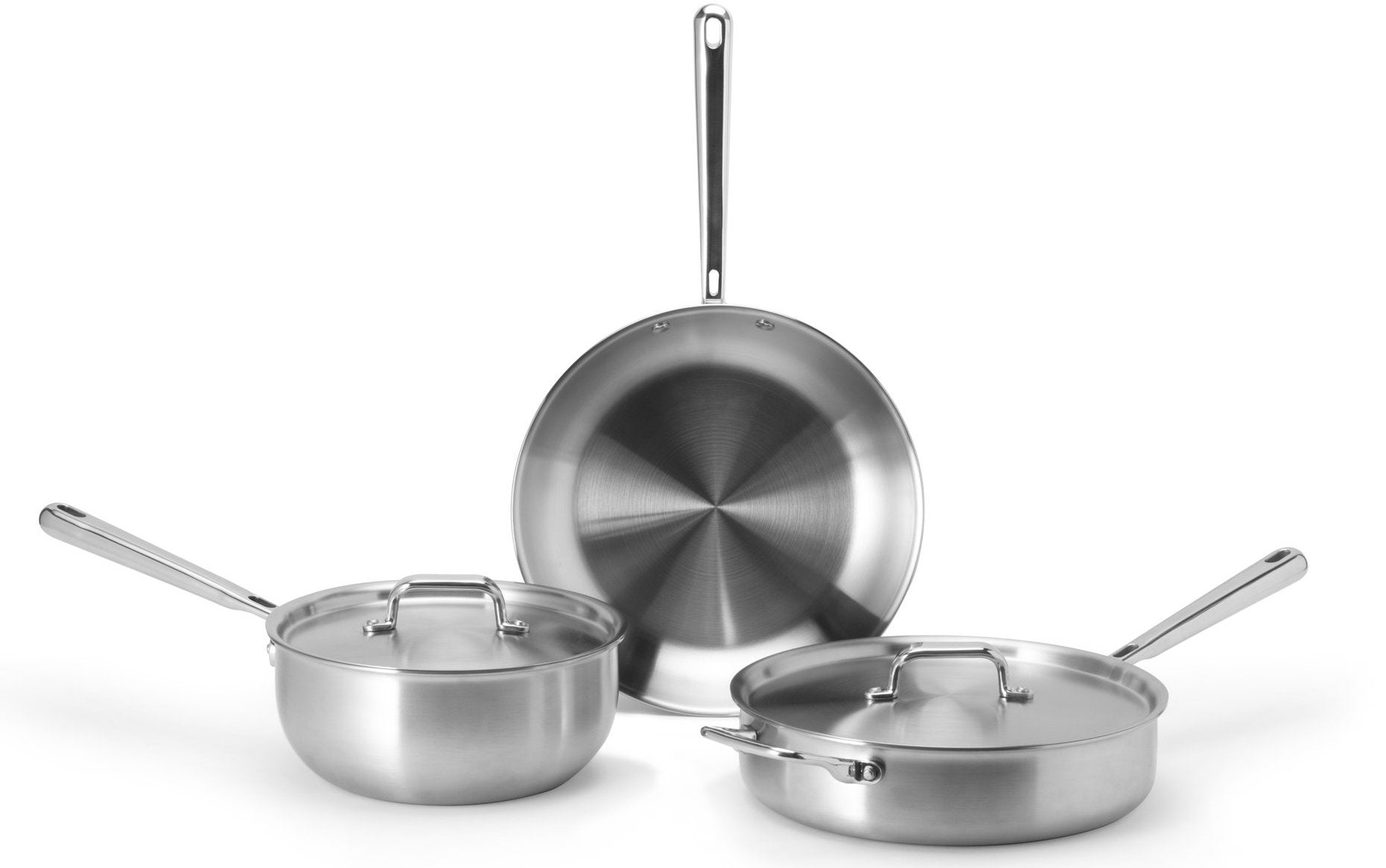
Credit: misen.com
Stainless Steel Basics
Stainless steel cookware is popular for its durability and sleek look. Many wonder about its safety for oven use. Understanding the basics of stainless steel helps answer this. Stainless steel varies by type and use, which affects its oven safety. Knowing these details ensures the right choice for your kitchen needs.
Types Of Stainless Steel
Stainless steel is an alloy made mainly of iron, carbon, and chromium. The chromium creates a thin layer that stops rust and stains. Different mixes create different grades. Each grade has unique properties. Here are the common types used in cookware:
- Type 304 (18/8 or 18/10): Most common for cookware. Contains 18% chromium and 8-10% nickel. Offers good rust resistance and shine.
- Type 316: Contains molybdenum for better corrosion resistance. Often used in professional kitchens.
- Type 430: Magnetic and cheaper. Less resistant to corrosion. Used in some budget cookware.
Here is a simple comparison table:
| Type | Chromium % | Nickel % | Corrosion Resistance | Common Use |
|---|---|---|---|---|
| 304 (18/10) | 18 | 10 | High | Cookware, Kitchen Tools |
| 316 | 16-18 | 10-14 | Very High | Professional Cookware |
| 430 | 16-18 | 0 | Moderate | Budget Cookware |
Nickel adds shine and rust resistance but increases cost. Types with nickel are usually preferred for home cookware. Magnetic types like 430 work with induction stoves but may rust faster.
Common Uses In Cookware
Stainless steel is widely used in kitchens due to its strength and safety. It does not react with food or alter flavors. This makes it a favorite for many cooking tasks. Here are common cookware items made from stainless steel:
- Saucepans and pots: Used for boiling, simmering, and frying.
- Skillets and frying pans: Great for searing and sautéing.
- Baking dishes: Oven-safe and durable for roasting.
- Stockpots: Ideal for soups and stews.
Stainless steel is often combined with other metals:
- Aluminum or copper cores: Improve heat distribution.
- Non-stick coatings: Added for easy food release.
Most stainless steel cookware can handle oven temperatures up to 500°F (260°C). Handles made of stainless steel or metal are safe in the oven. Avoid cookware with plastic or wooden handles for oven use.
Benefits of stainless steel cookware:
- Durable and long-lasting
- Resistant to rust and stains
- Non-reactive with acidic foods
- Easy to clean and maintain
This versatility makes stainless steel a reliable choice for many cooks. Understanding these basics helps pick the right cookware for oven safety and cooking success.
Oven Safety Factors
Understanding oven safety factors is key to using stainless steel cookware in the oven without damage or danger. Oven safety depends on several elements including the cookware’s material quality, design, and especially its heat tolerance and handle construction. These factors determine how well your stainless steel pots and pans perform under high oven temperatures.
Heat Tolerance Levels
Stainless steel cookware generally has a high heat tolerance. Most stainless steel pots and pans can safely handle oven temperatures between 350°F (175°C) and 500°F (260°C). The exact limit depends on the cookware brand and model. Exceeding these temperatures may cause warping or discoloration.
Here are key points about heat tolerance:
- Standard stainless steel: Usually oven-safe up to 500°F.
- Tri-ply or multi-ply bases: Distribute heat better but have the same oven limits.
- Non-stick coatings: Lower heat tolerance, often max 350°F.
- Check manufacturer instructions: Always important to confirm limits.
| Cookware Type | Typical Oven Safe Temperature | Notes |
|---|---|---|
| Pure Stainless Steel | Up to 500°F (260°C) | High heat tolerance, durable |
| Tri-ply Stainless Steel | Up to 500°F (260°C) | Better heat distribution |
| Non-stick Stainless Steel | Up to 350°F (175°C) | Coating may degrade at higher heat |
Always avoid sudden temperature changes. Moving cookware from the fridge to a hot oven can cause damage. Let the cookware come to room temperature first.
Handle Materials And Design
Handles affect oven safety just as much as the pot or pan body. Many stainless steel cookware pieces feature metal handles that withstand oven heat well. Plastic or rubber handles often limit oven use.
Consider these handle factors:
- Metal handles: Oven-safe and durable, suitable for high heat.
- Silicone or rubber grips: Usually oven-safe up to 350°F but may melt or warp beyond this.
- Detachable handles: Allow safe oven use by removing handles.
- Rivets and screws: Metal rivets are safe; plastic parts can limit oven use.
| Handle Material | Typical Oven Safe Temperature | Oven Suitability |
|---|---|---|
| Stainless Steel | Up to 500°F (260°C) | Highly oven-safe |
| Silicone | Up to 350°F (175°C) | Safe for moderate oven use |
| Plastic | Below 350°F (175°C) | Not recommended for oven |
Handles with cool-touch designs often include plastic or silicone, reducing oven safety. Always check if handles are labeled oven-safe. If unsure, remove the handle or avoid oven use.
Checking Manufacturer Guidelines
Stainless steel cookware often looks strong and durable, but not all pieces can go into the oven. Checking manufacturer guidelines is the best way to know if your cookware is oven safe. These guidelines provide clear information about temperature limits and safe use. They help avoid damage to your cookware and keep you safe while cooking.
Labels And Instructions
Most stainless steel cookware comes with labels or instructions that explain its oven safety. These labels are usually found on the packaging or the bottom of the pan. They tell you the maximum temperature the cookware can handle. Always read these labels before using your cookware in the oven.
Labels often include simple icons or text such as:
- Oven safe with a temperature limit (e.g., up to 500°F or 260°C)
- Not oven safe or stovetop use only
- Warnings about handles or lids that may not tolerate heat
Instructions inside the box or manuals give more details about how to use your cookware safely. They may also explain:
- Whether the lid can go in the oven
- If the handles are heat resistant or not
- Cleaning tips after oven use
| Label Example | Meaning |
|---|---|
| Oven safe up to 450°F | Cookware can be used in oven up to 450°F safely |
| Not oven safe | Cookware should only be used on stovetop or grill |
| Handle not oven safe | Remove handle or do not put cookware in oven |
Following these labels and instructions protects your cookware and prevents accidents.
Warranty And Safety Notes
Manufacturer warranties often include important safety notes about oven use. These notes explain what happens if you misuse your cookware in the oven. Ignoring them may void your warranty or cause damage.
Check warranty papers for:
- Temperature limits for oven use
- Warnings about non-oven safe parts like plastic handles or glass lids
- Instructions on cleaning after oven use
Some warranties clearly state conditions under which they become void. For example, using cookware above the recommended temperature or putting non-oven-safe parts in the oven.
Here is a sample overview of warranty safety notes:
| Warranty Note | Explanation |
|---|---|
| Use below 500°F only | Exceeding this temp will damage cookware and void warranty |
| Remove plastic handles before oven use | Plastic can melt or release toxins at high heat |
| Do not use oven for storage | May cause warping or damage to metal |
Following these safety notes helps keep your cookware in good shape. It also ensures you get support from the manufacturer if needed.

Credit: www.vikingculinaryproducts.com
Benefits Of Oven-safe Stainless Steel
Oven-safe stainless steel cookware offers many benefits that make it a smart choice for everyday cooking. It lets you start cooking on the stove and finish dishes in the oven without changing pans. This flexibility saves time and reduces cleanup. Stainless steel is known for its strength and resistance to heat, which helps it last long even with frequent oven use. Using oven-safe stainless steel cookware also means you can cook a variety of recipes that require both stovetop and oven methods, improving your kitchen efficiency.
Durability And Longevity
Stainless steel cookware designed for oven use is built to last. It can handle high temperatures without warping or cracking. This durability means the cookware stays reliable for many years, even with heavy use. The material resists rust, stains, and corrosion, which helps maintain its appearance and safety over time.
- Heat resistance: Oven-safe stainless steel can withstand temperatures up to 500°F or more.
- Scratch and dent resistance: The strong surface resists damage from utensils and handling.
- Non-reactive surface: It doesn’t react with acidic or alkaline foods, preserving flavors.
Here is a simple comparison table showing how stainless steel stacks up against other common cookware materials:
| Material | Oven Safety | Durability | Maintenance |
|---|---|---|---|
| Stainless Steel | Up to 500°F+ | Very High | Easy to clean, dishwasher safe |
| Non-stick | Up to 350°F | Moderate | Requires gentle cleaning |
| Cast Iron | Up to 600°F+ | Very High | Needs seasoning and special care |
Choosing oven-safe stainless steel gives long-lasting cookware that stands up to daily cooking demands.
Cooking Performance
Oven-safe stainless steel cookware offers excellent cooking results both on the stove and in the oven. It heats evenly across the surface, preventing hot spots that can burn food. This even heat helps cook food thoroughly and improves flavor.
The cookware’s design also supports multiple cooking methods. You can sear meat on the stovetop and then transfer the pan to the oven for roasting or finishing. This versatility saves time and keeps flavors locked in.
- Even heat distribution: Stainless steel pans heat uniformly for better cooking control.
- Oven-to-table convenience: Serve meals directly from the pan, reducing dishes.
- Retention of flavors: The metal surface does not absorb food smells or tastes.
Cooking with oven-safe stainless steel also allows for high-temperature techniques like broiling and baking. Its ability to handle direct oven heat means you can try new recipes without worrying about damaging your cookware.
Potential Risks And Precautions
Stainless steel cookware is popular for its durability and sleek look. Many wonder if it is safe to use in the oven. Knowing the potential risks and necessary precautions helps protect your cookware. This keeps it in good shape for a long time. Oven use can cause some issues with stainless steel pans. Being careful avoids damage and extends the life of your pots and pans.
Warping And Discoloration
Warping happens when stainless steel pans heat unevenly or too fast. The metal bends or twists, causing the pan to lose its flat shape. This makes cooking uneven and can cause spills. Stainless steel can also change color after heating. This discoloration usually shows as blue, yellow, or brown patches. It does not affect the pan’s safety but can look unpleasant.
- Warping signs: uneven base, wobbling on stovetop
- Discoloration signs: rainbow-like tints or dark spots on the pan
To reduce warping and discoloration risks, follow these tips:
- Preheat the pan slowly on low to medium heat.
- Avoid sudden temperature changes, like placing a hot pan in cold water.
- Use cookware designed for oven use, checking temperature limits.
| Risk | Cause | Prevention |
|---|---|---|
| Warping | Rapid heating or cooling, uneven heat | Slow heating, avoid sudden temperature changes |
| Discoloration | High heat exposure, food residue | Clean properly, moderate oven temperature |
Avoiding Damage To Handles
Handles on stainless steel cookware often include materials that cannot handle oven heat. Plastic, rubber, or wooden handles may melt, crack, or weaken when exposed to high temperatures. Even metal handles can get extremely hot and cause burns. Proper care helps keep handles safe and usable.
- Check handle material: Only use pans with oven-safe handles.
- Follow temperature limits: Each handle type has a max oven temperature.
- Use oven mitts: Always protect your hands from hot handles.
To protect handles in the oven, consider these precautions:
- Read the manufacturer’s instructions for oven safety.
- Remove non-oven-safe lids or parts before baking.
- Use silicone handle covers made for heat protection.
- Place pans on oven racks carefully to avoid handle damage.
| Handle Material | Oven Safety | Max Oven Temperature |
|---|---|---|
| Stainless Steel | Safe | Up to 500°F (260°C) |
| Plastic | Not Safe | Below 350°F (175°C) |
| Rubber | Sometimes Safe | Up to 400°F (204°C), check manufacturer |
| Wood | Not Safe | Avoid oven use |
Comparing With Other Cookware Materials
Understanding whether stainless steel cookware is oven safe involves comparing it to other common cookware materials. Each material reacts differently to heat, affecting cooking results and safety. Comparing stainless steel with cast iron and nonstick pans helps you choose the best option for your kitchen needs. This guide breaks down the strengths and limits of each type, especially focusing on oven use.
Cast Iron Vs Stainless Steel
Cast iron pans are famous for their excellent heat retention and even cooking. They can easily go from stovetop to oven, handling very high temperatures without damage. Stainless steel also works well in the oven but heats differently.
- Heat retention: Cast iron holds heat longer than stainless steel, making it ideal for slow cooking and baking.
- Heat distribution: Stainless steel heats faster but can have hot spots unless it has an aluminum or copper core.
- Oven temperature: Cast iron can usually tolerate temperatures above 500°F. Stainless steel pans are oven safe up to around 500°F, depending on handles.
- Maintenance: Cast iron needs seasoning to prevent rust and maintain nonstick qualities. Stainless steel is easier to clean and does not rust.
| Feature | Cast Iron | Stainless Steel |
|---|---|---|
| Oven Safety | Safe up to 500°F+ | Safe up to 500°F (handle dependent) |
| Heat Retention | Excellent | Good |
| Maintenance | Requires seasoning | Low maintenance |
| Weight | Heavy | Light to medium |
Both materials are oven safe, but cast iron handles higher heat and longer cooking times better. Stainless steel offers more versatility and easier care but may have limits based on design.
Nonstick Vs Stainless Steel
Nonstick pans provide easy food release and simple cleanup. They usually have a coating that limits their oven use. Stainless steel pans have no such coating and often tolerate higher oven temperatures.
- Oven temperature limits: Nonstick pans usually handle up to 350°F to 400°F safely.
- Durability: Stainless steel is more durable in the oven and on the stovetop.
- Cooking style: Nonstick is best for delicate foods like eggs and pancakes.
- Cleaning: Nonstick requires gentle cleaning to avoid damage. Stainless steel can withstand scrubbing.
| Feature | Nonstick | Stainless Steel |
|---|---|---|
| Oven Safety | Safe up to 350°F-400°F | Safe up to 500°F (handle dependent) |
| Durability | Less durable | Highly durable |
| Cleaning | Gentle cleaning needed | Dishwasher safe and tough |
| Best For | Low-fat cooking, delicate foods | All-purpose cooking, searing |
Stainless steel offers better oven safety and lasts longer. Nonstick pans are convenient but less heat-tolerant. Choosing depends on cooking habits and oven use.
Tips For Using Stainless Steel In The Oven
Stainless steel cookware is popular for its durability and sleek look. Many wonder if it is safe to use in the oven and how to do so properly. Using stainless steel in the oven can be safe and effective with the right tips. Understanding how to handle temperature and maintenance helps keep your cookware in great shape and ensures safe cooking.
Temperature Limits
Knowing the temperature limits of stainless steel cookware is key to safe oven use. Most stainless steel pans can handle high temperatures, but exact limits vary by brand and design. Here are important points to remember:
- Typical oven-safe range: 400°F to 500°F (204°C to 260°C).
- Check manufacturer instructions: Always follow the specific guidelines for your cookware.
- Handle and lid materials: Some handles or lids may not be oven-safe at high heat.
- Avoid sudden temperature changes: Do not put hot pans directly into cold water to prevent warping.
Use this table to compare common stainless steel cookware temperature limits:
| Cookware Part | Typical Oven Safe Temperature |
|---|---|
| Body of Pan | Up to 500°F (260°C) |
| Metal Handles | Up to 450°F (232°C) |
| Plastic or Silicone Handles | Up to 350°F (177°C) |
| Glass Lids | Up to 375°F (190°C) |
Use oven mitts for handles, especially when temperatures are high. Keep temperature steady to avoid damage. Stainless steel pans with metal handles and no plastic parts are best for oven use.
Cleaning And Maintenance
Proper cleaning and maintenance keep stainless steel cookware looking good and performing well. Oven use can cause stains or discoloration, but these can be managed with care.
- Cool down before cleaning: Let the pan cool to avoid warping.
- Hand wash preferred: Use warm water, mild detergent, and a soft sponge.
- Avoid abrasive cleaners: Steel wool or harsh pads can scratch the surface.
- Remove stains naturally: For discoloration, use a paste of baking soda and water or white vinegar.
- Dry immediately: Prevent water spots by drying the pan right after washing.
Follow this simple step-by-step cleaning routine after oven use:
- Allow pan to cool completely.
- Rinse with warm water to remove food particles.
- Apply mild dish soap and gently scrub with a soft sponge.
- Use baking soda paste for tough stains; let sit 15 minutes, then scrub.
- Rinse thoroughly and dry with a clean towel.
Regular maintenance keeps stainless steel pans shiny and extends their life. Avoid dishwasher use if the manufacturer advises against it. Proper care prevents rust and maintains a smooth cooking surface.
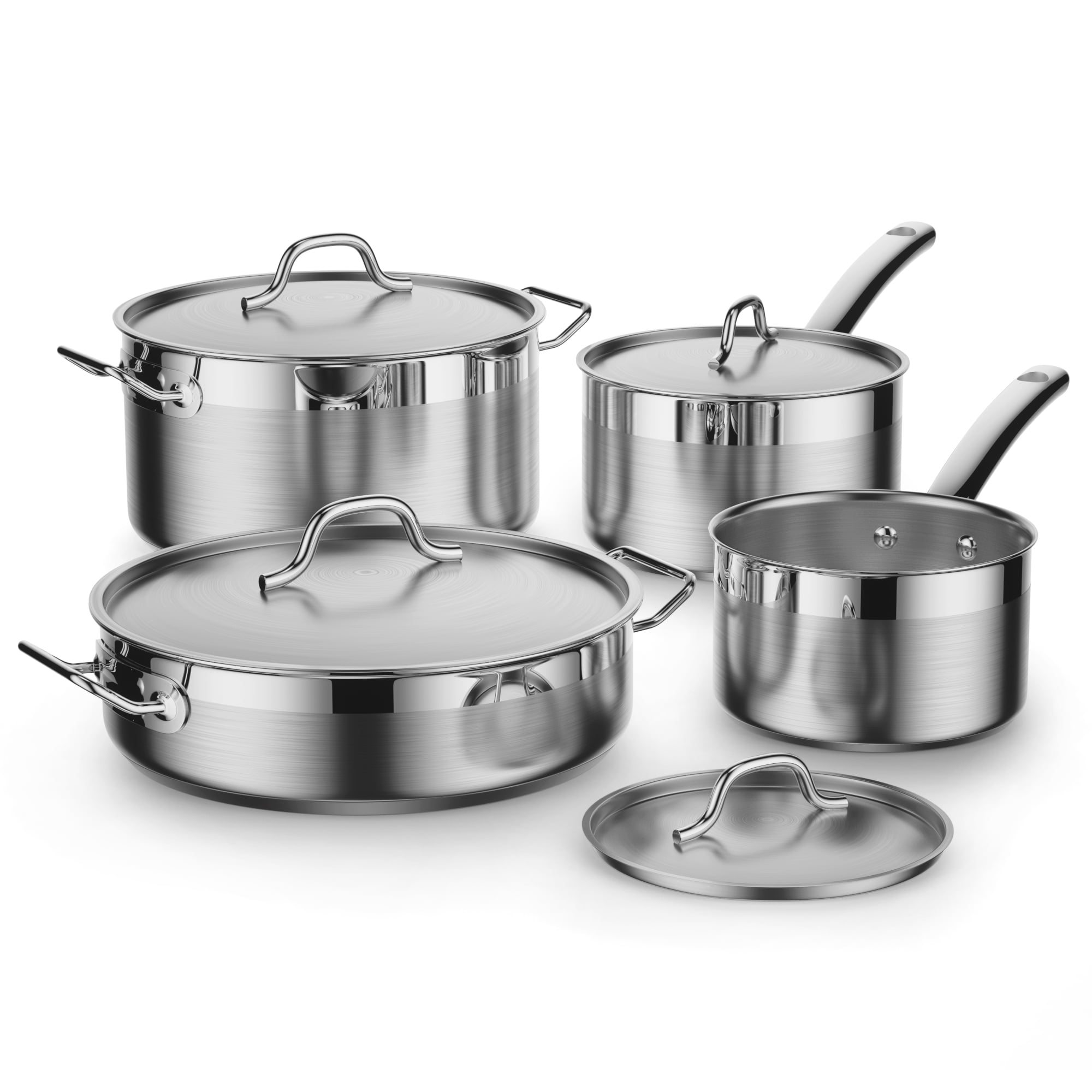
Credit: www.walmart.com
Frequently Asked Questions
Is Stainless Steel Cookware Safe For Oven Use?
Yes, most stainless steel cookware is oven safe. Check the manufacturer’s temperature limits. Avoid exceeding those limits to prevent damage.
What Temperature Can Stainless Steel Cookware Withstand?
Stainless steel cookware typically withstands oven temperatures up to 500°F (260°C). Always verify specific product guidelines for safe use.
Can Stainless Steel Lids Go In The Oven?
Not all stainless steel lids are oven safe. Glass lids usually have lower temperature limits. Check manufacturer instructions before using lids in the oven.
Does Stainless Steel Cookware Affect Cooking In The Oven?
Stainless steel cookware provides even heat distribution. It ensures consistent cooking results when used properly in the oven.
Conclusion
Stainless steel cookware works well in the oven. Most pieces can handle high heat safely. Always check the manufacturer’s instructions first. Avoid cookware with plastic handles in hot ovens. Use oven mitts to protect your hands. This type of cookware heats evenly and cooks food well.
It also cleans up easily after use. Choosing stainless steel means durable and reliable kitchen tools. Cook with confidence and enjoy tasty meals. Stainless steel stays a popular choice for oven cooking.

Hello, This is Annie Walker, a 38-year-old blogger, founder, and editor of Cookware Guider from NY, USA. I am a cookware fanatic and passionate cooker. I love to cook with different types of cooking appliances (example: all types of cookware, rice cookers, slow cookers, etc) almost every day in my kitchen. I love to share my experience with my readers in my blog. Also, I enjoy helping people to solve their problems through my website. You can follow me on Twitter & Pinterest. To know details about my blog please check the about us page.