
Are you thinking about upgrading your kitchen tools and wondering if ceramic cookware is the right choice for you? You’ve probably heard a lot of buzz about its benefits, but is it really worth the investment?
Choosing the right cookware can make a big difference in your cooking experience, from how your food tastes to how easy cleanup is. You’ll discover the real pros and cons of ceramic cookware, helping you decide if it fits your cooking style and needs.
Keep reading to find out if ceramic cookware can truly change the way you cook for the better.
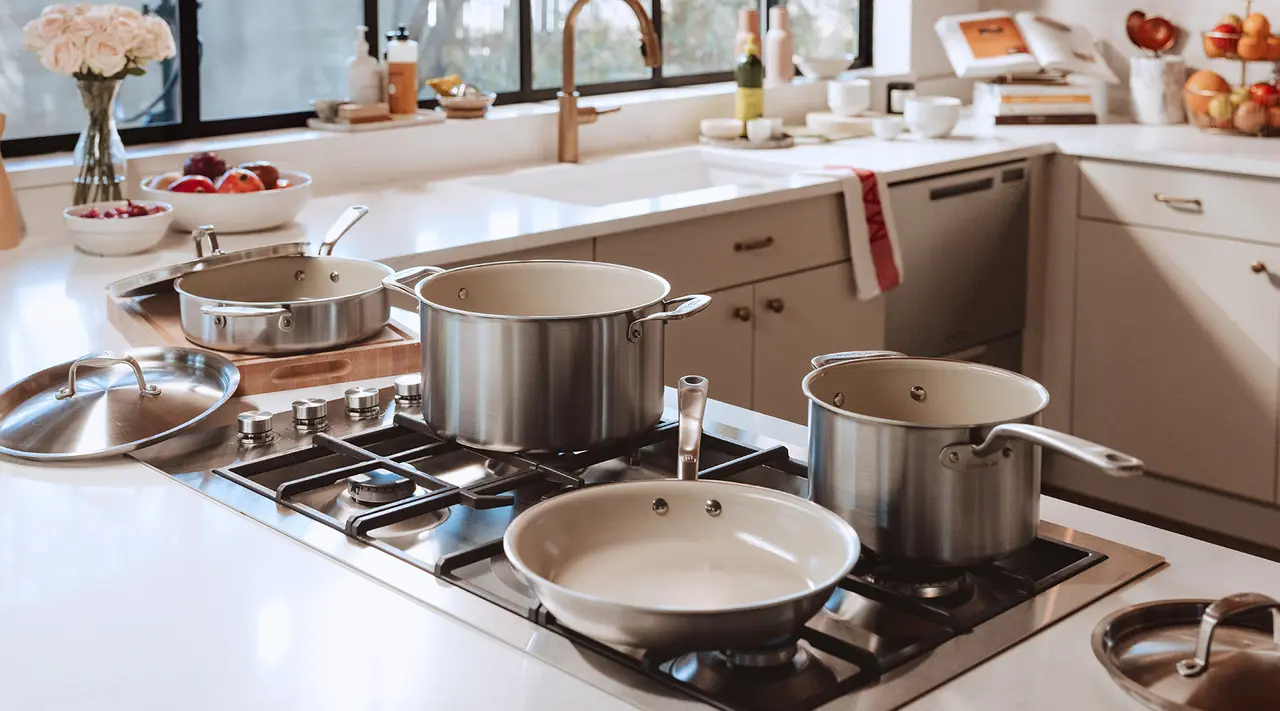
Credit: madeincookware.com
Benefits Of Ceramic Cookware
Ceramic cookware has become a popular choice in many kitchens. It offers several benefits that make cooking safer and more enjoyable. This type of cookware uses a ceramic coating instead of traditional non-stick chemicals. The benefits of ceramic cookware include better health, improved cooking results, and easy maintenance. These advantages make ceramic cookware worth considering for daily use.
Non-toxic Cooking Surface
The ceramic coating on cookware is free from harmful chemicals like PFOA, PTFE, and lead. These chemicals are often found in older non-stick pans and can release toxic fumes when heated. Ceramic cookware provides a safe and healthy cooking surface, which is important for families and health-conscious cooks.
Benefits of the non-toxic surface:
- Does not release harmful fumes at high temperatures
- Safe for cooking all types of food
- Reduces the risk of chemical contamination
- Eco-friendly and often made with natural materials
Compared to traditional non-stick pans, ceramic cookware is a better choice for those concerned about toxins. The coating is usually made from silica, which is a natural element found in sand. This makes it safer and less likely to cause allergies or reactions.
Even Heat Distribution
Ceramic cookware heats up evenly across the entire surface. This means food cooks consistently without hot spots that can burn or undercook parts of the meal. Even heat distribution is key to better cooking results and helps save energy.
How ceramic cookware ensures even heat:
- The ceramic coating spreads heat smoothly.
- Base materials like aluminum or stainless steel conduct heat well.
- Maintains steady temperatures during cooking.
Here is a comparison of heat distribution between ceramic and other common cookware types:
| Cookware Type | Heat Distribution Quality | Cooking Result |
|---|---|---|
| Ceramic | High | Evenly cooked food, less burning |
| Traditional Non-Stick | Medium | Occasional hot spots |
| Cast Iron | Variable | Good but slower to heat |
With ceramic cookware, meals come out perfectly cooked more often. It helps avoid frustration in the kitchen and improves taste and texture.
Easy To Clean
Ceramic cookware is known for its easy cleaning process. The smooth ceramic surface prevents food from sticking tightly. This makes washing up faster and requires less effort.
Cleaning tips for ceramic cookware:
- Use warm soapy water and a soft sponge
- Avoid abrasive cleaners that can damage the ceramic layer
- Soak stuck-on food for a few minutes before washing
- Dry thoroughly to prevent water spots
Unlike some cookware, ceramic does not need harsh scrubbing. The non-stick nature also means less oil is required for cooking. This helps keep the cookware cleaner and healthier over time.
In summary, ceramic cookware saves time and effort in the kitchen. It stays looking new longer and reduces the stress of cleaning up after meals.
Aesthetic Appeal
Ceramic cookware often features a shiny, smooth finish that looks great in any kitchen. It comes in various colors and designs, allowing it to match different kitchen styles. This visual appeal adds to the joy of cooking and serving food.
Reasons why ceramic cookware stands out visually:
- Bright, vibrant colors
- Glossy, smooth surface
- Modern and stylish designs
- Complements kitchen décor easily
Many brands offer ceramic cookware sets that look attractive on open shelves or countertops. The elegant appearance makes it suitable for serving food directly from the pan. It adds a touch of class to meals and can impress guests during dinner parties.
Choosing ceramic cookware is not just about function; it is also about enhancing the kitchen’s look. The beauty of ceramic makes cooking more enjoyable and the kitchen more inviting.
Drawbacks Of Ceramic Cookware
Ceramic cookware offers an attractive and non-toxic option for many kitchens. It boasts a smooth, non-stick surface and a stylish look. Despite these benefits, ceramic cookware has some important drawbacks that affect its use and value. Understanding these limitations helps decide if ceramic cookware fits your cooking needs and budget.
Durability Concerns
Ceramic cookware is fragile compared to other materials. The ceramic coating can chip, crack, or wear off with regular use. This damage reduces the cookware’s non-stick ability and can expose the base metal underneath, affecting cooking safety and performance.
Common durability issues include:
- Chipping from dropping or knocking against hard surfaces
- Scratches caused by metal utensils
- Peeling or flaking of the ceramic coating after prolonged use
- Wear from abrasive cleaning tools or harsh detergents
Proper care can extend the life of ceramic cookware:
- Use wooden or silicone utensils only
- Wash by hand with mild soap and soft sponges
- Avoid sudden temperature changes that stress the coating
- Store carefully to prevent scratches and chips
Compared to stainless steel or cast iron, ceramic cookware typically lasts fewer years under heavy use. Its lifespan often ranges from 1 to 3 years before signs of wear appear.
Heat Sensitivity
Ceramic cookware reacts differently to heat than metal pans. The ceramic coating may crack if exposed to very high heat or sudden temperature changes. It does not distribute heat as evenly as some metals, which can cause hot spots.
Key heat-related drawbacks include:
- Not suitable for very high heat cooking methods, such as searing or broiling
- Risk of cracking when moved from a hot stove to a cold surface quickly
- Longer heating times compared to aluminum or stainless steel pans
- Heat retention varies, sometimes causing uneven cooking
Heat sensitivity means:
- Use low to medium heat settings
- Allow gradual heating and cooling
- Avoid placing cookware directly on open flames
Ceramic cookware performs best with gentle cooking tasks like simmering, sautéing, and baking, but less well for fast, high-temperature cooking.
Cost Comparison
Ceramic cookware often costs more than basic non-stick or stainless steel sets. The price reflects its stylish appearance and non-toxic coating. Still, durability concerns may reduce its value over time.
Here is a simple cost comparison table for popular cookware types:
| Cookware Type | Average Price for Set | Typical Lifespan | Maintenance Needs |
|---|---|---|---|
| Ceramic | $80 – $200 | 1 – 3 years | Gentle cleaning, careful use |
| Non-stick (PTFE) | $50 – $150 | 2 – 4 years | Avoid high heat, gentle cleaning |
| Stainless Steel | $70 – $250 | 10+ years | Dishwasher safe, durable |
| Cast Iron | $40 – $150 | 20+ years | Seasoning required, heavy |
The higher price of ceramic cookware may not justify its shorter lifespan. Buyers may need to replace ceramic sets more often, increasing long-term costs.
Choosing ceramic cookware means balancing style and health benefits against its cost and durability limits.
Types Of Ceramic Cookware
Ceramic cookware offers a popular choice for many kitchens due to its non-toxic nature and attractive design. Understanding the types of ceramic cookware helps decide which suits your cooking style and budget. There are two main categories: pure ceramic pots and pans, and ceramic-coated cookware. Both provide benefits but differ in materials, durability, and care requirements.
Pure Ceramic Pots And Pans
Pure ceramic cookware is made entirely from natural clay and minerals. It is fired at high temperatures to become hard and durable. These pots and pans do not have any metal core or coating, making them fully ceramic.
Key features of pure ceramic cookware:
- 100% natural and free from chemicals
- Excellent heat retention and even cooking
- Safe for use in ovens and microwaves
- Non-reactive surface, preserving food flavors
- Requires gentle handling to avoid cracks
Pure ceramic is ideal for slow cooking, stews, and casseroles. It heats evenly but takes longer to warm up. It is dishwasher safe but hand washing helps preserve its finish.
| Advantage | Drawback |
|---|---|
| Non-toxic and chemical-free | Fragile, can chip or crack easily |
| Retains heat well | Not suitable for high-heat frying |
| Oven and microwave safe | Heavy compared to metal cookware |
Ceramic-coated Cookware
Ceramic-coated cookware has a metal base, usually aluminum or stainless steel. The inside surface is coated with a layer of ceramic-based non-stick material. This coating gives the cookware a smooth, slick surface that is easy to clean.
Main points about ceramic-coated cookware:
- Lightweight and heats quickly
- Non-stick surface reduces oil use
- Usually dishwasher safe but hand washing is best
- More affordable than pure ceramic
- Coating may wear off over time
This type is popular for everyday frying, sautéing, and general cooking. It offers convenience and quick cleanup. Avoid using metal utensils to protect the ceramic layer.
| Benefit | Limitation |
|---|---|
| Quick heating and lightweight | Coating can chip or peel |
| Easy to clean surface | Less durable than pure ceramic |
| Good non-stick performance | Not always oven safe |

Credit: www.t-fal.com
Performance In Everyday Cooking
Performance in everyday cooking plays a big role in choosing the right cookware. Ceramic cookware is popular for its clean look and non-stick surface. It offers a different cooking experience than traditional pots and pans. Many home cooks want to know if ceramic cookware stands up well to daily kitchen tasks. This section explores how ceramic pans and pots perform during regular use. It looks at which cooking methods work best and how well ceramic cookware fits with various cooktops. Understanding these points helps decide if ceramic cookware is worth buying for your kitchen.
Suitability For Different Cooking Methods
Ceramic cookware works well for many cooking styles but has some limits. It heats evenly, which helps avoid hot spots. This makes it good for gentle cooking and frying. Here are some common cooking methods and how ceramic pans handle them:
- Sautéing: Ceramic’s smooth surface helps food cook evenly without sticking much.
- Simmering: Ceramic holds heat well, perfect for soups and sauces at low heat.
- Baking: Some ceramic cookware is oven-safe, good for baking casseroles or roasting.
- High-heat frying: Not ideal; very high heat can damage the ceramic coating.
- Boiling: Ceramic pots do well for boiling water and cooking pasta or vegetables.
Tips for best use:
- Use medium or low heat to protect the ceramic surface.
- Avoid metal utensils to keep the coating smooth.
- Hand wash to preserve the non-stick quality.
Here is a quick summary table of ceramic cookware performance by method:
| Cooking Method | Performance | Notes |
|---|---|---|
| Sautéing | Good | Even heat, minimal sticking |
| Simmering | Excellent | Maintains steady heat |
| Baking | Good (if oven-safe) | Check temperature limits |
| High-heat frying | Poor | Can damage coating |
| Boiling | Good | Safe for water-based cooking |
Compatibility With Cooktops
Ceramic cookware fits well with many cooktops but not all. It works best on low to medium heat sources. Different cooktops affect how ceramic pans heat up and cook food. Here is a breakdown of ceramic cookware compatibility with common cooktops:
- Gas stoves: Ceramic works fine, but direct flame can cause uneven heating or damage if too high.
- Electric coil: Good compatibility. Ceramic heats steadily on electric coils.
- Glass-ceramic tops: Excellent match. Smooth ceramic pans won’t scratch glass surfaces.
- Induction cooktops: Most ceramic cookware does not work unless it has a metal base layer.
How to check if ceramic cookware works on induction:
- Look for “induction compatible” on packaging.
- Use a magnet test – if a magnet sticks to the pan bottom, it works on induction.
- Consider ceramic cookware with a stainless steel base.
Below is a compatibility chart for quick reference:
| Cooktop Type | Ceramic Cookware Compatibility | Notes |
|---|---|---|
| Gas Stove | Good | Avoid high flames |
| Electric Coil | Good | Even heating |
| Glass-Ceramic | Excellent | Non-scratch surface |
| Induction | Limited | Needs metal base |
Maintenance And Care Tips
Caring for ceramic cookware properly keeps it in good shape and extends its life. Regular maintenance ensures the non-stick surface stays smooth and cooking remains safe and efficient. Learning the right cleaning and storage methods helps protect your investment and keeps your kitchen tools ready for use.
Cleaning Techniques
Cleaning ceramic cookware requires gentle methods to avoid damage. Use warm water and mild dish soap for everyday cleaning. Avoid harsh scrubbing pads or abrasive cleaners that can scratch the ceramic surface.
- Let the cookware cool before washing to prevent warping.
- Use a soft sponge or cloth to clean the surface.
- For stuck-on food, soak the pan in warm soapy water for 10-15 minutes.
- Use baking soda paste (baking soda + water) to remove tough stains gently.
- Rinse thoroughly and dry immediately with a soft towel to avoid water spots.
Here is a quick guide to effective cleaning:
| Problem | Solution | Tools Needed |
|---|---|---|
| Light food residue | Wash with warm soapy water | Soft sponge, mild soap |
| Burnt or stuck food | Soak and scrub gently with baking soda paste | Baking soda, soft cloth |
| Water spots | Dry immediately after washing | Soft towel |
Never put ceramic cookware in the dishwasher unless the manufacturer says it is safe. Dishwashers can wear down the coating over time. Avoid metal utensils, as they can scratch and damage the ceramic surface. Use wooden, silicone, or plastic utensils instead.
Storage Recommendations
Proper storage prevents chips, scratches, and other damage to ceramic cookware. Always store ceramic pots and pans separately or with protective layers between them.
Stacking ceramic cookware directly can cause scratches. Use soft cloth or paper towels between each piece to protect the surface.
- Keep cookware in a dry place to avoid moisture buildup.
- Store lids separately or upside down to prevent damage.
- Hang pans with hooks if possible to save space and reduce contact.
The table below shows common storage methods and their benefits:
| Storage Method | Pros | Cons |
|---|---|---|
| Stacked with liners | Space-saving, protects surfaces | Needs extra liners |
| Hanging | Easy access, no stacking damage | Requires hooks or racks |
| Separate shelves | Good protection, organized | Needs more space |
Keeping ceramic cookware clean and storing it carefully helps maintain its look and function. These simple steps prevent damage and ensure your cookware lasts for years.
Alternatives To Ceramic Cookware
Ceramic cookware is popular for its non-toxic coating and attractive design. Yet, it may not suit every kitchen need or budget. Exploring alternatives to ceramic cookware helps find the best fit for cooking style, durability, and ease of use. Different materials offer unique benefits and drawbacks. Here are some common options that many cooks prefer.
Stainless Steel
Stainless steel cookware is a staple in many kitchens due to its durability and versatility. It does not react with acidic or alkaline foods, ensuring flavors remain pure. The material resists rust and staining, making it easy to clean and maintain.
Advantages of stainless steel:
- High heat tolerance for searing and browning.
- Oven safe and compatible with all cooktops.
- Long-lasting, often lasting decades with proper care.
- Does not chip or peel like some coatings.
Some challenges include food sticking without proper technique or preheating. Stainless steel pans often require oil or butter to prevent sticking. Cleaning may need scrubbing if food burns on.
| Feature | Benefit | Consideration |
|---|---|---|
| Heat Conductivity | Even heating with multi-ply bases | Heats slower than aluminum or copper |
| Durability | Very strong and scratch resistant | Can discolor at very high heat |
| Maintenance | Dishwasher safe | Needs occasional polishing for shine |
Cast Iron
Cast iron is famous for its excellent heat retention and natural non-stick surface when seasoned well. It works well for frying, baking, and slow cooking. Cast iron cookware can last for generations.
Benefits of cast iron cookware:
- Even heat distribution and holds heat for a long time.
- Can be used on stovetops, ovens, and even campfires.
- Improves with use, developing a natural non-stick layer.
- Very sturdy and resistant to damage.
Drawbacks include weight, which can be heavy for some users. It also requires special care to avoid rust. Cleaning must avoid soap and soaking; drying quickly is important.
| Feature | Benefit | Consideration |
|---|---|---|
| Heat Retention | Excellent for steady cooking | Slow to heat up initially |
| Durability | Can last forever | Heavy and bulky |
| Care | Becomes more non-stick over time | Needs seasoning and drying to prevent rust |
Non-stick Options
Non-stick cookware offers convenience with easy food release and simple cleaning. It suits low-fat cooking since less oil is needed. These pans often have a smooth coating made from materials like Teflon or ceramic-infused layers.
Key points about non-stick cookware:
- Ideal for eggs, pancakes, and delicate foods.
- Lightweight and easy to handle.
- Cleaning usually requires just a soft sponge and mild detergent.
- Some varieties have temperature limits to avoid damage.
Non-stick surfaces can wear off over time and may scratch easily. Use only plastic, wood, or silicone utensils to protect the coating. Avoid high heat to extend pan life.
| Feature | Benefit | Consideration |
|---|---|---|
| Ease of Use | Food slides off easily | Not suitable for very high heat |
| Maintenance | Simple cleaning process | Coating can wear or chip |
| Health | Less oil needed | Avoid scratched pans to prevent coating ingestion |
Cost Vs. Value Analysis
Deciding whether ceramic cookware is worth buying involves looking closely at its cost and the value it offers. The price tag alone does not tell the whole story. Understanding both the initial expense and the long-term benefits helps make a smart choice. This section breaks down the costs and shows what you get for your money.
Initial Investment
Ceramic cookware usually costs more than traditional pans like stainless steel or aluminum. The price depends on the brand, size, and quality of the ceramic coating. Basic sets can start at around $50, but high-end sets may reach $200 or more.
- Pros of the initial cost: Ceramic pans often come with non-stick surfaces that need less oil, making cooking healthier.
- Cons: The upfront cost may seem high compared to cheaper cookware.
Here is a simple comparison of average prices:
| Cookware Type | Price Range | Common Use |
|---|---|---|
| Ceramic | $50 – $200 | Non-stick, easy cleaning, healthy cooking |
| Stainless Steel | $30 – $150 | Durable, good for searing |
| Aluminum | $20 – $100 | Lightweight, budget-friendly |
Choosing ceramic means paying a bit more upfront. Yet, many find the price reasonable because of its cooking benefits and ease of use.
Long-term Benefits
The value of ceramic cookware grows over time. It lasts for years if cared for properly. The non-stick surface reduces the need for butter or oil, saving money on cooking ingredients.
- Easy to clean: Food rarely sticks, so washing takes less effort and time.
- Healthier cooking: Less oil means meals with fewer calories and fats.
- Durability: Ceramic coatings resist scratches and stains better than some non-stick options.
Cost savings over time come from:
- Reduced use of cooking oils and fats.
- Less replacement due to long-lasting materials.
- Lower energy bills because ceramic heats evenly and quickly.
Here is a quick look at potential savings:
| Benefit | Estimated Savings |
|---|---|
| Cooking oil/fats | Up to $50 per year |
| Replacement cookware | Up to $100 every few years |
| Energy costs | Up to $20 per year |
The initial price may be higher, but ceramic cookware pays off by saving money and effort long term. It also helps create healthier meals without extra fat or calories.

Credit: www.nuwavenow.com
Frequently Asked Questions
Is Ceramic Cookware Non-toxic And Safe To Use?
Yes, ceramic cookware is non-toxic and free from harmful chemicals. It provides a safe cooking surface without releasing toxins, making it ideal for healthy cooking.
How Does Ceramic Cookware Compare To Non-stick Pans?
Ceramic cookware offers a natural non-stick surface without synthetic coatings. It heats evenly and is more scratch-resistant than traditional non-stick pans.
Can Ceramic Cookware Withstand High Cooking Temperatures?
Ceramic cookware can handle moderate to high temperatures but avoid extreme heat. Excessive heat may damage the ceramic coating and reduce its lifespan.
Is Ceramic Cookware Easy To Clean And Maintain?
Yes, ceramic cookware is easy to clean with mild soap and water. Avoid abrasive cleaners to maintain the smooth, non-stick surface longer.
Conclusion
Ceramic cookware offers many benefits for everyday cooking. It heats evenly and cleans up easily. It is also free from harmful chemicals. Some types may not last as long as metal pans. Careful use can help it stay in good shape.
Choosing ceramic depends on your cooking style and budget. It suits those who want healthy, simple meals. Think about how often you cook and what you need. Ceramic cookware can be a smart choice for many kitchens. Try it to see if it fits your cooking habits.

Hello, This is Annie Walker, a 38-year-old blogger, founder, and editor of Cookware Guider from NY, USA. I am a cookware fanatic and passionate cooker. I love to cook with different types of cooking appliances (example: all types of cookware, rice cookers, slow cookers, etc) almost every day in my kitchen. I love to share my experience with my readers in my blog. Also, I enjoy helping people to solve their problems through my website. You can follow me on Twitter & Pinterest. To know details about my blog please check the about us page.