
Your hard anodized aluminum cookware is a kitchen treasure—durable, non-stick, and stylish. But keeping it clean can feel tricky, especially when stubborn stains or residue won’t budge.
What if you could restore that smooth, shiny surface without harsh scrubbing or damaging your pans? You’ll discover simple, effective ways to clean your cookware so it looks and performs like new. Ready to bring back the sparkle to your favorite pots and pans?
Let’s dive in.
Benefits Of Hard Anodized Aluminum
Hard anodized aluminum cookware offers many benefits that make cooking easier and more enjoyable. This type of cookware is durable and lasts a long time. It also heats evenly, which helps cook food better.
These advantages make hard anodized aluminum a popular choice in kitchens worldwide. Understanding its benefits helps you care for it properly and keep it in good shape.
Durability And Scratch Resistance
Hard anodized aluminum has a tough surface that resists scratches. This means it stays looking new longer. The cookware can handle daily use without damage.
Even Heat Distribution
The material spreads heat evenly across the pan. Food cooks uniformly, avoiding hot spots. This leads to better cooking results and less burning.
Non-stick Properties
The anodized surface provides natural non-stick features. Less oil or butter is needed for cooking. Cleaning becomes easier and faster afterward.
Lightweight And Easy To Handle
Hard anodized aluminum is lighter than other metals. It makes lifting and moving the cookware simple. This is helpful for busy kitchens and daily cooking.
Corrosion And Rust Resistance
The anodized layer protects the aluminum from rust and corrosion. The cookware stays safe to use for a long time. It keeps its quality even with frequent washing.
:max_bytes(150000):strip_icc()/faw-product-kitchenaid-hard-anodized-induction-10-piece-nonstick-cookware-set-14-wdickey-267-9b89ff5018cb4aca8cc6fa57ed6fd878.jpeg)
Credit: www.foodandwine.com
Common Cleaning Challenges
Cleaning hard anodized aluminum cookware can be tricky. Its special surface needs gentle care. Many people face common challenges while cleaning these pots and pans. Understanding these problems helps keep your cookware in great shape longer.
Stubborn Food Residue
Food often sticks tightly to hard anodized surfaces. Grease and burnt bits become hard to remove. Scrubbing too hard can damage the finish. Using the right tools and methods is important to clean without harm.
Discoloration And Stains
Over time, cookware may show spots or dark patches. These stains happen from heat and food acids. Regular cleaning might not remove them. Special cleaning techniques or products may be needed to restore the look.
Scratches From Harsh Scrubbers
Using rough scrubbers or steel wool causes scratches. Scratches ruin the smooth anodized coating. Scratches also make food stick more next time. Soft cloths or sponges work best for cleaning.
Water Spots And Mineral Deposits
Hard water leaves spots and white deposits on the surface. These marks can look ugly and affect cooking. Wiping cookware dry after washing prevents these spots. Vinegar solutions help remove mineral buildup safely.
Daily Cleaning Tips
Cleaning hard anodized aluminum cookware daily keeps it looking new and lasting longer. Simple steps help maintain its non-stick surface and prevent damage. Avoid harsh cleaning to protect the cookware’s finish. Follow easy tips to clean safely every day.
Using Mild Detergents
Choose mild dish soap for daily cleaning. Harsh chemicals can wear down the surface. Mix warm water with a small amount of soap. Use a soft cloth or sponge to wash gently. Rinse well to remove all soap residues. Dry with a soft towel to avoid water spots.
Avoiding Abrasive Tools
Never use steel wool or rough scrubbers. These tools scratch and damage the hard anodized layer. Use soft sponges or nylon scrubbers instead. Scrubbing pads with soft textures clean well without harm. Light scrubbing removes food without scratching the surface. Protect your cookware by choosing gentle cleaning tools.
Removing Stubborn Stains
Removing stubborn stains from hard anodized aluminum cookware takes patience and the right methods. These stains can come from burnt food, oil, or mineral deposits. Cleaning them effectively keeps your cookware looking new and helps it last longer.
Soaking Techniques
Fill the cookware with warm water and a few drops of mild dish soap. Let it soak for 30 to 60 minutes. This softens the stuck-on food and stains. After soaking, use a soft sponge to scrub gently. Avoid abrasive pads to protect the surface.
Baking Soda Paste
Mix baking soda with a little water to make a thick paste. Apply this paste to the stained areas. Let it sit for 15 to 20 minutes. Baking soda helps lift tough stains without scratching. Use a soft cloth or sponge to scrub the paste off. Rinse well with warm water.
Vinegar Solutions
Pour equal parts white vinegar and water into the cookware. Heat it on low for 5 to 10 minutes. Vinegar breaks down mineral deposits and discoloration. Let the solution cool before scrubbing gently. Rinse the cookware thoroughly to remove vinegar smell.
Preventing Damage
Hard anodized aluminum cookware is durable but needs care to stay that way. Preventing damage helps keep its non-stick surface and finish intact. Small habits protect your investment and make cooking easier.
Avoiding Metal Utensils
Metal utensils can scratch and damage the cookware’s surface. Use wooden, silicone, or plastic tools instead. These materials are gentle and protect the coating. Scratches reduce non-stick performance and can cause food to stick.
Proper Storage
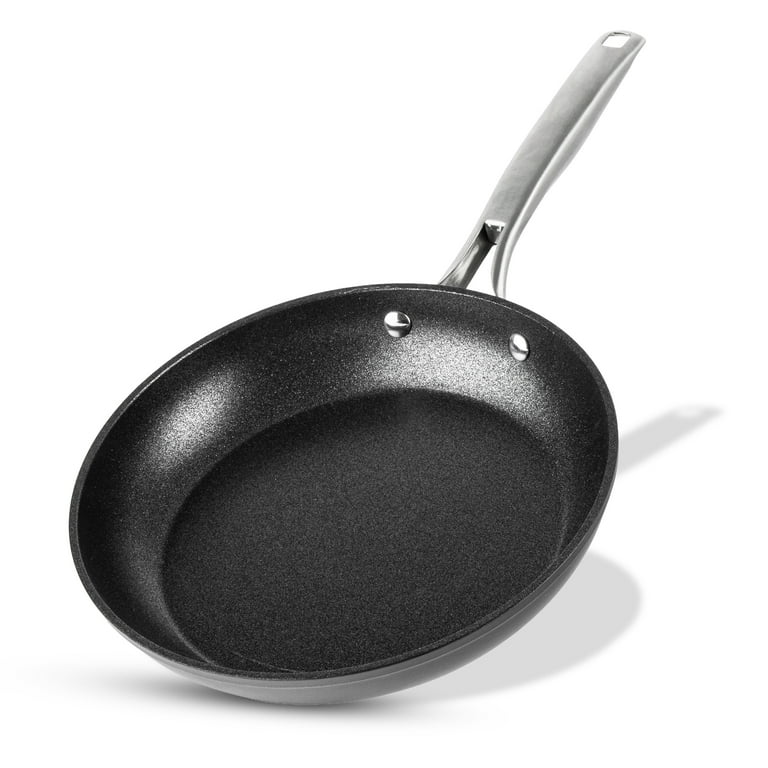
Store cookware carefully to avoid scratches and dents. Stack pans with a soft cloth or paper towel between them. Keep lids separate or use a rack to prevent damage. Proper storage keeps your cookware looking new longer.
Credit: www.walmart.com
Maintaining Nonstick Surface
Maintaining the nonstick surface of hard anodized aluminum cookware helps keep food from sticking. It also makes cleaning easier. This surface needs gentle care to last long and work well.
Seasoning Tips
Seasoning your cookware creates a thin, protective layer. Start by washing the pan with warm water and mild soap. Dry it completely. Heat the pan on low for a few minutes. Add a small amount of cooking oil and spread it evenly. Let the pan cool, then wipe off excess oil with a paper towel. Repeat this process regularly to keep the surface smooth.
Reconditioning Scratches
Scratches can reduce the nonstick ability of your cookware. Light scratches can be fixed by gently rubbing the surface with a mixture of baking soda and water. Use a soft cloth and rub in small circles. Rinse and dry the pan well. Avoid using steel wool or harsh scrubbers, as they can cause more damage.
Safe Cleaning Products To Use
Cleaning hard anodized aluminum cookware requires gentle care. Strong chemicals or abrasive cleaners can damage the surface. Choosing safe cleaning products helps keep your cookware shiny and long-lasting.
These products remove food and grease without harming the special coating. Using the right cleaners protects your investment and makes cooking easier.
Dish Soap With Warm Water
Mild dish soap mixed with warm water works well for daily cleaning. It removes grease and food residue gently. Use a soft sponge to avoid scratching the surface. This simple mix is safe and effective.
Baking Soda Paste
Baking soda is a natural, gentle cleaner. Make a paste with water and apply it to stuck-on food. Let it sit for a few minutes, then scrub softly. Rinse well to remove all residue. This method brightens your cookware safely.
White Vinegar Solution
White vinegar helps remove mineral deposits and stains. Mix equal parts of vinegar and water in the pan. Let it soak for a short time. Wipe clean with a soft cloth or sponge. Vinegar cleans without harsh chemicals.
Non-abrasive Cleaners
Look for cleaners labeled safe for hard anodized cookware. These do not contain harsh abrasives or strong acids. They gently clean without stripping the finish. Always follow product instructions for best results.
Avoiding Common Mistakes
Cleaning hard anodized aluminum cookware needs care to keep its surface safe and shiny. Many people make simple mistakes that can damage the cookware or reduce its life. Avoiding these errors helps keep your pots and pans working well for years. Follow these tips to clean your cookware the right way.
Never Use Harsh Abrasive Cleaners
Abrasive cleaners can scratch the hard anodized surface. Avoid steel wool and rough scrubbers. Use soft sponges or cloths instead. Gentle cleaning keeps the cookware’s protective layer intact.
Avoid Soaking Cookware For Long Periods
Do not soak your cookware in water for hours. Long soaking can weaken the anodized layer. Wash and dry your pots quickly after use to protect them.
Do Not Use Metal Utensils While Cleaning
Metal tools can scratch the surface during cleaning. Use plastic or wooden utensils to remove stuck food. This prevents damage and keeps the cookware smooth.
Skip The Dishwasher For Hard Anodized Cookware
Dishwashers can cause fading and discoloration. Hand washing is safer and more gentle. Warm water and mild soap are enough to clean your cookware well.

Credit: prudentreviews.com
Frequently Asked Questions
How Do I Clean Hard Anodized Aluminum Cookware Safely?
Use warm water and mild dish soap with a soft sponge. Avoid abrasive scrubbers to prevent surface damage. Rinse thoroughly and dry immediately to maintain the cookware’s finish and durability.
Can I Use Baking Soda To Clean Hard Anodized Cookware?
Yes, baking soda is effective for removing stains. Make a paste with water, apply it gently, then rinse well. It helps clean without scratching the anodized surface.
Is It Safe To Put Hard Anodized Aluminum In The Dishwasher?
It’s best to avoid dishwashers. Harsh detergents and high heat can dull the finish. Hand washing preserves the cookware’s non-stick and protective layer.
How Do I Remove Stubborn Food Residue From Anodized Cookware?
Soak the pan in warm, soapy water for 15-30 minutes. Use a non-abrasive sponge to scrub gently. This method loosens residue without harming the surface.
Conclusion
Cleaning hard anodized aluminum cookware is simple with the right steps. Use gentle cleaners and soft sponges to keep the surface safe. Avoid harsh scrubbing or metal tools that may cause damage. Regular cleaning helps your cookware last longer and stay looking new.
Taking care of your pots and pans saves money and effort. Remember, a little care goes a long way. Keep your kitchen tools clean and ready for your next meal.

Hello, This is Annie Walker, a 38-year-old blogger, founder, and editor of Cookware Guider from NY, USA. I am a cookware fanatic and passionate cooker. I love to cook with different types of cooking appliances (example: all types of cookware, rice cookers, slow cookers, etc) almost every day in my kitchen. I love to share my experience with my readers in my blog. Also, I enjoy helping people to solve their problems through my website. You can follow me on Twitter & Pinterest. To know details about my blog please check the about us page.