
If you want a steak that’s juicy, tender, and packed with flavor, the best tool in your kitchen is a cast iron skillet. You might think cooking steak is tricky, but with the right skillet and simple steps, you can get restaurant-quality results at home.
Imagine the perfect sear, a mouthwatering crust, and a steak cooked just the way you like it. Keep reading, and you’ll discover how to choose the best cast iron skillet for steak and master the technique to impress yourself and anyone at your table.
Your next great meal starts here.
Choosing The Right Steak
Choosing the right steak is key for the best cast iron skillet steak. The steak’s cut, thickness, and quality affect taste and texture. Pick the right steak to get a juicy, tender result that cooks well on cast iron.
Cuts Ideal For Cast Iron
Ribeye, New York strip, and filet mignon work great in cast iron skillets. These cuts have good fat and flavor. They cook evenly and get a nice crust. Avoid very lean cuts; they dry out fast on high heat.
Thickness And Marbling
Choose steaks about 1 to 1.5 inches thick. This thickness cooks well without burning. Look for marbling, the white fat inside the meat. More marbling means more flavor and tenderness. Thin or lean steaks often turn tough.
Fresh Vs. Frozen Steak
Fresh steak usually tastes better and cooks more evenly. Frozen steak can lose moisture during thawing. If using frozen, thaw slowly in the fridge. Avoid microwaving or hot water thawing. Fresh steak helps create a perfect sear on cast iron.
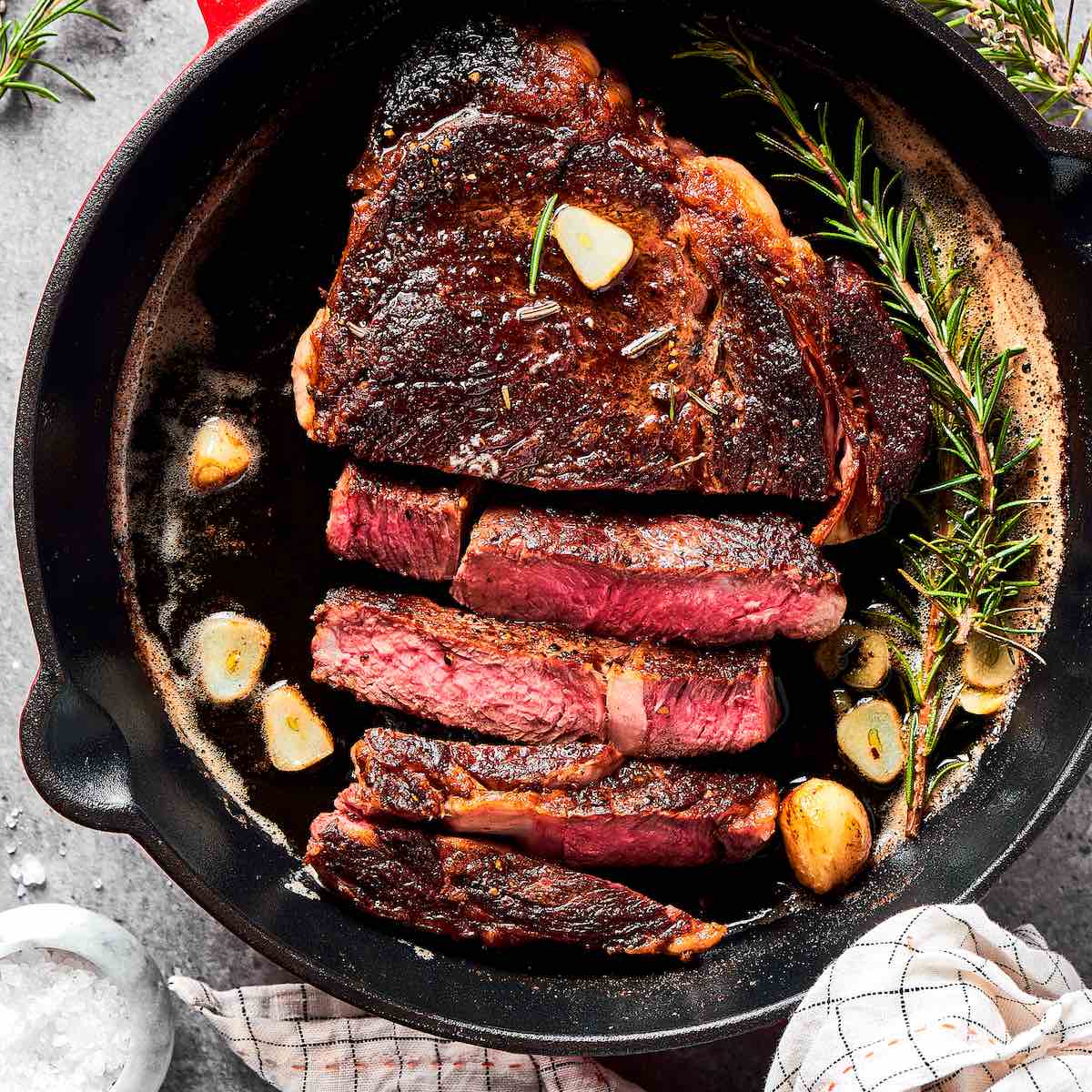
Credit: benoliel.com.br
Preparing The Steak
Preparing the steak correctly is the first step to a perfect cast iron skillet steak. A few simple actions can improve the flavor and texture. This section explains how to get your steak ready for cooking.
Seasoning Essentials
Seasoning is key to a tasty steak. Use salt and pepper as the base. Sprinkle salt evenly on both sides. Let it sit for a few minutes. Add pepper just before cooking to keep its flavor strong.
Bringing Steak To Room Temperature
Cold steak cooks unevenly. Take the steak out of the fridge 30 minutes before cooking. This helps the heat reach the center more easily. The result is a juicier, more tender steak.
Drying The Surface
Moisture on the steak blocks browning. Pat the steak dry with paper towels. A dry surface helps create a crispy, delicious crust. This step is important for that perfect sear.
Heating The Cast Iron Skillet
Heating a cast iron skillet properly is key to cooking a perfect steak. The right heat ensures a great sear and juicy inside. Too hot or too cold can spoil the taste and texture. Knowing how to heat the pan well helps you cook like a pro.
Preheating Techniques
Start by placing the skillet on the stove. Use medium heat to warm it slowly. Give the pan 5 to 10 minutes to heat evenly. Avoid turning the heat too high at first. A steady, even heat helps cook the steak well.
Using The Right Oil
Choose oils with a high smoke point like canola or vegetable oil. These oils can handle high heat without burning. Add the oil after the pan is hot, not before. Swirl the oil to cover the skillet surface. This step prevents sticking and helps form a nice crust on the steak.
Avoiding Smoke And Burnt Oil
Do not overheat the pan or oil. Smoke means the oil is burning and can ruin flavor. If smoke appears, lower the heat or remove the pan briefly. Use just enough oil to coat the surface, no more. Clean the skillet well after cooking to avoid old oil burning next time.
Cooking The Steak
Cooking a steak in a cast iron skillet is both an art and a science. The skillet holds and spreads heat evenly, making it perfect for cooking steak. The goal is a juicy inside and a crispy outside. Each step matters to get the best taste and texture.
Searing For Crust
Start by heating the skillet until it is very hot. Place the steak in the pan without moving it. This contact creates a brown, crispy crust. Avoid crowding the pan to keep the temperature high. The crust locks in juices and adds flavor.
Flipping And Timing
Flip the steak once the first side is browned. Use tongs to avoid piercing the meat. Cook the second side for a few minutes. Timing depends on thickness and preferred doneness. Check often to prevent overcooking.
Using Butter And Aromatics
Add butter, garlic, and herbs like rosemary or thyme near the end. Spoon the melted butter over the steak. This adds richness and deep flavor. Aromatics infuse the meat with a lovely scent. This step boosts taste and keeps the steak moist.
Checking Doneness
Checking the doneness of your cast iron skillet steak is key to a great meal. A perfectly cooked steak depends on knowing the right moment to stop cooking. Overcooked meat can be dry, while undercooked steak might feel unsafe or unpleasant. Use simple methods to check doneness and get the texture you want.
Using A Meat Thermometer
A meat thermometer gives the most accurate doneness check. Insert it into the steak’s thickest part. For rare steak, the temperature should read 125°F (52°C). Medium-rare is 135°F (57°C), medium 145°F (63°C), and well-done 160°F (71°C). Remove the steak a few degrees before the target temperature. The meat will keep cooking while resting.
Touch Test Guide
The touch test helps check doneness without tools. Press the steak gently with your finger. Soft and squishy means rare. Slightly firmer means medium-rare. Medium feels springy but firm. Very firm means well-done. This test takes practice but works well with experience.
Resting The Steak
Resting lets juices settle inside the steak. Remove it from the skillet and place on a plate. Cover loosely with foil. Rest for 5 to 10 minutes. This step makes the steak juicy and tender. Cutting too soon lets the juices run out.
Serving And Enhancing Flavor
Serving a cast iron skillet steak is more than just plating it on a dish. How you slice and add flavors can make a big difference. Enhancing the flavor after cooking helps bring out the best taste and texture. Small touches create a memorable meal.
Slicing Techniques
Slicing steak correctly keeps it tender and juicy. Cut across the grain, not with it. This breaks muscle fibers and makes each bite easier to chew. Use a sharp knife for clean cuts. Slice steak into thin strips for sharing or thick pieces for a hearty meal.
Sauces And Toppings
Simple sauces can lift the flavor of your steak. Classic choices include garlic butter, chimichurri, or peppercorn sauce. Fresh herbs like rosemary or thyme add aroma and taste. Toppings such as sautéed mushrooms or caramelized onions add texture and richness. Keep sauces light to balance the natural flavor of the steak.
Pairing Suggestions
Pair steak with sides that complement its rich taste. Roasted vegetables like asparagus or Brussels sprouts work well. Creamy mashed potatoes or a fresh salad offer contrast. For drinks, red wine or dark beer enhance the steak’s flavor. Choose sides and drinks that match your taste and occasion.
Cleaning And Maintaining Your Skillet
Cleaning and maintaining your cast iron skillet keeps it in great shape for delicious steaks every time. Proper care prevents rust and keeps the skillet non-stick. Follow simple steps after cooking to protect your investment.
Post-cooking Care
After cooking, let the skillet cool slightly. Use warm water and a soft brush or sponge to clean. Avoid soap or harsh detergents that remove seasoning. For stuck-on bits, scrub with coarse salt and a little water. Dry the skillet immediately with a towel to stop rust.
Seasoning Your Skillet
Seasoning builds a natural, non-stick coating. After drying, apply a thin layer of cooking oil inside and outside. Use a paper towel to spread the oil evenly. Heat the skillet on the stove or in the oven for 10 minutes. Repeat this process regularly to maintain the surface.
Storage Tips
Store your skillet in a dry place. Avoid stacking heavy items on top. Place a paper towel inside to absorb moisture. This prevents rust and keeps the skillet ready for your next steak. Proper storage extends the skillet’s life and quality.
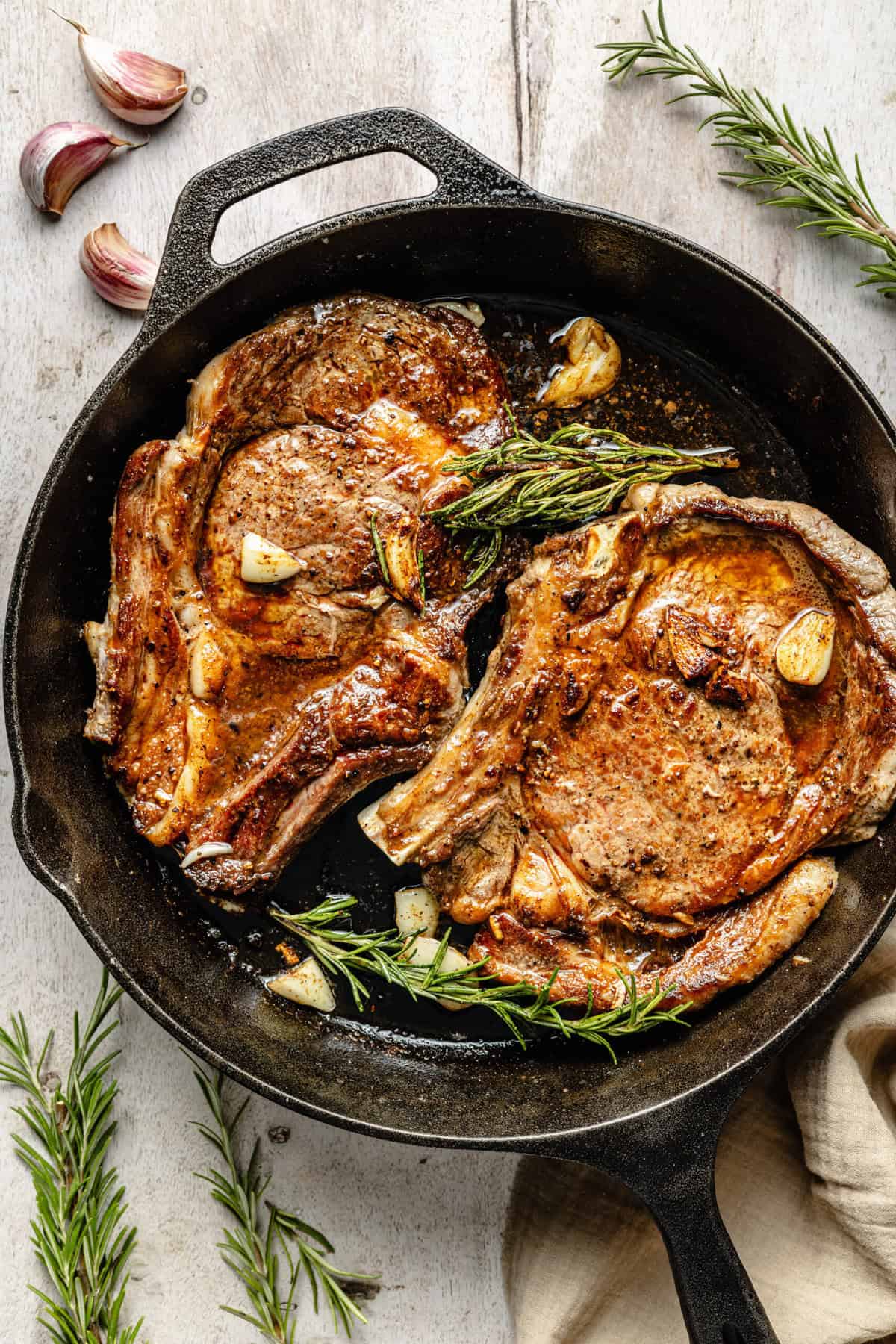
Credit: mmguide.nl
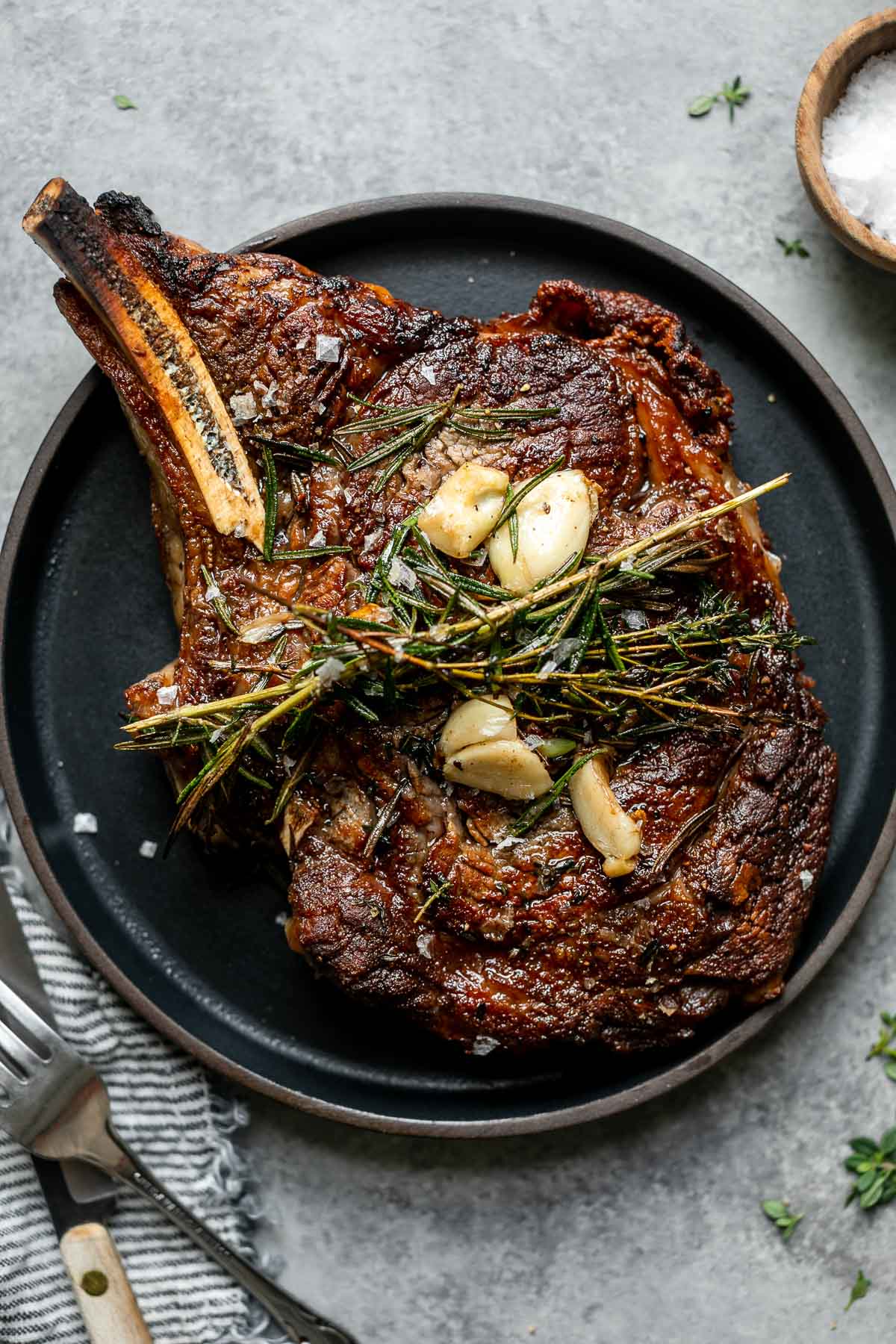
Credit: smcontinental.com
Frequently Asked Questions
What Is The Best Cast Iron Skillet For Steak?
The best cast iron skillet for steak offers even heat distribution. It should have a smooth cooking surface and sturdy handle. Lodge and Le Creuset are top brands known for durability and heat retention.
How Do You Cook Steak In A Cast Iron Skillet?
Preheat the skillet until very hot. Add oil, then sear steak for 2-3 minutes per side. Finish in the oven if needed. Rest steak before serving for juicy results.
Why Use Cast Iron Skillet For Cooking Steak?
Cast iron retains heat well, creating a perfect sear. It distributes heat evenly, ensuring steak cooks uniformly. Its durability allows high-heat cooking without warping or damage.
How To Maintain A Cast Iron Skillet After Cooking Steak?
Clean with hot water and a brush; avoid soap. Dry thoroughly and apply a thin oil layer. Store in a dry place to prevent rust and keep seasoning intact.
Conclusion
A cast iron skillet makes a steak taste great every time. It heats evenly and keeps the steak juicy. Cooking with cast iron is simple and fun. You can get a perfect crust and tender inside. Remember to season your skillet to keep it ready.
Enjoy cooking steaks that impress family and friends. A good cast iron skillet is a kitchen must-have. Try it today and taste the difference yourself!

Hello, This is Annie Walker, a 38-year-old blogger, founder, and editor of Cookware Guider from NY, USA. I am a cookware fanatic and passionate cooker. I love to cook with different types of cooking appliances (example: all types of cookware, rice cookers, slow cookers, etc) almost every day in my kitchen. I love to share my experience with my readers in my blog. Also, I enjoy helping people to solve their problems through my website. You can follow me on Twitter & Pinterest. To know details about my blog please check the about us page.