
When it comes to making bakeware that lasts and performs well, the type of clay you choose matters more than you might think. You want your creations to be sturdy, heat-resistant, and easy to work with.
But with so many options out there, how do you pick the best clay for bakeware? You’ll discover the top clays that can transform your baking projects and help you create beautiful, durable pieces every time. Keep reading to find the perfect clay that fits your needs and makes your bakeware stand out.
Types Of Clay For Bakeware
Choosing the right clay for bakeware affects cooking results and durability. Different clays offer distinct benefits for making baking dishes and pots. Understanding the types of clay helps pick the best one for your needs. Clay types vary by firing temperature, porosity, strength, and appearance. These factors influence how well the bakeware holds heat and resists cracking.
Earthenware Clay
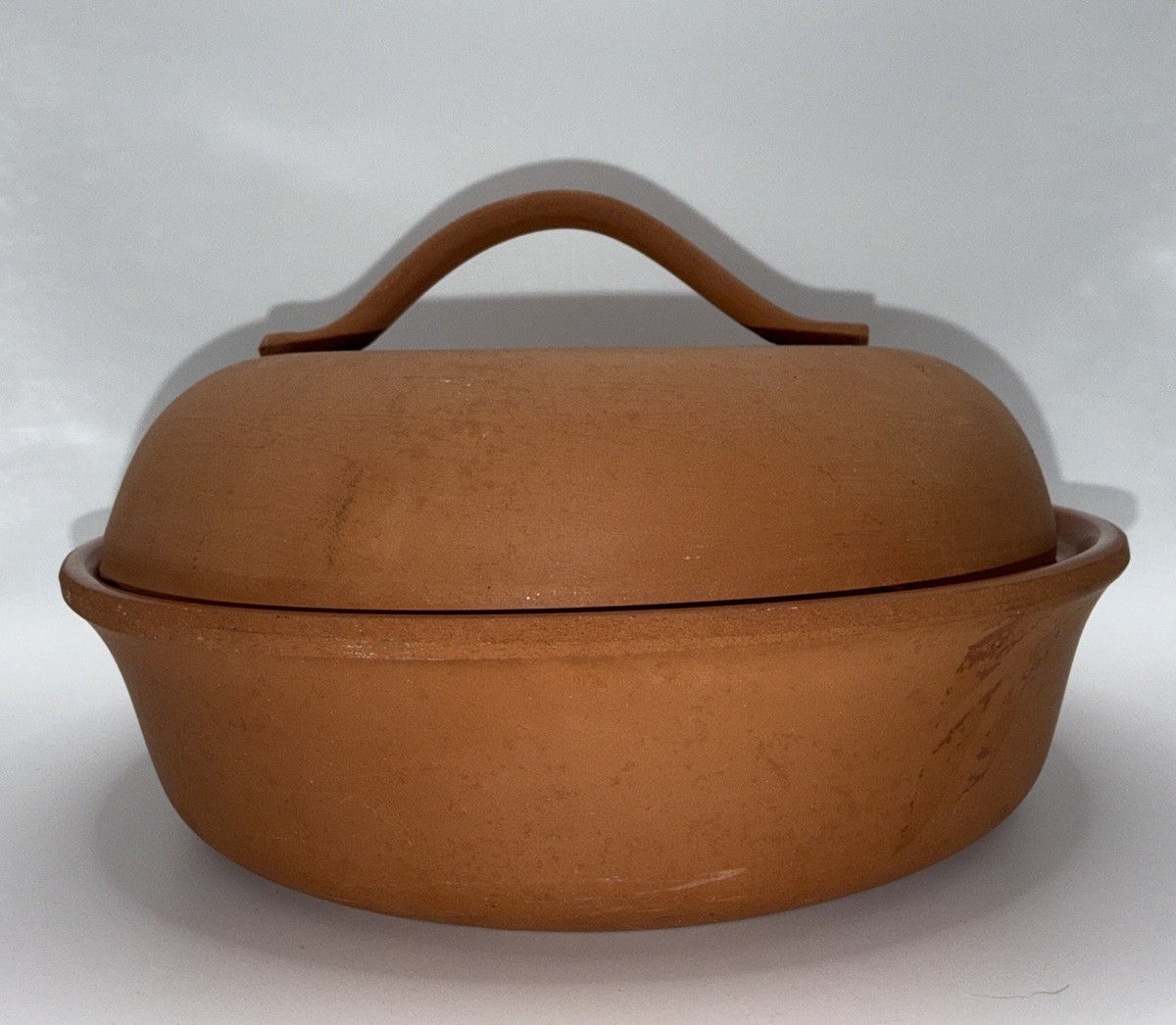
Earthenware clay is one of the oldest types of clay used in bakeware. It fires at a lower temperature, around 1,000 to 1,150°C (1,832 to 2,102°F). This clay is porous and less dense than other clays, so it absorbs moisture unless glazed.
Advantages of Earthenware:
- Retains heat well, making it good for slow cooking.
- Affordable and widely available.
- Offers a rustic, earthy look that many find attractive.
Disadvantages:
- Porous nature means it must be glazed to be waterproof.
- Less durable and chips easily compared to stoneware and porcelain.
- Not suitable for very high oven temperatures.
Earthenware bakeware works best for casseroles, pie dishes, and decorative pots. The glaze protects food and prevents stains. This clay is ideal for gentle baking and serving.
Stoneware Clay
Stoneware clay fires at a higher temperature, about 1,200 to 1,300°C (2,192 to 2,372°F). This makes it denser and less porous than earthenware. Stoneware is strong and resists chipping, perfect for frequent oven use.
Stoneware Benefits:
- Durable and chip-resistant.
- Non-porous after firing, so glazing is optional but common.
- Holds heat evenly for consistent cooking results.
Stoneware Limitations:
- Heavier than earthenware, which may affect handling.
- Longer firing time increases production cost.
- Can crack if exposed to sudden temperature changes.
Stoneware bakeware suits bread pans, baking dishes, and pizza stones. Its durability and heat retention make it a top choice for everyday baking.
Porcelain Clay
Porcelain clay fires at the highest temperature, around 1,300 to 1,450°C (2,372 to 2,642°F). It becomes very hard, dense, and non-porous. Porcelain bakeware has a smooth, white finish that looks elegant and modern.
Porcelain Advantages:
- Highly durable and chip-resistant.
- Non-porous and stain-resistant without heavy glazing.
- Can withstand high oven temperatures and thermal shock better than earthenware.
Drawbacks of Porcelain:
- More expensive due to complex firing and materials.
- Can be slippery and fragile if dropped.
- Less rustic appearance may not suit all styles.
Porcelain bakeware is ideal for elegant serving dishes, soufflés, and delicate desserts. Its strength and beauty make it suitable for both oven use and table presentation.
Credit: www.ebay.com
Key Properties For Bakeware Clay
Choosing the right clay for bakeware is essential for cooking success. The clay must handle heat, last long, and keep food safe. These key properties help clay bakeware perform well and stay reliable over time. Understanding them aids in selecting the best clay for your kitchen tools.
Heat Resistance
Heat resistance is the clay’s ability to withstand high oven temperatures without cracking or breaking. Bakeware often faces intense heat, sometimes over 500°F (260°C). Clay that cannot handle this heat may crack, ruining your bakeware and food.
Important points about heat resistance:
- High firing temperature: Clay fired at high temperatures (above 2200°F or 1200°C) becomes stronger and more heat resistant.
- Thermal shock resistance: Clay should resist sudden temperature changes, like moving from fridge to oven.
- Even heat distribution: Good clay spreads heat evenly to cook food properly.
| Clay Type | Firing Temperature | Heat Resistance |
|---|---|---|
| Earthenware | 1830-2100°F (1000-1150°C) | Low to moderate; prone to cracking |
| Stoneware | 2192-2372°F (1200-1300°C) | High; excellent for bakeware |
| Porcelain | 2372-2552°F (1300-1400°C) | Very high; durable and heat resistant |
Stoneware and porcelain clay usually provide the best heat resistance for bakeware. Earthenware is less suitable because it cracks easily under heat.
Durability
Durability means the clay bakeware can last a long time without breaking or wearing out. Strong clay resists chips, cracks, and damage from daily use. Durable bakeware saves money and effort.
Key factors for durable clay:
- Density: Dense clay is stronger and less porous.
- Firing temperature: Higher firing creates harder, more durable clay.
- Clay composition: Clay mixed with grog or sand improves strength.
Durability also depends on how the bakeware is handled. Avoid sudden temperature changes and dropping the pieces. Proper care extends the life of clay bakeware.
Comparison of durability by clay type:
| Clay Type | Durability Level | Common Uses |
|---|---|---|
| Earthenware | Low | Decorative dishes, light-use bakeware |
| Stoneware | High | Everyday bakeware, casseroles |
| Porcelain | Very High | Fine bakeware, durable cooking vessels |
Porosity And Glazing
Porosity measures how many tiny holes clay has. High porosity means clay absorbs water and oils, which can cause stains and cracks. Bakeware needs low porosity to stay strong and clean.
Glazing seals the surface, making it non-porous and smooth. A good glaze protects the clay and food from absorbing odors or bacteria.
Important points about porosity and glazing:
- Low porosity clay reduces water absorption and cracking risk.
- Glaze type affects heat resistance and durability.
- Food-safe glaze prevents harmful chemicals from leaching.
- Matte vs glossy glazes: Glossy glazes are easier to clean; matte glazes offer a rustic look.
Table of porosity and glazing features:
| Clay Type | Porosity | Common Glazing | Benefits |
|---|---|---|---|
| Earthenware | High | Thick glaze | Seals porous surface but can chip |
| Stoneware | Low | Thin to medium glaze | Durable, less absorption |
| Porcelain | Very Low | Thin glaze | Non-porous, very smooth |
Choose clay with low porosity and a strong food-safe glaze for the best bakeware performance.
Popular Clay Brands And Products
Choosing the right clay is essential for making durable and safe bakeware. Popular clay brands offer a wide range of options suited for different baking needs. These clays vary in texture, heat resistance, and ease of use. Understanding popular brands helps pick the best clay for bakeware projects. Below are some of the well-known commercial and artisan clays used for bakeware.
Commercial Bakeware Clays
Commercial bakeware clays are designed for efficiency and consistency. They work well in mass production and are ideal for beginners and professionals alike. These clays are usually pre-mixed and tested to withstand high oven temperatures without cracking or warping.
- Stoneware Clay: Known for strength and durability. It fires at high temperatures and is non-porous when glazed.
- Earthenware Clay: Fires at lower temperatures. Often used for decorative bakeware but less heat-resistant.
- Porcelain Clay: Smooth and white, perfect for elegant bakeware. It is strong but can be more fragile during handling.
| Brand | Type of Clay | Firing Temperature | Best Use |
|---|---|---|---|
| Laguna Clay | Stoneware | Cone 6 (2232°F) | Heavy-duty bakeware and dishes |
| Amaco | Earthenware | Cone 06-04 (1828°F – 1945°F) | Decorative and light bakeware |
| Harris | Porcelain | Cone 10 (2345°F) | Elegant plates and baking forms |
These clays come in various textures and moisture levels. They offer reliable firing results and hold up well with regular oven use. Commercial clays offer a strong foundation for creating bakeware that lasts.
Artisan And Specialty Clays
Artisan and specialty clays focus on unique qualities and craft techniques. These clays often come from smaller producers who emphasize natural materials and traditional methods. They are popular among ceramic artists who want custom textures or colors in their bakeware.
- Raku Clay: Fires quickly and at lower temperatures. It produces unique crackled surfaces but may need sealing for bakeware use.
- Black Clay: Offers a dramatic look and strong heat retention. Often handmade and used for rustic bakeware.
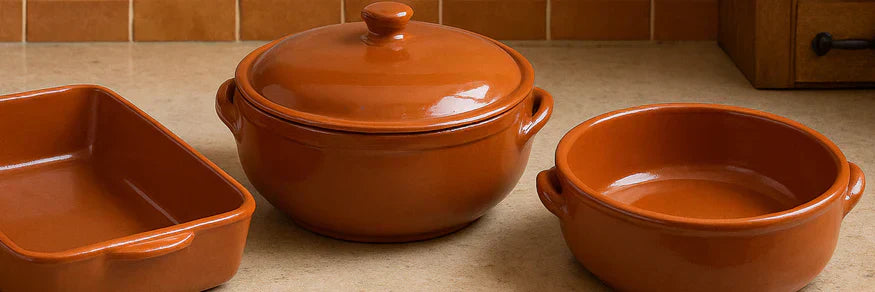
- Terracotta Clay: Classic reddish clay that breathes well, ideal for bread baking and slow cooking.
| Brand | Type of Clay | Firing Temperature | Special Features |
|---|---|---|---|
| Red Art Clay | Terracotta | Cone 04 (1945°F) | Porous, perfect for artisan bread pans |
| Black Mountain Clay | Black Clay | Cone 6 (2232°F) | Rich color, strong heat retention |
| Raku Studio | Raku Clay | Low fire (approx. 1800°F) | Unique textures, needs sealing for food use |
Artisan clays often require extra care in firing and glazing. Their unique properties allow for creative bakeware designs that stand out. These clays suit bakers wanting handcrafted and personalized kitchenware.
How To Choose Clay For Baking
Choosing the right clay for baking is essential to create durable, safe, and efficient bakeware. Clay varies in type, texture, and firing temperature, all of which affect its performance in the oven. Understanding how to select clay based on your baking needs ensures your bakeware lasts long and cooks food evenly. This guide helps you pick the best clay for your specific baking projects.
Intended Use And Recipe Type
Different recipes require different types of bakeware. The clay you choose must suit the food you plan to bake. For example, some clays are better for slow cooking, while others handle high heat quickly.
- Moist Recipes: Use clay that retains moisture well, such as terracotta. It keeps food tender and juicy.
- Dry or Crispy Foods: Opt for stoneware clay, which can create a crisp crust.
- High-Heat Baking: Fire clay that withstands higher temperatures, like porcelain or fire clay.
Here is a quick comparison of clay types and their best baking uses:
| Clay Type | Best For | Texture | Typical Use |
|---|---|---|---|
| Terracotta | Moist dishes, casseroles | Porous, rustic | Slow cooking, stews |
| Stoneware | Breads, pizzas, roasts | Dense, smooth | High heat baking |
| Porcelain | Delicate cakes, desserts | Fine, smooth | Even heat distribution |
| Fire Clay | High temperature baking | Very dense | Pizza stones, bread baking |
Match your recipe with the clay type for the best results. Consider how the clay affects heat and moisture.
Firing Temperature Considerations
Firing temperature is the heat at which clay is baked during production. It impacts the clay’s strength, porosity, and durability. Bakeware must withstand oven temperatures without cracking or absorbing too much moisture.
Common firing temperatures for bakeware clays include:
- Low Fire (Cone 06-04, 1828°F-1940°F): Produces porous clay like terracotta. Not ideal for very high oven temperatures.
- Mid Fire (Cone 5-6, 2167°F-2232°F): Results in denser, more durable stoneware. Good for most baking needs.
- High Fire (Cone 9-10, 2345°F-2381°F): Creates very hard porcelain or fire clay. Best for intense heat and long baking times.
Here is a simple guide to firing temperature and bakeware suitability:
| Firing Temperature | Clay Type | Oven Use | Durability |
|---|---|---|---|
| Low Fire (1828°F-1940°F) | Terracotta | Low to medium heat | Moderate, can chip |
| Mid Fire (2167°F-2232°F) | Stoneware | Medium to high heat | Strong, less porous |
| High Fire (2345°F-2381°F) | Porcelain, Fire Clay | High heat, long baking | Very strong, non-porous |
Choose clay with a firing temperature above your oven’s max heat. This prevents cracking and extends bakeware life.
Safety And Food Compatibility
Clay bakeware must be safe for cooking and food storage. Some clays contain materials that may leach harmful chemicals. Check for food-safe labels or certifications.
Important safety tips:
- Lead-Free Glaze: Use clay that is glazed without lead or harmful metals.
- Non-Porous Surface: Non-porous clays resist bacteria and stains better.
- Thermal Shock Resistance: Clay should handle quick temperature changes without cracking.
Test your bakeware before use:
- Inspect glaze for cracks or chips.
- Soak in water for 24 hours; no discoloration should appear.
- Use only clays labeled for food use.
Food-safe clays improve hygiene and prevent contamination. Use proper glazes and avoid homemade clays without testing.
Tips For Working With Bakeware Clay
Working with clay for bakeware requires care and skill to create durable, safe, and beautiful pieces. Clay must be handled correctly from start to finish to avoid cracks, warping, or unsafe cookware. These tips focus on preparing, shaping, and finishing bakeware clay to help you achieve the best results in your pottery projects.
Preparation And Conditioning
Proper preparation and conditioning of clay are crucial before shaping bakeware. Clay often arrives stiff or uneven in moisture content, which can cause problems during forming and firing.
- Wedge the clay: Use a kneading technique called wedging to remove air bubbles and make the clay consistent. This prevents cracking and explosions during firing.
- Keep the clay moist: Clay dries out quickly. Store unused clay in an airtight container or wrap it in plastic to maintain moisture.
- Test for plasticity: Roll a small piece into a coil and bend it. If it cracks easily, the clay is too dry and needs water added.
- Use the right clay type: For bakeware, choose stoneware or earthenware clay rated for high temperatures.
Below is a quick guide on clay moisture and preparation:
| Step | Purpose | Tips |
|---|---|---|
| Wedge Clay | Remove air bubbles | Use firm, rhythmic kneading |
| Check Moisture | Ensure plasticity | Add water if clay cracks |
| Store Properly | Prevent drying out | Wrap tightly in plastic |
Shaping And Designing
Shaping bakeware requires attention to detail and smooth techniques. The clay should be formed evenly to avoid weak spots.
- Start with a thick base: Bakeware needs strength, so keep walls and base at least 1/4 inch thick.
- Use simple shapes: Rounded edges and smooth curves reduce stress points during firing and use.
- Score and slip: Join pieces by scoring surfaces and applying slip (liquid clay) to bond securely.
- Work slowly: Shape the clay gently to prevent cracks or warping.
- Texture and design: Add textures with stamps or tools but avoid deep cuts that weaken the clay.
Use the following checklist during shaping:
- Check uniform thickness
- Ensure smooth joins
- Avoid air pockets
- Maintain clean edges
- Allow pieces to firm before trimming
Firing And Finishing
Firing bakeware clay correctly makes the piece durable and food-safe. Finishing touches improve function and appearance.
Bisque firing: Start with a low-temperature firing to harden the clay without glazing. This removes moisture and organic material.
Glazing: Use food-safe glazes rated for high heat. Apply thin, even coats to prevent drips and uneven firing.
Final firing: Fire the glazed piece at the temperature recommended for the clay and glaze. Slow heating and cooling reduce cracking.
Testing: Test your bakeware by heating it empty to check for cracks or warping before use.
| Firing Step | Temperature Range | Purpose |
|---|---|---|
| Bisque Fire | 1700°F – 1900°F (927°C – 1038°C) | Harden clay, remove moisture |
| Glaze Fire | 2100°F – 2300°F (1149°C – 1260°C) | Melt glaze, vitrify clay |
Handle finished bakeware carefully. Avoid sudden temperature changes to prevent thermal shock. Clean with gentle soaps and avoid harsh scrubbing.
Credit: nioteas.com
Care And Maintenance Of Clay Bakeware
Caring for clay bakeware is essential to keep it durable and safe for cooking. Clay pots and dishes add unique flavor and moisture to food but need special attention. Proper maintenance extends their life and keeps them looking good. This section explains simple ways to clean, store, and fix your clay bakeware.
Cleaning Techniques
Cleaning clay bakeware requires gentle methods to avoid damage. Clay is porous and can absorb water, so harsh soaps and scrubbing can cause problems.
- Cool down before washing: Let the clay bakeware cool to room temperature before cleaning. Sudden temperature changes can crack it.
- Use warm water: Rinse with warm water to remove food particles. Avoid hot water that may cause stress to the clay.
- Mild soap only: Use a small amount of mild dish soap. Strong detergents can weaken the clay’s surface.
- Soft sponge or cloth: Clean with a soft sponge or cloth. Avoid metal scrubbers or abrasive pads that scratch the surface.
- Remove stains naturally: For stubborn stains, make a paste of baking soda and water. Gently rub the paste on the stain, then rinse.
- Dry thoroughly: Air dry the bakeware completely before storing. Moisture left inside can cause mold or cracks.
| Cleaning Step | Do | Don’t |
|---|---|---|
| Temperature | Cool to room temp before washing | Wash while hot or cold to avoid cracking |
| Soap | Use mild dish soap | Use strong detergents or bleach |
| Scrubbing | Use soft sponge or cloth | Use metal scrubbers or abrasive pads |
Storage Recommendations
Storing clay bakeware properly prevents damage and keeps it ready for use. Clay can absorb moisture and odors if not stored well.
Keep clay bakeware dry and ventilated. Avoid sealed plastic bags or airtight containers that trap moisture.
- Store in a cool, dry place: Choose a shelf or cupboard away from humidity sources.
- Use breathable covers: Cover with a clean cloth or paper towel if needed to keep dust off.
- Stack carefully: Place soft padding like cloth between stacked pieces to prevent scratches or chips.
- Avoid heavy weight: Do not put heavy items on top, which can cause cracks or breakage.
- Check regularly: Inspect for moisture or mold and air out if necessary.
| Storage Tip | Why It Matters |
|---|---|
| Cool, dry place | Prevents moisture absorption and mold growth |
| Breathable covers | Protects from dust while allowing air flow |
| Soft padding between pieces | Stops scratches and chips from contact |
Repairing Chips And Cracks
Small chips and cracks can be repaired to extend the life of clay bakeware. Acting quickly reduces the risk of larger damage.
Use clay-safe materials for repairs. Avoid toxic glues or fillers that can contaminate food.
- Clean the damaged area: Remove dust and grease with warm water and mild soap. Dry fully.
- Use food-safe epoxy or clay repair kits: These products seal cracks and fill chips safely.
- Apply carefully: Follow package instructions and apply a thin, even layer.
- Let cure completely: Allow the repair to dry for the recommended time before use.
- Test for stability: Gently press the repaired spot to ensure it is firm.
For large cracks or breaks, replacement is safer than repair. Avoid using damaged bakeware for cooking hot or acidic foods.
| Repair Step | Important Notes |
|---|---|
| Cleaning | Ensure area is dry and grease-free |
| Material | Use food-safe epoxy or clay repair kits |
| Curing | Let dry fully before use |
Credit: www.luisa-paixao.us
Frequently Asked Questions
What Is The Best Clay Type For Bakeware?
The best clay for bakeware is stoneware clay. It is durable, heat-resistant, and retains heat evenly. Stoneware ensures even cooking and prevents cracking during baking. It is ideal for oven use and provides long-lasting bakeware quality.
Can Earthenware Clay Be Used For Bakeware?
Earthenware clay is not ideal for bakeware. It is porous and less heat-resistant than stoneware. Earthenware can crack or break under high oven temperatures. It’s better suited for decorative or low-heat uses, not for baking purposes.
How To Choose Clay For Oven-safe Bakeware?
Choose clay labeled as oven-safe and high-fire. Stoneware and porcelain clays are best for bakeware. Avoid low-fire clays as they may crack or break. Check the firing temperature and durability before selecting clay for bakeware.
Is Porcelain Clay Suitable For Baking Dishes?
Porcelain clay is suitable for baking dishes. It is strong, non-porous, and withstands high temperatures. Porcelain bakeware offers a smooth finish and even heat distribution. It’s a popular choice for elegant and durable oven-safe dishes.
Conclusion
Choosing the best clay for bakeware helps you cook better every time. Clay that holds heat well gives food a nice, even cook. It also keeps moisture in, making meals tastier. Simple, natural clay is easy to work with and lasts long.
Think about how you want to use your bakeware before picking clay. Good clay makes baking easier and more fun. Now, you know what to look for in clay bakeware. Time to enjoy baking with the best clay for your kitchen!

Hello, This is Annie Walker, a 38-year-old blogger, founder, and editor of Cookware Guider from NY, USA. I am a cookware fanatic and passionate cooker. I love to cook with different types of cooking appliances (example: all types of cookware, rice cookers, slow cookers, etc) almost every day in my kitchen. I love to share my experience with my readers in my blog. Also, I enjoy helping people to solve their problems through my website. You can follow me on Twitter & Pinterest. To know details about my blog please check the about us page.