
Choosing the right roasting pan can make a big difference in your kitchen. The material of a roasting pan affects how your food cooks, how easy it is to clean, and how long the pan lasts. With so many options available—stainless steel, aluminum, cast iron, ceramic, and more—it’s easy to feel confused about which is best. Let’s clear up the confusion and help you pick the best material for roasting pan based on real cooking needs, durability, and practical factors.
Why Material Matters In Roasting Pans
The material of your roasting pan isn’t just about looks. It affects how heat spreads, how crispy your food gets, and how easy it is to handle. When roasting meat, vegetables, or even making lasagna, you want a pan that heats evenly and stays strong over time. Some materials make pans lighter, others make them last longer, and some help with easy cleaning.
Most beginners overlook how the material changes the flavor and texture of roasted food. For example, a pan that heats too quickly can burn your meat, while one that heats slowly might leave it undercooked. Also, some materials react with food, especially acidic ingredients like tomatoes or lemon juice.
Common Roasting Pan Materials: Pros And Cons
Let’s look at the most popular materials used for roasting pans. Each has benefits and drawbacks. Here’s a quick overview:
| Material | Heat Conductivity | Durability | Ease of Cleaning | Common Use |
|---|---|---|---|---|
| Stainless Steel | Medium | High | Medium | General roasting |
| Aluminum | High | Medium | High | Budget pans |
| Cast Iron | Low | Very High | Low | Slow roasting |
| Ceramic | Low | Medium | High | Baking & roasting |
| Nonstick | Medium | Low | Very High | Easy cleanup |
Stainless Steel Roasting Pans
Stainless steel is a favorite for many cooks. It’s tough, doesn’t rust, and handles heat well. Most stainless steel pans are made with a layered base—sometimes called “tri-ply”—which mixes steel with aluminum or copper to improve heat distribution.
Benefits:
- Durable: Lasts for years, resists dents and scratches
- Non-reactive: Safe for acidic foods (tomatoes, vinegar)
- Oven safe: Handles high temperatures
Drawbacks:
- Medium heat conductivity: Not as fast as aluminum
- Can stick: Food may stick unless you use oil or parchment
Example: Many professional kitchens use stainless steel pans for roasting chicken, vegetables, or beef. They’re also dishwasher safe, which makes cleaning easier.
Aluminum Roasting Pans
Aluminum pans heat up quickly and evenly. They’re lightweight, affordable, and common in many households. However, pure aluminum can react with acidic foods, which may change the taste or even cause the pan to discolor.
Most high-quality aluminum pans are anodized—a process that makes them stronger and non-reactive.
Benefits:
- Excellent heat conductivity: Food cooks evenly
- Lightweight: Easy to handle and store
- Budget-friendly: Often cheaper than other materials
Drawbacks:
- Reactive: Pure aluminum reacts with acidic food
- Less durable: Can dent or warp with heavy use
Non-obvious insight: Some cooks use disposable aluminum pans for holiday meals, but these are not good for regular use. They are thin and can bend or leak.
:max_bytes(150000):strip_icc()/alr-cuisinart-roasting-pan-nosheen-babar-03-de0417ebce4343ff866b03eca02e1d17.jpeg)
Credit: www.allrecipes.com
Cast Iron Roasting Pans
Cast iron is famous for its strength and heat retention. Once it heats up, it keeps food warm for a long time. Some pans are enameled, which means they have a protective coating that prevents rust.
Benefits:
- Superior heat retention: Great for slow roasting and browning
- Extremely durable: Can last generations
- Versatile: Works on stove and in oven
Drawbacks:
- Heavy: Hard to lift, especially with food inside
- Requires care: Needs seasoning, can rust if not dried well
- Slow to heat: Takes time to warm up
Example: Cast iron pans are perfect for roasting pork or baking bread. They give a deep, rich flavor and crispy crust.
Ceramic Roasting Pans
Ceramic pans look beautiful and often double as serving dishes. They are non-reactive and easy to clean. Ceramic holds heat well but does not spread it as evenly as metal.
Benefits:
- Non-reactive: Safe for all foods
- Easy to clean: Often dishwasher safe
- Attractive: Can go from oven to table
Drawbacks:
- Fragile: Can crack if dropped or shocked by sudden temperature changes
- Slow heating: Not good for browning meat quickly
Non-obvious insight: Ceramic pans are ideal for lasagna or casseroles, but not for crisping up skin on poultry.
Nonstick Roasting Pans
Nonstick pans are made with a special coating that keeps food from sticking. They are popular for easy cleaning and simple roasting tasks.
Benefits:
- Easy cleanup: Food slides right off
- Good for delicate foods: Fish, vegetables
Drawbacks:
- Coating can wear: Scratches or peels after a few years
- Not for high heat: Coating may break down above 500°F
Example: If you roast vegetables often, a nonstick pan saves time. But don’t use metal utensils—they damage the coating.
Comparing Roasting Pan Materials For Real Cooking
To help you decide, here’s a direct comparison of how the main materials perform for roasting different foods:
| Material | Best For | Worst For | Care Required |
|---|---|---|---|
| Stainless Steel | Meat, poultry, vegetables | Sticky foods | Minimal |
| Aluminum | Quick roasting, veggies | Acidic foods | Hand wash |
| Cast Iron | Slow roasting, bread | Quick meals | Seasoning |
| Ceramic | Casseroles, lasagna | Crispy meat | Gentle |
| Nonstick | Delicate foods | High heat roasting | No metal tools |
What About Copper Roasting Pans?
Copper is a premium material. It’s rare for roasting pans because copper is expensive and needs regular polishing. Most copper pans are lined with stainless steel to prevent reaction with food. They heat extremely fast and evenly.
Benefits:
- Superior heat conductivity
- Beautiful appearance
Drawbacks:
- High cost
- Requires polishing
- Can react with food if not lined
Most home cooks skip copper because of the price and maintenance.
Choosing The Best Roasting Pan Material For Your Kitchen
Picking the best material depends on your cooking style and needs. Consider these factors:
- How often you roast: For frequent roasting, choose stainless steel or cast iron for durability.
- Type of food: If you roast vegetables or fish, nonstick or aluminum pans work well.
- Cleaning preference: If you want easy cleanup, choose nonstick or ceramic.
- Budget: Aluminum and nonstick pans are affordable; cast iron and copper cost more.
Another factor beginners miss is pan size. A crowded pan won’t roast properly, no matter the material. Choose a pan that fits your oven and leaves space around the food.
Real-life Example: Roasting Chicken
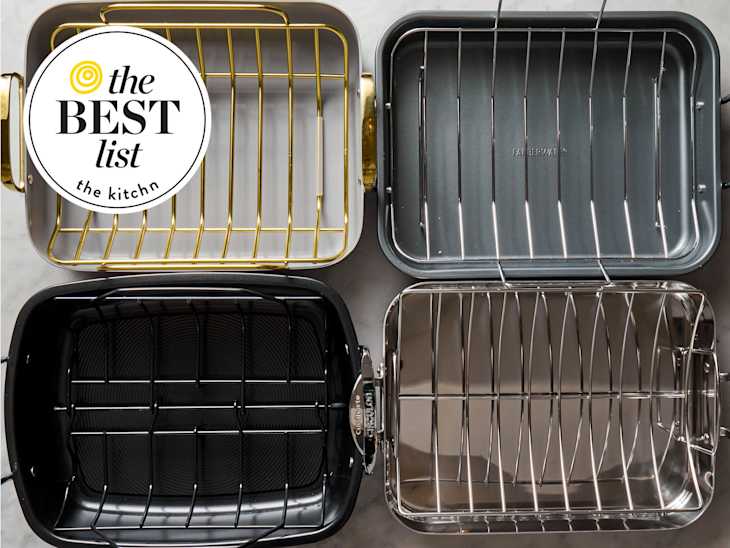
Let’s say you want to roast a whole chicken. Stainless steel pans are best because they handle high heat, don’t react with the juices, and are easy to deglaze for gravy. Cast iron also works but is heavy. Nonstick pans make cleanup simple, but you won’t get the crispy skin that stainless steel gives.
How Material Affects Cooking Results
Material isn’t just about durability or cleaning. It changes how your food cooks:
- Stainless steel gives a crisp texture and browning.
- Aluminum cooks quickly but may not brown as deeply.
- Cast iron gives deep flavor and slow cooking.
- Ceramic keeps food moist but won’t crisp it.
- Nonstick prevents sticking but limits browning.
Most experts recommend stainless steel for its balance between performance and durability. It’s also safer for all foods and lasts longer.
Credit: www.thekitchn.com
Common Mistakes When Choosing Roasting Pan Material
Many buyers make mistakes when picking a roasting pan. Here are a few to avoid:
- Buying thin pans: Thin aluminum or nonstick pans warp easily and cook unevenly.
- Ignoring oven size: Always measure your oven and pan before buying.
- Choosing the cheapest option: Cheap pans may save money but cost more in the long run due to replacement.
- Not checking handles: Heavy pans need strong, oven-safe handles.
- Overlooking care instructions: Some pans need seasoning or special cleaning.
Non-obvious insight: High-end pans are sometimes too heavy for practical use. If you have wrist or hand issues, lighter aluminum or ceramic pans may be easier.
Data: Roasting Pan Material Popularity
According to a 2023 kitchenware survey:
- Stainless steel: 38% of US households use
- Aluminum: 27%
- Cast iron: 15%
- Ceramic: 10%
- Nonstick: 10%
Stainless steel is the most trusted for everyday roasting.
Expert Tip: Layered Materials Are Best
Some pans mix materials, like stainless steel with an aluminum core. These “tri-ply” pans combine the best features—heat conductivity and durability. Look for pans labeled as “multi-layer” for professional results.
Cleaning And Maintenance By Material
Proper care makes your roasting pan last longer. Here’s a quick summary:
| Material | Cleaning | Maintenance |
|---|---|---|
| Stainless Steel | Dishwasher safe | Little required |
| Aluminum | Hand wash | Dry well |
| Cast Iron | Hand wash, no soap | Regular seasoning |
| Ceramic | Dishwasher safe | Protect from drops |
| Nonstick | Hand wash only | Avoid scratching |
For more details on pan care, see Serious Eats.
:max_bytes(150000):strip_icc()/sea-roasting-pans-cuisinart-multiclad-pro-stainless-steel-roasting-pan-taylor-murray-01-28e56b93e6ae4ea183808a0695b334db.jpeg)
Credit: www.seriouseats.com
Frequently Asked Questions
What Is The Safest Material For Roasting Pans?
Stainless steel is considered the safest. It doesn’t react with food and can handle high temperatures.
Does A Roasting Pan Need To Be Nonstick?
No, but nonstick pans make cleanup easier. However, they don’t brown food as well as stainless steel or cast iron.
Can I Use A Ceramic Pan For Roasting Meat?
Yes, but ceramic pans are better for moist cooking like casseroles. They won’t give meat a crispy skin.
How Do I Prevent Food From Sticking In My Roasting Pan?
Use oil, parchment paper, or a roasting rack. Stainless steel pans need some oil, while nonstick pans require less.
Should I Buy A Pan With A Rack?
A roasting rack lifts food above the pan, helping it cook evenly and stay crispy. It’s useful for meat and poultry.
Finding the best material for roasting pan depends on your kitchen, cooking habits, and personal needs. Stainless steel is a reliable choice, while cast iron gives rich flavor and durability. Aluminum and nonstick pans are lighter and easier to clean but may not last as long. Take your time to pick the material that fits your cooking style, and your roasted meals will taste better and be easier to prepare.

Hello, This is Annie Walker, a 38-year-old blogger, founder, and editor of Cookware Guider from NY, USA. I am a cookware fanatic and passionate cooker. I love to cook with different types of cooking appliances (example: all types of cookware, rice cookers, slow cookers, etc) almost every day in my kitchen. I love to share my experience with my readers in my blog. Also, I enjoy helping people to solve their problems through my website. You can follow me on Twitter & Pinterest. To know details about my blog please check the about us page.