
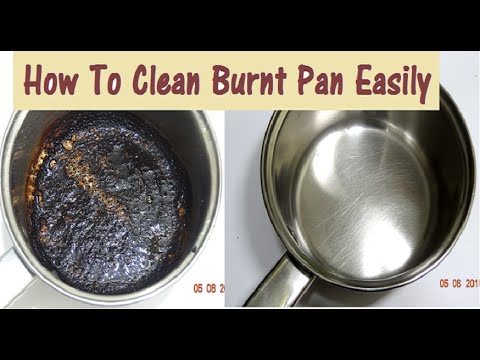
Have you ever burned a saucepan and felt stuck, wondering how to get it clean without scrubbing for hours? You’re not alone.
A burnt pan can be frustrating, but the good news is there’s a simple, effective way to bring it back to life. Imagine saving time, effort, and money by using easy tricks that really work. Keep reading, and you’ll discover the best way to clean a burnt saucepan so your cookware looks almost new again—and you won’t dread the cleanup anymore.
Credit: www.youtube.com
Assessing The Damage
Cleaning a burnt saucepan starts with assessing the damage. This step helps decide the best cleaning method. Not all burnt pans need the same care.
Check The Type Of Burn
Look closely at the burnt area. Burns can be:
- Light stains: Thin discoloration or small marks.
- Heavy burn: Thick black or brown layers stuck to the pan.
- Warped surface: Pan shape changed due to heat.
Identify The Pan Material
Different materials react differently to cleaning:
| Material | Cleaning Sensitivity | Common Issues |
|---|---|---|
| Stainless Steel | Durable | Burn marks, discoloration |
| Non-stick | Fragile coating | Coating damage, peeling |
| Cast Iron | Needs seasoning | Rust, burnt food |
Assess The Burnt Area Size
Measure the burnt part to plan cleaning effort:
- Small spots: Easier and faster to clean.
- Large burnt layers: Need longer soaking and scrubbing.
Check For Damage Beyond Burns
Look for cracks or warping. These can make cleaning useless:
- Cracks weaken the pan’s structure.
- Warping causes uneven cooking.
Credit: www.thekitchn.com
Safety Precautions
Cleaning a burnt saucepan can be tough and messy. Safety is very important during this process. Taking the right precautions protects your hands, eyes, and kitchen surfaces. It also helps avoid accidents with hot water or strong cleaning agents. Follow these safety tips to clean your burnt saucepan safely and effectively.
Wear Protective Gloves
Always wear rubber or silicone gloves to protect your skin. Cleaning burnt pans often requires scrubbing and using chemicals. Gloves prevent burns, cuts, and irritation from harsh cleaners. They also keep your hands dry and comfortable during cleaning.
Ensure Proper Ventilation
Open windows or use a fan to keep the kitchen air fresh. Some cleaning agents release fumes that can irritate your eyes and throat. Good airflow reduces the risk of breathing problems and keeps the space safe.
Avoid Using Sharp Objects
Do not use knives or metal scrapers to remove burnt residue. These can scratch or damage the pan’s surface. Instead, use soft scrubbers or plastic spatulas designed for cleaning cookware.
Handle Hot Water With Care
Let the saucepan cool before cleaning. Pouring cold water on a hot pan can cause warping or cracks. Use warm water for soaking and cleaning to avoid injury and damage.
Keep Cleaning Agents Away From Children And Pets
Store all chemicals in a safe place. Many cleaning products contain harmful substances. Keep them out of reach to prevent accidental ingestion or contact.
| Safety Step | Why It Matters |
|---|---|
| Wear gloves | Protects skin from burns and chemicals |
| Ventilate area | Prevents inhaling harmful fumes |
| Avoid sharp tools | Prevents pan damage and injury |
| Cool pan first | Prevents burns and pan warping |
| Store cleaners safely | Avoids accidents with children and pets |
Initial Soaking Techniques
Cleaning a burnt saucepan can feel tough. The burnt food sticks hard, making scrubbing difficult. Initial soaking techniques help loosen the burnt bits. Soaking softens the residue. This step saves time and effort during cleaning. Use simple ingredients found at home for soaking. Let’s explore easy and effective ways to soak your saucepan before cleaning.
Using Warm Water And Dish Soap
Fill the burnt saucepan with warm water. Add a few drops of dish soap. Let it soak for 30 minutes to 1 hour.
- Warm water softens the burnt food.
- Dish soap breaks down grease and grime.
- Soaking reduces scrubbing effort.
After soaking, use a sponge or soft brush to clean gently.
Soaking With Baking Soda And Vinegar
Baking soda and vinegar create a natural cleaner. This combo helps lift tough burnt stains.
- Sprinkle 2 tablespoons of baking soda on the burnt areas.
- Pour 1 cup of white vinegar into the pan.
- Wait for the bubbling to slow down.
- Add warm water to cover the burnt parts.
- Let it soak for 1 to 2 hours.
This method softens burnt food and removes odors.
Salt And Lemon Soak For Stubborn Burnt Spots
Salt and lemon work well for hard burnt stains. They act as gentle abrasives and natural cleaners.
| Ingredient | Purpose | Soaking Time |
|---|---|---|
| Coarse Salt | Scrubs burnt residue | 15-30 minutes |
| Lemon Juice | Breaks down stains, adds freshness | 15-30 minutes |
Steps:
- Sprinkle coarse salt over the burnt area.
- Pour lemon juice on top.
- Let it soak for 15 to 30 minutes.
- Scrub gently with a sponge after soaking.
Natural Cleaning Methods
Cleaning a burnt saucepan can seem tough, but natural cleaning methods make it easier and safer. These methods use simple household ingredients that break down burnt food and stains without harsh chemicals. They protect your saucepan’s surface and save money on special cleaners. Natural methods also reduce waste and keep your kitchen eco-friendly. Below are three effective ways to clean a burnt saucepan using common items found at home.
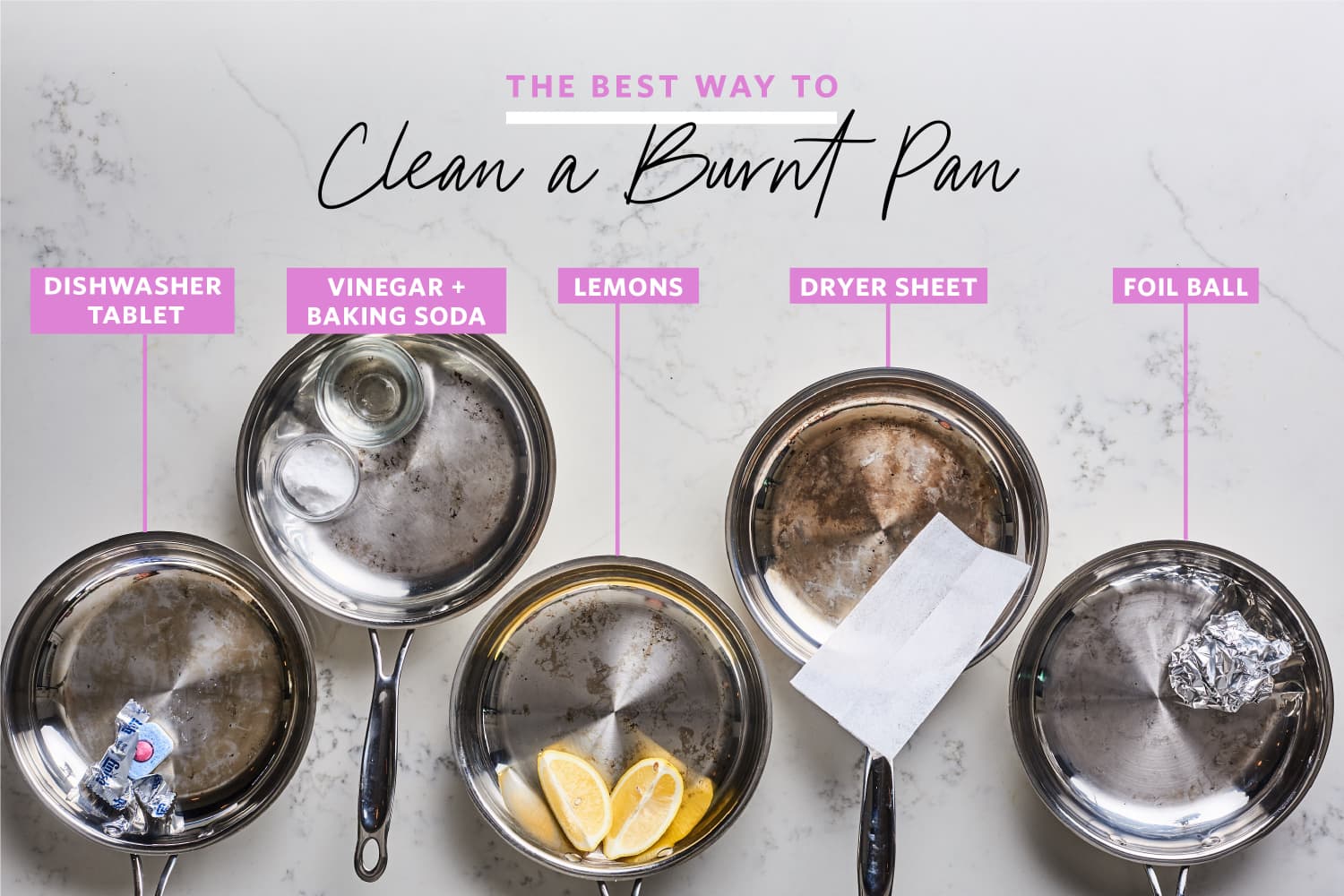
Baking Soda And Vinegar
Baking soda and vinegar create a powerful natural cleaner for burnt saucepans. Baking soda is mildly abrasive and helps scrub away burnt bits. Vinegar is acidic and breaks down stains and burnt residues. Together, they lift grime and make the pan shine again.
Steps to clean your burnt saucepan with baking soda and vinegar:
- Sprinkle 2-3 tablespoons of baking soda evenly over the burnt area.
- Pour 1 cup of white vinegar slowly over the baking soda. The mixture will fizz.
- Let it sit for 15-20 minutes so the fizzing works on the burnt stains.
- Use a soft sponge or brush to scrub gently in circular motions.
- Rinse the saucepan with warm water and dry it.
Benefits of this method:
- Safe and natural: No harsh chemicals involved.
- Effective for tough stains: The fizz breaks down burnt food easily.
- Easy to find ingredients: Baking soda and vinegar are common pantry items.
| Ingredient | Role | Quantity |
|---|---|---|
| Baking Soda | Abrasive scrub and stain remover | 2-3 tablespoons |
| White Vinegar | Acidic cleaner that dissolves burnt residue | 1 cup |
Lemon And Salt
Lemon and salt work together as a natural and gentle way to clean burnt saucepans. Lemon juice contains natural acid that softens burnt food. Salt acts as a scrub to remove stuck-on bits without scratching the pan.
How to clean using lemon and salt:
- Cut a lemon in half and squeeze the juice over the burnt areas of the saucepan.
- Sprinkle a generous amount of coarse salt on top of the lemon juice.
- Use the lemon halves as scrubbers. Rub the salt and juice over the burnt spots.
- Continue scrubbing for 5-10 minutes until the burnt food loosens.
- Rinse with warm water and wash normally with dish soap.
Advantages of lemon and salt cleaning:
- Natural and safe: No toxic chemicals, perfect for cookware.
- Fresh scent: Lemon leaves a nice smell after cleaning.
- Easy and quick: No need to wait for long soaking times.
Boiling Water And Dish Soap
Boiling water and dish soap is a simple but powerful way to clean burnt saucepans. Hot water softens the burnt food, and dish soap helps break down grease and residue. This method reduces the effort needed for scrubbing.
Follow these steps for cleaning:
- Fill the saucepan with enough water to cover the burnt areas.
- Add a few drops of dish soap to the water.
- Place the pan on the stove and bring the water to a boil.
- Let it boil for 10-15 minutes. The heat loosens burnt food.
- Turn off the heat and allow the water to cool slightly.
- Use a sponge or wooden spatula to scrape off the softened burnt parts.
- Empty the pan and wash normally with dish soap and warm water.
Benefits of boiling water and dish soap:
- Softens burnt food: Makes scrubbing easier and faster.
- Gentle on pans: Safe for non-stick and stainless steel cookware.
- Uses common kitchen items: No special products needed.
Commercial Cleaners
Cleaning a burnt saucepan can be tough, especially when food sticks hard. Commercial cleaners offer a simple solution. These products are made to break down burnt food and stains quickly. They save time and effort compared to home remedies. Many commercial cleaners work on different types of pans, including stainless steel, aluminum, and non-stick surfaces. Using the right cleaner can restore your saucepan’s shine and make cooking easier again.
Choosing The Right Product
Choosing a commercial cleaner depends on the saucepan’s material and the burn severity. Some cleaners are strong and best for tough burnt layers. Others are gentle, suitable for delicate pans.
- Stainless Steel Pans: Use cleaners with mild abrasives to avoid scratching.
- Non-stick Pans: Select non-abrasive, chemical-based cleaners that protect the coating.
- Aluminum Pans: Choose cleaners that do not cause discoloration or corrosion.
Check product labels for compatibility and safety instructions. Many commercial cleaners list the types of cookware they work best on. Some have natural ingredients, which may be safer for sensitive skin and the environment.
| Cleaner Type | Best For | Notes |
|---|---|---|
| Abrasive Creams | Stainless steel, cast iron | Use with care to avoid scratches |
| Spray Cleaners | Non-stick, aluminum | Non-abrasive, easy application |
| Gel Cleaners | All cookware types | Clings to surface for deep cleaning |
Always test a small area first. This step prevents damage or discoloration. Read reviews and ratings for product effectiveness. Choose a trusted brand with positive feedback.
Applying And Scrubbing Tips
Proper application improves cleaning results. Follow these steps to get the best outcome:
- Rinse the saucepan with warm water to remove loose debris.
- Apply the cleaner evenly on the burnt area. Use enough to cover all spots.
- Let the cleaner sit for the time suggested on the label. This softens burnt bits.
- Use a non-abrasive scrubber or sponge to scrub gently in circular motions.
- Rinse thoroughly with warm water to remove all cleaner residues.
- Dry the pan with a clean towel or air dry before storing.
Here are tips for effective scrubbing:
- Avoid steel wool on non-stick pans to prevent coating damage.
- Use gloves to protect skin from strong chemicals.
- Apply light pressure to avoid scratching the surface.
- Repeat the process for stubborn stains, but don’t overdo it.
Some commercial cleaners work best with warm water. Others need dry application before scrubbing. Follow instructions carefully to avoid damaging your saucepan.
Avoiding Damage To Your Saucepan
Cleaning a burnt saucepan can be tricky. The key is to remove burnt food without harming the pan’s surface. Avoiding damage to your saucepan keeps it working well for years. Using the wrong tools or cleaning too hard can cause scratches or dents. This section explains how to clean safely and keep your pan in top shape.
Safe Scrubbing Tools
Choosing the right scrubbing tool is important. Hard scrubbers can scratch the saucepan, especially if it has a non-stick coating. Soft tools clean well without damage. Here are some safe options:
- Non-abrasive sponges: Use soft sponges made for delicate surfaces.
- Plastic scrubbers: Good for stuck food but gentle on the pan.
- Microfiber cloths: Perfect for wiping and light scrubbing.
- Wooden or silicone spatulas: Help scrape off burnt bits without scratching.
Avoid these tools to protect your pan:
- Steel wool or metal scrubbers
- Hard-bristle brushes
- Harsh scouring pads
| Tool | Use | Damage Risk |
|---|---|---|
| Non-abrasive sponge | General cleaning | Low |
| Plastic scrubber | Stuck food removal | Low |
| Steel wool | Heavy scrubbing | High |
Tip: Test new scrubbers on a small area first. This avoids surprises.
Cleaning Frequency
Cleaning your saucepan often prevents burnt food buildup. Letting residue sit makes it harder to clean later. Follow these tips for proper cleaning frequency:
- Wash right after use: Rinse and clean as soon as the pan cools.
- Regular deep cleaning: Once a week, soak the pan in warm soapy water for 15-30 minutes.
- Remove stains quickly: Use baking soda paste for tough spots soon after cooking.
Regular cleaning stops burnt layers from forming. It also protects your pan’s surface and keeps food tasting fresh.
| Cleaning Step | Frequency | Purpose |
|---|---|---|
| Rinse and wipe | After every use | Remove fresh food residue |
| Soak in warm water | Weekly | Loosen stuck burnt bits |
| Baking soda treatment | As needed | Clean stubborn stains |
Remember: Frequent, gentle cleaning is better than harsh scrubbing later.
Preventing Future Burnt Residue
Burnt residue on saucepans not only spoils the taste of food but also makes cleaning difficult. Preventing future burnt residue saves time and keeps your cookware in good condition. Simple steps during cooking and regular care help avoid stubborn burns. This section explains how to stop burnt residue from forming.
Proper Cooking Techniques
Using the right cooking methods reduces the chance of burning food and damaging your saucepan. Controlling heat and stirring food often are key steps.
- Control the heat: Always use medium or low heat for sauces and delicate dishes. High heat causes food to stick and burn quickly.
- Preheat properly: Warm your pan before adding oil or ingredients. This helps cook food evenly and prevents sticking.
- Use enough liquid: Sauces and soups need enough water or broth to avoid drying out and burning.
- Stir frequently: Moving food around stops it from settling and burning on the pan’s bottom.
- Use the right pan size: Avoid overcrowding. Food cooks better without crowding, lowering burn risks.
Here is a simple table showing heat levels and their best uses:
| Heat Level | Best Use | Burn Risk |
|---|---|---|
| Low | Simmering sauces, gentle cooking | Very low |
| Medium | General cooking, frying, sautéing | Low |
| High | Boiling, searing meat | High if left unattended |
Following these tips helps keep your saucepan clean and your meals tasty.
Saucepan Maintenance
Proper care of your saucepan extends its life and prevents burnt residue buildup. Cleaning and storing your pan right are important.
- Clean after every use: Wash your pan soon after cooking. Avoid letting food dry and harden.
- Use gentle cleaning tools: Soft sponges or cloths prevent scratches. Avoid steel wool on non-stick pans.
- Season cast iron pans: Regular oiling keeps the surface smooth and less likely to stick or burn food.
- Check for damage: Replace pans with warped bottoms or damaged coatings. They cause uneven heating and burns.
- Store properly: Keep pans dry and stacked with padding to avoid scratches and damage.
Use this maintenance checklist to keep your saucepans in good shape:
- Wash immediately with warm soapy water
- Use non-abrasive scrubbers
- Dry thoroughly before storage
- Apply oil to cast iron after cleaning
- Inspect regularly for wear and tear
Maintaining saucepans well prevents burnt food residue and makes cooking easier and more enjoyable.
Credit: www.thekitchn.com
Frequently Asked Questions
How Do I Clean A Burnt Saucepan Naturally?
Use baking soda and vinegar to clean burnt saucepans naturally. Sprinkle baking soda on the burnt area, add vinegar, and let it fizz. Scrub gently with a sponge, rinse thoroughly, and repeat if needed. This method is effective and eco-friendly.
Can Lemon Help Remove Burnt Stains From Saucepans?
Yes, lemon juice helps remove burnt stains effectively. Squeeze lemon juice over the burnt areas and let it sit for 10 minutes. Scrub with a soft sponge and rinse well. Lemon’s natural acidity breaks down burnt residue and leaves a fresh scent.
What Household Items Remove Burnt Food From Pans?
Common household items like baking soda, vinegar, and salt remove burnt food efficiently. These ingredients act as mild abrasives and natural cleaners. Combine them with hot water, soak the pan, then scrub gently to restore your saucepan’s shine without harsh chemicals.
Is Boiling Water Useful For Cleaning Burnt Saucepans?
Boiling water softens burnt food stuck to saucepans. Fill the pan with water, bring it to a boil, and let it simmer for 10-15 minutes. This loosens burnt residues, making it easier to scrub and clean the pan thoroughly.
Conclusion
Cleaning a burnt saucepan does not have to be hard. Use simple ingredients like baking soda and vinegar. Let them sit for a while to loosen the burnt parts. Scrub gently with a soft sponge to avoid damage. Repeat if needed, but be patient.
Regular care helps keep your pans clean longer. This method saves money and time. You can enjoy cooking without worrying about tough stains. Try these steps, and your saucepan will look good again. Easy, safe, and effective.

Hello, This is Annie Walker, a 38-year-old blogger, founder, and editor of Cookware Guider from NY, USA. I am a cookware fanatic and passionate cooker. I love to cook with different types of cooking appliances (example: all types of cookware, rice cookers, slow cookers, etc) almost every day in my kitchen. I love to share my experience with my readers in my blog. Also, I enjoy helping people to solve their problems through my website. You can follow me on Twitter & Pinterest. To know details about my blog please check the about us page.