
Are you tired of guessing how long to cook your rice? You’re not alone.
Getting perfectly cooked rice can be tricky—it’s easy to end up with mushy or crunchy grains. But what if you knew exactly how much time you need to get fluffy, delicious rice every single time? You’ll discover simple tips that take the guesswork out of cooking rice.
By the end, you’ll feel confident and in control, saving time and enjoying better meals. Ready to master your rice-cooking skills? Let’s dive in!
Credit: omnivorescookbook.com
Factors Affecting Rice Cooking Time
Cooking rice is not always the same. Many things change how long it takes to cook rice perfectly. Knowing these factors helps you get soft and fluffy rice every time. It also stops rice from being too dry or too wet.
Type Of Rice
Different rice types need different cooking times. White rice cooks faster than brown rice. Brown rice has the outer layer, which takes longer to soften. Basmati and jasmine rice have unique textures and cook times too. Each type absorbs water differently, changing how long to cook.
Water-to-rice Ratio
The amount of water affects cooking time. More water makes rice softer but takes longer to cook. Less water cooks faster but may leave rice hard. Proper water-to-rice ratio is key for good texture. It varies with rice type and cooking method.
Cooking Method
Rice cooks differently in pots, rice cookers, or microwaves. A pot on the stove needs close attention and steady heat. Rice cookers use sensors to adjust time and temperature automatically. Microwaving rice cooks quickly but may require stirring. Each way changes cooking time.
Altitude And Temperature
High altitudes lower boiling points of water. Rice takes longer to cook in mountains or high places. Low temperatures slow cooking too. Adjust heat or cooking time to get rice just right. This factor is often overlooked but very important.

Credit: www.recipetineats.com
Cooking Times For Common Rice Varieties
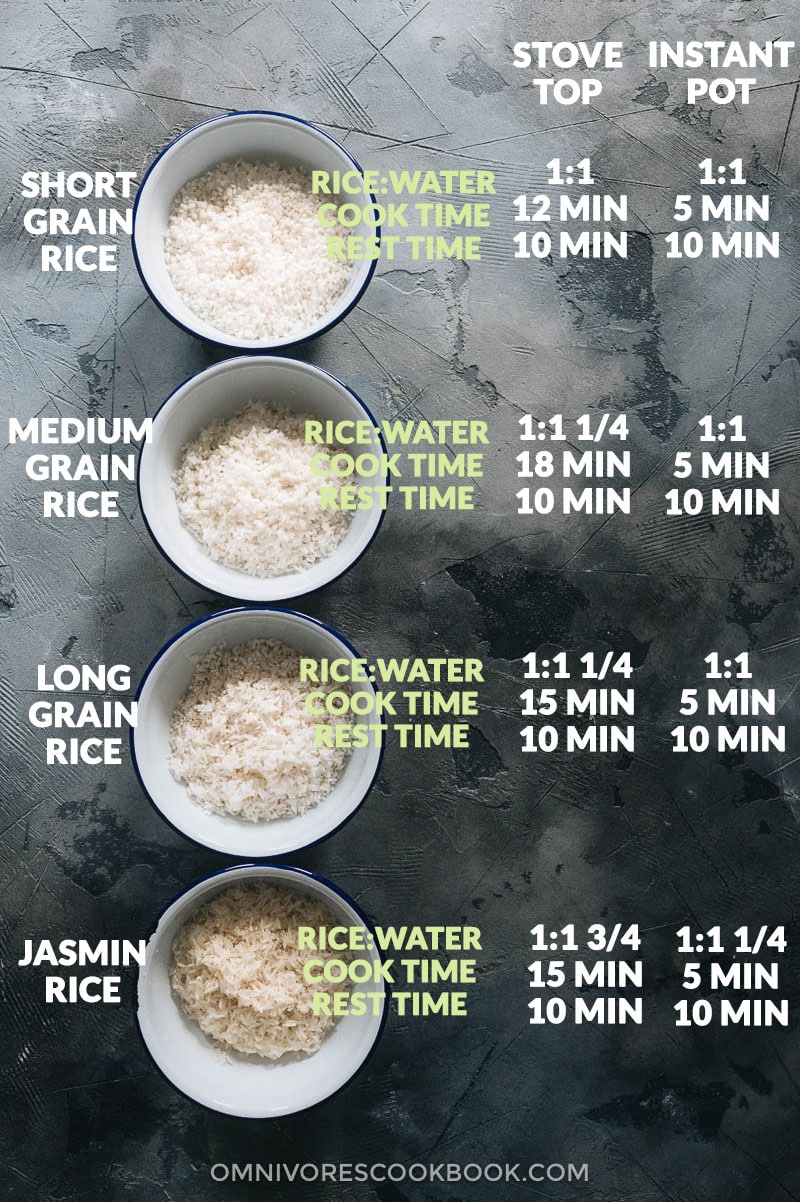
Rice is a staple food worldwide. Different types of rice need different cooking times. Knowing the right time helps avoid mushy or hard rice. Here is a guide to cooking times for popular rice varieties.
White Rice
White rice cooks quickly. It usually takes about 15 to 20 minutes. Use a medium heat and enough water to cover the rice. Let it simmer until the water is fully absorbed.
Brown Rice
Brown rice takes longer than white rice. It needs about 40 to 45 minutes to cook. The outer bran layer makes it tougher. More water and time help soften it properly.
Basmati Rice
Basmati rice cooks in about 15 to 20 minutes. It has a light, fluffy texture when cooked right. Rinse it before cooking to remove extra starch. Use a little less water than with white rice.
Jasmine Rice
Jasmine rice cooks in 15 to 18 minutes. It has a soft, sticky texture. Use a 1:1.5 rice-to-water ratio for best results. Keep the lid on while cooking to trap steam.
Wild Rice
Wild rice takes the longest to cook. It needs 45 to 60 minutes. The grains are tougher and have a chewy texture. Use plenty of water and simmer gently until tender.
Stovetop Cooking Tips
Cooking rice on the stovetop is simple but needs some care. Small changes in the process can change the texture and taste. Follow these tips to get fluffy and perfectly cooked rice every time. These methods work well for white, brown, or jasmine rice.
Boiling Method
Start by rinsing the rice under cold water to remove extra starch. Use a pot with enough water to cover the rice by about an inch. Bring the water to a full boil before adding the rice. Stir once to keep the grains separate. Boil the rice for 5 to 10 minutes, depending on the type of rice. Watch closely to avoid overcooking or burning.
Simmering Techniques
After boiling, reduce the heat to low to simmer the rice. Cover the pot with a tight-fitting lid. Let the rice cook gently without lifting the lid. Simmer times vary: white rice takes about 15 minutes, brown rice 40-45 minutes. Avoid stirring during simmering. This helps rice absorb water evenly and stay fluffy.
Using A Lid Properly
Use a lid that fits snugly on the pot to keep steam inside. Steam cooks the rice and makes it soft. Avoid lifting the lid while rice cooks. Each time you lift the lid, steam escapes and cooking time increases. After cooking, turn off the heat and let rice sit with the lid on for 5-10 minutes. This rest time lets the rice finish cooking and makes it fluffier.
Rice Cooker Guidelines
Rice cookers simplify cooking rice. They save time and effort. Following basic guidelines helps you get perfect rice every time. The right settings, correct water amounts, and regular maintenance matter a lot.
Choosing The Right Settings
Most rice cookers have multiple settings. Choose the setting based on rice type. White rice cooks faster than brown rice. Use the “white rice” setting for regular rice. Pick “brown rice” for healthier, whole grain rice. Some models offer settings for sushi or quick cook. Use the setting that fits your rice for best results.
Water Measurements
Water is key to good rice. Too much water makes rice mushy. Too little water leaves it hard. Use the measuring cup that comes with the cooker. Follow the water-to-rice ratio in the manual. Usually, one cup of rice needs about one to one and a half cups of water. Adjust water slightly based on rice type and personal taste.
Maintenance For Consistent Results
Clean your rice cooker after every use. Remove leftover rice and rinse the inner pot. Wipe the heating plate with a dry cloth. Avoid using harsh chemicals or abrasive sponges. Check the lid and steam vent for clogs. Keeping the cooker clean helps it work well and lasts longer.
Microwave Cooking Tips
Cooking rice in the microwave saves time and effort. Small steps make a big difference. Using the right container, power, and timing helps get fluffy rice. Follow these simple tips to improve your microwave rice cooking.
Container Selection
Use a microwave-safe container with a lid. Glass or ceramic works best. Avoid metal or plastic that is not microwave-safe. Choose a deep container to prevent spills. The lid keeps steam inside for even cooking.
Power Settings
Set the microwave to medium or 50% power. High power can burn the rice or dry it out. Medium power cooks rice gently and evenly. Adjust power based on your microwave’s strength.
Timing And Stirring
Cook rice for about 10 to 15 minutes. Stir halfway through to stop clumps. Check rice after 10 minutes and add water if needed. Let rice rest for a few minutes after cooking. This helps it absorb water and become fluffy.
Common Mistakes To Avoid
Cooking rice seems simple but many make mistakes. These errors change taste and texture.
Avoid these common mistakes to get perfect rice every time. Small changes bring big results.
Overcooking And Undercooking
Overcooked rice turns mushy and sticky. Undercooked rice stays hard and crunchy. Both spoil the dish.
Check rice near the end of cooking time. Stop cooking as soon as water is gone. Let it rest to finish steaming.
Incorrect Water Ratios
Too much water makes rice soggy. Too little water leaves it dry and undercooked. Measure water carefully.
Use the right ratio for your rice type. White rice needs less water than brown rice. Follow package instructions.
Lifting The Lid Too Often
Opening the lid lets steam escape. Steam cooks rice evenly and fully. Without steam, rice cooks unevenly.
Keep the lid closed during cooking. Only open once cooking time is over. This keeps rice fluffy and soft.
Enhancing Flavor And Texture
Enhancing the flavor and texture of rice can make a simple meal much better. Small changes before and after cooking can create big differences. These tips help rice taste fresh and look appealing. Simple methods can bring out the best in every grain.
Soaking Rice Before Cooking
Soaking rice softens the grains. It reduces cooking time and helps rice cook evenly. Soaking also removes extra starch. This makes rice less sticky and more fluffy. A soak of 20 to 30 minutes works well for most types.
Adding Salt And Oil
Adding salt boosts the rice’s natural flavor. A pinch of salt per cup of rice is enough. A small amount of oil or butter adds richness. It also helps keep rice grains separate and shiny. Use a teaspoon of oil to enhance texture.
Fluffing Techniques
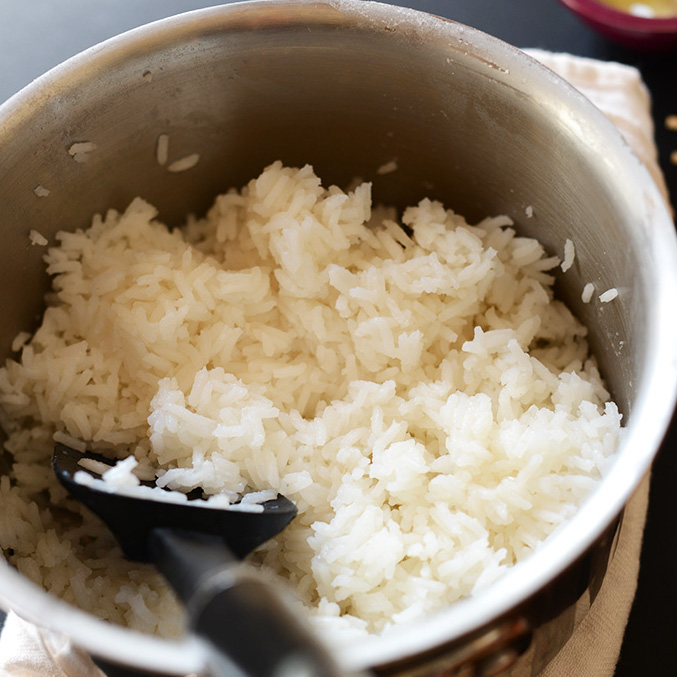
Fluffing rice right after cooking improves texture. Use a fork to gently separate grains. Avoid stirring too hard or the rice will become mushy. Fluffing lets steam escape and keeps rice light. Do it just before serving for best results.
Credit: minimalistbaker.com
Frequently Asked Questions
How Long Does White Rice Take To Cook?
White rice typically takes 15 to 20 minutes to cook. Cooking time varies by rice type and method. Use a 2:1 water-to-rice ratio for best results. Let it simmer on low heat until water is absorbed for fluffy rice.
What Is The Cooking Time For Brown Rice?
Brown rice usually takes 40 to 45 minutes to cook. It needs more water and longer simmering due to the bran layer. Use a 2. 5:1 water-to-rice ratio. Simmer on low heat and let it rest before serving.
How Long Should Basmati Rice Be Cooked?
Basmati rice cooks in about 15 to 20 minutes. Rinse thoroughly before cooking to remove excess starch. Use a 1. 5:1 water-to-rice ratio. Cook on low heat until water is absorbed and grains are tender.
Does Cooking Rice Time Vary By Method?
Yes, cooking time varies by method. Stovetop takes 15-45 minutes, while rice cookers streamline the process. Instant pots reduce cooking time significantly. Always adjust water ratio and heat based on the method for perfect rice.
Conclusion
Cooking rice does not take long if you follow the right steps. Different types of rice need different cooking times. White rice cooks faster than brown rice. Using the right water amount helps the rice cook evenly. Checking the rice while cooking prevents overcooking or burning.
A little patience leads to fluffy, tender rice every time. Simple tips make your rice cooking easier and more reliable. Enjoy your meal with perfectly cooked rice that tastes great. Keep practicing, and you will get better at timing your rice cooking.

Hello, This is Annie Walker, a 38-year-old blogger, founder, and editor of Cookware Guider from NY, USA. I am a cookware fanatic and passionate cooker. I love to cook with different types of cooking appliances (example: all types of cookware, rice cookers, slow cookers, etc) almost every day in my kitchen. I love to share my experience with my readers in my blog. Also, I enjoy helping people to solve their problems through my website. You can follow me on Twitter & Pinterest. To know details about my blog please check the about us page.