
Choosing the right cookware set can change the way you cook—and enjoy your meals. But with so many options out there, it’s easy to feel overwhelmed and unsure where to start.
What materials should you pick? How many pieces do you really need? And which set will fit your cooking style and budget? This guide will help you cut through the noise and find cookware that makes your kitchen work easier and more fun.
Keep reading, and discover how to choose cookware sets that match your needs perfectly.

Credit: www.amazon.com
Types Of Cookware Sets
Choosing the right cookware set can improve your cooking experience. Different types offer unique benefits. Knowing each type helps you pick the best fit for your kitchen. Here are some popular cookware sets you should know about.
Stainless Steel Sets
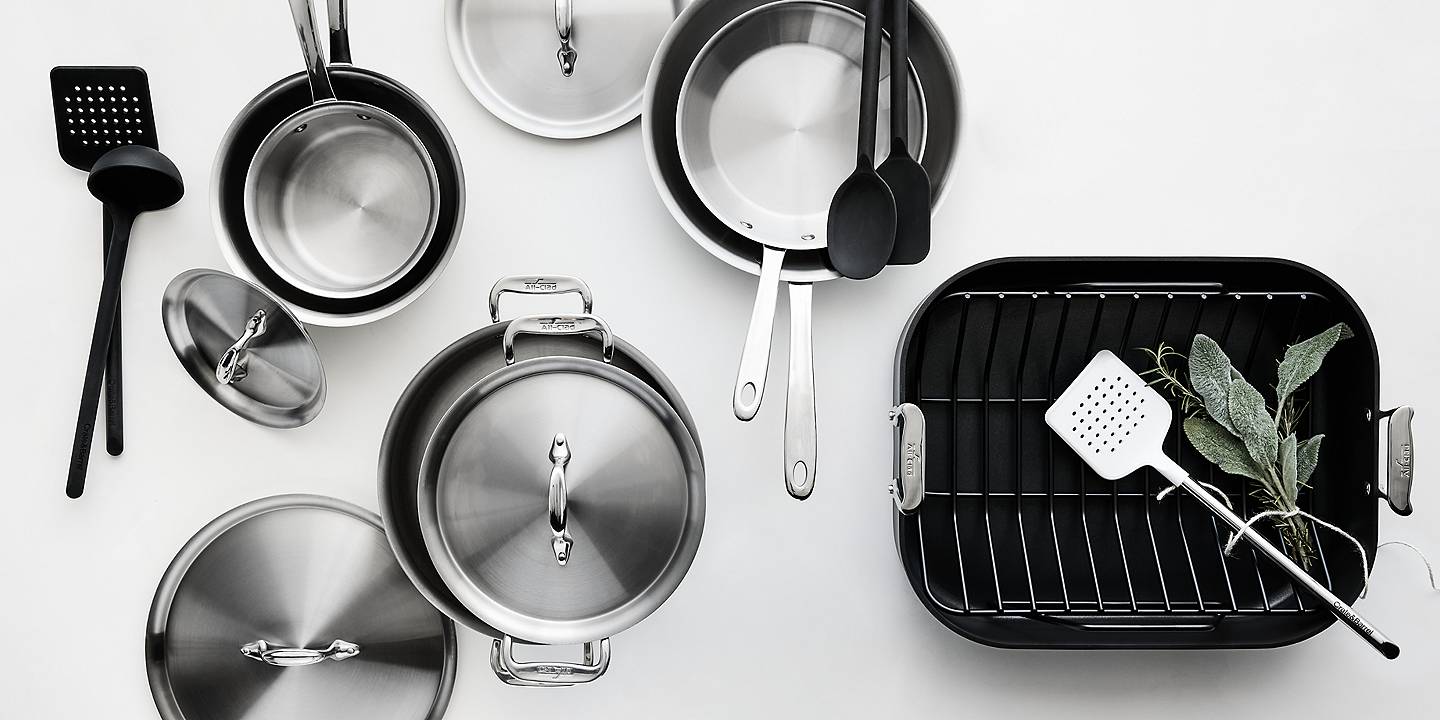
Stainless steel sets are durable and resist rust. They heat evenly and are good for searing and frying. These sets often have a shiny finish and look great in any kitchen. They do not react with acidic foods, keeping flavors pure.
Nonstick Sets
Nonstick sets make cooking and cleaning easier. Food slides off quickly, which means less oil is needed. These sets work well for eggs, pancakes, and delicate foods. They require gentle utensils to avoid scratches.
Cast Iron Sets
Cast iron sets are heavy but last for decades. They retain heat well and cook food evenly. These sets can go from stove to oven. They develop a natural nonstick surface with use and seasoning.
Copper Sets
Copper sets are excellent heat conductors. They respond quickly to temperature changes. These sets give you precise control over cooking. Copper needs polishing to keep its shine and often comes lined with another metal for safety.
Ceramic Sets
Ceramic sets are non-reactive and eco-friendly. They offer a natural nonstick surface without chemicals. These sets heat evenly and are easy to clean. Ceramic cookware is good for slow cooking and simmering.
Key Materials And Their Benefits
Choosing the right cookware set means understanding the materials inside. Each material has unique benefits that affect cooking results. Knowing these helps pick the best set for your kitchen needs.
Durability And Heat Conductivity
Durability means how long the cookware lasts without damage. Stainless steel is very durable and resists scratches and dents. Cast iron is tough and can last a lifetime with care. Copper heats quickly and evenly but needs more care to avoid damage. Good heat conductivity ensures food cooks evenly and avoids hot spots.
Maintenance And Cleaning
Some materials need more cleaning effort. Non-stick cookware is easy to clean but can scratch easily. Stainless steel requires scrubbing but is dishwasher safe. Cast iron needs seasoning and hand washing to keep its surface. Copper should be polished often to keep its shine. Choose based on how much time you want to spend cleaning.
Reactivity With Food
Cookware materials react differently with food. Aluminum can react with acidic foods, changing taste and color. Stainless steel is non-reactive and safe for all foods. Cast iron adds iron to food, which can be good for health. Copper reacts with acidic foods and needs lining. Non-reactive materials keep food flavors pure and fresh.
Essential Cookware Pieces
Choosing the right cookware pieces is key for a good kitchen setup. Essential cookware helps cook many types of meals with ease. A well-rounded set saves time and effort. It also makes cooking more enjoyable and efficient.
Focus on pieces that suit daily cooking needs. Pick versatile items that work for different recipes. Quality and size matter for the best results. Let’s explore the essential cookware pieces you need.
Frying Pans And Skillets
Frying pans and skillets are must-haves. Use them for frying, searing, and browning food. They heat quickly and cook evenly. Non-stick pans work well for eggs and pancakes. Cast iron skillets offer great heat retention. Choose sizes between 8 to 12 inches for flexibility.
Saucepans And Sauté Pans
Saucepans are perfect for boiling and making sauces. They have tall sides to hold liquids safely. Sauté pans have wider bases and low sides. They are great for frying and sautéing vegetables. Both pans come with lids to trap heat and moisture. Pick a medium size for most tasks.
Stockpots And Dutch Ovens
Stockpots are large pots for soups, stews, and pasta. Their size allows cooking big meals easily. Dutch ovens are heavy pots that keep heat well. Use them for slow cooking and braising. Both are useful for meal prep and family dinners. A 6 to 8-quart size works well for many cooks.
Specialty Items
Specialty cookware includes griddles, woks, and steamers. Griddles help cook pancakes and sandwiches evenly. Woks are ideal for stir-frying and fast cooking. Steamers keep vegetables and fish moist and healthy. These pieces add variety and expand cooking options. Choose based on your favorite recipes.
Considerations For Cooking Style
Choosing the right cookware set depends a lot on your cooking style. Different styles need different materials and designs. This helps make cooking easier and more enjoyable. Knowing what you cook most helps pick the best set for your kitchen.
Everyday Cooking Needs
For daily meals, choose cookware that heats evenly and cleans easily. Non-stick pans are great for quick cooking and less oil use. Medium-sized pots and pans work well for most recipes. Durable materials like stainless steel can handle frequent use. These sets save time and effort in busy kitchens.
Baking And Roasting
Baking needs cookware that can go in the oven safely. Look for pans with good heat distribution. Heavy-duty metal or glass bakeware works best. Roasting pans with high sides catch drips and keep food juicy. Oven-safe handles add convenience and safety.
High-heat Cooking
High-heat cooking requires pots and pans that resist warping. Cast iron and stainless steel are strong choices. They hold heat well and create a nice sear. Avoid non-stick pans for very high temperatures. These materials last long and improve flavors.
Health-conscious Choices
Choose cookware that avoids harmful chemicals. Ceramic and stainless steel are good for safe cooking. They don’t release toxins or metals into food. Non-stick pans with safe coatings also work well. These choices support a healthy lifestyle and clean eating.
Cookware Compatibility With Cooktops
Choosing the right cookware depends on how well it works with your cooktop. Different cooktops need different types of pots and pans. Using the wrong cookware can cause uneven cooking or even damage your stove. Understanding which cookware matches your cooktop helps you cook better and lasts longer.
Gas And Electric Stoves
Gas stoves use an open flame to heat cookware. Almost any type of cookware works on gas stoves. Pans with thick, flat bottoms spread heat evenly. Thin pans may cause hot spots and burn food.
Electric stoves have a flat or coil heating element. Cookware with a flat bottom fits best on electric stoves. This helps the pan touch the heating surface fully. Avoid warped or rounded pans because they heat unevenly.
Induction Cooktops
Induction cooktops use magnetic fields to heat cookware. Only pans with magnetic bottoms work on induction stoves. Cast iron and some stainless steel pans are good choices. Aluminum, copper, and glass cookware usually do not work unless they have a magnetic base.
Test cookware with a magnet. If it sticks well, the pan fits induction cooktops. Induction heating is fast and energy-efficient.
Oven Safe Options
Some cookware can go from stove to oven. Check the handles and lids for oven safety. Metal handles usually work in ovens, but plastic ones may melt.
Oven-safe cookware adds cooking flexibility. You can brown food on the stove, then finish in the oven. Always check the maximum oven temperature the cookware can handle.
Budget And Longevity
Choosing cookware sets involves balancing your budget with the product’s durability. Spending wisely helps avoid frequent replacements and saves money over time. Understanding this balance ensures you get the best value for your money.
Cost Vs. Quality
Cheap cookware may seem like a good deal but often wears out fast. Quality sets cost more but last longer and perform better. Consider how often you cook and what you need. A higher price often means stronger materials and better heat distribution.
Warranty And Brand Reputation
Check the warranty before buying cookware. A solid warranty shows the brand trusts its product. Brands with good reputations often offer reliable customer service. This can save you money if repairs or replacements are needed.
Long-term Investment
Think of cookware as a long-term purchase. Spending more now can reduce costs later. Durable cookware saves time and energy. Choose sets that can handle daily cooking without damage. This approach supports better cooking and saves money over years.
Safety And Non-toxic Features
Safety matters most when choosing cookware sets. Cooking tools touch your food directly. Chemicals can mix into meals if cookware is not safe. Non-toxic materials keep your family healthy. Knowing about harmful substances helps you pick safe pots and pans.
Pfoa And Ptfe Concerns
PFOA and PTFE are chemicals used in some non-stick coatings. PFOA can be harmful if it gets into food or air. Many brands now avoid PFOA to keep cookware safer. PTFE, also known as Teflon, can release toxic fumes if overheated. Cookware with stable, low-heat PTFE is safer to use. Choose sets that clearly state they are PFOA-free.
Lead And Cadmium-free Options
Lead and cadmium are toxic metals sometimes found in cheap cookware. These metals can cause serious health problems. Cookware labeled as lead-free and cadmium-free is safer. Many reputable brands test their products for these metals. Ceramic and stainless steel sets often avoid lead and cadmium. Always check product details to ensure no harmful metals are present.
Maintenance Tips For Longevity
Taking care of your cookware sets can make them last a long time. Proper maintenance keeps your pots and pans in good shape. This saves money and keeps cooking safe and easy. Follow simple tips to clean, store, and protect your cookware.
Good habits help maintain the quality and look of your sets. Learn easy ways to keep them working well for years.
Cleaning Techniques
Clean cookware right after use to avoid stains. Use warm water and mild dish soap. Avoid harsh scrubbers that can scratch surfaces. For stuck food, soak the pan before washing. Dry completely to stop rust or spots. Stainless steel and non-stick pans need gentle care. Cast iron requires seasoning after cleaning to keep its coating.
Storage Recommendations
Store cookware in a dry place to prevent rust. Stack pans with soft cloths or paper towels in between. Use hooks or racks for hanging pots and pans. Avoid piling heavy items on top of delicate cookware. Keep lids separate or upside down to save space. Proper storage stops scratches and dents.
Avoiding Common Damages
Do not use metal utensils on non-stick surfaces. Avoid sudden temperature changes to prevent warping. Do not overheat empty pans, as this damages coatings. Use the right size burner for each pan. Avoid dropping or banging cookware to prevent dents. Follow manufacturer instructions for care and use.
Where To Buy Cookware Sets
Choosing where to buy cookware sets affects your cooking experience and budget. Different stores offer various brands, prices, and styles. Knowing the best places helps you find the right set fast. Here are three common options to consider.
Online Retailers
Online shops offer a wide range of cookware sets. You can compare prices and read user reviews easily. Many sites provide detailed product descriptions and photos. Shopping online saves time and lets you explore many brands. Watch for deals and free shipping offers.
Specialty Kitchen Stores
Specialty stores focus on kitchen tools and cookware. Staff there can give expert advice and show product features. You can see and touch the cookware before buying. These stores often carry high-quality or unique brands. Prices may be higher, but quality is usually better.
Second-hand Options
Second-hand shops and online marketplaces offer used cookware sets. These options save money and reduce waste. Check the condition carefully before purchasing. Some sets may need repairs or cleaning. This choice suits those on a tight budget or who want vintage styles.

Credit: www.t-fal.com
Credit: www.crateandbarrel.com
Frequently Asked Questions
What Materials Are Best For Cookware Sets?
Stainless steel and non-stick are popular for durability and easy cleaning. Cast iron offers excellent heat retention. Choose based on your cooking style and maintenance preference.
How Many Pieces Should A Cookware Set Include?
A basic set usually has 5 to 7 pieces, including pots and pans. Larger sets offer more variety but can be costly. Select a set that fits your cooking needs and kitchen space.
Are Non-stick Cookware Sets Safe To Use?
Yes, modern non-stick cookware is safe if used properly. Avoid overheating and metal utensils to prevent coating damage. Always check for PFOA-free labels for added safety.
How Do I Maintain My Cookware Sets?
Clean cookware with gentle sponges and avoid harsh abrasives. Season cast iron regularly to maintain its surface. Proper care extends the life and performance of your cookware.
Conclusion
Choosing the right cookware set makes cooking easier and more fun. Think about your needs, budget, and cooking style first. Pick materials that suit your kitchen and health preferences. Check for durability and ease of cleaning to save time. Remember, a good set fits your daily cooking habits well.
Take your time to compare options before buying. This helps you enjoy cooking and create tasty meals every day.

Hello, This is Annie Walker, a 38-year-old blogger, founder, and editor of Cookware Guider from NY, USA. I am a cookware fanatic and passionate cooker. I love to cook with different types of cooking appliances (example: all types of cookware, rice cookers, slow cookers, etc) almost every day in my kitchen. I love to share my experience with my readers in my blog. Also, I enjoy helping people to solve their problems through my website. You can follow me on Twitter & Pinterest. To know details about my blog please check the about us page.