
Choosing the right cookware can change the way you cook and enjoy your meals. When you have good pots and pans, cooking becomes easier, faster, and more fun.
But with so many options out there, how do you know which cookware is best for you? You’ll discover simple tips to pick cookware that fits your needs, saves you money, and makes your kitchen a place you love. Keep reading, and you’ll never have to guess which pots and pans to buy again.

Credit: www.all-clad.com
Types Of Cookware Materials
Choosing the right cookware material affects cooking results, durability, and ease of use. Different materials offer unique heat conduction, maintenance needs, and price points. Understanding the main types helps pick cookware that fits your kitchen and cooking style.
Stainless Steel
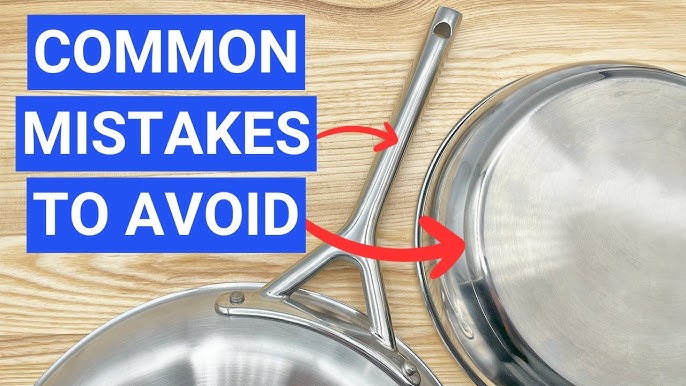
Stainless steel cookware is popular for its durability and sleek look. It does not react with acidic or alkaline foods, making it safe for all recipes. This material resists rust and scratches, so it lasts long with proper care.
Stainless steel pans often have an aluminum or copper core inside. This core improves heat distribution, preventing hot spots that burn food.
- Pros: Durable, non-reactive, dishwasher safe.
- Cons: Poor heat conductor without core, can stick if not used properly.
| Feature | Description |
|---|---|
| Heat Conductivity | Medium, improved with aluminum or copper core |
| Maintenance | Easy to clean, dishwasher safe |
| Best For | Sauteing, searing, boiling |
Ideal for everyday cooking. Use oil or butter to avoid sticking. Avoid overheating empty pans to protect the finish.
Cast Iron
Cast iron cookware is known for excellent heat retention and even cooking. It works well on stovetops, ovens, and even campfires. Cast iron can last generations if seasoned and cared for properly.
This material needs seasoning, a layer of oil baked into the surface. Seasoning creates a natural nonstick coating and prevents rust.
- Pros: Retains heat well, very durable, adds iron to food.
- Cons: Heavy, requires regular seasoning, can rust if not dried properly.
Use cast iron for frying, baking, and slow cooking. Avoid acidic foods like tomatoes, which may damage the seasoning. Clean with warm water and a brush, then dry immediately.
Nonstick
Nonstick cookware features a smooth coating that prevents food from sticking. It needs less oil, making it great for low-fat cooking. This type is best for delicate foods like eggs and fish.
Nonstick pans heat quickly but can be damaged by high heat and metal utensils. Use wooden or silicone tools to protect the surface.
- Pros: Easy to clean, requires less oil, ideal for sticky foods.
- Cons: Coating can wear off, not suitable for high heat, less durable.
Nonstick cookware is lightweight and affordable. Replace when the surface shows scratches or peeling. Hand wash gently to extend life.
Copper
Copper cookware offers superior heat conduction and precise temperature control. It heats up quickly and cools down fast, perfect for recipes that need careful heat adjustments.
Pure copper reacts with acidic foods, so most copper pans have a lining of stainless steel or tin inside.
- Pros: Excellent heat control, beautiful appearance.
- Cons: Expensive, requires polishing, reacts with certain foods.
Copper is often used by professional chefs. Clean with special copper cleaners to keep the shine. Avoid dishwasher use to prevent dulling.
Aluminum
Aluminum cookware is lightweight and affordable. It heats quickly but unevenly, which can cause hot spots. To fix this, many aluminum pans come with a nonstick or anodized coating.
Anodized aluminum is harder and more resistant to scratches and corrosion. It is also non-reactive, unlike raw aluminum.
- Pros: Good heat conductor, light, budget-friendly.
- Cons: Can react with acidic foods if uncoated, dents easily.
Choose anodized aluminum for durability and safety. Avoid cooking acidic meals in plain aluminum pans to prevent metal taste.
Credit: www.youtube.com
Consider Cookware Construction
Choosing good cookware means paying close attention to its construction. Cookware construction affects heat distribution, durability, and cooking performance. Understanding different materials and designs helps pick the best set for your kitchen. This guide explains key factors to consider under cookware construction.
Clad Vs. Core
Clad and core cookware refer to how layers of metal are used in the pan’s design. Both types aim to improve heat conduction and cooking results.
Clad cookware has layers of metal bonded together, usually around an aluminum or copper core. The outer layers protect the core and provide durability.
- Commonly, stainless steel is used on the outside for strength and ease of cleaning.
- The core, often aluminum or copper, helps heat spread evenly.
- Examples: Tri-ply or 5-ply pans.
Core cookware means the core material sits inside a base or bottom layer only, not the whole pan.
- Heat spreads from the core but less evenly on the sides.
- Usually cheaper but may have hot spots.
- Good for simple cooking tasks.
| Feature | Clad Cookware | Core Cookware |
|---|---|---|
| Heat Distribution | Even across base and sides | Mostly at base only |
| Durability | High, layered metals protect core | Moderate, core only at base |
| Price | Higher | Lower |
Pick clad cookware for consistent heat and long life. Core cookware suits budget needs and simple use.
Thickness And Weight
Thickness and weight influence how cookware performs and feels. Thicker pans hold heat better but weigh more.
Thick cookware offers:
- Stable heat, less chance of burning food
- Good for frying, searing, and slow cooking
- Heavier to handle
Thin cookware heats quickly and cools fast, but can cause uneven cooking.
- Lightweight and easy to move
- Better for boiling or quick cooking
- May warp at high heat
Weight can affect comfort and safety. Heavy pans may tire your wrist. Light pans may feel cheap or flimsy.
| Thickness | Pros | Cons |
|---|---|---|
| Thick (4mm+) | Even heat, durable | Heavy, expensive |
| Medium (2-4mm) | Balanced heat and weight | May warp with heavy use |
| Thin (<2mm) | Light, quick heating | Uneven heat, less durable |
Try to find a balance between thickness and weight that fits your cooking style and strength.
Handles And Lids
Handles and lids impact the ease and safety of using cookware. Both should be sturdy and comfortable.
Handles come in various materials like stainless steel, silicone, or plastic.
- Stainless steel handles are strong and oven-safe but can get hot.
- Silicone or rubber handles stay cool but may not work in ovens.
- Check if handles are securely riveted or welded to the pan.
Lids help trap heat and moisture. Good lids fit tightly and are easy to lift.
- Glass lids let you watch food without lifting.
- Metal lids are durable and oven-safe.
- Look for lids with steam vents for pressure control.
Consider cookware with ergonomic handles that feel good in your hand. Heavy lids can tire your wrist. Lightweight lids offer better control.
| Feature | Stainless Steel Handles | Silicone/Rubber Handles |
|---|---|---|
| Heat Resistance | High (may get hot) | Low (stay cool) |
| Oven Safety | Yes | No |
| Grip Comfort | Moderate | High |
Match Cookware To Your Cooking Style
Choosing the right cookware depends a lot on your cooking style. Different meals need different heat levels and cooking times. Picking cookware that fits your style saves time and improves food taste. This section helps you match cookware to how you cook daily.
Searing And Browning
Searing and browning need high heat and even cooking. Cast iron and stainless steel pans work best. They hold heat well and create a nice crust on meat or vegetables.
Key features for searing cookware:
- High heat tolerance
- Good heat retention
- Non-reactive surface
Cast iron pans are heavy but keep heat steady. Stainless steel pans heat quickly and offer a smooth surface.
| Cookware Type | Pros | Cons |
|---|---|---|
| Cast Iron | Excellent heat retention, durable | Heavy, needs seasoning |
| Stainless Steel | Heats fast, easy to clean | Can cause food to stick |
Non-stick pans are not ideal for searing because they can’t handle very high heat. Use oils with high smoke points like avocado or canola oil. This helps achieve a perfect brown crust.
Slow Cooking
Slow cooking means cooking food at low temperatures for a long time. It suits tough cuts of meat and soups. Cookware must distribute heat evenly and keep moisture.
Best cookware for slow cooking:
- Enameled cast iron pots
- Ceramic slow cookers
- Heavy-duty stainless steel pots
Enameled cast iron keeps heat steady and is easy to clean. Ceramic slow cookers work well for unattended cooking. Stainless steel pots with thick bottoms prevent hot spots.
| Cookware Type | Heat Retention | Ease of Use |
|---|---|---|
| Enameled Cast Iron | High | Easy |
| Ceramic Slow Cooker | Moderate | Very Easy |
| Stainless Steel | Moderate | Moderate |
Slow cooking needs cookware with lids that seal well. This keeps moisture inside and flavors rich. Thick walls and heavy lids help maintain steady heat for hours.
Quick Stir-frying
Quick stir-frying uses very high heat with constant movement of food. Lightweight pans that heat fast and cool quickly are ideal. Woks and non-stick skillets suit this style.
Best cookware features for stir-frying:
- Lightweight for easy tossing
- Good heat conduction
- Sloped sides for quick stirring
Carbon steel woks heat fast and are durable. They develop a natural non-stick surface over time. Non-stick pans reduce oil use and make cleaning easy but may wear out faster.
| Cookware Type | Weight | Heat Speed |
|---|---|---|
| Carbon Steel Wok | Light | Fast |
| Non-stick Skillet | Light to Medium | Moderate |
Use oils that handle high heat like peanut or sunflower oil. Stir-frying needs quick heat changes; choose cookware that responds fast to temperature shifts.
Check Compatibility With Cooktops
Choosing the right cookware means checking if it works well with your cooktop. Cooktops heat differently, so not all pots and pans fit every type. Knowing your cooktop type helps pick cookware that heats evenly and lasts long. It also keeps cooking safe and easy. This section explains how to choose cookware based on common cooktop types.
Gas And Electric
Gas and electric cooktops are popular in many kitchens. They use open flames or electric coils to heat cookware. Most cookware works on these cooktops, but some materials perform better.
- Gas cooktops need cookware with a flat bottom and sturdy build. This helps the pot sit stable on the grates.
- Electric coil cooktops need smooth, flat-bottom cookware for full contact with the heating element.
Best materials for gas and electric cooktops:
| Material | Pros | Cons |
|---|---|---|
| Stainless steel | Durable, resists rust, easy to clean | Uneven heat unless layered base |
| Cast iron | Great heat retention, sturdy | Heavy, needs seasoning, slower to heat |
| Aluminum | Lightweight, heats quickly | Can warp, scratches easily |
Flat bottoms improve heat transfer on electric coils. On gas, thicker cookware holds heat longer. Avoid warped pans that wobble or touch heating elements unevenly. This can cause hot spots and burn food.
Induction
Induction cooktops use magnets to heat pots directly. They need cookware with magnetic material on the bottom. Not all cookware works on induction.
Check cookware compatibility by:
- Looking for an induction symbol on the bottom (coil icon).
- Testing with a magnet. If it sticks well, the cookware works.
Common induction-compatible materials:
- Cast iron
- Magnetic stainless steel
- Some enameled steel cookware
Materials not suitable for induction:
- Pure aluminum
- Copper without magnetic base
- Glass or ceramic
Induction heats faster and more evenly. Cookware must have a flat, smooth base for good contact. Some induction pans have layered bottoms with magnetic stainless steel.
| Feature | Why It Matters |
|---|---|
| Flat bottom | Ensures full contact with cooktop surface |
| Magnetic base | Needed to generate heat on induction cooktops |
| Heavy weight | Prevents sliding and improves stability |
Oven-safe Options
Cookware that moves from stovetop to oven adds cooking flexibility. It lets you brown food on the stove, then finish in the oven. Not all cookware can handle oven heat safely.
Look for these oven-safe cookware features:
- Heat-resistant handles: Metal handles usually work well in ovens.
- Temperature limits: Check the maximum oven temperature the cookware can handle.
- Material durability: Cast iron and stainless steel are usually oven-safe.
Non-stick pans may have lower oven temperature limits. Plastic or wooden handles can melt or get damaged. Some cookware brands clearly mark oven-safe status and temperature.
Here is a quick guide to common cookware oven safety:
| Cookware Type | Oven Safe? | Max Temperature | Notes |
|---|---|---|---|
| Cast Iron | Yes | 500°F (260°C) or more | Handles oven and stovetop heat |
| Stainless Steel | Yes | 500°F (260°C) or more | Avoid plastic handles |
| Non-stick | Sometimes | 350°F to 500°F (177°C to 260°C) | Check brand limits |
| Aluminum | Yes | 400°F (204°C) | Some warp at high heat |
Choose cookware that matches your cooking style and oven use. Proper oven-safe cookware improves meal variety and ease.
Evaluate Maintenance And Durability
Choosing good cookware means thinking about more than just looks and price. Evaluating maintenance and durability helps pick pots and pans that last long and stay easy to use. Durable cookware saves money and time by avoiding frequent replacements. Maintenance affects how often you clean and how careful you must be while cooking. Cookware that needs little care and resists damage fits daily use better. Consider how to clean it, if it scratches easily, and how long it usually lasts. These factors guide you to the right choice for your kitchen.
Cleaning Tips
Cleaning cookware properly keeps it working well and looking new. Different materials need different care. Here are key tips:
- Non-stick pans: Use soft sponges and mild soap. Avoid metal scrubbers to protect the coating.
- Stainless steel: Can handle tougher scrubbing. Use baking soda or vinegar for stubborn stains.
- Cast iron: Avoid soap. Clean with hot water and a brush. Dry immediately to prevent rust.
- Copper: Needs special polish to keep shine. Hand wash only.
Check if the cookware is dishwasher safe. Some pieces lose coating or warp in dishwashers. Hand washing often extends life.
| Cookware Type | Cleaning Method | Notes |
|---|---|---|
| Non-stick | Soft sponge, mild soap | No metal tools, hand wash recommended |
| Stainless Steel | Scrubbing with baking soda or vinegar | Dishwasher safe, but hand wash for longer life |
| Cast Iron | Hot water, brush, no soap | Dry immediately, oil after washing |
| Copper | Hand wash, polish | Avoid dishwasher, keep shiny |
Proper cleaning prevents stains, rust, and damage. It keeps food tasting good and cookware safe.
Scratch Resistance
Scratch resistance shows how well cookware handles daily use. Scratches can ruin coatings and make cleaning hard. Materials vary in how easily they scratch.
Here are common types and their scratch resistance:
- Hard-anodized aluminum: Very good scratch resistance, lasts longer.
- Stainless steel: Resists scratches well but can dull over time.
- Non-stick coatings: Scratch easily if metal tools are used.
- Ceramic coatings: Moderate resistance, but can chip if dropped.
Use wooden, silicone, or plastic utensils to protect non-stick and ceramic surfaces. Avoid stacking cookware without protection. Use pan protectors or cloths between pieces.
Scratch resistance affects both appearance and cooking quality. Scratched surfaces may lose non-stick power or rust faster.
| Material | Scratch Resistance | Care Tips |
|---|---|---|
| Hard-anodized Aluminum | High | Use soft utensils, avoid stacking without protection |
| Stainless Steel | Medium to High | Can use metal utensils, clean properly |
| Non-stick Coatings | Low | Use wooden or silicone tools only |
| Ceramic Coatings | Medium | Handle carefully, avoid drops |
Longevity
Longevity means how long cookware stays useful and safe. High-quality cookware lasts years or even decades. Lower quality may wear out quickly.
Factors that affect longevity include:
- Material: Stainless steel and cast iron last longest.
- Coating quality: Non-stick coatings wear off faster.
- Care and use: Proper cleaning and gentle use extend life.
Cast iron can improve with time if well-seasoned. Stainless steel resists rust and dents. Non-stick pans may need replacement every few years.
Choose cookware that fits your cooking style. A few good pieces that last years save money over time.
| Cookware Type | Expected Lifespan | Maintenance Needed |
|---|---|---|
| Cast Iron | 20+ years | Seasoning, avoid soap, dry well |
| Stainless Steel | 10-15 years | Regular cleaning, avoid harsh chemicals |
| Non-stick | 3-5 years | Gentle cleaning, avoid metal tools |
| Ceramic | 5-7 years | Handle carefully, avoid thermal shock |
Good maintenance improves lifespan. Avoid overheating and dishwasher damage. Cookware that lasts longer gives better value.
Set A Budget And Prioritize Features
Choosing good cookware starts with setting a clear budget and knowing which features matter most. Cookware varies widely in price, material, and quality. A smart approach helps avoid overspending or buying items that don’t fit your cooking needs. Prioritize key pieces first, then decide how much to invest based on your kitchen habits and goals. This method keeps your purchase practical and efficient.
Essential Pieces
Focus on cookware pieces that you will use every day. These essentials form the foundation of your kitchen and serve most cooking tasks. Start with:
- Skillet/Frying Pan: Ideal for frying, sautéing, and searing. Choose a size between 8 to 12 inches.
- Saucepan: Perfect for boiling, simmering, and making sauces. A 2 to 3-quart size usually works well.
- Stockpot: Used for soups, stews, and boiling pasta. A 6 to 8-quart pot covers most needs.
Additional pieces like a sauté pan, grill pan, or a Dutch oven can be added later, based on your cooking style.
Think about the material too. Stainless steel offers durability and even heat. Non-stick pans make cooking and cleaning easy but may wear out faster. Cast iron heats well and lasts forever but requires maintenance.
Here’s a simple table to help decide what to buy first:
| Cookware Piece | Primary Use | Recommended Size |
|---|---|---|
| Skillet/Frying Pan | Frying, Sautéing, Searing | 8-12 inches |
| Saucepan | Boiling, Simmering, Sauces | 2-3 quarts |
| Stockpot | Soups, Stews, Boiling | 6-8 quarts |
Investment Vs. Budget Sets
Decide between investing in high-quality cookware or buying budget-friendly sets. Both have pros and cons. High-end cookware usually lasts longer and performs better. Budget sets cost less upfront but may wear out quickly.
Consider how often you cook and what you cook most. Frequent cooking justifies spending more on durable materials. Casual cooks may prefer affordable sets for occasional use.
Here’s a quick comparison:
| Aspect | Investment Cookware | Budget Sets |
|---|---|---|
| Price | High | Low to Moderate |
| Durability | Lasts for years | May wear out in months |
| Performance | Even heat, better cooking | Varies, may have hot spots |
| Maintenance | May require care (e.g., seasoning) | Often easier to clean |
Mixing both types can work well. Buy a few key pieces as investments and fill the rest with budget options. This balances quality and cost.
Warranty And Brand Reputation
Check warranties and brand reputation before buying cookware. A good warranty shows the company trusts its product. It also protects your purchase against defects or damage.
Look for brands known for quality and customer service. Reading reviews and asking for recommendations helps find reliable options. Some brands offer lifetime warranties, which can add peace of mind.
Important points to consider:
- Warranty Length: Longer warranties usually mean better quality.
- Coverage: See what problems are covered, such as warping or coating damage.
- Customer Support: Responsive service helps solve issues faster.
Here’s a checklist to evaluate cookware brands:
- Does the brand offer a warranty?
- How long is the warranty period?
- Are there clear terms and conditions?
- What do customer reviews say about product durability?
- Is the brand known for good customer service?
Choosing trusted brands with solid warranties reduces risk and ensures better satisfaction.
Credit: www.omichef.com
Frequently Asked Questions
What Materials Make The Best Cookware?
Stainless steel, cast iron, and non-stick aluminum are top cookware materials. Each offers durability, heat distribution, and ease of cleaning. Choose based on your cooking style and maintenance preference for the best results in your kitchen.
How Do I Choose Non-stick Cookware Safely?
Look for non-stick pans free of PFOA and PTFE chemicals. Opt for ceramic or anodized aluminum coatings. These are safer, durable, and provide excellent food release without harmful fumes during cooking.
Does Cookware Size Affect Cooking Quality?
Yes, cookware size impacts heat distribution and food capacity. Using the right pan size ensures even cooking and prevents burning. Match pan size to your burner and meal portion for optimal results.
Can I Use Cookware On All Stovetops?
Not all cookware suits every stovetop. Induction cooktops require magnetic materials like stainless steel or cast iron. Gas and electric stovetops work with most cookware types, but check compatibility for best performance.
Conclusion
Choosing the right cookware makes cooking easier and more fun. Think about what you cook most and how often you use your pots and pans. Pick materials that suit your stove and fit your budget. Good cookware lasts long and cooks food evenly.
Take care of your cookware by cleaning it gently and storing it well. With the right pieces, meals will taste better and cooking feels less like work. Simple steps lead to better kitchen results. Enjoy cooking with cookware that fits your needs perfectly.

Hello, This is Annie Walker, a 38-year-old blogger, founder, and editor of Cookware Guider from NY, USA. I am a cookware fanatic and passionate cooker. I love to cook with different types of cooking appliances (example: all types of cookware, rice cookers, slow cookers, etc) almost every day in my kitchen. I love to share my experience with my readers in my blog. Also, I enjoy helping people to solve their problems through my website. You can follow me on Twitter & Pinterest. To know details about my blog please check the about us page.