
You’ve just finished a great meal outdoors, but now comes the less fun part—cleaning your camping cookware. If you don’t clean it properly, your pots and pans can get stained, sticky, or even damaged.
But don’t worry—cleaning your camping cookware doesn’t have to be a hassle. With the right tips and tricks, you can keep your gear spotless and ready for your next adventure. Keep reading, and you’ll learn simple, effective ways to clean your cookware, no matter where you are.
Your next camping trip will be easier and more enjoyable with cookware that looks and works like new.
Choosing The Right Cleaning Supplies
Choosing the right cleaning supplies helps keep camping cookware in good shape. Clean tools work better and last longer. Dirt and food stuck on pots and pans can cause damage over time. Using proper cleaning items makes the task easier and faster. It also protects the environment around your campsite.
Essential Tools For Camping Cookware
A soft sponge or cloth is perfect for washing cookware. Avoid harsh scrubbers that can scratch surfaces. A small brush helps clean tight spots or corners. Biodegradable soap is gentle and removes grease well. Carry a lightweight scrub pad for tough stains. A collapsible basin or container makes rinsing simple. Bring a towel to dry pots and pans quickly.
Eco-friendly Cleaning Options
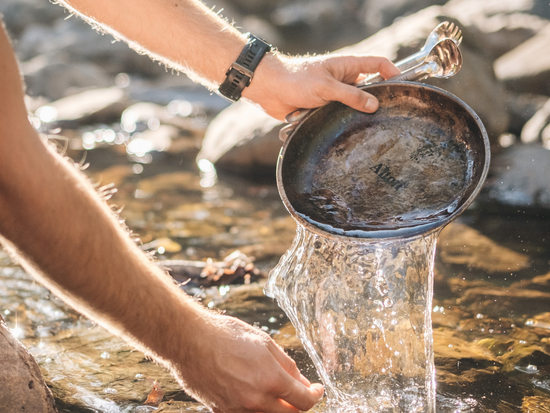
Natural soaps break down easily and harm less nature. Baking soda works as a mild scrub to remove stuck food. Vinegar cleans and deodorizes without chemicals. Use warm water to help dissolve grease faster. Avoid harsh chemicals that pollute lakes and rivers. Rinse cookware away from water bodies to protect wildlife. Choose products labeled biodegradable for safe camping.
Credit: altongoods.com
Pre-cleaning Steps
Cleaning camping cookware starts with important pre-cleaning steps. These steps make washing easier and protect your cookware. Taking time to prepare your pots, pans, and utensils helps remove tough food bits. It also prevents stains and keeps your gear in good shape for many trips.
Follow these simple methods before using soap or scrubbing. They save effort and water during cleaning. Pre-cleaning is quick and keeps your camping kitchen fresh and ready.
Removing Food Residue
Start by scraping off leftover food. Use a plastic spatula or a soft brush. Avoid metal tools that can scratch the surface. Gently remove stuck pieces without damaging the cookware. This step reduces the mess and makes washing faster.
After scraping, rinse the cookware with warm water. This helps loosen any remaining crumbs. Check all corners and edges for hidden bits. Removing all food residue stops bad smells and mold growth.
Soaking Techniques
Fill your cookware with warm water and a little soap. Let it soak for 10 to 20 minutes. Soaking softens dried food and grease. This makes scrubbing easier and prevents scratches.
For tough stains, add a small amount of baking soda. It acts as a gentle cleaner without harming the cookware. After soaking, use a soft sponge to clean surfaces. Rinse well with clean water to remove soap and dirt.
Cleaning Methods For Different Materials
Camping cookware comes in many materials. Each type needs a special way to clean it. Using the right method keeps your pots and pans safe. It also helps them last longer. Below are easy tips for cleaning different cookware materials.
Aluminum And Stainless Steel Care
Aluminum and stainless steel pots are common for camping. Wash them soon after cooking. Use warm water and mild soap. Avoid strong scrubbers that can scratch the surface. A soft sponge works best. For stuck-on food, soak the cookware first. Rinse well to remove soap. Dry with a clean cloth to stop water spots.
Non-stick Surface Tips
Non-stick cookware needs gentle cleaning. Use only soft sponges or cloths. Avoid metal brushes or harsh scrubbers. Warm water and mild soap clean the surface well. Never use abrasive cleaners. Check for scratches before use. Scratched non-stick pans may lose their coating. Handle carefully to keep the surface smooth.
Cast Iron Maintenance
Cast iron requires special care to stay rust-free. Avoid soap for regular cleaning. Use hot water and a stiff brush instead. Dry it immediately after washing. Apply a thin layer of oil to the surface. This keeps the pan seasoned and non-stick. Store cast iron in a dry place. Re-season if it looks dull or rusty.
Credit: www.reddit.com
Dealing With Stubborn Stains And Odors
Camping cookware often collects tough stains and strong odors. These marks can spoil your cooking experience. Cleaning them takes patience and the right methods. Using harsh chemicals is not always safe or eco-friendly. Natural solutions offer a safer way to refresh your gear. They clean well without damaging your pots and pans.
Natural Stain Removers
Baking soda works wonders on stubborn stains. Make a paste with water and apply it to the spots. Let it sit for 10 minutes before scrubbing gently. White vinegar also helps break down tough residues. Soak the cookware in vinegar for 15 minutes. Then scrub with a soft sponge to lift stains. Lemon juice brightens and cleans metal surfaces. Rub lemon slices on the stained areas. Rinse with warm water for a fresh shine.
Odor Elimination Tricks
Strong smells can linger in your camping pots and pans. Baking soda neutralizes odors effectively. Sprinkle some inside the cookware, then add warm water. Let it soak overnight to remove bad smells. Coffee grounds absorb odors too. Place dry grounds in the cookware and cover. Leave it for a few hours before cleaning. Fresh air and sunlight help as well. Dry cookware outside to fade unwanted odors naturally.
Drying And Storage Tips
Drying and storing camping cookware correctly extends its life and keeps it safe. Proper care prevents damage and makes your gear ready for the next trip. This section covers easy steps to dry and store your cookware well.
Preventing Rust And Mold
Always dry cookware thoroughly after washing. Use a clean towel to wipe off water. Leave items in open air for a few hours to dry fully. Avoid storing wet cookware in bags or containers.
Check for hidden moisture in lids and handles. Moist areas cause rust and mold quickly. Use silica gel packets or a small cloth inside pots to absorb moisture. Regularly inspect cookware for any signs of rust or mold.
Compact Storage Solutions
Stack pots and pans by size to save space. Nest smaller items inside larger ones. Place paper towels or cloth between pieces to avoid scratches. Use a drawstring bag or a hard case for protection.
Label containers or bags for easy access. Keep your cookware with other camping gear in a dry, cool place. Avoid storing near strong smells or chemicals. Compact storage helps keep your camping kit organized and ready.

Credit: www.oxo.com
Cleaning Cookware On The Trail
Cleaning cookware on the trail can be a challenge. Water is often limited, and soap is not always available. Keeping your pots and pans clean helps avoid bad smells and insect attraction. It also keeps your meals tasting fresh. Here are simple ways to clean your camping cookware with little water and natural materials.
These methods work well for quick cleanups after cooking. They keep your gear ready for the next meal and reduce the impact on nature.
Minimal Water Techniques
Use as little water as possible to save this precious resource. Scrape off food scraps with a spatula or a piece of bark. Wipe your cookware with a damp cloth or a small sponge. This cleans most residue without using much water.
Boil water in your pot, then pour it out to loosen stuck food. Swirl the water inside and dump it. Repeat if needed. This method uses heat instead of soap to clean your cookware.
Using Campfire Ash And Sand
Campfire ash works as a natural scrub. Mix ash with a little water to make a paste. Rub this paste on your cookware with a cloth or your hand. It removes grease and stuck food.
Sand can also scrub away dirt. Use fine sand from a safe, clean area. Rub the sand gently on your pots and pans. Rinse with a small amount of water if available.
Both ash and sand are eco-friendly and biodegradable. They help clean without harmful chemicals. Always avoid using these near water sources to protect the environment.
Frequently Asked Questions
How Do I Clean Camping Cookware Without Soap?
Use hot water and a scrub brush to remove food. For tough stains, use baking soda paste. Avoid harsh chemicals to keep cookware safe and durable.
Can I Use Dishwasher To Clean Camping Cookware?
Most camping cookware is not dishwasher safe. Hand washing preserves coatings and materials. Always check manufacturer instructions before using a dishwasher.
What’s The Best Way To Dry Camping Cookware?
Dry cookware immediately after washing. Use a clean towel or air dry in a well-ventilated area. This prevents rust and mold growth.
How To Remove Burnt Food From Camping Pots?
Soak pots in warm water with baking soda for 30 minutes. Scrub gently with a non-abrasive sponge. Repeat if necessary for stubborn residue.
Conclusion
Cleaning camping cookware keeps it ready for every adventure. Use gentle scrubbing and mild soap to protect the surface. Dry all items well to avoid rust or damage. Store your gear in a clean, dry place to keep it fresh.
Regular care saves money and makes cooking outdoors easier. Small steps like these help your cookware last longer. Enjoy your meals knowing your tools are clean and safe. Simple habits make camping more fun and stress-free. Keep your cookware clean, and your trips will go smoothly.

Hello, This is Annie Walker, a 38-year-old blogger, founder, and editor of Cookware Guider from NY, USA. I am a cookware fanatic and passionate cooker. I love to cook with different types of cooking appliances (example: all types of cookware, rice cookers, slow cookers, etc) almost every day in my kitchen. I love to share my experience with my readers in my blog. Also, I enjoy helping people to solve their problems through my website. You can follow me on Twitter & Pinterest. To know details about my blog please check the about us page.