
You know how important it is to keep your cookware clean when you’re out in the wild. But without running water or a full kitchen, it can feel like a challenge.
What if you could learn simple, effective ways to clean your pots and pans while backpacking? Imagine having fresh, ready-to-use cookware every meal without wasting time or energy. You’ll discover easy tips and tricks that make cleaning your cookware quick and hassle-free—so you can focus more on your adventure and less on scrubbing.
Keep reading to find out how you can keep your gear spotless, no matter where you are.
Credit: blog.outdoorherbivore.com
Choose The Right Cookware
Choosing the right cookware is key to easy cleaning while backpacking. The right pot or pan helps save water and effort. It also cuts down on the weight you carry. Picking cookware that cleans easily makes your trip more fun and less stressful.
Lightweight Materials
Lightweight cookware helps reduce your backpack load. Aluminum and titanium are popular choices. Both heat quickly and cool fast. Titanium is stronger but costs more. Aluminum is affordable and cleans easily. Choose materials that balance weight and durability.
Non-stick Vs. Stainless Steel
Non-stick pans prevent food from sticking. This makes cleaning very quick and simple. But non-stick coatings can scratch or wear out. Stainless steel is tough and lasts longer. It may need more scrubbing after cooking. Pick non-stick for easy cleaning and stainless steel for durability.
Compact And Multi-use Options
Compact cookware saves space in your pack. Look for pots that nest inside each other. Some sets include lids that double as plates. Multi-use items reduce the number of things to clean. Choose cookware that fits well and serves more than one purpose.

Credit: www.youtube.com
Pack Eco-friendly Cleaning Supplies
Packing eco-friendly cleaning supplies is essential for backpackers. It helps protect nature and keeps your gear in good shape. Light, compact, and safe products reduce your impact on the environment. These choices make cleaning easier on the trail and leave no harmful residue behind.
Biodegradable Soaps
Choose soaps that break down quickly in nature. Biodegradable soaps clean well without harming plants or water. They work on tough grease and dirt but stay safe for wildlife. Carry small bottles to save space and weight in your pack.
Reusable Scrubbers
Bring scrubbers that can be used many times. Reusable scrubbers reduce trash and last longer on trips. Materials like silicone or natural fibers work best. They clean pots and pans without scratching the surface.
Water-saving Tools
Use tools designed to use less water. Small sponges and spray bottles help control water flow. Water-saving tools keep your cleaning quick and efficient. They protect streams and lakes from pollution and conserve precious water.
Clean Without Polluting
Cleaning your cookware while backpacking is important. You must do it without harming nature. This helps protect water, soil, and plants around you. Simple steps can keep the environment clean and safe.
Selecting A Cleaning Spot
Choose a spot far from your camping area. Pick a place away from trails and popular sites. Look for soil or gravel ground. This helps filter dirty water naturally. Avoid washing on grass or soft soil to stop damage.
Avoiding Natural Water Sources
Never wash dishes directly in lakes, rivers, or streams. Soap and food waste can pollute water. Polluted water harms fish and plants. Instead, carry water in a container to clean your cookware. Dispose of dirty water at least 200 feet from any water source.
Proper Waste Disposal
Use biodegradable soap to lessen harm. Even then, keep soap use to a minimum. Strain leftover food bits from water before disposal. Scatter strained water over a wide area away from water sources. Pack out any trash, including food scraps and packaging. Leave no trace behind.
Effective Cleaning Techniques
Keeping your cookware clean while backpacking is important for safety and taste. Simple, effective cleaning methods help remove food and germs. These techniques use minimal water and tools, perfect for outdoor trips. Learn easy ways to clean your pots and pans without carrying heavy supplies.
Cold Water Rinsing
Start by rinsing your cookware with cold water. Cold water helps remove loose food bits and dirt. Use a small amount to save water. Swirl the water around inside the pot or pan. Pour the dirty water away from campsites and water sources. This step prepares your cookware for deeper cleaning.
Scrubbing Tips
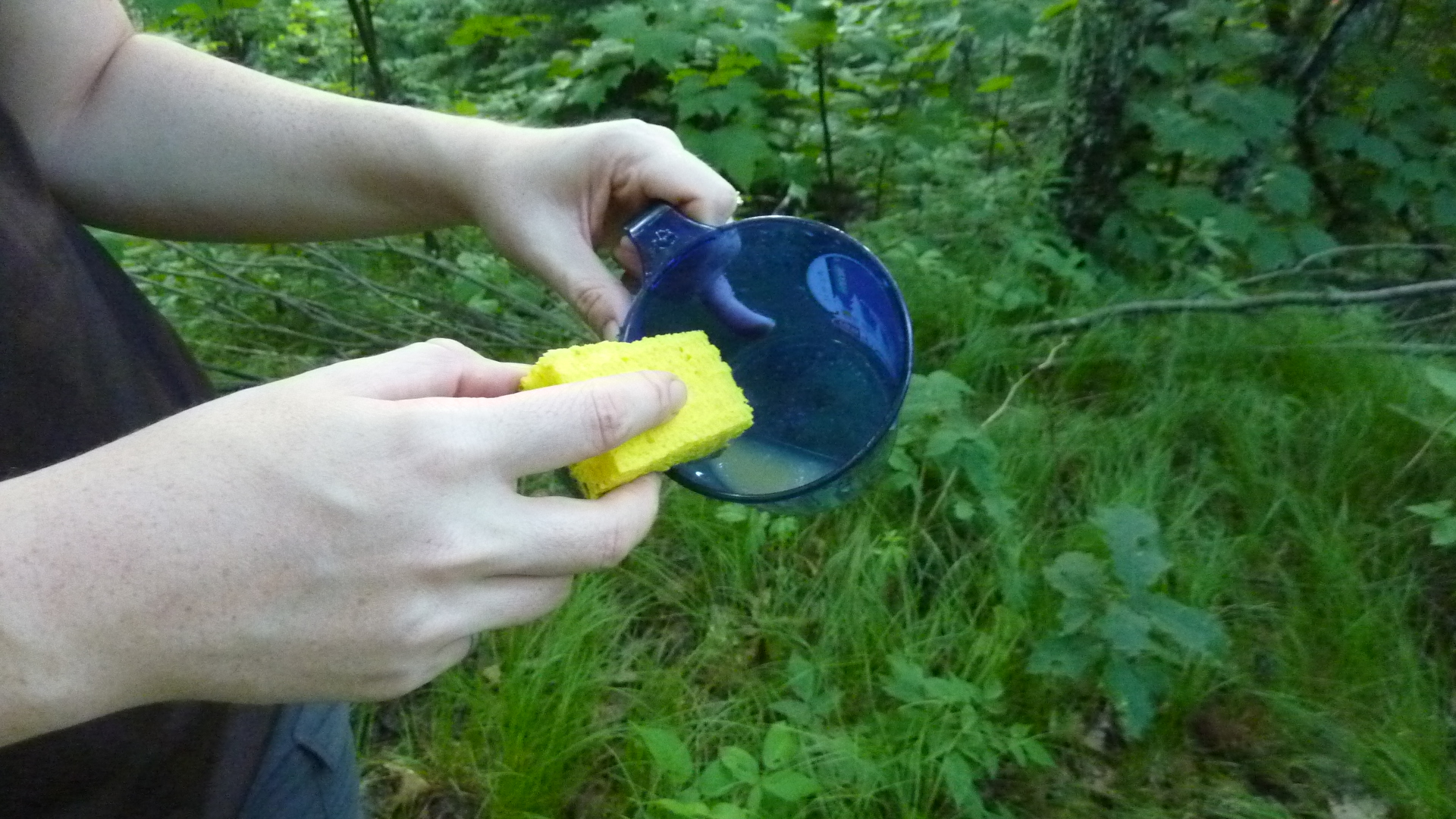
Use a small sponge or cloth to scrub your cookware. Focus on sticky or burnt spots. Scrub gently to avoid scratching the surface. If food sticks hard, soak the pot in cold water for a few minutes. This softens the residue and makes scrubbing easier. Keep your scrubbing tool clean to avoid spreading germs.
Using Ash Or Sand
Natural materials like ash or sand work well as scrubbers. Ash from your fire or fine sand can remove tough stains. Sprinkle a little ash or sand on a damp cloth. Rub your cookware gently with this mix. It acts like a natural scrub pad without chemicals. Rinse thoroughly after to remove any leftover grit.
Drying And Storing Cookware
Keeping your cookware dry and stored properly is key to lasting gear on the trail. Wet pots and pans can rust or hold smells. Proper drying stops these problems before they start. Storing cookware correctly saves space and keeps everything ready for your next meal.
Air Drying Methods
Let your cookware dry completely in the open air. Use a clean cloth or paper towel to wipe off excess water first. Hang pans or place them upside down on a rock or backpack frame. Sunlight helps dry faster and kills bacteria. Avoid packing wet cookware to stop mold growth.
Preventing Rust
Dry cookware quickly to avoid rust spots. For metal pots, apply a thin layer of cooking oil after drying. This creates a protective shield against moisture. Store cookware in a dry spot inside your pack. Check for rust regularly and clean it off to keep pots safe.
Packing For Next Use
Pack cookware in a way that saves space and protects it. Nest smaller items inside larger pots to keep everything tight. Use a cloth or plastic bag to separate cookware from dirty items. Keep lids and utensils together to avoid losing parts. Ready to cook again with no hassle.
Minimize Cleaning Needs
Cleaning cookware while backpacking can be tough. Water and time are limited. Minimizing cleaning needs helps save both. Using smart cooking habits cuts down on mess. It keeps your gear lighter and your breaks shorter.
Cooking Strategies
Choose meals that cook quickly and clean easily. Avoid sticky or greasy foods that stick to pots. Stir gently to prevent burning and sticking. Cook on low heat to reduce residue. Clean right after cooking to stop buildup.
Using Foil Or Liners
Line pots with foil or use reusable liners. They stop food from touching the cookware. After eating, just remove and toss the liner. This method cuts down scrubbing and water use. Foil is light and easy to carry.
One-pot Meal Ideas
One-pot meals save time and reduce dirty dishes. Combine grains, vegetables, and protein in one pot. Cook everything together for simple cleanup. Examples include rice with beans or pasta with veggies. Less cookware means less washing after meals.

Credit: www.iheartpacificnorthwest.com
Frequently Asked Questions
How Do I Clean Cookware Without Soap While Backpacking?
Use hot water and a scrubby sponge or cloth to remove food. Boil water to sterilize cookware after cleaning. Avoid soap to protect natural water sources.
What Is The Best Natural Cleaner For Backpacking Cookware?
Baking soda works well as a gentle, natural cleaner. Mix it with water to create a paste. Scrub cookware to remove stuck-on food and odors effectively.
How Can I Dry Cookware Quickly On The Trail?
Wipe cookware with a clean cloth or towel. Air dry by placing it in direct sunlight or near a campfire. Ensure cookware is completely dry to prevent rust.
Is Boiling Water Enough To Sanitize Cookware Outdoors?
Yes, boiling water for at least one minute kills most bacteria. After cleaning, immerse cookware in boiling water to ensure sanitation. This method is safe and chemical-free.
Conclusion
Cleaning cookware while backpacking keeps your gear ready for the next meal. Use little water and biodegradable soap to protect nature. Scrape off food bits before washing to save time. Dry your pots and pans well to avoid rust. These simple steps make cooking easier on the trail.
Stay clean, stay safe, and enjoy your outdoor adventure.

Hello, This is Annie Walker, a 38-year-old blogger, founder, and editor of Cookware Guider from NY, USA. I am a cookware fanatic and passionate cooker. I love to cook with different types of cooking appliances (example: all types of cookware, rice cookers, slow cookers, etc) almost every day in my kitchen. I love to share my experience with my readers in my blog. Also, I enjoy helping people to solve their problems through my website. You can follow me on Twitter & Pinterest. To know details about my blog please check the about us page.