
You just bought new cookware, and it looks amazing in your kitchen. But before you start cooking your favorite meals, there’s one important step you can’t skip: cleaning it properly.
How you clean your new pots and pans can make a big difference in how long they last and how well they cook. If you want to keep your cookware shiny, safe, and ready for every recipe, you need to know the right way to clean it from the start.
Keep reading, and you’ll discover simple, effective tips that protect your investment and make cooking even more enjoyable.
Credit: www.all-clad.com
Choosing The Right Cleaner
Choosing the right cleaner for new cookware is important. The cleaner affects the cookware’s surface and how long it lasts. Some cleaners are gentle, while others can be harsh. Picking the right one keeps your pots and pans safe and shiny. It also helps remove factory residues and dust before cooking.
Natural Vs. Chemical Options
Natural cleaners use ingredients like vinegar, baking soda, or lemon juice. They are gentle and safe for most cookware. These options avoid harsh chemicals and reduce health risks. Natural cleaners work well for light cleaning and removing stains.
Chemical cleaners are stronger and remove tough grime. They include detergents and specialized cookware soaps. These can clean fast but might damage delicate surfaces. Always check product labels for safety and follow instructions carefully.
Safe Products For Different Materials
Non-stick pans need mild soap and soft sponges. Harsh cleaners can ruin the non-stick coating. Stainless steel cookware handles stronger cleaners but avoid abrasive pads.
Copper cookware needs special cleaners to keep its shine. Avoid acidic or highly abrasive products on copper. Cast iron should never be cleaned with soap; use hot water and a brush instead.
Each material needs a cleaner made for it. Using the right product saves your cookware and keeps it new longer.
Initial Rinse And Inspection
Cleaning new cookware starts with a careful initial rinse and inspection. This step removes dust and any leftover residue from manufacturing or packaging. It also helps spot any damage or issues before first use. Taking time now ensures your cookware stays in good shape and lasts longer.
Removing Dust And Residue
New cookware often carries dust from the factory or packaging. Rinse the cookware under warm water to wash away dust and dirt. Use a soft cloth or sponge to gently wipe the surface. Avoid harsh scrubbing to protect coatings or finishes. This simple step prepares your cookware for safe use.
Checking For Manufacturer Instructions
Look for any cleaning or care instructions from the manufacturer. These guidelines help you handle the cookware correctly. Some materials need special care or seasoning before use. Following instructions prevents damage and keeps your cookware working well. Always keep the manual or label handy for quick reference.
Cleaning Stainless Steel Cookware
Stainless steel cookware is a popular choice for many kitchens. It heats evenly and lasts long. But new stainless steel pots and pans often have a protective coating. This coating needs removal before use. Proper cleaning also helps keep the cookware shiny and clean after cooking.
Removing Protective Coating
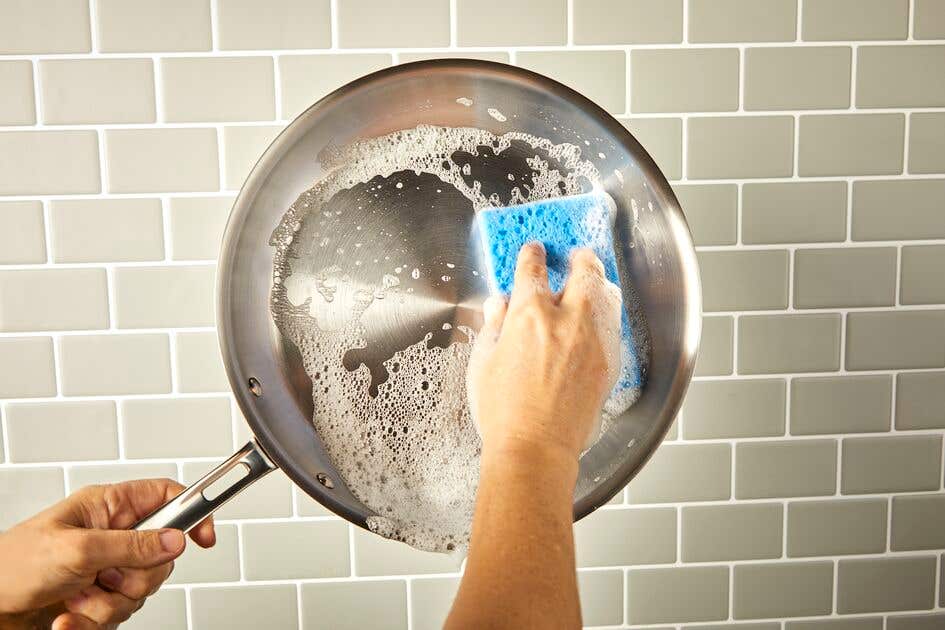
New stainless steel cookware usually has a thin oily layer. This layer protects the metal during shipping. Use warm water and mild dish soap to wash the cookware. Scrub gently with a soft cloth or sponge. Avoid harsh scrubbers that may scratch the surface. Rinse well to remove all soap and residue. Dry the cookware with a clean towel to avoid water spots.
Eliminating Stubborn Stains
Stainless steel can develop stains or discoloration. Use a paste made from baking soda and water. Apply the paste to the stained area. Let it sit for a few minutes. Gently scrub with a soft cloth or sponge. For tough stains, boil water with a few tablespoons of vinegar in the pan. This helps lift the discoloration. Rinse thoroughly and dry the cookware after cleaning.

Credit: www.youtube.com
Cleaning Nonstick Cookware
Nonstick cookware makes cooking and cleaning easier. Its smooth surface stops food from sticking. Proper cleaning keeps this surface safe and working well. Careful cleaning helps your pans last longer. Here are tips to clean nonstick cookware the right way.
Avoiding Scratches
Use soft sponges or cloths only. Never use steel wool or harsh scrubbers. Scratches damage the nonstick coating quickly. Avoid metal utensils when cooking. Choose wooden, silicone, or plastic tools instead. Scratches reduce the pan’s nonstick power.
Best Practices For Longevity
Wash nonstick pans by hand with warm soapy water. Let them cool before washing. Avoid putting nonstick cookware in the dishwasher. Dry pans completely before storing. Store pans with a soft cloth between them. These steps keep the coating strong and smooth.
Cleaning Cast Iron Cookware
Cleaning cast iron cookware needs care and attention. It is different from other pots and pans. Proper cleaning keeps the surface smooth and food safe. It also extends the life of the cookware.
Cast iron should not soak in water or be washed with strong soap. These can damage the seasoning layer. This layer is important for non-stick cooking and prevents rust.
Seasoning After Cleaning
After cleaning, dry the cast iron well. Use a towel or heat it on low flame. Once dry, apply a thin layer of cooking oil. Spread the oil inside and outside the pan. Heat the pan in the oven or on the stove for 10-15 minutes. This process restores the protective seasoning layer.
Avoiding Rust
Keep cast iron dry after every use. Store it in a dry place with good air flow. Avoid leaving water or food in the pan for long. If rust appears, scrub it gently with steel wool. Then, reseason the cookware. Proper care stops rust and keeps your cast iron ready for cooking.
Drying And Storing Cookware
Drying and storing cookware properly keeps it in great shape for years. After cleaning, drying removes all moisture. Moisture left on cookware can cause rust or stains. Storing cookware the right way also protects it from scratches and dents. Good habits here save money and time later.
Proper Drying Techniques
Use a soft cloth or towel to dry cookware immediately. Air drying can leave water spots or rust on some metals. For cast iron, dry it on low heat on the stove to remove all moisture. Avoid stacking wet pots or pans. This traps water and causes damage. Make sure handles and lids are dry too.
Storage Tips To Prevent Damage
Store cookware in a dry, cool place away from direct sunlight. Use hooks or racks to hang pots and pans if possible. This stops them from scratching each other. Place soft liners or cloth between stacked pans to protect surfaces. Keep lids stored separately or upside down to avoid warping. Organize cookware by size for easy access and less damage.
Maintenance Tips For Sparkling Cookware
Keeping your new cookware shiny and clean takes some care. Good habits make your pots and pans last longer. Clean cookware also cooks better and looks nice on your stove. Follow simple tips to keep your cookware sparkling every day. These steps help prevent stains and damage.
Regular Cleaning Habits
Wash your cookware after each use. Use warm water and mild soap. Avoid harsh cleaners that can scratch the surface. Use a soft sponge or cloth for cleaning. Dry your cookware right away to stop water spots. Store pots and pans in a dry place. This stops rust and keeps them looking new.
Handling Tough Stains Over Time
Some stains need extra care. For stuck-on food, soak your cookware in warm soapy water. Use baking soda and water paste to scrub gently. Avoid steel wool, which can scratch. For burnt spots, boil water with vinegar in the pan. Let it cool, then scrub softly. Repeat if needed. These methods clean stains without harm.
:max_bytes(150000):strip_icc()/2-3b4e597c74bd4e1aa91b9439e7b0f335.jpg)
Credit: www.seriouseats.com
Frequently Asked Questions
How Do I Properly Clean New Cookware Before Use?
Rinse new cookware with warm, soapy water to remove factory residues. Use a soft sponge to avoid scratches. Rinse thoroughly and dry with a clean cloth before first use.
Can I Use Dishwasher To Clean New Cookware?
Check manufacturer instructions first. Some cookware is dishwasher safe, but hand washing is gentler. Hand wash prevents damage and prolongs cookware life.
Why Should I Clean New Cookware Before Cooking?
Cleaning removes protective coatings, dust, and chemical residues. This ensures food safety and improves cooking results. It also prevents unwanted flavors in your meals.
What Cleaning Agents Are Safe For New Cookware?
Mild dish soap and warm water are best. Avoid harsh chemicals or abrasive cleaners that can damage surface coatings. Use non-abrasive sponges for effective, safe cleaning.
Conclusion
Cleaning new cookware is easy with the right steps. Use warm water and mild soap to protect the surface. Avoid harsh scrubbing to keep it looking new. Dry your cookware well to stop rust or spots. Regular care helps your pots and pans last longer.
Enjoy cooking with clean, shiny cookware every time. Simple cleaning keeps your kitchen tools ready for any meal. Trust these tips to keep your cookware in great shape.

Hello, This is Annie Walker, a 38-year-old blogger, founder, and editor of Cookware Guider from NY, USA. I am a cookware fanatic and passionate cooker. I love to cook with different types of cooking appliances (example: all types of cookware, rice cookers, slow cookers, etc) almost every day in my kitchen. I love to share my experience with my readers in my blog. Also, I enjoy helping people to solve their problems through my website. You can follow me on Twitter & Pinterest. To know details about my blog please check the about us page.