
Are you frustrated by stubborn stains ruining your beautiful enamel cast iron cookware? You’re not alone.
These tough spots can be tricky to remove, but with the right approach, your pots and pans can look as good as new. Imagine cooking with cookware that shines and performs perfectly every time. You’ll discover simple, effective ways to clean those stains without damaging your beloved pieces.
Keep reading, and you’ll learn how to bring back the sparkle to your enamel cast iron cookware quickly and easily.
Common Stains On Enamel Cast Iron
Enamel cast iron cookware adds style and durability to any kitchen. Over time, stains can appear on the surface, making the cookware look old or dirty. Knowing about common stains helps keep your pots and pans bright and clean. Understanding these stains is the first step to proper cleaning and care.
Types Of Stains
Food residue often leaves dark marks on enamel surfaces. Tomato sauces and coffee can cause stubborn stains. Burnt-on grease creates tough, black spots. Water stains may leave white or cloudy rings. Rust spots sometimes appear if the enamel cracks. Each stain type needs a different cleaning approach.
Causes Of Discoloration
High heat can cause enamel to discolor. Acidic foods like vinegar or citrus may dull the surface. Using metal utensils can scratch and damage enamel. Leaving food to sit too long causes stains. Hard water minerals build up and leave marks. Proper use and care reduce these problems.
Credit: www.reddit.com
Daily Cleaning Tips
Daily cleaning keeps enamel cast iron cookware looking new. Stains and food residue can build up quickly without proper care. Simple steps help maintain the cookware’s shine and prevent damage. Clean your cookware soon after use to avoid stubborn stains.
Gentle Cleaning Methods
Use warm water and mild dish soap for daily cleaning. Avoid harsh chemicals that can damage the enamel surface. Soak the cookware briefly to loosen stuck food. Use a soft sponge or cloth to wipe the stains gently. Rinse well to remove soap residue. Dry thoroughly with a soft towel to prevent water spots.
Safe Cleaning Tools
Choose non-abrasive tools like soft sponges or microfiber cloths. Avoid steel wool or metal scrubbers that scratch enamel. Plastic or nylon scrubbers work well for tougher stains. Use wooden or silicone utensils to protect the surface during cooking. Proper tools extend the life of your cookware and keep it stain-free.
Removing Tough Stains
Tough stains on enamel cast iron cookware can be stubborn. They often come from burnt food, oil, or rust. Removing these stains needs care and the right methods. Harsh scrubbing can damage the enamel. Use gentle but effective ways to clean deeply.
Try natural and safe ingredients first. They work well and protect your cookware. For stronger stains, some special cleaners help without harming the surface. Follow these easy steps for a clean and shiny pot or pan.
Using Baking Soda And Vinegar
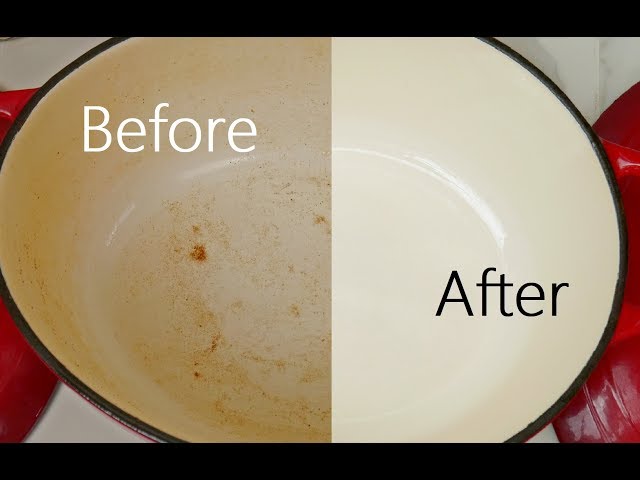
Baking soda and vinegar make a powerful cleaning mix. Sprinkle baking soda over the stained area. Pour a little vinegar on top. The mix will bubble and fizz. Let it sit for 10-15 minutes. Use a soft cloth or sponge to scrub gently. Rinse well with warm water. Repeat if needed. This method removes burnt-on stains without scratching.
Applying Hydrogen Peroxide
Hydrogen peroxide helps lift tough stains and disinfects. Pour some on the stain. Let it sit for 20 minutes. Use a soft brush or cloth to scrub lightly. Rinse with warm water. Avoid using too much peroxide, as it can dull the enamel. Use this method only for serious stains that baking soda and vinegar can’t fix.
Commercial Cleaners
Some commercial cleaners are safe for enamel cast iron. Look for ones made for delicate surfaces. Follow the instructions on the label carefully. Use a soft sponge or cloth with the cleaner. Do not use abrasive pads or steel wool. Rinse thoroughly after cleaning. Commercial products can remove tough stains quickly but use them sparingly to protect the enamel.
Credit: www.youtube.com
Preventing Future Stains
Preventing stains on enamel cast iron cookware keeps it looking new. Clean cookware cooks better and lasts longer. Small habits help avoid tough stains and damage. Follow easy steps to protect your investment every day.
Proper Cooking Practices
Use low to medium heat to avoid burning food. Avoid cooking acidic foods for too long. Stir food regularly to prevent sticking. Always use wooden, silicone, or plastic utensils. Metal tools can scratch the enamel surface. Allow food to cool before soaking the pan.
Regular Maintenance
Clean your cookware soon after use. Use gentle scrubbers and mild dish soap. Avoid harsh chemicals or steel wool pads. Dry the cookware completely after washing. Store it in a dry place with a lid off. Occasionally, rub a small amount of cooking oil inside to keep the surface smooth.
Restoring Shine To Enamel
Restoring shine to enamel cast iron cookware helps bring back its original beauty. Over time, stains and dullness can hide the glossy finish. Cleaning these stains carefully can brighten the cookware and make it look almost new again.
Using the right methods ensures the enamel stays smooth and shiny. Gentle care keeps the cookware looking great for years. Here are some tips on how to polish and protect your enamel cast iron.
Polishing Techniques
Use a soft cloth or sponge with mild dish soap and warm water. Gently rub the surface to remove dirt and light stains. For tougher spots, try a paste made from baking soda and water. Apply it softly and wipe clean with a damp cloth. Dry the cookware completely after cleaning to avoid water marks. A little olive oil on a soft cloth can add shine when rubbed lightly on the enamel.
Avoiding Abrasive Damage
Never use steel wool or harsh scrubbers on enamel surfaces. These can scratch and dull the finish. Avoid strong chemical cleaners or bleach, which can damage the enamel coating. Use only non-abrasive pads or soft brushes for stubborn stains. Handle your cookware with care to prevent chips or cracks in the enamel. Regular gentle cleaning keeps your cookware bright and protected.

Credit: www.reddit.com
Frequently Asked Questions
How Do I Remove Stains From Enamel Cast Iron Cookware?
To remove stains, soak the cookware in warm soapy water for 15 minutes. Use a non-abrasive sponge to scrub gently. For tough stains, apply a paste of baking soda and water, let it sit, then rinse thoroughly.
Can I Use Vinegar To Clean Enamel Cast Iron Stains?
Yes, white vinegar is safe for enamel cast iron. Mix equal parts vinegar and water, soak the cookware for 10 minutes, then scrub gently. Vinegar helps dissolve mineral deposits and stains without damaging the enamel surface.
What Household Items Clean Cast Iron Enamel Stains Effectively?
Baking soda, vinegar, and mild dish soap are effective. Baking soda acts as a gentle abrasive, vinegar breaks down stains, and dish soap removes grease. Always use non-abrasive tools to protect the enamel coating while cleaning.
Is It Safe To Use Bleach On Enamel Cast Iron Cookware?
No, bleach can damage the enamel surface and cause discoloration. Avoid using harsh chemicals on enamel cast iron. Stick to gentle, natural cleaners like baking soda and vinegar for stain removal.
Conclusion
Cleaning stains from enamel cast iron cookware takes some care and patience. Use gentle scrubbing with baking soda or mild cleaners. Avoid harsh tools that can scratch the enamel surface. Regular cleaning helps keep your cookware looking new. Stains do not have to be permanent.
A little effort restores the cookware’s shine and usefulness. Enjoy cooking with clean, stain-free enamel pots and pans every day. Keep these tips handy for quick stain removal anytime. Your enamel cookware will last longer and work better. Simple steps make all the difference.

Hello, This is Annie Walker, a 38-year-old blogger, founder, and editor of Cookware Guider from NY, USA. I am a cookware fanatic and passionate cooker. I love to cook with different types of cooking appliances (example: all types of cookware, rice cookers, slow cookers, etc) almost every day in my kitchen. I love to share my experience with my readers in my blog. Also, I enjoy helping people to solve their problems through my website. You can follow me on Twitter & Pinterest. To know details about my blog please check the about us page.