
Cooking brown rice can feel tricky if you’ve never done it before. You might worry it will turn out mushy, dry, or take too long.
But what if you could make perfectly fluffy, nutty brown rice every time? Imagine adding a healthy, tasty staple to your meals without stress or guesswork. This guide will show you simple steps to cook brown rice just right, so you can enjoy its full flavor and nutrients.
Keep reading, and you’ll master brown rice in no time.
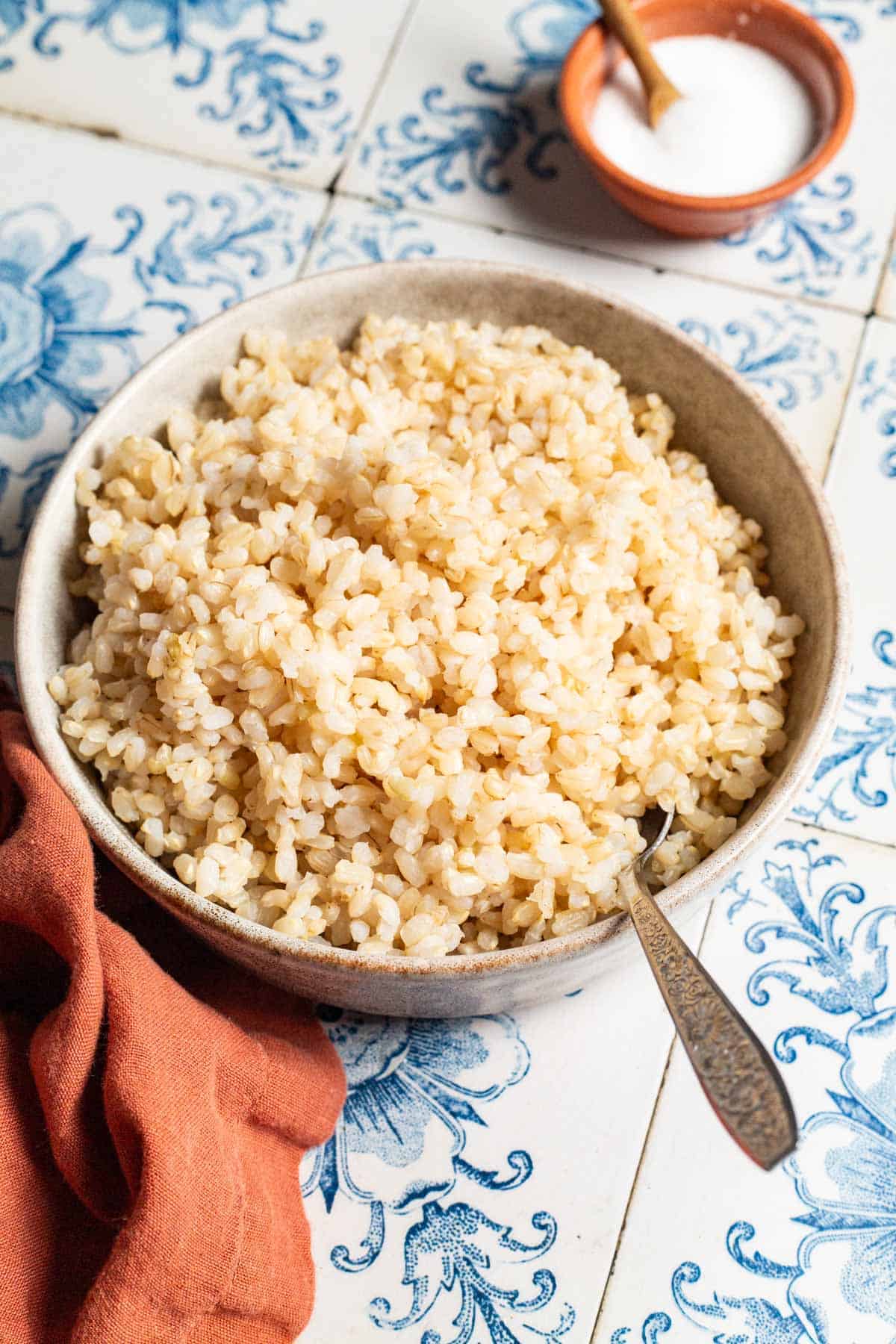
Credit: www.themediterraneandish.com
Choosing Brown Rice
Choosing brown rice is an important step before cooking it perfectly. Brown rice is a whole grain with the outer bran layer intact, making it more nutritious than white rice. Picking the right type of brown rice affects cooking time, texture, and taste. Knowing what to buy helps you cook rice that fits your meal and preferences. This guide explains the main types of brown rice and why it is a healthy choice.
Types Of Brown Rice
Brown rice comes in several types, each with a unique texture and flavor. Understanding the differences helps you select the best one for your dish.
- Long Grain Brown Rice: Has a firm, dry texture with separate grains after cooking. Good for pilafs and salads.
- Short Grain Brown Rice: Stickier and softer when cooked. Ideal for sushi and dishes where rice needs to clump.
- Basmati Brown Rice: Aromatic with a nutty flavor. Long grains stay separate and fluffy.
- Jasmine Brown Rice: Fragrant and slightly sticky. Works well in Asian dishes.
Here is a quick comparison of the common types:
| Type | Texture | Best Use |
|---|---|---|
| Long Grain | Firm, separate | Pilafs, salads |
| Short Grain | Sticky, soft | Sushi, sticky rice dishes |
| Basmati | Fluffy, aromatic | Indian, Middle Eastern dishes |
| Jasmine | Sticky, fragrant | Thai and Asian meals |
Benefits Of Brown Rice
Brown rice offers many health benefits because it keeps the bran and germ layers. These parts contain fiber, vitamins, and minerals lost in white rice. Eating brown rice can help improve digestion and keep you full longer.
- High in Fiber: Supports digestion and prevents constipation.
- Rich in Magnesium: Helps with muscle and nerve function.
- Good Source of B Vitamins: Important for energy and brain health.
- Contains Antioxidants: Protects cells from damage.
Brown rice has a lower glycemic index than white rice. This means it causes a slower rise in blood sugar. It can be a better choice for blood sugar control.
Here is a simple table showing key nutrients in one cup of cooked brown rice:
| Nutrient | Amount | Health Benefit |
|---|---|---|
| Fiber | 3.5 grams | Improves digestion |
| Magnesium | 86 mg | Supports muscles and nerves |
| Vitamin B6 | 0.2 mg | Boosts energy and brain health |
| Antioxidants | Varies | Protects cells |
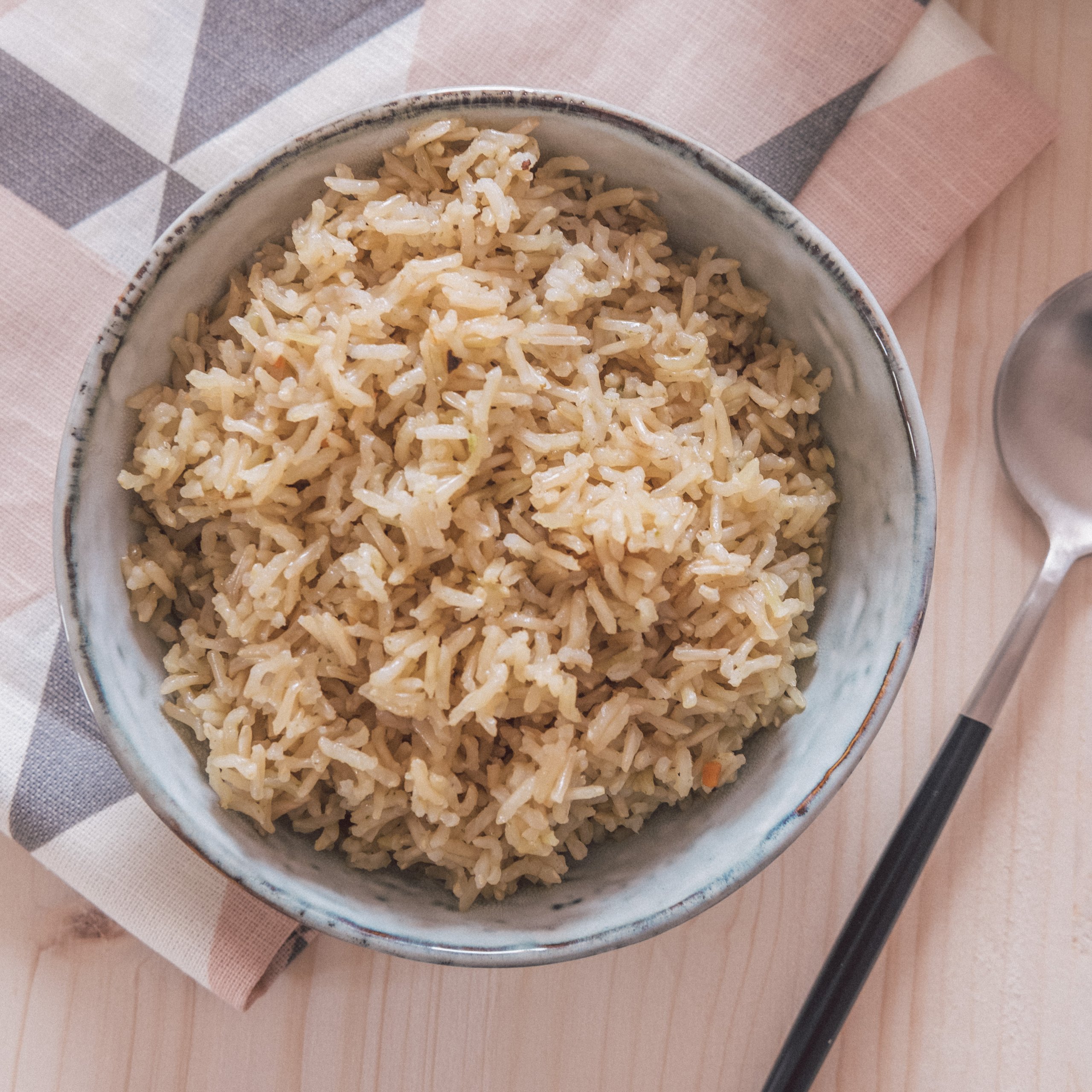
Credit: www.yuzubakes.com
Preparing Brown Rice
Preparing brown rice properly is the first step to making a delicious, fluffy dish. This whole grain needs careful handling before cooking to ensure the best texture and flavor. Taking time to measure and rinse the rice affects the final result a lot. These simple steps help remove excess starch and dirt, so the rice cooks evenly without sticking together.
Measuring Rice And Water
Getting the right ratio of rice to water is key for perfectly cooked brown rice. Brown rice needs more water than white rice because it has the outer bran layer. Use these guidelines:
- Standard ratio: 1 cup of brown rice to 2 ½ cups of water
- For softer rice: Increase water to 3 cups per 1 cup of rice
- For firmer rice: Use 2 ¼ cups of water per 1 cup of rice
Measure the rice with a dry measuring cup for accuracy. Use the same cup to measure the water. This consistency helps the rice cook evenly. Place the rice and water in a pot or rice cooker. Avoid guessing the water amount, as it affects the cooking time and texture.
| Rice Quantity | Water Quantity (Standard) | Water Quantity (Softer Rice) | Water Quantity (Firmer Rice) |
|---|---|---|---|
| 1 cup | 2 ½ cups | 3 cups | 2 ¼ cups |
| 2 cups | 5 cups | 6 cups | 4 ½ cups |
Rinsing Brown Rice
Rinsing brown rice removes dust, dirt, and excess starch that cause stickiness. It also helps the rice cook better and taste fresher. Follow these simple steps:
- Place the rice in a fine mesh strainer or bowl.
- Run cold water over the rice or fill the bowl with water.
- Use your hand to stir and rub the grains gently.
- Drain the water carefully.
- Repeat rinsing 2 to 3 times until the water is mostly clear.
Do not soak brown rice for too long before cooking, as it can make the texture mushy. A quick rinse is enough to clean the rice properly. Rinsed rice absorbs water better and cooks evenly. This simple step improves the flavor and texture of your cooked brown rice.
Cooking Methods
Cooking brown rice perfectly requires understanding different cooking methods. Each method offers unique benefits and fits various kitchen setups. Choosing the right technique ensures fluffy, tender rice every time. Below are three popular ways to cook brown rice: stovetop, rice cooker, and Instant Pot. Learn the steps and tips for each method to make your meal prep easier and tastier.
Stovetop Technique
The stovetop method is traditional and simple. It only needs a pot with a lid and some attention while cooking. Brown rice takes longer than white rice because it has the outer bran layer intact. This layer makes it healthy but slower to cook.
Follow these steps for the stovetop technique:
- Measure the rice: Use 1 cup of brown rice.
- Rinse the rice: Rinse under cold water to remove dust.
- Water ratio: Add 2 1/2 cups of water for every cup of rice.
- Boil water: Bring water to a boil in a pot.
- Add rice: Stir rice into boiling water.
- Simmer: Lower heat, cover the pot with a tight lid.
- Cook: Let it simmer for 40-45 minutes without lifting the lid.
- Rest: Turn off heat and let it sit for 10 minutes.
- Fluff: Use a fork to fluff the rice before serving.
Tips for stovetop brown rice:
- Use a heavy-bottomed pot to prevent burning.
- Keep the lid closed to trap steam.
- Don’t stir while cooking; it can make rice sticky.
| Step | Action | Time |
|---|---|---|
| 1 | Rinse and add rice to boiling water | 5 minutes |
| 2 | Simmer with lid on | 40-45 minutes |
| 3 | Rest off heat | 10 minutes |
Using A Rice Cooker
Rice cookers make cooking brown rice easy and hands-free. Many models have a brown rice setting, which adjusts cooking time and temperature. This method is great for beginners or busy cooks.
Steps to cook brown rice in a rice cooker:
- Rinse rice: Wash 1 cup of brown rice until water runs clear.
- Add water: Use 2 to 2 1/2 cups of water per cup of rice.
- Set cooker: Choose the brown rice setting if available.
- Start: Turn on the rice cooker.
- Wait: The cooker will switch to “warm” when done.
- Rest: Let rice sit inside for 10 minutes before opening.
- Fluff: Use a fork to separate the grains.
Advantages of using a rice cooker:
- Automatic cooking and keep-warm functions
- Consistent results without monitoring
- Energy-efficient and convenient
| Ingredient | Amount |
|---|---|
| Brown rice | 1 cup |
| Water | 2 to 2 1/2 cups |
Instant Pot Method
The Instant Pot cooks brown rice quickly using pressure. It locks in steam and reduces cooking time significantly. This method is perfect for those who want fast results with minimal effort.
Follow these steps for the Instant Pot method:
- Rinse rice: Rinse 1 cup of brown rice under cold water.
- Add water: Pour 1 1/4 cups of water into the pot.
- Seal lid: Close the Instant Pot lid and set the valve to sealing.
- Set pressure: Select “Pressure Cook” or “Manual” on high for 22 minutes.
- Natural release: Let pressure release naturally for 10 minutes.
- Quick release: Carefully release any remaining pressure.
- Fluff rice: Open lid and fluff rice with a fork.
Instant Pot benefits:
- Fast cooking time compared to stovetop
- Consistent texture and moisture
- Hands-off process once set
| Step | Action | Details |
|---|---|---|
| 1 | Rinse rice and add water | 1 cup rice, 1 1/4 cups water |
| 2 | Pressure cook on high | 22 minutes |
| 3 | Natural pressure release | 10 minutes |
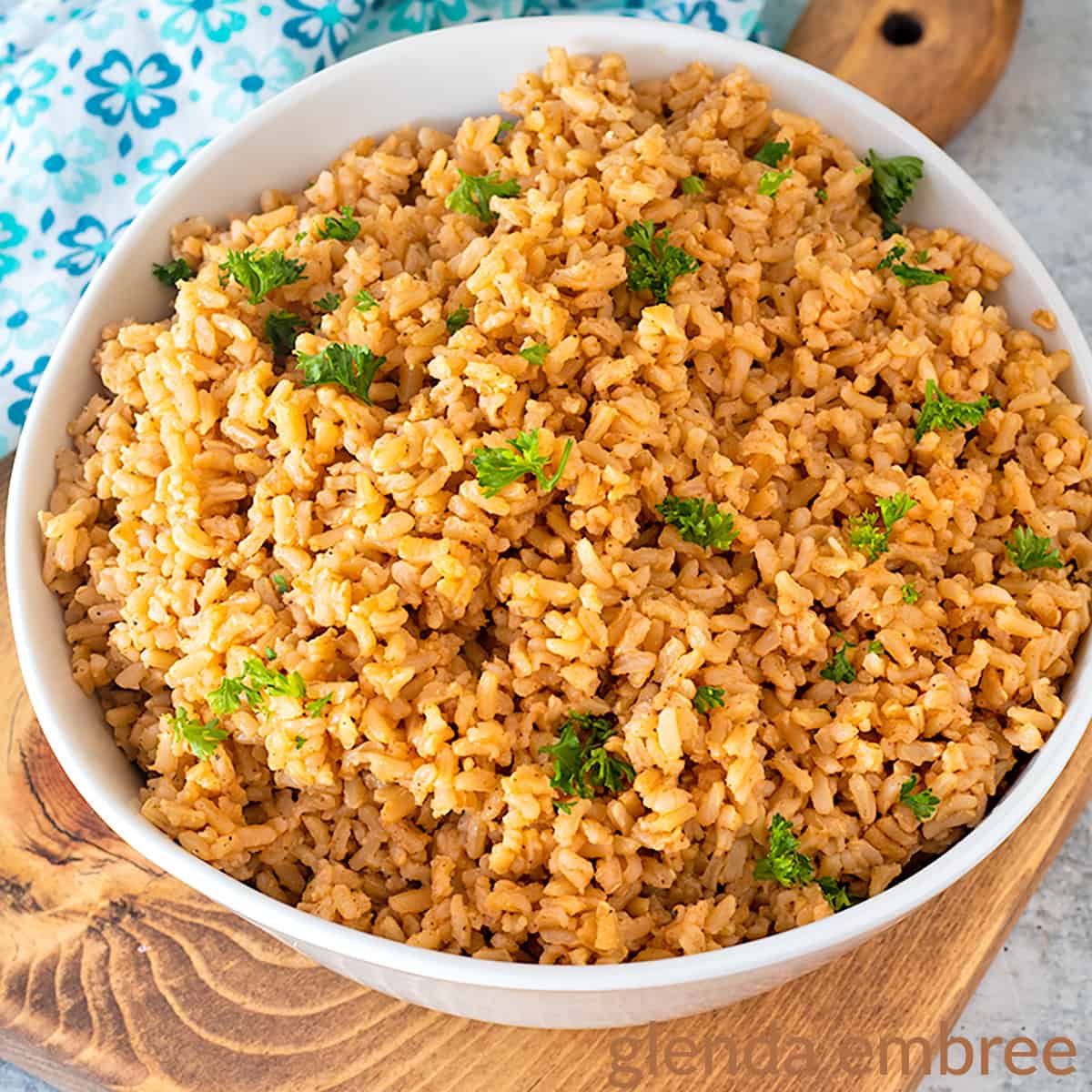
Credit: glendaembree.com
Cooking Tips
Cooking brown rice can be simple with the right tips. Brown rice needs more care than white rice. It has the outer bran layer, making it healthy but harder to cook. These cooking tips will help you get fluffy, tasty brown rice every time.
Soaking For Better Texture
Soaking brown rice before cooking improves its texture and reduces cooking time. Soaking softens the bran layer, making the rice less chewy and easier to digest. It also helps the rice cook evenly. For best results, soak the rice in cold water for at least 30 minutes. You can soak it for up to 12 hours if you want very soft rice.
Here are some tips for soaking:
- Use a bowl large enough to allow the rice to expand.
- Rinse the rice under cold water before soaking to remove dust and excess starch.
- Cover the rice with two inches of water to ensure it stays submerged.
- Drain and rinse the rice after soaking to remove any released starch.
Soaking times and their effects:
| Soaking Time | Effect on Texture | Effect on Cooking Time |
|---|---|---|
| 30 minutes | Moderately softer texture | Reduces by about 10 minutes |
| 2-4 hours | Much softer and fluffier | Reduces by up to 20 minutes |
| 8-12 hours | Very soft, almost creamy texture | Reduces by 25 minutes or more |
Adjusting Cooking Time
Cooking time for brown rice varies based on soaking and heat level. Brown rice usually takes 40 to 50 minutes to cook on the stove. Adjust cooking time to get the best texture.
Here are tips for adjusting cooking time:
- Unsoaked rice: Cook for 45 to 50 minutes on low heat.
- Soaked rice: Cook for 30 to 40 minutes depending on soaking time.
- Use a tight-fitting lid: Keeps steam inside for even cooking.
- Do not lift the lid frequently: Traps heat and steam to cook rice properly.
Use this simple guide for water-to-rice ratio and cooking time:
| Rice Type | Water Ratio | Cooking Time |
|---|---|---|
| Unsoaked Brown Rice | 2 ¼ cups water per 1 cup rice | 45-50 minutes |
| Soaked Brown Rice (30 min to 2 hr) | 2 cups water per 1 cup rice | 35-40 minutes |
| Soaked Brown Rice (4+ hr) | 1 ¾ cups water per 1 cup rice | 30-35 minutes |
Avoiding Mushy Rice
Mushy brown rice happens when too much water is used or cooking time is too long. The grains stick together and lose their shape. Follow these tips to keep rice fluffy and separate:
- Measure water carefully: Use the right amount based on rice type and soaking time.
- Rinse rice well: Removes surface starch that causes stickiness.
- Cook on low heat: Avoid boiling rapidly. Simmer gently to prevent breaking grains.
- Do not stir during cooking: Stirring releases starch and makes rice sticky.
- Let rice rest: After cooking, turn off heat and let rice sit covered for 10 minutes. This helps steam finish cooking evenly.
Signs of mushy rice and fixes:
| Problem | Cause | Fix |
|---|---|---|
| Mushy texture | Too much water or overcooked | Reduce water, shorten cooking time |
| Sticky clumps | Not rinsed or stirred while cooking | Rinse rice, avoid stirring |
| Uneven cooking | High heat or lifted lid often | Use low heat, keep lid closed |
Flavor Variations
Brown rice has a natural, nutty taste that pairs well with many flavors. Experimenting with different ingredients can make it exciting and tasty every time. Flavor variations help turn plain brown rice into a delicious side or main dish. Simple changes like herbs, broth, or vegetables add layers of flavor without much effort. These tricks keep your meals fresh and enjoyable.
Adding Herbs And Spices
Herbs and spices bring life to plain brown rice. They add aroma and depth, making each bite more interesting. Fresh herbs like parsley, cilantro, or basil work well. Dried herbs such as thyme or oregano also add a lovely touch. Spices can range from mild to bold, depending on your taste.
Try these popular herbs and spices for brown rice:
- Cumin: Adds warmth and earthiness.
- Turmeric: Bright color and mild flavor.
- Garlic powder: Savory and rich aroma.
- Paprika: Sweet and smoky notes.
- Rosemary: Pine-like, fresh taste.
Adding herbs is easy:
- Cook rice as usual.
- Mix in chopped fresh herbs right after cooking.
- Sprinkle dried herbs or spices into the cooking water or broth.
Here is a simple guide to using herbs and spices in brown rice:
| Herb/Spice | Amount for 1 cup rice | Best Time to Add | Flavor Profile |
|---|---|---|---|
| Cumin | 1 tsp | In cooking water | Warm, earthy |
| Turmeric | 1/2 tsp | In cooking water | Mild, slightly bitter |
| Parsley (fresh) | 2 tbsp chopped | After cooking | Fresh, grassy |
| Garlic powder | 1/2 tsp | In cooking water | Savory, rich |
Cooking With Broth
Using broth instead of water adds rich flavor to brown rice. Broth has natural seasonings and nutrients. It makes the rice taste fuller and more savory. Choose chicken, beef, or vegetable broth based on the dish you want.
Benefits of cooking brown rice with broth:
- Enhances taste without extra effort.
- Provides moisture and nutrients.
- Works well with soups and stews.
- Pairs perfectly with herbs and spices.
Tips for cooking brown rice with broth:
- Replace all or part of the water with broth (1:2 rice to liquid ratio).
- Use low-sodium broth to control salt levels.
- Bring broth to boil before adding rice for even cooking.
- Simmer gently and cover the pot tightly.
Broth options vary in flavor and richness:
| Broth Type | Flavor | Best For |
|---|---|---|
| Chicken Broth | Light, savory | Poultry dishes, mild meals |
| Beef Broth | Rich, bold | Hearty dishes, stews |
| Vegetable Broth | Fresh, subtle | Vegetarian meals, light flavors |
Mixing In Vegetables
Vegetables add color, texture, and nutrients to brown rice. Mixing vegetables makes the dish more filling and balanced. Use fresh, frozen, or sautéed vegetables for best results. They bring sweetness, crunch, or softness depending on the type.
Popular vegetables to add:
- Peas
- Carrots
- Bell peppers
- Onions
- Spinach
- Mushrooms
Ways to add vegetables to brown rice:
- Sauté vegetables separately and stir in after cooking.
- Add small, quick-cooking vegetables like peas or spinach during last 5 minutes of cooking.
- Mix raw chopped vegetables after rice cools for a salad.
Vegetable preparation affects texture and taste:
| Vegetable | Preparation | Effect |
|---|---|---|
| Carrots | Diced and sautéed | Sweet, tender |
| Spinach | Stir in raw or wilt | Soft, fresh |
| Bell Peppers | Chopped, lightly cooked | Crunchy, sweet |
| Mushrooms | Sautéed | Earthy, chewy |
Storage And Reheating
Cooking brown rice is just the first step to enjoying its nutty flavor and chewy texture. Once cooked, storing and reheating brown rice correctly is essential to keep it tasty and safe to eat. Proper storage prevents spoilage, while smart reheating keeps the rice moist and fresh. This section covers simple tips to store and reheat brown rice without losing its quality.
Proper Storage Techniques
Storing brown rice properly helps maintain its flavor and texture. After cooking, let the rice cool down quickly to avoid bacteria growth. Spread the rice thinly on a clean tray or plate to cool faster. Avoid leaving it at room temperature for more than two hours.
Once cooled, place the rice in an airtight container. Use containers made of glass or BPA-free plastic to keep moisture and odors out.
- Refrigeration: Store cooked brown rice in the fridge for up to 4-6 days.
- Freezing: For longer storage, freeze the rice in portioned bags or containers. It can last up to 6 months.
Use this table for quick storage tips:
| Storage Method | Container Type | Storage Time | Notes |
|---|---|---|---|
| Refrigerator | Airtight container | 4-6 days | Cool rice before storing |
| Freezer | Freezer bags or airtight containers | Up to 6 months | Portion rice for easy thawing |
Label containers with the date to track freshness. Avoid storing rice near strong-smelling foods to prevent odor absorption. Always reheat rice only once to reduce food safety risks.
Reheating Without Drying
Reheating brown rice can be tricky. It tends to dry out or become hard if heated improperly. Use gentle methods to keep the rice soft and moist.
Follow these tips to reheat brown rice without drying it out:
- Add a splash of water or broth before reheating. This creates steam and keeps rice moist.
- Cover the rice with a microwave-safe lid or damp paper towel to trap moisture.
- Heat on medium power in the microwave for 1-2 minutes. Stir halfway through for even heating.
- Alternatively, reheat rice in a covered pan on low heat. Stir often and add small amounts of water as needed.
Here is a quick guide for reheating brown rice:
| Method | Steps | Tips |
|---|---|---|
| Microwave |
| Use medium power to avoid overcooking |
| Stovetop |
| Keep heat low to prevent burning |
Never reheat rice more than once. Doing so increases the chance of food poisoning. Serve rice hot and enjoy its fresh, soft texture.
Frequently Asked Questions
How Long Does It Take To Cook Brown Rice?
Brown rice usually takes 40 to 50 minutes to cook. It requires more time than white rice due to its bran layer. Simmer with a 2:1 water-to-rice ratio for best results. Let it rest covered for 10 minutes before serving.
What Is The Best Water Ratio For Brown Rice?
Use 2 cups of water for every 1 cup of brown rice. This ratio ensures the rice cooks evenly and stays moist. Too little water causes dryness, while too much leads to mushy rice. Adjust slightly if preferred.
Can I Cook Brown Rice In A Rice Cooker?
Yes, brown rice can be cooked in a rice cooker. Use the brown rice setting if available. Add 2 cups water per cup of rice. The cooker automatically adjusts cooking time for perfect texture.
How Do I Prevent Brown Rice From Sticking?
Rinse brown rice thoroughly before cooking to remove excess starch. Use a non-stick pot or lightly oil the cooking vessel. Stir gently once or twice during cooking. Avoid overcooking to prevent stickiness.
Conclusion
Cooking brown rice is simple with the right steps. Rinse the rice to remove extra starch. Use the correct water-to-rice ratio for perfect texture. Let the rice simmer gently until tender. Fluff with a fork before serving. Brown rice offers a healthy, tasty option for meals.
With practice, cooking brown rice will become quick and easy. Enjoy the nutty flavor and chewy texture every time. Try different recipes to keep meals exciting. Brown rice fits well with many dishes. Keep these tips in mind for great results.

Hello, This is Annie Walker, a 38-year-old blogger, founder, and editor of Cookware Guider from NY, USA. I am a cookware fanatic and passionate cooker. I love to cook with different types of cooking appliances (example: all types of cookware, rice cookers, slow cookers, etc) almost every day in my kitchen. I love to share my experience with my readers in my blog. Also, I enjoy helping people to solve their problems through my website. You can follow me on Twitter & Pinterest. To know details about my blog please check the about us page.