
If you’ve ever struggled with cooking jasmine rice that turns out too sticky or too dry, you’re not alone. Getting that perfect, fluffy texture can be tricky, but it’s easier than you think.
Imagine serving rice that’s light, fragrant, and just right every single time. In this guide, you’ll discover simple steps that anyone can follow to cook jasmine rice like a pro. Keep reading, and you’ll learn the secrets to making your meals even better with perfectly cooked jasmine rice.
:max_bytes(150000):strip_icc()/7507206-how-to-cook-jasmine-rice-ddmfs_4x3_1673-fb26195735c14c65ad957f817101848d.jpg)
Credit: www.allrecipes.com
Choosing Jasmine Rice
Choosing the right jasmine rice is the first step to cooking perfect, fragrant rice every time. Jasmine rice is known for its delicate aroma and slightly sticky texture. Picking the best type can make your meal tastier and more enjoyable. Understanding the differences in jasmine rice types and what shows good quality helps you select the right rice for your dishes.
Types Of Jasmine Rice
Jasmine rice comes in several varieties, each with unique qualities. Knowing these types helps you choose the best option for your cooking needs.
- White Jasmine Rice: The most common type. It has a soft texture and mild aroma. It cooks quickly and is perfect for everyday meals.
- Brown Jasmine Rice: This is whole grain rice with the bran layer intact. It has a nuttier flavor and more fiber. It takes longer to cook but is healthier.
- Organic Jasmine Rice: Grown without synthetic pesticides or fertilizers. It is a good choice for those wanting natural and eco-friendly food.
- Glutinous Jasmine Rice: Also called sticky rice. It is very sticky when cooked and used in desserts or special dishes.
| Type | Texture | Cooking Time | Best Use |
|---|---|---|---|
| White Jasmine | Soft and fluffy | 15-20 minutes | Everyday meals, side dishes |
| Brown Jasmine | Chewy and nutty | 40-45 minutes | Health-conscious dishes |
| Organic Jasmine | Varies (usually soft) | 15-20 minutes | Natural food lovers |
| Glutinous Jasmine | Very sticky | 20-25 minutes | Desserts, special recipes |
Quality Indicators
Good quality jasmine rice has specific signs. Checking these helps ensure you buy rice that cooks well and tastes great.
- Grain Appearance: Look for long, slender grains. Broken or short grains may show lower quality.
- Color: White jasmine rice should be bright white or slightly translucent. Brown rice should have a uniform light brown color.
- Smell: Fresh jasmine rice has a natural, floral aroma. Avoid rice with a musty or stale smell.
- Packaging Date: Fresh rice cooks better and tastes better. Choose rice with the most recent packaging or harvest date.
- Storage Condition: Store rice in a cool, dry place. Avoid rice that feels damp or clumped.
Here is a quick checklist to assess jasmine rice quality:
- Examine grain length and shape.
- Check for consistent color.
- Smell the rice for freshness.
- Review packaging or harvest date.
- Ensure rice is dry and free-flowing.
Preparing The Rice
Preparing jasmine rice correctly sets the foundation for fluffy, fragrant results. The right steps before cooking improve texture and taste. Two key parts are rinsing and soaking the rice. These steps remove excess starch and help the grains cook evenly. Taking a few extra minutes here makes a big difference in the final dish.
Rinsing Techniques
Rinsing jasmine rice removes surface starch, which can make rice sticky or clumpy. It also clears away any dust or impurities from packaging and transport. Proper rinsing leads to fluffier, separate grains after cooking.
Follow these simple rinsing steps:
- Measure the rice into a bowl or fine-mesh sieve.
- Fill with cold water until the rice is fully submerged.
- Swirl the rice gently with your hand to loosen starch.
- Drain the water carefully without losing any grains.
- Repeat 3 to 4 times until the water runs clear.
Using a bowl allows you to see the water clarity easily. A sieve speeds up draining but requires more careful handling.
| Step | Purpose |
|---|---|
| Measure Rice | Know how much rice you will cook |
| Fill with Water | Cover rice completely for rinsing |
| Swirl Gently | Loosen surface starch |
| Drain Water | Remove starch and impurities |
| Repeat Until Clear | Ensure minimal starch remains |
Rinsed rice cooks better, with less sticking and a cleaner flavor. Skipping this step often results in clumpy rice.
Soaking Benefits
Soaking jasmine rice before cooking helps grains absorb water evenly. This step shortens cooking time and improves texture. Soaked rice cooks more gently, resulting in soft but firm grains.
Benefits of soaking rice include:
- Faster cooking: Grains absorb water, so they cook quicker.
- Better texture: Soaking softens the grain surface, preventing breakage.
- Improved fluffiness: Each grain cooks evenly, staying separate.
- Reduced stickiness: Water absorption lessens surface starch effects.
To soak jasmine rice:
- After rinsing, place rice in a bowl.
- Pour enough cold water to cover rice by about 1 inch.
- Let it soak for 20 to 30 minutes.
- Drain the water before cooking.
Soaking is optional but recommended for best results. It works well especially if your rice is older or drier.
| Soaking Time | Effect on Rice |
|---|---|
| 10 minutes | Light hydration, slight improvement in texture |
| 20-30 minutes | Optimal softness and cooking time reduction |
| Over 1 hour | May become too soft, risk of grain breakage |
Soaking gently primes the rice for cooking. It balances hydration without making grains mushy.
Cooking Methods
Cooking jasmine rice perfectly depends on the method used. Each method offers unique benefits and suits different kitchen setups. The key is to control water, heat, and cooking time. This section covers three popular cooking methods: stovetop, rice cooker, and Instant Pot. Choose the best method for your needs and enjoy fluffy, fragrant jasmine rice every time.
Stovetop Method
The stovetop method is traditional and requires only a pot with a tight-fitting lid. It gives you control over the cooking process and works well for small or large batches.
Steps for stovetop cooking:
- Rinse 1 cup of jasmine rice under cold water until the water runs clear.
- Combine the rinsed rice with 1 1/4 cups of water in a pot.
- Bring the water to a boil over medium-high heat.
- Once boiling, reduce heat to low and cover the pot.
- Simmer gently for 15 minutes without lifting the lid.
- Turn off the heat and let the rice rest, covered, for 10 minutes.
- Fluff the rice with a fork before serving.
| Item | Quantity |
|---|---|
| Jasmine rice | 1 cup |
| Water | 1 1/4 cups |
| Cooking time | 15 minutes simmer + 10 minutes rest |
Tips:
- Use a heavy-bottomed pot to prevent burning.
- Do not lift the lid during cooking to keep steam inside.
- Resting the rice helps it finish cooking evenly.
Rice Cooker Method
The rice cooker method is simple and convenient. It automates the cooking process, making it easy for beginners or busy cooks.
How to cook jasmine rice in a rice cooker:
- Rinse 1 cup of jasmine rice in cold water until clear.
- Place the rice in the rice cooker pot.
- Add 1 1/4 cups of water.
- Close the lid and turn on the rice cooker.
- Allow the rice cooker to complete its cooking cycle.
- Once done, let the rice sit in the cooker for 5–10 minutes before opening.
- Fluff the rice gently with a fork.
| Rice Cooker Setting | Water to Rice Ratio | Cooking Time |
|---|---|---|
| White Rice | 1 1/4 cups water per 1 cup rice | Usually 20–25 minutes |
Advantages:
- Hands-off cooking.
- Consistent results.
- Keep-warm function keeps rice hot for hours.
Instant Pot Method
The Instant Pot method is fast and efficient. It uses pressure cooking to shorten the cooking time while keeping rice fluffy.
Steps for Instant Pot jasmine rice:
- Rinse 1 cup of jasmine rice until water is clear.
- Put rice and 1 cup of water into the Instant Pot.
- Close the lid and set the valve to sealing.
- Select the ‘Pressure Cook’ or ‘Manual’ setting on high pressure.
- Set the timer for 4 minutes.
- When cooking ends, let the pressure release naturally for 10 minutes.
- Release any remaining pressure carefully, then open the lid.
- Fluff the rice with a fork before serving.
| Instant Pot Setting | Water to Rice Ratio | Cooking Time | Pressure Release |
|---|---|---|---|
| Pressure Cook (High) | 1 cup water per 1 cup rice | 4 minutes | Natural release for 10 minutes |
Benefits:
- Fast cooking time.
- Minimal supervision needed.
- Great for busy schedules.

Credit: busycooks.com
Water To Rice Ratio
The water to rice ratio is a key factor in cooking perfect jasmine rice. It controls the rice’s softness and fluffiness. Too much water makes the rice mushy. Too little water leaves it hard and undercooked. This ratio depends on the rice type and the cooking method used. Jasmine rice needs a specific amount of water to bring out its natural aroma and texture. Understanding this ratio helps you cook rice that is light, tender, and fragrant every time.
Standard Ratios
The typical water to jasmine rice ratio is 1.5 cups of water for every 1 cup of rice. This amount works well on the stove or in a rice cooker. It creates soft, fluffy rice with separate grains.
- Use 1 cup of jasmine rice.
- Add 1.5 cups of water.
- Rinse the rice before cooking to remove excess starch.
- Bring water to a boil, then simmer covered for 15 minutes.
- Let the rice rest for 10 minutes after cooking.
The table below summarizes the standard water to rice ratio:
| Rice Amount (cups) | Water Amount (cups) | Cooking Time (minutes) |
|---|---|---|
| 1 | 1.5 | 15 |
| 2 | 3 | 15-18 |
| 3 | 4.5 | 18-20 |
Use this ratio as a base. It works well for most recipes and cooking styles.
Adjustments For Texture
Changing the water amount changes the rice texture. Adjust water to get softer or firmer rice. Try these tips:
- For softer rice: Add 10-20% more water than the standard ratio. For example, use 1.65 to 1.8 cups of water per 1 cup rice.
- For firmer rice: Use less water, about 1.25 cups per 1 cup rice.
- For sticky rice: Use 1.75 cups or more water, and do not rinse the rice.
Here is a quick reference table for texture adjustments:
| Desired Texture | Water to Rice Ratio | Notes |
|---|---|---|
| Soft and Fluffy | 1.5 : 1 | Standard ratio, rinse rice before cooking |
| Softer | 1.65-1.8 : 1 | More water, longer rest time |
| Firmer | 1.25 : 1 | Less water, watch cooking time closely |
| Sticky | 1.75+ : 1 | No rinsing, use more water |
Adjust water carefully. Small changes affect cooking results. Test and note which ratio works best for your taste and equipment.
Cooking Tips
Cooking jasmine rice perfectly requires a few simple tips. These tips help keep the rice light, fluffy, and separate. Without care, jasmine rice can turn sticky or clumpy. Follow these cooking tips to get the best texture and taste every time.
Avoiding Sticky Rice
Sticky jasmine rice can ruin the dish’s texture. To prevent rice from sticking, rinse the rice thoroughly before cooking. Rinsing removes excess starch that makes rice clump together.
- Rinse the rice in cold water 2-3 times until the water runs clear.
- Use the correct water-to-rice ratio. For jasmine rice, this is usually 1.5 cups of water per 1 cup of rice.
- Cook the rice on low heat with a tight-fitting lid to trap steam.
- Avoid stirring the rice during cooking; stirring breaks grains and releases starch.
- Let the rice rest after cooking for 10 minutes with the lid on.
Here is a simple table summarizing how to avoid sticky rice:
| Tip | Why It Helps |
|---|---|
| Rinse rice thoroughly | Removes surface starch to prevent clumping |
| Use correct water ratio | Prevents overcooking and mushiness |
| Cook on low heat with lid | Ensures even cooking and steam retention |
| Do not stir during cooking | Keeps grains intact and separate |
| Rest rice after cooking | Allows moisture to redistribute |
Fluffing The Rice
Fluffing jasmine rice after cooking improves texture and appearance. It separates the grains and releases trapped steam. This step makes rice light and soft.
Use a fork or chopsticks to fluff the rice gently. Avoid pressing or mashing the rice. Follow these steps:
- Remove the lid carefully to avoid steam burns.
- Use a fork to lift and separate the rice grains.
- Turn the rice gently from the edges to the center.
- Repeat until all grains look loose and fluffy.
Tips for fluffing jasmine rice:
- Fluff rice while it is still warm for best results.
- Do not fluff rice too much or it may break.
- If rice sticks, sprinkle a few drops of water and fluff again.
Fluffing helps keep jasmine rice light and appetizing. It also prevents clumps that can make eating less enjoyable.
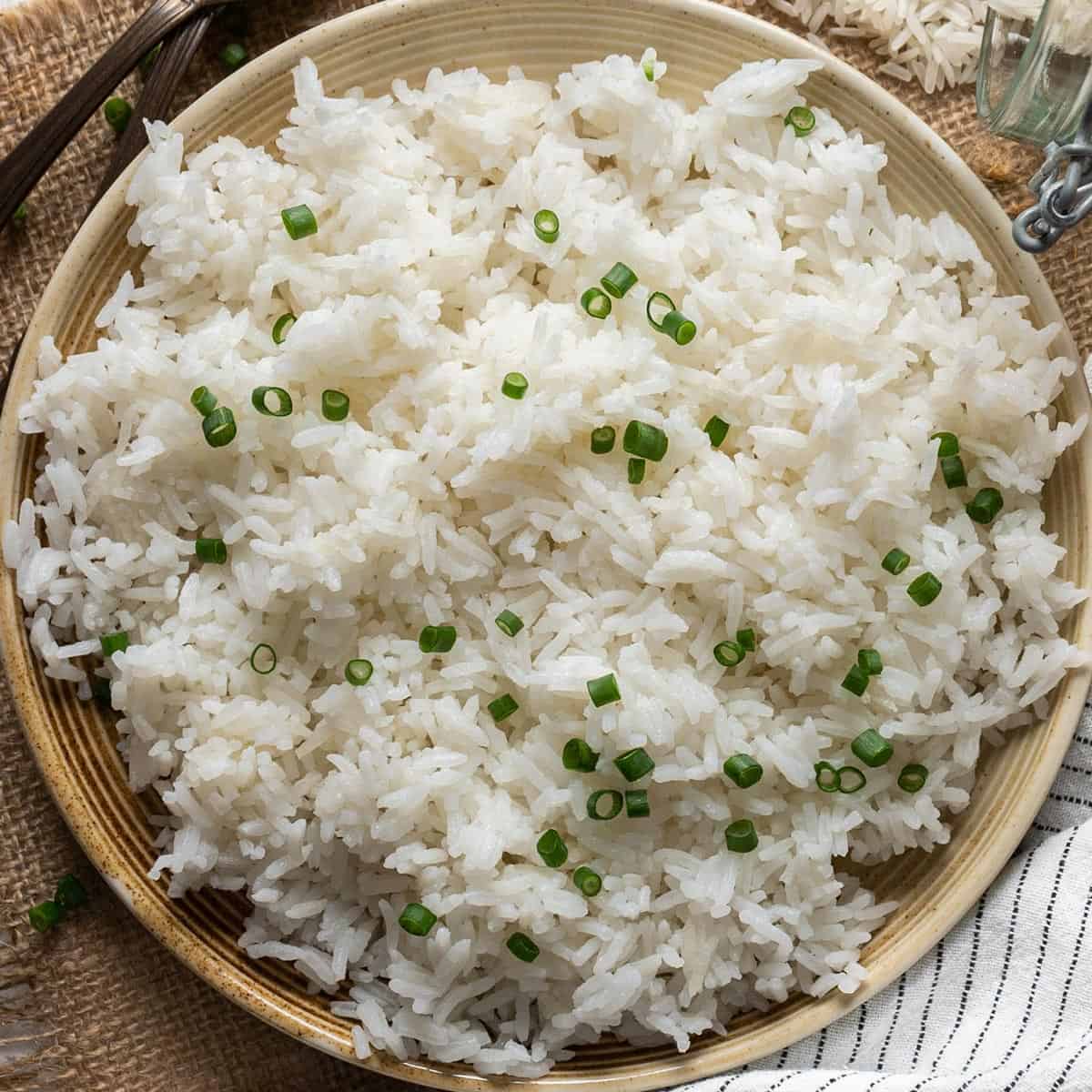
Credit: www.elmundoeats.com
Flavor Enhancements
Jasmine rice tastes great on its own, but small changes can make it even better. Adding flavors while cooking makes the rice more delicious and exciting. Simple steps like using herbs, spices, or different liquids can bring out the rice’s natural aroma and texture. These flavor enhancements help you enjoy jasmine rice with every meal.
Adding Aromatics
Aromatics add a fresh, inviting smell and taste to jasmine rice. Use ingredients like garlic, onion, or ginger to boost flavor. Sauté these aromatics in oil or butter before adding rice and water. This step releases their natural oils and makes the rice fragrant.
Here are some common aromatics to try:
- Garlic: Mince 1-2 cloves and cook until golden.
- Onion: Finely chop half a small onion and sauté until soft.
- Ginger: Grate a small piece for a warm, spicy note.
- Lemongrass: Bruise a stalk and simmer with rice for a citrusy aroma.
- Bay leaves: Add 1-2 leaves while cooking for subtle earthiness.
Using aromatics offers these benefits:
| Benefit | Description |
|---|---|
| Enhanced Aroma | Makes rice smell inviting and fresh. |
| Richer Flavor | Adds depth and complexity. |
| Variety | Allows customization based on your taste. |
Try mixing different aromatics for unique flavors. Start with small amounts to avoid overpowering the rice.
Using Broth Instead Of Water
Cooking jasmine rice in broth gives it more taste than plain water. Broth adds natural seasoning and richness. Use chicken, vegetable, or beef broth based on your meal.
Benefits of broth over water include:
- Deeper flavor: Broth contains herbs and spices that enhance taste.
- Better aroma: The smell of broth makes rice more appetizing.
- More nutrients: Broth can add vitamins and minerals to your dish.
Use low-sodium broth to control salt levels. You can also add extra herbs or spices to the broth before cooking.
Here is a simple guide for broth substitution:
| Ingredient | Amount | Notes |
|---|---|---|
| Water | 1 cup | Standard for cooking jasmine rice |
| Broth (chicken, vegetable, beef) | 1 cup | Use same amount as water |
Replace water fully or partly with broth depending on your preference. This simple change lifts the rice’s flavor and makes it more satisfying.
Storing And Reheating
Storing and reheating jasmine rice correctly keeps its texture fresh and its flavor tasty. After cooking, jasmine rice can become dry or sticky if not stored well. Proper storage helps prevent spoilage and keeps the rice safe to eat. Reheating jasmine rice the right way restores its softness and warmth without making it mushy. This section explains how to store and reheat jasmine rice for the best results.
Proper Storage Techniques
Store jasmine rice in an airtight container to stop moisture and odors from affecting it. Let the rice cool down to room temperature before putting it in the fridge. Hot rice traps steam, which can cause bacteria to grow faster.
- Use shallow containers for faster cooling.
- Label the container with the date to track freshness.
- Keep rice in the fridge for up to 4-6 days.
- Freeze rice for longer storage, up to 1 month.
Freezing rice keeps it fresh but may change the texture slightly after reheating. To freeze, spread the rice on a baking sheet, freeze until firm, then transfer to freezer bags. This method stops clumps and makes thawing easier.
| Storage Method | Container Type | Storage Time | Notes |
|---|---|---|---|
| Refrigeration | Airtight container | 4-6 days | Cool rice before storing |
| Freezing | Freezer bag or airtight container | Up to 1 month | Freeze in small portions |
Reheating Methods
Reheat jasmine rice gently to keep grains separate and soft. Avoid overheating or microwaving too long, which makes rice dry and hard. Use these methods for best texture and taste:
- Microwave: Place rice in a microwave-safe bowl. Add a splash of water to keep moisture. Cover with a lid or plastic wrap. Heat for 1-2 minutes, stirring halfway.
- Stovetop: Put rice in a pan with a small amount of water or broth. Cover and warm on low heat. Stir occasionally to prevent sticking.
- Steaming: Use a steamer basket over boiling water. Steam rice for 5-10 minutes until heated through.
Always check the temperature before eating. Rice should be steaming hot to avoid food safety risks. If reheating frozen rice, thaw it in the fridge overnight or use the microwave’s defrost setting first.
| Reheating Method | Steps | Time | Tips |
|---|---|---|---|
| Microwave | Cover rice, add water, heat | 1-2 minutes | Stir halfway, cover to retain moisture |
| Stovetop | Heat rice with water, cover | 5-7 minutes | Use low heat, stir often |
| Steaming | Steam rice over boiling water | 5-10 minutes | Keep covered to trap steam |
Frequently Asked Questions
How Much Water Is Needed For Jasmine Rice?
Use 1 1/2 cups of water for every 1 cup of jasmine rice. This ratio ensures fluffy, perfectly cooked rice without being mushy or dry.
Can I Cook Jasmine Rice Without Rinsing?
Rinsing jasmine rice removes excess starch and prevents clumping. It’s recommended but not mandatory. Rinsed rice cooks more evenly and has a better texture.
How Long Does Jasmine Rice Take To Cook?
Jasmine rice typically takes 15-20 minutes to cook on the stovetop. Let it rest covered for 10 minutes after cooking for best results.
Can I Use A Rice Cooker For Jasmine Rice?
Yes, a rice cooker works great for jasmine rice. Use the same water-to-rice ratio and follow your cooker’s instructions for best texture.
Conclusion
Cooking jasmine rice is simple with the right steps. Rinse the rice well to remove extra starch. Use the correct water amount to keep rice fluffy. Let the rice rest after cooking to finish steaming. This method gives you soft, fragrant rice every time.
Try it with your favorite dishes for a tasty meal. Practice makes perfect, so don’t worry if it’s not perfect at first. Enjoy the natural aroma and texture of jasmine rice at home.

Hello, This is Annie Walker, a 38-year-old blogger, founder, and editor of Cookware Guider from NY, USA. I am a cookware fanatic and passionate cooker. I love to cook with different types of cooking appliances (example: all types of cookware, rice cookers, slow cookers, etc) almost every day in my kitchen. I love to share my experience with my readers in my blog. Also, I enjoy helping people to solve their problems through my website. You can follow me on Twitter & Pinterest. To know details about my blog please check the about us page.