
Choosing the right cookware can change the way you cook and enjoy your meals. But with so many options out there, it’s easy to feel overwhelmed.
What materials should you pick? Which pieces are worth your money? And how do you know what fits your cooking style best? This guide will help you cut through the noise and make smart choices that suit your kitchen and your needs.
Keep reading, and you’ll discover simple tips that save you time, money, and frustration every time you cook.
Credit: www.youtube.com
Types Of Cookware Materials
Choosing the right cookware material affects cooking results and durability. Each type works best for specific cooking styles and heat levels. Knowing the main materials helps pick the best set for your kitchen.
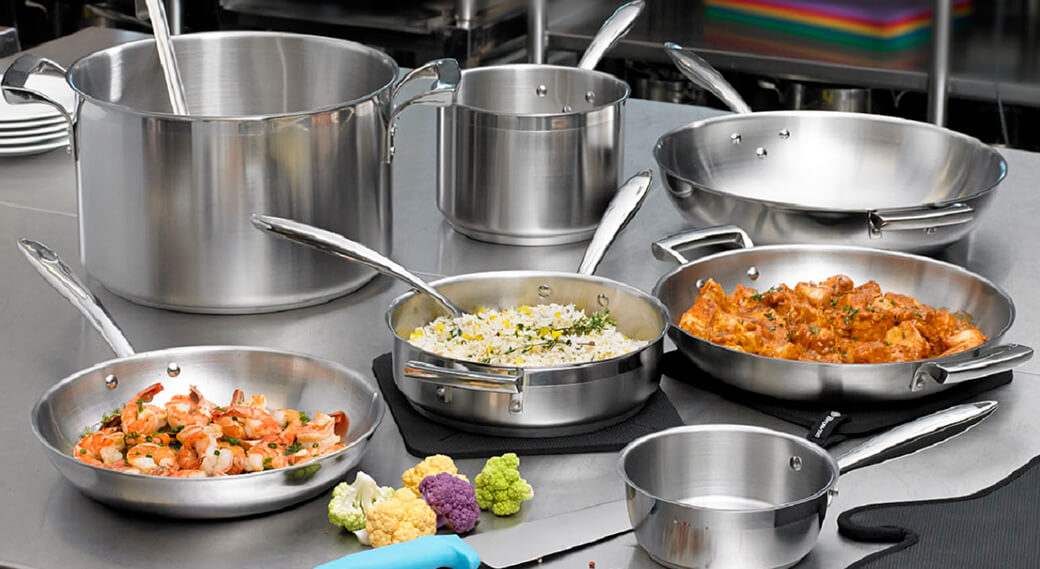
Stainless Steel
Stainless steel is strong and lasts long. It does not react with food, keeping flavors pure. This material heats evenly but may need oil to prevent sticking. Great for boiling, sautéing, and browning.
Cast Iron
Cast iron holds heat well and cooks food evenly. It can go from stovetop to oven easily. With use, it builds a natural nonstick surface. Perfect for frying, baking, and slow cooking.
Nonstick
Nonstick pans need little or no oil. Food slides off easily for quick cleanup. Best for eggs, pancakes, and delicate foods. Use low to medium heat to protect the coating.
Copper
Copper heats very fast and cools quickly. It offers precise temperature control. Often lined with stainless steel to stop reactions with food. Preferred by chefs for sauces and delicate dishes.
Aluminum
Aluminum is lightweight and heats fast. It spreads heat evenly but can scratch or warp. Usually coated or anodized to increase strength. Works well for everyday cooking and baking.
Ceramic
Ceramic cookware has a smooth, nonstick surface. It is free from chemicals like PTFE or PFOA. Suitable for low to medium heat cooking. Good for simmering and light frying.
Credit: www.wasserstrom.com
Choosing Cookware Based On Cooking Style
Choosing cookware based on cooking style helps you cook better meals. Different pots and pans work best for certain cooking methods. Picking the right cookware saves time and improves food taste. It also protects your kitchen tools from damage.
Searing And Browning
Searing and browning need high heat and quick cooking. Cast iron and stainless steel pans work well here. They hold heat evenly and create a nice crust on meat. Avoid nonstick pans for searing because they can’t handle high heat.
Slow Cooking And Simmering
Slow cooking and simmering need low, steady heat. Heavy pots with tight lids are perfect. Dutch ovens and slow cookers keep heat steady and moisture inside. These pots help flavors develop slowly without burning food.
Baking And Roasting
Baking and roasting require cookware that goes in the oven. Metal baking sheets, roasting pans, and ceramic dishes are good choices. They spread heat evenly and brown food nicely. Avoid cookware that can’t handle oven temperatures.
Quick And High-heat Cooking
Quick cooking needs pans that heat up fast and cool down quickly. Stainless steel and aluminum pans are light and responsive. They allow you to control cooking temperature easily. Nonstick pans also work for gentle, fast cooking.
Cookware Shapes And Sizes
Choosing the right cookware shapes and sizes helps you cook a variety of meals easily. Different pans suit different cooking tasks. Knowing which shape to pick saves time and improves your cooking results.
Skillets And Frying Pans
Skillets and frying pans have flat bottoms and low sides. They heat food quickly and evenly. Use them for frying eggs, sautéing vegetables, or searing meat. Their wide surface lets moisture escape, creating a crispy texture.
Saucepans And Saucier Pans
Saucepans have tall, straight sides and a lid. They hold liquids well for boiling or simmering. Saucier pans have rounded sides for easy stirring. Both are great for sauces, soups, and stews. Choose size based on the amount you cook.
Stockpots And Dutch Ovens
Stockpots are large and tall with a wide base. They are perfect for making broth or boiling pasta. Dutch ovens are thick and heavy with a tight lid. They hold heat well for slow cooking and braising. Both come in various sizes for big meals.
Griddles And Grill Pans
Griddles have a flat, large surface for cooking many items at once. They work well for pancakes or sandwiches. Grill pans have ridges to create grill marks and drain fat. Use them for grilling meats or vegetables indoors.
Cookware Features To Consider
Choosing the right cookware means looking at important features. These features affect how safe and easy the cookware is to use. Good cookware should last long and fit your cooking style. Focus on handles, lids, oven safety, induction use, and cleaning needs.
Handles And Lids
Strong handles make pots and pans easy to lift. Look for handles that stay cool during cooking. Comfortable grips help avoid accidents. Lids should fit tightly to keep heat and moisture inside. Glass lids let you watch food without lifting the lid.
Oven Safety
Check if cookware can go in the oven. Oven-safe pots and pans add cooking options. Some handles and lids cannot handle high heat. Know the maximum oven temperature your cookware can take. This helps prevent damage or accidents.
Induction Compatibility
Induction stoves need special cookware. The bottom must be magnetic to work well. Stainless steel and cast iron usually work. Aluminum or copper pans may not unless they have a magnetic base. Using the right cookware saves energy and cooks food evenly.
Maintenance And Cleaning
Choose cookware that is easy to clean. Non-stick surfaces need gentle care to last longer. Some pots and pans are dishwasher safe. Others need hand washing to avoid damage. Proper cleaning keeps cookware in good shape and safe to use.
Budgeting For Cookware
Setting a budget for cookware helps manage your spending and avoid impulse buys. Cookware prices vary widely, so knowing your budget guides your choices. Decide how much you want to invest in quality and durability before shopping. This way, you get the best value without overspending.
Entry-level Options
Entry-level cookware suits beginners and tight budgets. These sets often use materials like aluminum or stainless steel. They offer decent performance for everyday cooking. Expect some wear over time but good value for the price. These options help start your kitchen setup without much cost.
Mid-range Picks
Mid-range cookware balances quality and price well. These usually feature better materials and thicker bases for even heat. Non-stick coatings or multi-ply construction appear in this range. Expect longer-lasting pans with improved cooking results. Mid-range picks suit regular home cooks wanting reliable tools.
High-end Investments
High-end cookware offers superior quality and durability. Materials like copper, heavy-gauge stainless steel, or cast iron dominate here. These sets provide excellent heat control and professional performance. They often come with lifetime warranties and stylish designs. High-end investments suit serious cooks and frequent kitchen use.
Building A Cookware Set
Building a cookware set takes thought and planning. A good set fits your cooking style. It lasts long and makes cooking easier. Start small and add pieces over time. This way, you get what you truly need.
Essential Pieces
Every kitchen needs a few basic pots and pans. A saucepan is perfect for sauces and small meals. A frying pan or skillet is great for frying and sautéing. A stockpot is useful for soups and boiling pasta. These three cover most cooking tasks.
Optional Add-ons
Add more pieces based on your cooking habits. A sauté pan works well for searing and browning. A grill pan gives food nice grill marks without going outside. A steamer insert helps cook vegetables quickly and healthily. Choose add-ons that fit your favorite recipes.
Replacing And Upgrading
Cookware wears out over time. Replace items that have scratches or lose heat evenly. Upgrade to better materials for longer use. Stainless steel and cast iron last longer and cook well. Keep your set fresh by replacing pieces bit by bit.
Common Cookware Mistakes To Avoid
Choosing the right cookware can be tricky. Many people make mistakes that cost time and money. Avoiding these errors can help you get the best pots and pans for your kitchen. Here are some common cookware mistakes to avoid.
Overbuying
Buying too many pots and pans can clutter your kitchen. You may end up with items you rarely use. Focus on versatile pieces that suit your cooking style. A few good pans work better than many unused ones.
Ignoring Material Differences
Cookware comes in many materials like stainless steel, cast iron, and non-stick. Each material heats food differently. Some are better for certain recipes. Knowing these differences helps you choose the right pan for each dish.
Neglecting Care Instructions
Every cookware type needs proper care. Ignoring cleaning and maintenance rules can damage your pans. Follow instructions to keep your cookware safe and lasting longer. Proper care saves money and keeps cooking easy.
Credit: www.wasserstrom.com
Frequently Asked Questions
What Materials Are Best For Durable Cookware?
Stainless steel and cast iron are the most durable materials. They resist warping and handle high heat well. Non-stick coatings are less durable but easier to clean. Choose based on cooking style and maintenance preference for long-lasting cookware.
How Do I Choose Cookware For Different Cooking Styles?
Match cookware material to cooking styles: stainless steel for searing, non-stick for low-fat cooking, and cast iron for slow cooking. Consider heat distribution and reactivity. Select pieces that suit your most common recipes to optimize cooking results and efficiency.
Is Non-stick Cookware Safe For Everyday Use?
Yes, non-stick cookware is safe if used properly. Avoid high heat and metal utensils to prevent coating damage. Choose PFOA-free options for health safety. Non-stick pans are great for easy cooking and cleaning but require careful handling.
How Important Is Cookware Size In The Kitchen?
Cookware size affects cooking quantity and heat efficiency. Use smaller pans for single servings and larger pots for families. Proper size ensures even cooking and prevents overcrowding. Select sizes that match your usual meal portions for best results.
Conclusion
Choosing the right cookware makes cooking easier and more fun. Think about the materials, size, and your cooking style. Good cookware lasts long and fits your kitchen needs. Take your time to compare options before buying. Remember, the best cookware helps you cook tasty meals every day.
Keep these tips in mind for better cooking results. Enjoy your time in the kitchen with the right tools.

Hello, This is Annie Walker, a 38-year-old blogger, founder, and editor of Cookware Guider from NY, USA. I am a cookware fanatic and passionate cooker. I love to cook with different types of cooking appliances (example: all types of cookware, rice cookers, slow cookers, etc) almost every day in my kitchen. I love to share my experience with my readers in my blog. Also, I enjoy helping people to solve their problems through my website. You can follow me on Twitter & Pinterest. To know details about my blog please check the about us page.