
If you’ve just got your hands on carbon steel cookware, you’re probably wondering how to get it ready for the best cooking experience. Seasoning your carbon steel pan is the secret to unlocking its full potential.
It creates a natural, non-stick surface that improves with every use. But how exactly do you season it? And why does it matter so much for your cooking? Keep reading, because mastering this simple step will change the way you cook—and clean—forever.
Your meals will taste better, and your pan will last for years. Let’s dive into the easy process of seasoning your carbon steel cookware.
Why Season Carbon Steel
Seasoning carbon steel cookware is an essential step before cooking. It prepares the surface to protect the pan and improve its performance. Without seasoning, carbon steel can rust and food may stick to the surface. Proper seasoning extends the life of the cookware and makes cooking easier and more enjoyable.
Benefits Of Seasoning
Seasoning adds a natural, protective layer on the pan’s surface. This layer helps food cook evenly and prevents sticking. It also makes cleaning easier by creating a smooth surface. Seasoned pans improve flavor by reducing the chance of burnt food bits. Over time, seasoning creates a dark, shiny finish that looks great and works well.
How Seasoning Prevents Rust
Carbon steel can rust quickly without protection. Seasoning creates a barrier between the metal and moisture. This barrier stops water from touching the steel. As a result, rust does not form easily. Regular seasoning keeps the pan safe from rust, even after many uses. Proper care after seasoning ensures long-lasting protection.
Enhancing Non-stick Properties
Seasoning makes the pan more non-stick naturally. The oil layer fills tiny holes on the surface. This smooth layer reduces food sticking during cooking. It means less oil is needed for frying or sautéing. Over time, the non-stick effect improves with each use. This natural non-stick is safer and healthier than chemical coatings.
:max_bytes(150000):strip_icc()/__opt__aboutcom__coeus__resources__content_migration__serious_eats__seriouseats.com__2019__05__20190510-seasoning-carbon-steel-vicky-wasik-smoking-1500x1125-224db722ba0f46d3a363651fcb022290.jpg)
Credit: www.seriouseats.com
Choosing The Right Carbon Steel Pan
Choosing the right carbon steel pan is important for good cooking and easy seasoning. Different pans serve different needs. The pan you pick affects how well it seasons and performs in your kitchen. Think about what you want to cook and how much space you have. This guide helps you understand the types, sizes, and seasoning options of carbon steel cookware.
Types Of Carbon Steel Cookware
Carbon steel pans come in many styles. The most common are skillets, woks, and crepe pans. Skillets are great for frying and sautéing. Woks work well for stir-frying with high heat. Crepe pans have a flat surface for making thin pancakes. Each type heats differently and needs specific care. Choose the type that fits your cooking style best.
Size And Shape Considerations
Size matters for cooking and seasoning. Small pans heat quickly but hold less food. Large pans cook more but take longer to heat. Shapes also affect cooking. A deep pan traps heat and moisture. A flat pan gives even heat on the surface. Pick a size and shape that match your stove and meals. This makes seasoning easier and cooking better.
Pre-seasoned Vs Raw Pans
Some carbon steel pans come pre-seasoned. They have a thin layer of oil baked on. This layer protects the pan and helps food not stick. Raw pans do not have this layer. They need full seasoning before use. Pre-seasoned pans save time but may need extra seasoning. Raw pans give more control but require effort. Choose based on how much time you want to spend.
Preparing Your Pan For Seasoning
Preparing your carbon steel pan for seasoning is an important step. It ensures the pan develops a strong, non-stick surface. The pan must be clean and dry before applying oil. This section covers key steps to get your pan ready for seasoning.
Cleaning Before Seasoning
Start by washing the pan with warm water and a small amount of soap. Use a sponge or soft cloth to remove dirt and dust. Avoid harsh scrubbers that may scratch the surface. Rinse the pan well to remove all soap residue. Cleanliness helps the oil stick better during seasoning.
Removing Factory Coating
Most new carbon steel pans have a protective coating. This coating prevents rust but stops oil from bonding to the metal. Use hot water and a mild scrub to remove this layer. You might need to repeat the process until the pan feels smooth and bare. Removing the coating is essential for proper seasoning.
Drying Techniques
After cleaning, dry the pan immediately to stop rust. Wipe the pan with a clean towel. Then, place it on low heat for a few minutes. This step removes any leftover moisture inside. The pan must be completely dry before seasoning begins.
Best Oils And Fats To Use
Choosing the right oil or fat is key to seasoning carbon steel cookware well. The oil creates a protective layer that stops rust and builds a non-stick surface. Not all oils work the same. Some burn too fast, and others leave sticky spots. This guide helps pick the best oils and fats for easy and effective seasoning.
High Smoke Point Oils
Oils with a high smoke point are best for seasoning carbon steel. They can handle high heat without burning or smoking. Examples include canola oil, grapeseed oil, and sunflower oil. These oils form a strong, smooth coating on the pan. Avoid oils with low smoke points like olive oil. They burn quickly and make seasoning uneven.
Animal Fats Vs Vegetable Oils
Animal fats like lard and tallow are traditional choices for seasoning. They create a hard, durable layer on the pan. Vegetable oils are popular too. They are easy to find and usually cheaper. Animal fats may add a richer seasoning, but vegetable oils can work well. Both types protect the pan and improve cooking.
Avoiding Sticky Residues
Sticky residues happen when oil is applied too thick or heated unevenly. Use a thin layer of oil when seasoning. Wipe off extra oil with a paper towel before heating. Heat the pan slowly and evenly to avoid sticky spots. Choose oils that polymerize well, like flaxseed oil, to reduce stickiness. Proper technique keeps the seasoning smooth and durable.
Step-by-step Seasoning Process
Seasoning carbon steel cookware is key to making it non-stick and rust-resistant. The process creates a protective layer that improves with use. Follow these simple steps to season your pan properly. This ensures long-lasting performance and easy cooking.
Applying Oil Correctly
Start with a clean, dry pan. Use a small amount of oil. Choose oils with a high smoke point, like flaxseed or canola oil. Rub the oil evenly over the entire surface. Include the inside, outside, and handle. Avoid using too much oil; a thin layer works best.
Heating Methods: Oven Vs Stovetop
Heating helps the oil bond to the metal. Using an oven offers even heat, ideal for consistent seasoning. Preheat the oven to 400°F (200°C). Place the pan upside down on the rack. Heat for one hour, then cool naturally.
Alternatively, use the stovetop. Heat the pan on medium until the oil smokes slightly. Move the pan gently to spread heat evenly. Turn off the heat and let it cool. Oven seasoning often yields smoother results.
Multiple Coating Layers
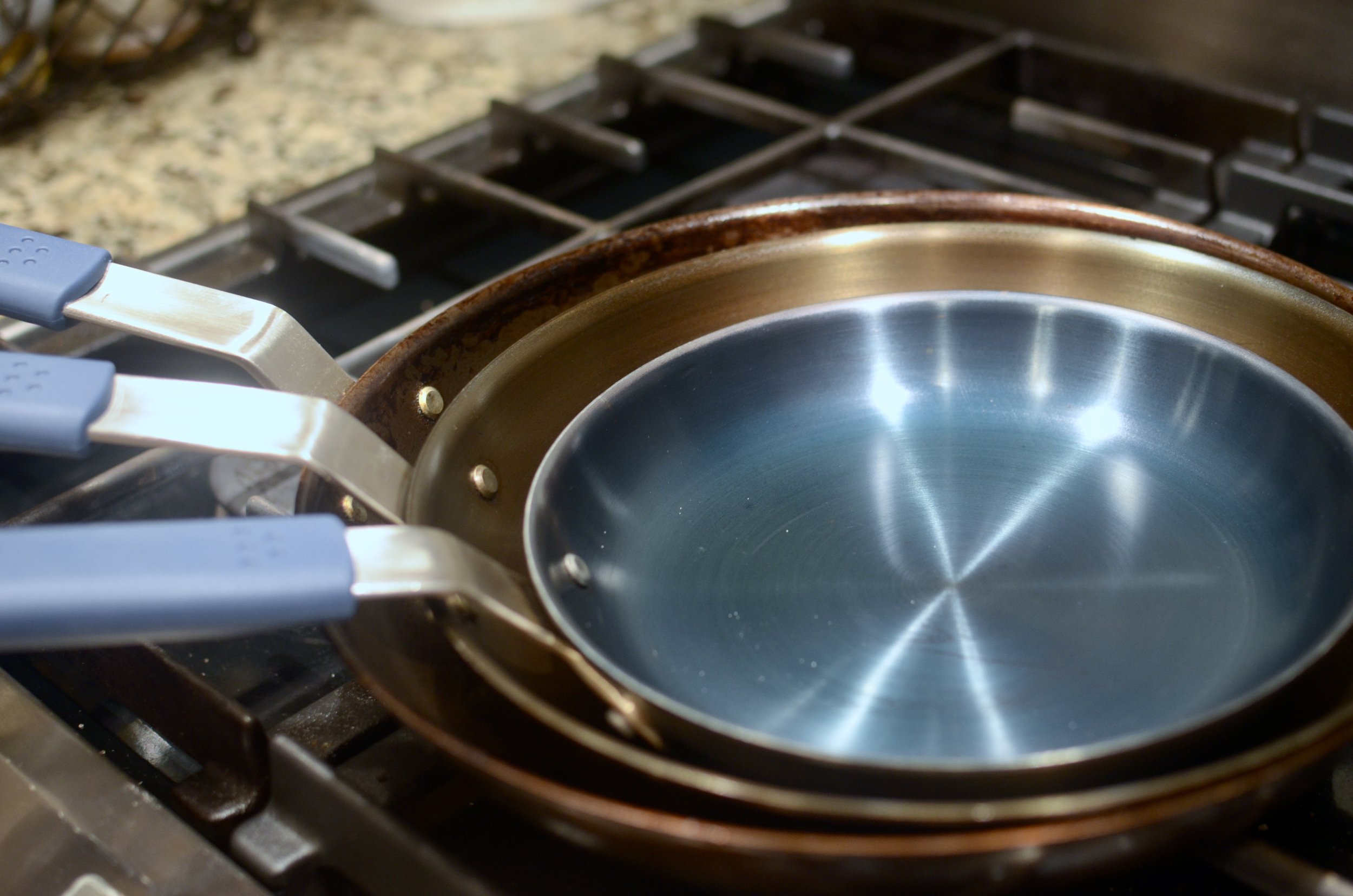
One coating is not enough. Repeat the oiling and heating steps 3 to 4 times. Each layer strengthens the seasoning and builds a better non-stick surface. Be patient; more layers mean better protection and performance. After several layers, your pan will develop a dark, shiny finish.
Credit: www.butteryum.org
Common Seasoning Mistakes
Seasoning carbon steel cookware is important for its performance and durability. Many beginners make common mistakes that affect the seasoning quality. Avoiding these errors helps your pan develop a strong, non-stick layer. Here are some frequent seasoning mistakes to watch out for.
Using Low Smoke Point Oils
Some oils burn too fast and ruin the seasoning. Choose oils with a high smoke point like flaxseed, grapeseed, or canola oil. Low smoke point oils create sticky, uneven layers. This weakens the protective coating and causes rust.
Skipping Cleaning Steps
Not cleaning your pan properly before seasoning leaves dirt and grease. These block the oil from bonding to the metal. Wash with warm water and mild soap. Dry completely to stop rust. Clean surfaces help the seasoning stick well and last longer.
Overheating Or Underheating
Heating the pan too much burns the oil and damages the layer. Too little heat stops the oil from polymerizing. Heat the pan at medium temperature for the right time. This forms a smooth, durable coating. Control heat to get the best seasoning results.
Maintaining Seasoned Carbon Steel
Maintaining the seasoning on carbon steel cookware keeps it non-stick and rust-free. Proper care helps the pan last longer and cook better. Small habits protect the seasoning layer and improve your cooking experience.
Cleaning Without Stripping Seasoning
Use warm water and a soft sponge to clean the pan. Avoid soap or scrubbers that remove the seasoning layer. For stuck food, soak the pan briefly in hot water. Gently scrub with a brush or non-abrasive sponge. Dry the pan immediately to stop rust from forming.
Re-seasoning Tips
Re-season the pan if food starts sticking or rust appears. Heat the pan on low heat until dry. Apply a thin layer of cooking oil evenly. Heat the pan on medium-high for 10 minutes. Let it cool and wipe off excess oil. Repeat this process if needed for better coating.
Storage Recommendations
Store the pan in a dry place with good air flow. Avoid stacking with other cookware that can scratch the surface. Place a paper towel inside the pan to absorb moisture. Regularly check for rust spots and re-season if needed. Proper storage keeps your carbon steel pan ready to use.
Troubleshooting Seasoning Issues
Seasoning carbon steel cookware is key for cooking success. Sometimes, problems happen during seasoning. These problems can stop your pan from working well. Understanding how to fix these issues keeps your cookware in top shape. Here are common problems and simple fixes.
Dealing With Sticky Surfaces
Sticky surfaces mean the seasoning did not form well. This can happen if the oil layer is too thick. Heat the pan on medium until it stops being sticky. Wipe it with a paper towel to remove excess oil. Repeat seasoning with a thin oil layer for best results.
Rust Removal And Prevention
Rust appears if water stays on the pan too long. Remove rust by scrubbing gently with a steel wool or fine sandpaper. Wash and dry the pan completely. Apply a thin coat of oil to stop rust from coming back. Store your pan in a dry place always.
Restoring A Damaged Seasoning
Scratches or peeling mean the seasoning is damaged. Clean the pan well with warm water and mild soap. Dry it fully before reapplying oil. Heat the pan in the oven or on the stove to rebuild the seasoning layer. Repeat the process for a smooth, strong surface.
Credit: www.reddit.com
Frequently Asked Questions
How Do You Season Carbon Steel Cookware Properly?
To season carbon steel cookware, clean and dry it thoroughly. Apply a thin layer of oil, then heat the pan until it smokes. Let it cool, wipe off excess oil, and repeat for a durable, non-stick surface.
What Oil Is Best For Seasoning Carbon Steel Pans?
Use oils with high smoke points like flaxseed, grapeseed, or vegetable oil. These oils polymerize well, creating a strong, non-stick seasoning layer on your carbon steel cookware.
How Often Should I Season My Carbon Steel Cookware?
Season your carbon steel cookware after initial use and whenever food starts sticking. Regular seasoning maintains its non-stick surface and prevents rust, ensuring optimal cooking performance.
Can I Use My Carbon Steel Pan Without Seasoning It?
You can, but unseasoned carbon steel pans will stick and rust easily. Seasoning protects the pan, improves cooking, and extends its lifespan, making it essential for best results.
Conclusion
Seasoning carbon steel cookware keeps it non-stick and rust-free. Clean and dry your pan well before applying oil. Heat the pan to lock the oil into the surface. Repeat the process for a stronger protective layer. Proper care helps your pan last for years.
Enjoy cooking with your well-seasoned carbon steel cookware! Simple steps bring great results every time.

Hello, This is Annie Walker, a 38-year-old blogger, founder, and editor of Cookware Guider from NY, USA. I am a cookware fanatic and passionate cooker. I love to cook with different types of cooking appliances (example: all types of cookware, rice cookers, slow cookers, etc) almost every day in my kitchen. I love to share my experience with my readers in my blog. Also, I enjoy helping people to solve their problems through my website. You can follow me on Twitter & Pinterest. To know details about my blog please check the about us page.