
If you own copper cookware, you already know it’s a beautiful and valuable addition to your kitchen. But did you know that seasoning your copper pots and pans can make a huge difference in how they perform and last?
Proper seasoning protects your cookware, enhances its non-stick qualities, and keeps it looking shiny and new. You’ll discover simple steps to season your copper cookware like a pro. By the time you finish reading, you’ll have the confidence to care for your copper pieces and enjoy cooking with them every day.
Keep reading to unlock the secrets that will make your copper cookware truly shine.

Credit: us.ruffoni.net
Why Season Copper Cookware
Copper cookware is prized for its excellent heat conduction and beautiful look. But copper alone can react with food and cause problems. Seasoning copper cookware creates a protective layer that improves performance and durability.
Seasoning also helps keep your cookware safe and easy to clean. It extends the life of your investment and keeps your cooking consistent. Understanding why to season copper cookware helps you care for it properly.
Benefits Of Seasoning
Seasoning copper cookware builds a thin, non-stick layer on the surface. This layer prevents food from sticking and burning. It also stops copper from reacting with acidic foods, which can change taste and color.
Seasoned copper cookware cleans easier because food does not cling tightly. It also resists rust and corrosion longer. The seasoning improves heat distribution, so food cooks evenly and faster.
Common Issues Without Seasoning
Without seasoning, copper cookware can tarnish quickly. It reacts with acidic ingredients, causing a metallic taste in your food. Copper can also discolor, making the pots and pans look dull.
Food sticks more to unseasoned copper, making cooking and cleaning harder. The cookware may develop spots or stains that are tough to remove. Over time, unseasoned copper can wear out faster and lose its shine.
:max_bytes(150000):strip_icc()/alr-primary-copper-cookware-sets-rkilgore-0570-c57fc51934924849bb4a63e50a17d474.jpeg)
Credit: www.allrecipes.com
Preparing Copper Cookware
Preparing copper cookware is the first step to ensure it performs well. Clean cookware allows seasoning to stick better. This process removes dirt, oils, and old residues. Proper preparation improves the cookware’s durability and cooking results.
Cleaning Before Seasoning
Start by washing the copper cookware with warm water and mild soap. Use a soft sponge to avoid scratching the surface. Rinse thoroughly to remove all soap traces. Dry the cookware completely with a soft cloth. This step removes everyday dirt and grease.
Removing Tarnish And Residue
Tarnish makes copper look dull and can block seasoning. Use a paste of lemon juice and salt to clean tarnish. Rub the paste gently on the surface with a soft cloth. Rinse well and dry the cookware fully. This restores the copper’s shine and prepares it for seasoning.
Choosing The Right Oil
Choosing the right oil is key to properly seasoning copper cookware. The oil creates a protective layer that improves the pan’s cooking surface. Not all oils work the same. Some oils offer better durability and flavor protection. Others can leave sticky or uneven coatings. Knowing which oils to use helps keep your copper cookware in top shape.
Best Oils For Seasoning
Flaxseed oil is a popular choice. It dries hard and forms a strong coating. Grapeseed oil is another good option. It has a high smoke point and dries well. Canola oil works fine too. It is easy to find and creates a smooth finish. Sunflower oil offers a neutral flavor and good drying properties. These oils help build a durable, non-stick layer on copper pans.
Oils To Avoid
Olive oil is not ideal for seasoning. It has a low smoke point and can turn sticky. Butter and animal fats do not dry well and can cause uneven layers. Vegetable oils like corn or soybean oil may leave a sticky residue. Avoid oils that smoke at low temperatures to prevent damage. Using the wrong oil can ruin your seasoning effort.
Step-by-step Seasoning Process
Seasoning copper cookware improves its durability and cooking performance. The process creates a protective layer on the surface. This layer helps prevent food from sticking and makes cleaning easier. Follow the simple steps below to season your copper cookware properly.
Applying Oil Evenly
Start with clean, dry cookware. Use a soft cloth or paper towel. Apply a thin layer of cooking oil. Choose oils with high smoke points like vegetable or flaxseed oil. Spread the oil evenly on the entire cooking surface. Don’t leave any thick spots or pools of oil.
Heating Techniques
Place the oiled cookware on medium heat. Heat it slowly until the oil starts to smoke. This process helps the oil bond to the metal. Keep heating for about 10 minutes. Avoid overheating to prevent damage. Turn off the heat and let the pan cool slightly.
Cooling And Repeating
Allow the cookware to cool down completely. Use a clean cloth to wipe any excess oil. Repeat the oil application and heating steps two to three more times. This builds a strong, even seasoning layer. Your copper cookware will become more non-stick and durable.
Maintaining The Shine
Maintaining the shine of copper cookware keeps it beautiful and lasts longer. Copper looks great when it is clean and polished. Over time, it can lose its brightness due to cooking and exposure to air. Regular care helps keep the copper bright and smooth. Simple steps protect your cookware from dullness and stains.
Regular Cleaning Tips
Clean copper cookware after each use. Use warm water and mild soap. Avoid harsh chemicals or abrasive pads. They can scratch the surface. Dry the cookware with a soft cloth. This stops water spots from forming. For extra shine, polish with a copper cleaner. Use a soft cloth to rub gently. This removes tarnish and restores the glow.
Re-seasoning Frequency
Re-season copper cookware every few months. This depends on how often you cook. If the surface looks dull or sticky, it is time. Heat a small amount of oil on the pan. Let it cool and wipe off extra oil. This adds a protective layer. It keeps food from sticking and adds shine.
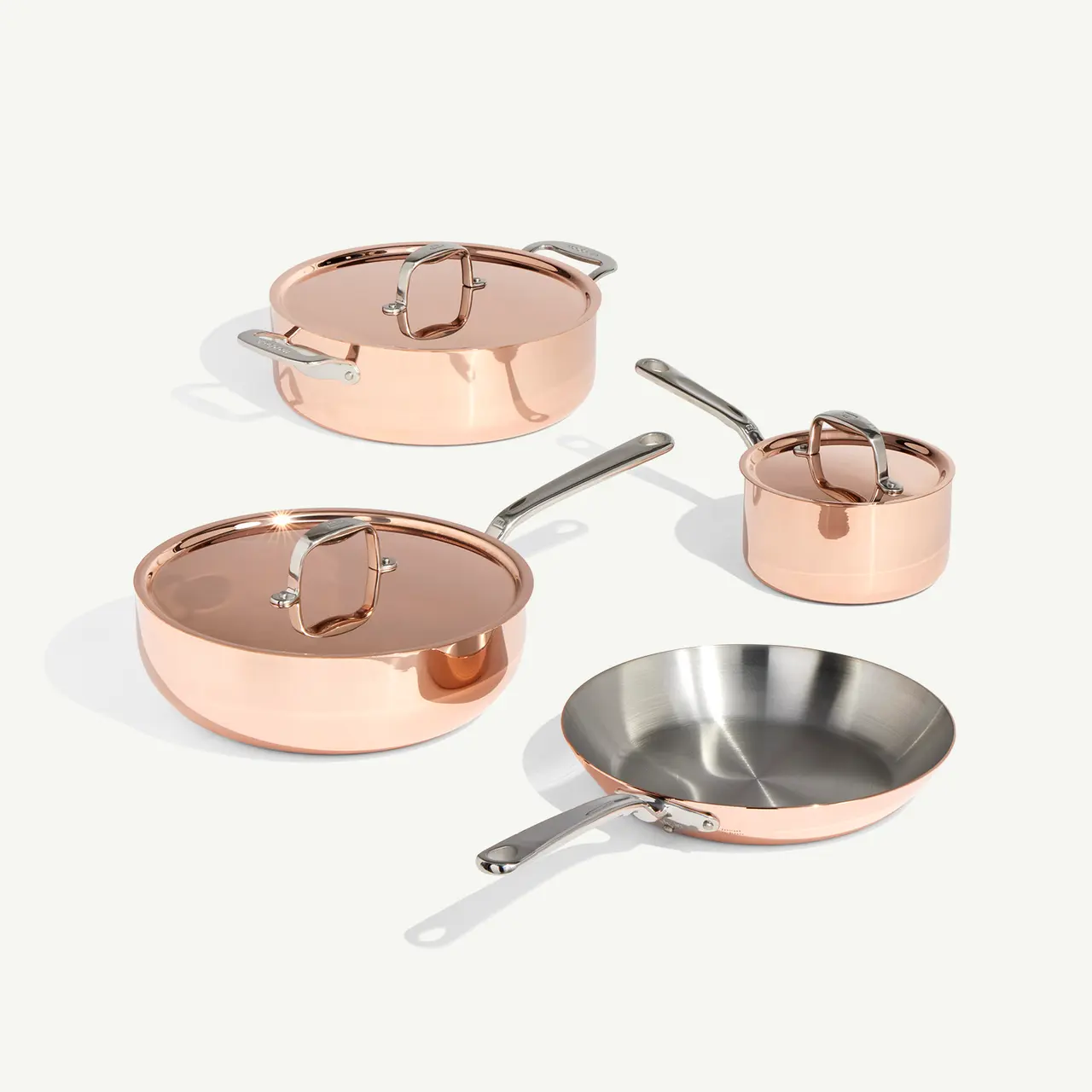
Credit: madeincookware.com
Troubleshooting Common Problems
Seasoning copper cookware can sometimes cause issues. These problems may affect cooking and cleanup. Knowing how to fix them keeps your pots and pans in good shape. Below are common problems and how to solve them quickly.
Dealing With Stickiness
Sticky residue can form after seasoning. This happens if the oil layer is too thick. It makes food stick and is hard to clean. To fix this, wipe off extra oil with a paper towel before heating.
Heat the pan on low for a few minutes. This helps the oil bond properly to the surface. Let the pan cool, then wipe it with a clean cloth. Repeat seasoning with a thin layer of oil for best results.
Handling Discoloration
Discoloration may appear as dark or uneven spots. This occurs from overheating or using the wrong oil. To remove discoloration, clean the pan gently with a soft cloth and mild soap.
Use a mixture of lemon juice and salt to brighten the surface. Rub lightly, then rinse well with warm water. Dry the pan completely to avoid water spots. Regular, gentle cleaning prevents discoloration from building up.
Frequently Asked Questions
How Do You Season Copper Cookware Properly?
To season copper cookware, clean it thoroughly first. Heat the pan, then rub a thin layer of oil inside. Heat it again until the oil smokes, then let it cool. This process creates a protective, non-stick surface to preserve the cookware.
Why Is Seasoning Copper Cookware Important?
Seasoning copper cookware prevents food from sticking and protects the surface. It also helps maintain the pan’s natural shine and extends its lifespan. Proper seasoning ensures better cooking performance and easier cleanup.
Can I Use Any Oil To Season Copper Pans?
Use oils with high smoke points like flaxseed, grapeseed, or vegetable oil. Avoid low smoke point oils, as they can create sticky residues. Choosing the right oil ensures effective seasoning and a smooth, durable coating.
How Often Should I Season Copper Cookware?
Season your copper cookware every few months or when food starts sticking. Frequent seasoning keeps the protective layer intact and maintains optimal cooking performance. Regular care prolongs the pan’s beauty and functionality.
Conclusion
Seasoning copper cookware keeps it shiny and easy to cook with. A well-seasoned pan stops food from sticking. Regular care helps the cookware last longer. Clean it gently and dry it well each time. Use simple oil to create a smooth surface.
Small steps make a big difference in cooking. Treat your copper pots with care and patience. Enjoy better meals with cookware that works well. Keep seasoning often to protect your investment. Cooking becomes easier and more fun this way.

Hello, This is Annie Walker, a 38-year-old blogger, founder, and editor of Cookware Guider from NY, USA. I am a cookware fanatic and passionate cooker. I love to cook with different types of cooking appliances (example: all types of cookware, rice cookers, slow cookers, etc) almost every day in my kitchen. I love to share my experience with my readers in my blog. Also, I enjoy helping people to solve their problems through my website. You can follow me on Twitter & Pinterest. To know details about my blog please check the about us page.