
You’ve invested in stainless steel cookware because it’s durable, stylish, and easy to clean. But are you sure you’re treating it the right way to keep it looking brand new?
The truth is, without proper care, your shiny pots and pans can lose their luster and even develop stains or scratches. You’ll discover simple, effective tips to treat your stainless steel cookware so it stays beautiful and performs perfectly for years.
Keep reading to unlock the secrets that will make your kitchen experience smoother and more enjoyable.
Choosing The Right Stainless Steel
Choosing the right stainless steel cookware is key to cooking success and easy maintenance. Good quality cookware lasts longer and stays shiny. It also heats food evenly and resists stains and rust. Understanding stainless steel grades and how to spot durable cookware helps you pick the best pieces for your kitchen.
Grades And Quality
Stainless steel comes in different grades. The most common for cookware are 18/10, 18/8, and 18/0. The first number means 18% chromium. Chromium stops rust and adds shine. The second number shows nickel content. Nickel makes steel more resistant to corrosion and gives a smooth finish.
Cookware labeled 18/10 has the highest quality. It resists rust and holds shine longer. 18/8 is good but slightly less durable. 18/0 has no nickel and can rust or discolor faster. Choose 18/10 or 18/8 for better cooking performance.
Identifying Durable Cookware
Durable stainless steel cookware feels heavy. Thin or light pans often warp or dent. Check the base for thickness. A thick base spreads heat evenly and prevents hot spots.
Look for cookware with a layered base. Many good pans have aluminum or copper inside the base. These metals improve heat conduction. A smooth, polished surface is easier to clean and resists stains better.
Check the handles and lids too. Solid riveted handles last longer and stay cooler. Tight-fitting lids keep steam and heat inside, helping food cook well.

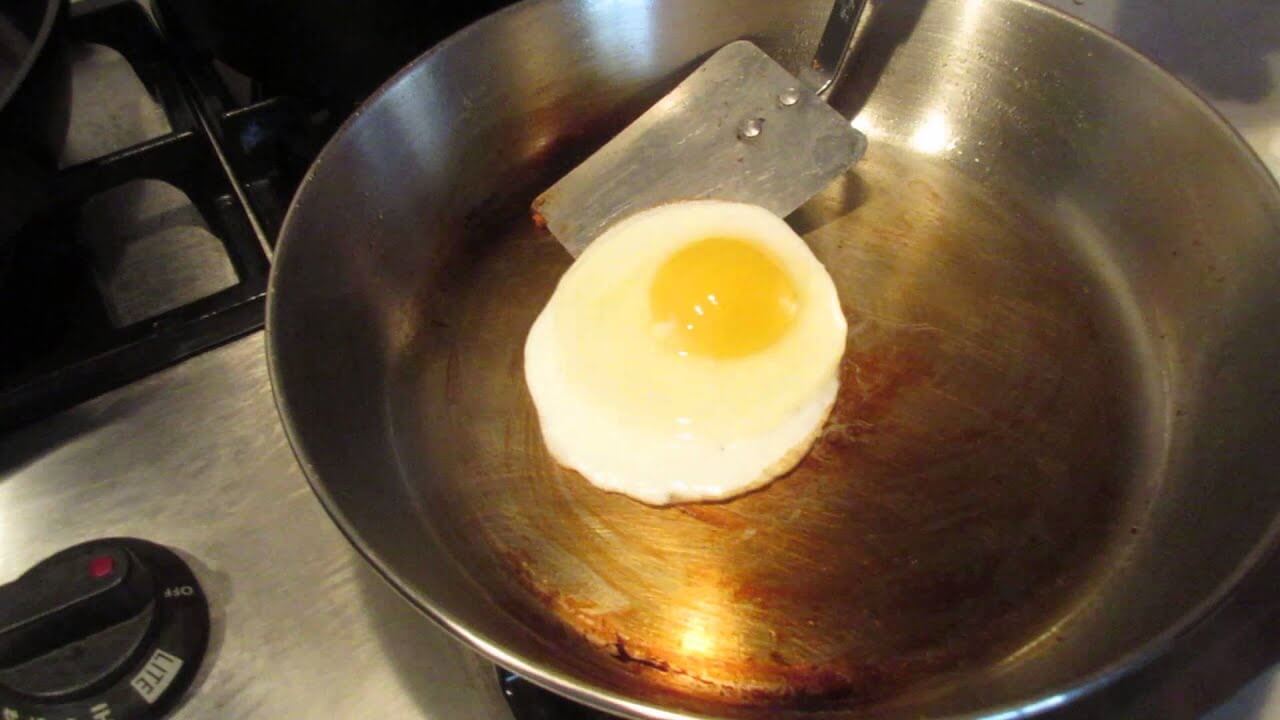
Credit: www.youtube.com
Daily Cleaning Techniques
Daily cleaning keeps stainless steel cookware shiny and healthy. Dirt and food bits can stick after cooking. Cleaning right stops stains and damage. It also helps your pots and pans last longer. Simple habits make a big difference. Follow these tips to clean your cookware every day.
Safe Detergents To Use
Use mild dish soap for cleaning stainless steel. Harsh chemicals can harm the surface. Choose gentle, non-abrasive detergents. Liquid soaps work best for washing by hand. Avoid bleach or strong alkaline cleaners. These can cause discoloration or pitting. Warm water helps soap work better. Rinse well to remove all soap residue. This keeps the steel bright and smooth.
Avoiding Common Cleaning Mistakes
Never use steel wool or hard scrubbers. They scratch the cookware’s surface. Avoid leaving food to dry on the pan. It makes cleaning harder and can cause stains. Don’t wash cookware in cold water right after cooking. Sudden temperature changes can warp metal. Use a soft sponge or cloth for cleaning. Dry the cookware immediately after washing. This prevents water spots and rust marks.
Removing Stubborn Stains
Stubborn stains on stainless steel cookware can look ugly and hard to clean. These stains often come from burnt food, water spots, or minerals. They need special care to remove without damaging the metal. This section shows easy ways to get rid of tough stains and keep your cookware shiny.
Natural Remedies
Baking soda is a gentle scrubber. Make a paste with water and baking soda. Rub it on the stain with a soft cloth. Let it sit for 15 minutes. Then, rinse with warm water and dry well.
White vinegar helps dissolve mineral deposits and water spots. Soak a cloth in vinegar and wipe the stained area. For tough spots, let vinegar sit on the stain for 10 minutes before scrubbing.
Lemon juice works as a natural bleach. Cut a lemon in half and rub it on the stain. Leave the juice on for a few minutes. Rinse thoroughly and dry the cookware.
Commercial Cleaners That Work
Use stainless steel cleaners designed for cookware. These products remove stains without scratching the surface. Follow the instructions on the label carefully for best results.
Bar Keepers Friend is a popular option. It cleans burnt spots and rust stains effectively. Apply a small amount on a damp cloth, rub gently, then rinse well.
Non-abrasive cream cleaners also work well. They polish the surface and restore shine. Avoid harsh powders or steel wool that can damage the cookware.
Credit: imarku.net
Polishing For Lasting Shine
Polishing stainless steel cookware keeps it looking new and shiny. Regular polishing removes stains and small scratches. It also protects the surface from dullness caused by heat and food residues. A good polish can make your cookware last longer and look great in your kitchen.
Homemade Polishing Solutions
Use simple ingredients from your kitchen to polish stainless steel. A mix of baking soda and water creates a gentle paste. Rub this paste onto the cookware with a soft cloth. Rinse well and dry with a clean towel. White vinegar also works well. Spray it on, then wipe with a soft cloth to shine the surface.
Using Professional Polishes
Professional polishes are made specifically for stainless steel. They clean and protect better than homemade solutions. Apply a small amount on a soft cloth. Rub it in circular motions to cover the entire surface. Let it dry, then buff with a dry cloth. Use these polishes sparingly to avoid buildup.
Preventing Damage And Discoloration
Stainless steel cookware looks great and lasts long with proper care. Preventing damage and discoloration helps keep your pots and pans shiny. Small habits during cooking and storage make a big difference. Follow these simple tips to protect your cookware every day.
Proper Heating Practices
Use medium or low heat instead of high heat. High heat can cause discoloration and warp the metal. Preheat the pan slowly before adding food. Avoid heating an empty pan for too long. Turn off the stove as soon as cooking is done. These steps keep your cookware safe from heat damage.
Storage Tips To Avoid Scratches
Store cookware carefully to prevent scratches and dents. Use soft cloth or paper towels between stacked pans. Avoid piling heavy items on top of your stainless steel pots. Hang pans on hooks if space allows. Clean and dry cookware completely before storing to avoid rust spots.

Credit: imarku.net
Restoring Old Or Dull Cookware
Stainless steel cookware can lose its shine and look dull after long use. Restoring old or dull cookware brings back its beauty and improves cooking performance. Simple cleaning and care can refresh your pots and pans effectively.
Deep Cleaning Methods
Start with a soak in warm water and mild dish soap. Use a soft cloth or sponge to scrub gently. For tough stains, sprinkle baking soda on the surface. Add a little water to make a paste, then scrub in circles. Rinse well and dry with a soft towel.
To remove burnt food, fill the pan with water and add white vinegar. Boil the mixture for a few minutes. Let it cool, then scrub with a sponge. This helps loosen stuck bits and restores the shine.
Use a stainless steel cleaner for stubborn spots. Apply it following the product instructions. Always rinse and dry the cookware fully after cleaning. This keeps the metal bright and prevents water spots.
When To Consider Replacement
Check your cookware for deep scratches or warping. These damages affect cooking quality and safety. If the non-stick layer peels or the surface is rough, replacement is wise.
Cookware older than 10 years may not perform well. If cleaning does not improve the look or function, consider buying new pieces. Investing in fresh cookware ensures better meals and durability.
Frequently Asked Questions
How Do I Clean Stainless Steel Cookware Effectively?
Use warm water, mild dish soap, and a soft sponge. Avoid abrasive cleaners that scratch the surface. For tough stains, use a paste of baking soda and water. Rinse well and dry immediately to prevent water spots and maintain shine.
Can Vinegar Remove Stains From Stainless Steel Cookware?
Yes, vinegar is excellent for removing stains and discoloration. Mix equal parts vinegar and water, soak the cookware briefly, then scrub gently. Rinse thoroughly and dry. Vinegar also helps restore shine and removes mineral deposits without harming the steel.
What Is The Best Way To Prevent Stainless Steel Cookware Discoloration?
Avoid overheating empty cookware and use medium heat for cooking. Clean promptly after use to prevent food residue buildup. Dry the cookware immediately to prevent water spots. Using proper cleaning methods helps maintain its natural finish and prevents discoloration.
How Do I Remove Burnt Food From Stainless Steel Pots?
Soak the pot in warm soapy water for 30 minutes. Use a non-abrasive scrubber to gently lift burnt food. For stubborn residue, boil water with baking soda in the pot, then scrub after cooling. Rinse and dry thoroughly.
Conclusion
Taking care of stainless steel cookware is simple and rewarding. Clean pots and pans right after use. Avoid harsh scrubbers to keep the surface smooth. Use gentle cleaners for stains and spots. Dry cookware well to prevent water marks. Store them in a dry place to avoid rust.
Regular care keeps your cookware shiny and lasting longer. Cooking will be more enjoyable with well-treated tools. Small efforts protect your investment every day. Keep these tips in mind for best results. Your kitchen stays bright, and meals taste better.

Hello, This is Annie Walker, a 38-year-old blogger, founder, and editor of Cookware Guider from NY, USA. I am a cookware fanatic and passionate cooker. I love to cook with different types of cooking appliances (example: all types of cookware, rice cookers, slow cookers, etc) almost every day in my kitchen. I love to share my experience with my readers in my blog. Also, I enjoy helping people to solve their problems through my website. You can follow me on Twitter & Pinterest. To know details about my blog please check the about us page.