
If you’ve ever struggled with cooking perfect rice, a Zojirushi rice cooker can be your best kitchen helper. But how do you make the most of this smart appliance?
You’re about to discover simple steps that will turn your rice cooking from guesswork into an easy, foolproof process. Whether you want fluffy white rice, sticky sushi rice, or even porridge, mastering your Zojirushi rice cooker will save you time and give you consistent results every time.
Keep reading to unlock the full potential of your rice cooker and impress everyone with perfectly cooked rice.
Choosing The Right Model
Choosing the right Zojirushi rice cooker is important for great cooking results. The brand offers many models with different features and sizes. Picking the best one depends on your needs and budget. This guide helps you understand what to consider before buying.
Basic Vs Advanced Features
Basic models cook rice well and have simple controls. They are good for daily use and easy to clean. Advanced models offer extra features like multiple cooking settings. These include options for brown rice, porridge, and baking. Some also have timers and keep-warm functions. Choose based on how much control you want over cooking.
Capacity Options
Zojirushi rice cookers come in various sizes. Small models cook enough rice for 1-3 people. Medium sizes work for families of 4-6. Large cookers serve bigger groups or parties. Think about how many people you cook for. A cooker too small means extra cooking. Too large wastes energy and space.
Price Considerations
Prices vary by features and size. Basic models are more affordable and fit small budgets. Advanced models cost more but offer more cooking options. Consider your budget and how often you will use the cooker. A more expensive model might save time and effort in the kitchen.

Credit: www.youtube.com
Setting Up Your Rice Cooker
Setting up your Zojirushi rice cooker is simple and quick. Follow these steps to prepare your cooker for the best rice cooking experience. Proper setup ensures your rice cooker works efficiently and lasts longer.
Unboxing And Initial Cleaning
Carefully remove the rice cooker from its box. Check all parts are included: the main unit, inner pot, measuring cup, and spatula. Wipe the inner pot with a soft cloth and warm water. Avoid using soap or abrasive cleaners. Clean the main unit’s exterior with a damp cloth. Dry all parts well before assembly.
Placing The Inner Pot
Place the inner pot inside the rice cooker. Make sure it fits snugly and sits flat. Check that the heating plate inside the cooker is clean and dry. Do not press or force the pot down. Proper placement helps even cooking and prevents damage to the cooker.
Powering On And Basic Settings
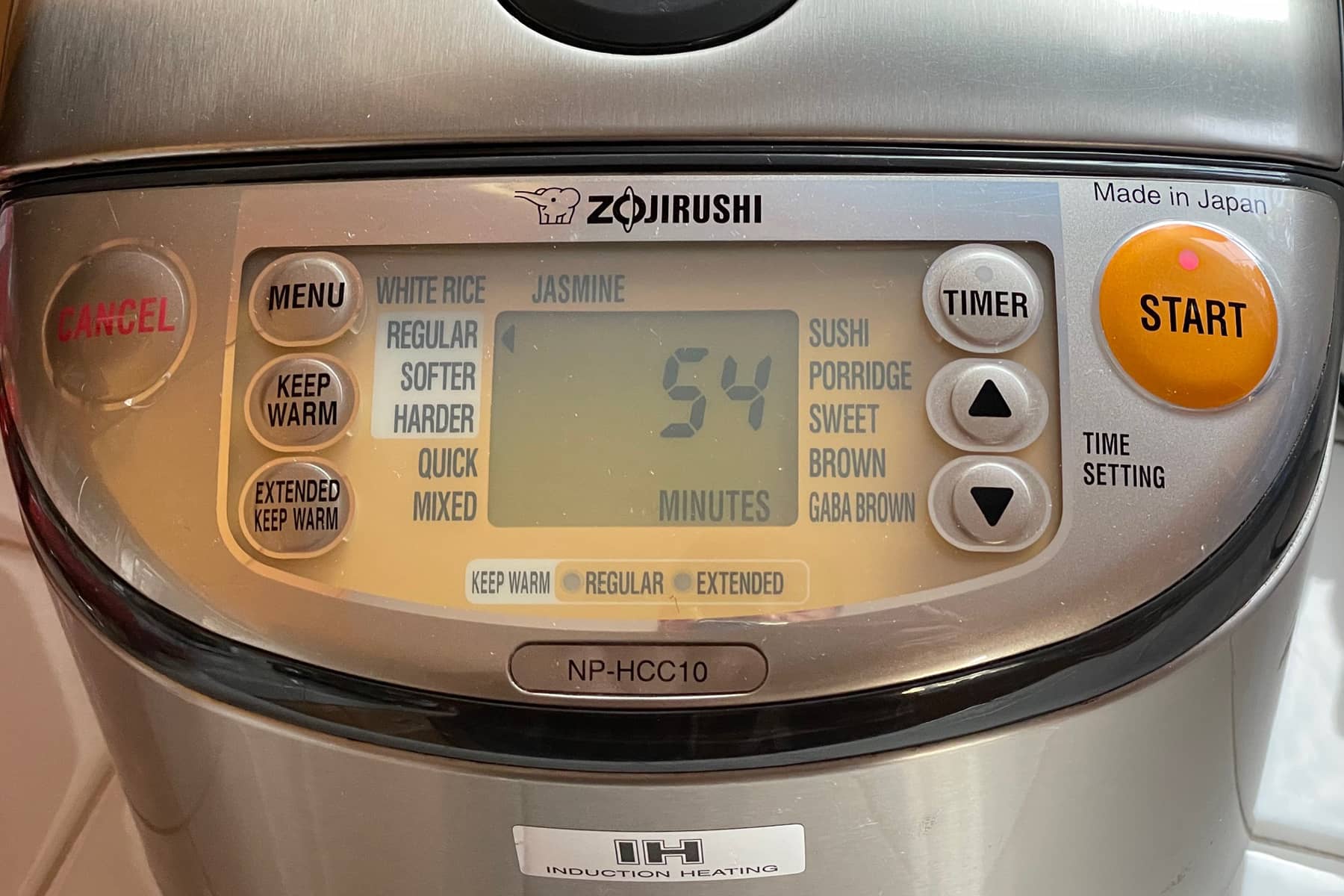
Plug the rice cooker into a power outlet. Press the power button to turn it on. Use the control panel to select the cooking mode. Choose settings based on the type of rice you want to cook. Press the start button to begin cooking. The cooker will automatically switch to keep warm mode after cooking finishes.
Selecting Rice Types
Selecting the right rice type is important for perfect results. Zojirushi rice cookers offer settings for different rice kinds. Each rice type needs a unique water amount and cooking time. Choosing the right type helps the cooker work best. Follow these tips to select rice types easily.
White Rice
White rice is the most common choice. It cooks quickly and has a soft texture. Use the “White Rice” setting on your Zojirushi cooker. Measure water carefully for fluffy rice. Rinse the rice before cooking to remove excess starch.
Brown Rice
Brown rice has a nuttier taste and more fiber. It takes longer to cook than white rice. Use the “Brown Rice” setting on the cooker. This setting adds more cooking time and water. Soaking brown rice before cooking can improve texture.
Sushi Rice
Sushi rice is sticky and slightly sweet. It holds together well for sushi rolls. Use the “Sushi Rice” setting for best results. Rinse sushi rice several times until water runs clear. Add the right water amount for sticky but not mushy rice.
Mixed Grains
Mixed grains combine different types of rice and grains. This mix adds nutrition and texture to meals. Use the “Mixed Grains” setting on your Zojirushi cooker. This setting adjusts cooking time and water for mixed grains. Rinse grains well before cooking to clean them.
Measuring Rice And Water
Measuring rice and water is the first step to perfect cooking with a Zojirushi rice cooker. Getting the right amount ensures your rice cooks evenly and tastes great. Too much water makes rice mushy. Too little water leaves rice dry and hard.
Follow simple steps to measure rice and water accurately. Use the tools that come with your rice cooker for best results. Adjust water levels to match your taste and the type of rice.
Using The Measuring Cup
Use the measuring cup included with your Zojirushi rice cooker. It usually holds about 180 ml of rice, less than a regular cup. Fill the cup with rice and level it off for accuracy. Avoid packing rice tightly. Pour the rice into the inner cooking pan.
Water Level Guidelines
After adding rice, check the water level marks inside the pot. These marks show how much water to add based on cups of rice. Use the line that matches the number of rice cups added. Add water up to that line for perfect cooking. Different rice types may have different water lines.
Adjusting For Texture Preferences
For softer rice, add a little more water than the mark. For firmer rice, use slightly less water. Make small changes to find your favorite texture. Write down your water amount for future use. This helps keep your rice just how you like it.
Cooking Modes And Functions
The Zojirushi rice cooker offers many cooking modes and functions. Each mode fits different types of rice and cooking needs. Knowing these options helps you cook perfect rice every time.
The cooker adjusts temperature and time automatically. It makes cooking simple and convenient. You can also use it for steaming or making porridge.
Quick Cook
The Quick Cook mode saves time by cooking rice faster. It is ideal for busy days or when you need rice quickly. The texture is slightly softer than regular cooking. Perfect when you need rice in a hurry.
Regular Cook
Regular Cook is the standard mode for most rice types. It cooks rice evenly with a fluffy texture. Use this mode for white, jasmine, or basmati rice. It takes longer than Quick Cook but gives better results.
Extended Keep Warm
This function keeps rice warm for hours without drying it out. The rice stays soft and fresh for family meals. Great for serving later or when you have guests. It prevents rice from hardening or sticking.
Steam And Porridge Settings
The steam setting cooks vegetables, fish, or dumplings easily. It uses gentle heat to keep food moist and tasty. Porridge mode is perfect for rice soup or soft cereals. It cooks slowly for a creamy, smooth texture.

Credit: device.report
Tips For Perfect Rice
Perfect rice makes every meal better. Using a Zojirushi rice cooker is easy, but a few simple tips help you get the best results. These tips focus on the rice itself. Clean rice, the right soak time, and avoiding common errors make your rice fluffy and tasty.
Rinsing Rice Properly
Rinse rice before cooking to remove extra starch. This prevents the rice from being sticky or clumpy. Place rice in a bowl and add cold water. Swirl the rice gently with your hand. Drain the water and repeat two to three times until water runs clear.
Soaking Tips
Soaking rice helps it cook evenly. After rinsing, soak rice in water for 20 to 30 minutes. This step is especially good for brown or older rice. Soaking allows the grains to absorb water and soften. Drain the soaking water before cooking in your rice cooker.
Avoiding Common Mistakes
Do not overload the rice cooker. Follow the maximum fill line. Use the correct water-to-rice ratio shown in your cooker’s manual. Avoid opening the lid during cooking. This causes heat loss and uneven rice. Let the rice cooker finish its cycle and keep rice warm for 10 minutes before serving.
Cleaning And Maintenance
Keeping your Zojirushi rice cooker clean helps it work well for a long time. Regular cleaning stops rice and water from building up inside. It also keeps your rice tasting fresh and free from old smells. Follow simple steps to clean and take care of your cooker after each use.
Cleaning The Inner Pot
Remove the inner pot carefully after cooking. Wash it with warm water and mild soap. Use a soft sponge to avoid scratches. Do not use steel wool or rough cleaners. Rinse the pot well to remove soap. Dry it with a clean cloth or air dry before placing it back.
Maintaining The Lid And Steam Vent
Wipe the inside of the lid with a damp cloth. Check the steam vent for any rice or dirt. Use a small brush or toothpick to clear the vent gently. Avoid soaking the lid in water as it may damage parts. Clean the lid regularly to prevent steam blockage and odors.
Storage Advice
Store your rice cooker in a dry, cool place. Keep the lid slightly open to avoid moisture build-up inside. Make sure the cooker is completely dry before storing. Avoid placing heavy items on top to prevent damage. Proper storage keeps the cooker ready for the next use.
Credit: www.zojirushi.com
Troubleshooting Common Issues
Troubleshooting common issues with your Zojirushi rice cooker helps keep it working well. Understanding simple fixes saves time and avoids frustration. Problems like uneven cooking, error messages, or strange smells can occur. Each issue has clear solutions you can try at home.
Rice Not Cooking Evenly
Uneven cooking often happens from too much or too little water. Check the water level against the measuring marks inside the pot. Stir rice gently before cooking to spread grains evenly. Clean the inner pot and heating plate to remove residue. Avoid opening the lid during cooking to keep heat steady.
Error Messages
Zojirushi rice cookers show error codes to explain problems. Common codes warn about lid issues or temperature errors. Make sure the lid is closed tightly and properly seated. Remove and reinsert the inner pot to ensure contact with the heating plate. Unplug the cooker for a few minutes to reset the system.
Unusual Odors Or Sounds
Strange smells may come from leftover food or burnt rice. Clean the inner pot thoroughly after each use. Check the steam vent for blockages and clean it carefully. Unusual noises might mean the cooker is not on a flat surface. Place the rice cooker on a stable, heat-safe area to stop vibrations.
Frequently Asked Questions
How Do I Start Cooking Rice In A Zojirushi Cooker?
To start, rinse your rice and add water per the cooker’s guidelines. Close the lid, select the cooking mode, and press start. The cooker automatically adjusts cooking time for perfect rice.
Can I Cook Different Rice Types In Zojirushi?
Yes, Zojirushi cookers have settings for white, brown, sushi, and mixed rice. Choose the appropriate mode for best texture and flavor.
How Do I Clean My Zojirushi Rice Cooker?
Unplug the cooker and let it cool. Remove the inner pan and wash with mild detergent. Wipe the exterior and steam vent with a damp cloth.
What Accessories Come With A Zojirushi Rice Cooker?
Most models include an inner cooking pan, a rice measuring cup, and a rice spatula for easy serving.
Conclusion
Using a Zojirushi rice cooker makes cooking rice easy and quick. You just add rice and water, then press the button. The cooker handles the rest, giving you soft, tasty rice every time. Cleaning is simple, so you save time in the kitchen.
This tool suits busy days and small kitchens well. Try different rice types and settings to find your favorite taste. Enjoy perfect rice without stress or guesswork. Simple steps, great results.

Hello, This is Annie Walker, a 38-year-old blogger, founder, and editor of Cookware Guider from NY, USA. I am a cookware fanatic and passionate cooker. I love to cook with different types of cooking appliances (example: all types of cookware, rice cookers, slow cookers, etc) almost every day in my kitchen. I love to share my experience with my readers in my blog. Also, I enjoy helping people to solve their problems through my website. You can follow me on Twitter & Pinterest. To know details about my blog please check the about us page.