
Are you ready to discover the secret to cooking meals that taste better and last longer? Cast iron cookware is a kitchen game-changer that can transform the way you cook.
Whether you’re a beginner or looking to get more from your pans, learning how to use cast iron properly will save you time, money, and effort. You’ll find simple, clear steps to master your cast iron cookware and unlock its full potential.
Keep reading to make your cooking easier, healthier, and more delicious than ever before.
:max_bytes(150000):strip_icc()/__opt__aboutcom__coeus__resources__content_migration__serious_eats__seriouseats.com__images__2014__11__20141106-cast-iron-myth-1-8ff1d69b5ead4305adf927d7bb705246.jpg)
Credit: www.seriouseats.com
Choosing Cast Iron Cookware
Choosing cast iron cookware is the first step to great cooking. The right pan makes food taste better and cooks evenly. Cast iron lasts a long time and can handle high heat. Picking the right type, size, and shape helps with different recipes. This guide helps you choose the best cast iron cookware for your kitchen.
Types Of Cast Iron Cookware
There are many types of cast iron cookware. Skillets are popular and perfect for frying and searing. Dutch ovens are heavy pots good for soups and stews. Grill pans have ridges to create grill marks on food. Griddles are flat and great for pancakes and sandwiches. Each type serves a different cooking need.
Selecting The Right Size And Shape
Choose a size based on how many people you cook for. A 10-inch skillet fits most meals for two to four people. Larger pans suit big families or batch cooking. The shape also matters. Deep pans hold more food and liquids. Shallow pans heat faster and are easy to handle. Pick a shape that matches your cooking style.
Seasoning Your Cast Iron
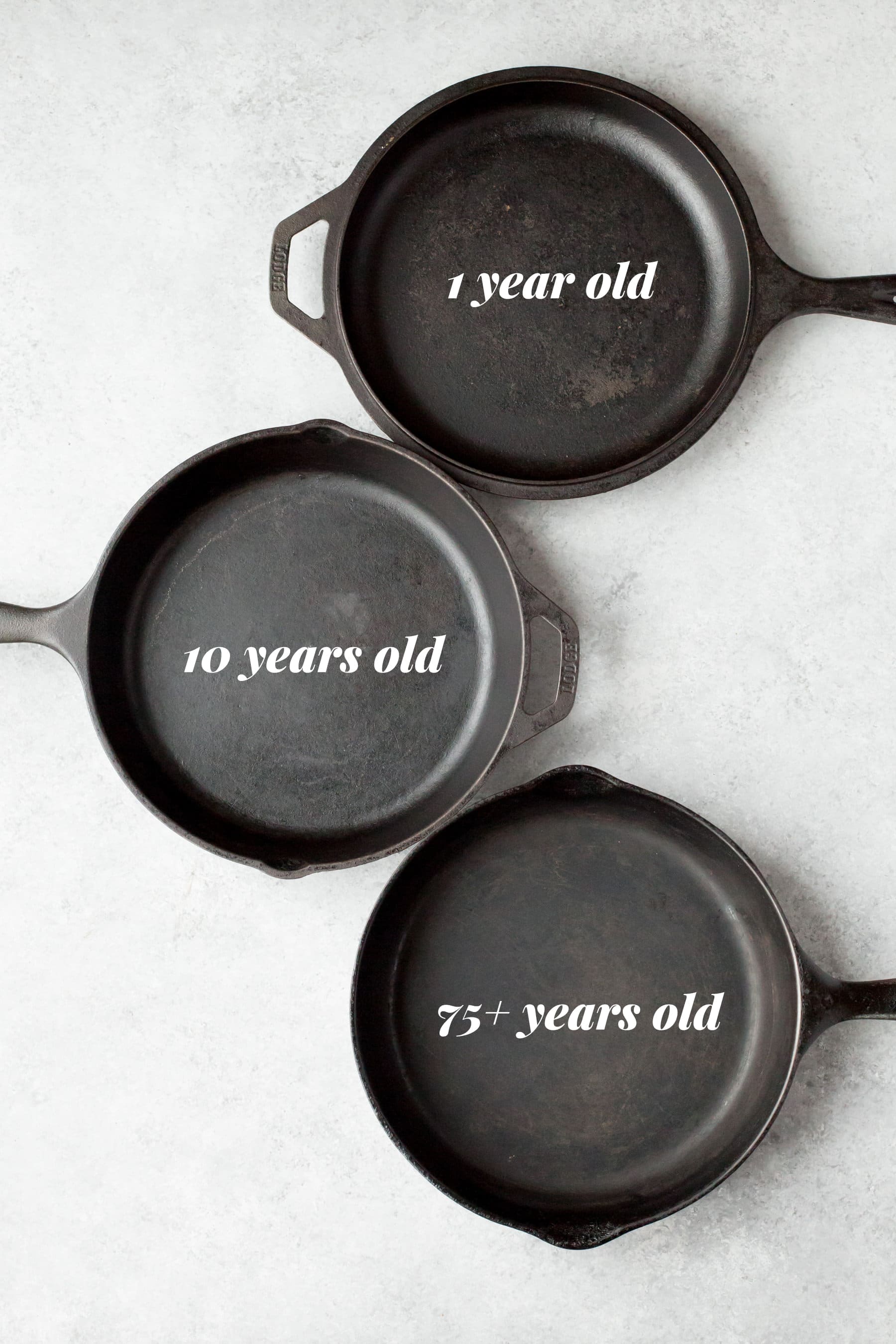
Seasoning your cast iron cookware is the key to its performance and durability. This process creates a natural, non-stick surface on the pan. It also protects the metal from rust and damage. Proper seasoning improves cooking results and makes cleaning easier. Understanding how to season your cast iron helps you get the best from your cookware.
Why Seasoning Matters
Seasoning forms a thin layer of oil baked into the pan. This layer prevents food from sticking during cooking. It also stops moisture from causing rust. Without seasoning, cast iron can be rough and sticky. Proper seasoning makes the pan smooth and easy to use.
Step-by-step Seasoning Process
Start by cleaning the pan with warm water and soap. Dry it completely with a towel or heat on the stove. Apply a thin layer of cooking oil over the whole pan. Use oils with high smoke points like flaxseed, canola, or vegetable oil. Place the pan upside down in an oven preheated to 375°F (190°C). Bake for one hour to let the oil bond with the metal. Turn off the oven and let the pan cool inside. Repeat this process 2-3 times for a stronger seasoning layer.
Maintaining The Seasoning Layer
After each use, clean the pan with warm water and a soft brush. Avoid soap or harsh scrubbers to protect the seasoning. Dry the pan fully to stop rust from forming. Lightly oil the surface before storing to keep it smooth. Re-season the pan if food starts to stick or the surface looks dull. Regular care keeps your cast iron in great shape for years.
Preparing Cast Iron For Cooking
Preparing cast iron cookware before cooking is important for the best results. It helps food cook evenly and prevents sticking. Proper preparation also protects the pan’s seasoning. Follow these simple steps to get your cast iron ready.
Preheating Techniques
Start by warming the pan slowly on low heat. This stops hot spots and warping. Let the pan heat for about 5 minutes. You can test the heat by sprinkling a few drops of water. If they dance or evaporate quickly, the pan is ready.
Proper Oil Usage
Use a small amount of oil or fat to coat the cooking surface. This keeps food from sticking and helps build seasoning. Spread the oil evenly with a paper towel. Avoid using too much oil; a thin layer is enough.
Cooking Tips For Cast Iron
Cast iron cookware is a versatile tool in every kitchen. It cooks food evenly and retains heat well. Using it correctly helps you make delicious meals. Here are useful cooking tips for cast iron to get the best results.
Searing And Frying
Preheat your cast iron pan before adding food. This helps create a crispy, golden crust. Use a small amount of oil to prevent sticking. Cook meat or vegetables without moving them too soon. Let them brown well on one side before flipping. Cast iron holds heat, so adjust the stove to avoid burning.
Baking And Roasting
Cast iron works great for baking bread, pies, and casseroles. It distributes heat evenly, giving food a nice crust. Place your cast iron in the oven to preheat it. Use it for roasting vegetables or meats to get a rich, deep flavor. The heavy pan keeps the heat steady for better cooking.
Using Cast Iron On Different Heat Sources
Cast iron is safe on gas, electric, and induction stoves. It also works well over open flames and in ovens. Avoid sudden temperature changes to prevent cracking. Let the pan heat slowly and cool down before cleaning. This cookware is strong and adapts well to many heat sources.
Cleaning Cast Iron Cookware
Cleaning cast iron cookware is important to keep it in good shape. Proper cleaning helps the pan last for years. It also keeps food tasting great. Use the right methods to protect the seasoning and avoid damage. Follow simple steps to clean your cast iron safely and correctly.
Safe Cleaning Methods
Clean cast iron right after cooking. Use warm water and a soft brush or sponge. Avoid soap or use very little, as it can remove seasoning. For stuck food, scrub with coarse salt and a little water. Rinse well and dry immediately with a towel. Never soak cast iron in water for long.
Avoiding Rust And Damage
Dry your cast iron quickly after washing. Water left on the surface causes rust. Heat the pan on low heat to remove all moisture. Store in a dry place with air circulation. Avoid metal scrubbers that can scratch the surface. Keep your pan away from dishwasher use.
Re-seasoning After Cleaning
Apply a thin layer of oil after drying the pan. Use vegetable or flaxseed oil for best results. Heat the pan on the stove or in the oven to set the oil. This process keeps the surface non-stick and protected. Repeat this after every wash to maintain the seasoning.
Storing Cast Iron Cookware
Storing cast iron cookware correctly keeps it in good shape for many years. Proper storage helps avoid damage and protects the seasoning layer. Moisture and dust can harm the pan’s surface if left unchecked. Safe storage also makes it easy to find and use your cast iron pots and pans.
Best Practices For Storage
Store cast iron in a dry, cool place. Avoid stacking pans directly on top of each other. Use pan protectors or paper towels between pieces to stop scratches. Hang skillets on hooks to save space and keep them dry. Make sure the cookware is clean and dry before storing.
Preventing Moisture And Rust
Moisture causes rust on cast iron quickly. Wipe your cookware with a thin coat of oil after each use. Use a cloth to dry the pan completely before putting it away. Avoid storing cast iron with the lid on tight. Leave the lid slightly open to let air flow and prevent moisture buildup.
Troubleshooting Common Issues
Troubles with cast iron cookware can feel frustrating. These issues may stop you from cooking smoothly. Common problems include rust, sticky surfaces, and cracks. Each problem has a simple fix. Knowing how to solve these keeps your cookware in top shape.
Removing Rust
Rust forms when cast iron is wet for long. Use steel wool or a scrub brush to scrub rust off. Wash the pan with warm water and soap. Dry it fully with a towel or heat on the stove. Apply a thin layer of oil to protect the surface. Repeat oiling after every use.
Fixing Sticky Surfaces
Sticky surfaces happen when oil builds up. Clean the pan by scrubbing with hot water and a sponge. Avoid soap if the seasoning is good. Heat the pan on medium heat to dry. Rub a small amount of oil on the surface. Bake the pan upside down in the oven at 350°F for one hour. This restores a smooth finish.
Dealing With Cracks And Chips
Cracks and chips are rare but serious. Small chips can be smoothed with fine sandpaper. Avoid using cracked pans as they can break more. For big cracks, replace the cookware. Handle cast iron gently to prevent damage. Always store properly with padding between pans.

Credit: zishta.com
Credit: wholefully.com
Frequently Asked Questions
How Do I Properly Season Cast Iron Cookware?
Season cast iron by applying a thin layer of oil. Bake it at 375°F for an hour. This process creates a natural, non-stick surface that prevents rust and improves cooking performance.
Can I Use Soap To Clean Cast Iron Pans?
Avoid soap as it can strip the seasoning. Instead, clean with hot water and a stiff brush. Dry thoroughly and apply a light oil coat to maintain seasoning.
What Foods Should I Avoid Cooking In Cast Iron?
Avoid cooking acidic foods like tomatoes or citrus initially. Acid can damage the seasoning. Once well-seasoned, occasional acidic cooking is fine but avoid prolonged exposure.
How Do I Store Cast Iron Cookware Correctly?
Store cast iron in a dry place to prevent rust. Apply a light oil layer before storage. Avoid stacking with other cookware to protect the seasoning.
Conclusion
Cast iron cookware lasts long with simple care. Season your pan regularly to keep it non-stick. Clean it gently without soap or harsh scrubbers. Cook with it on medium heat for best results. Enjoy meals with even cooking and great flavor.
Cast iron fits many dishes, from frying to baking. Using it well saves money and adds taste. Try it today and see the difference yourself.

Hello, This is Annie Walker, a 38-year-old blogger, founder, and editor of Cookware Guider from NY, USA. I am a cookware fanatic and passionate cooker. I love to cook with different types of cooking appliances (example: all types of cookware, rice cookers, slow cookers, etc) almost every day in my kitchen. I love to share my experience with my readers in my blog. Also, I enjoy helping people to solve their problems through my website. You can follow me on Twitter & Pinterest. To know details about my blog please check the about us page.