
Are you worried about the chemicals in your cookware? You’re not alone.
More people are switching to ceramic cookware because it promises a safer, non-toxic way to cook. But is all ceramic cookware really non-toxic? Before you invest in a shiny new set, it’s important to know what’s inside and what’s not.
Keep reading to find out the truth about ceramic cookware and how it can affect your health and your food. This could change the way you cook forever.
What Is Ceramic Cookware
Ceramic cookware has gained popularity as a safer and eco-friendly alternative to traditional pots and pans. Many people wonder if all ceramic cookware is truly non-toxic. Understanding what ceramic cookware is can help answer this question. Ceramic cookware generally refers to pots and pans that use a ceramic-based coating or are made entirely from ceramic materials. These products are known for their smooth surfaces, which prevent food from sticking and allow for easy cleaning. Unlike some metal cookware, ceramic options often avoid harmful chemicals like PFOA and PTFE, which are common in non-stick coatings.
The term “ceramic” can describe different types of cookware, depending on how the ceramic material is used. Some ceramic cookware is purely ceramic, while others use ceramic as a coating over metal bases. Knowing these differences helps consumers pick safer options.
Types Of Ceramic Cookware
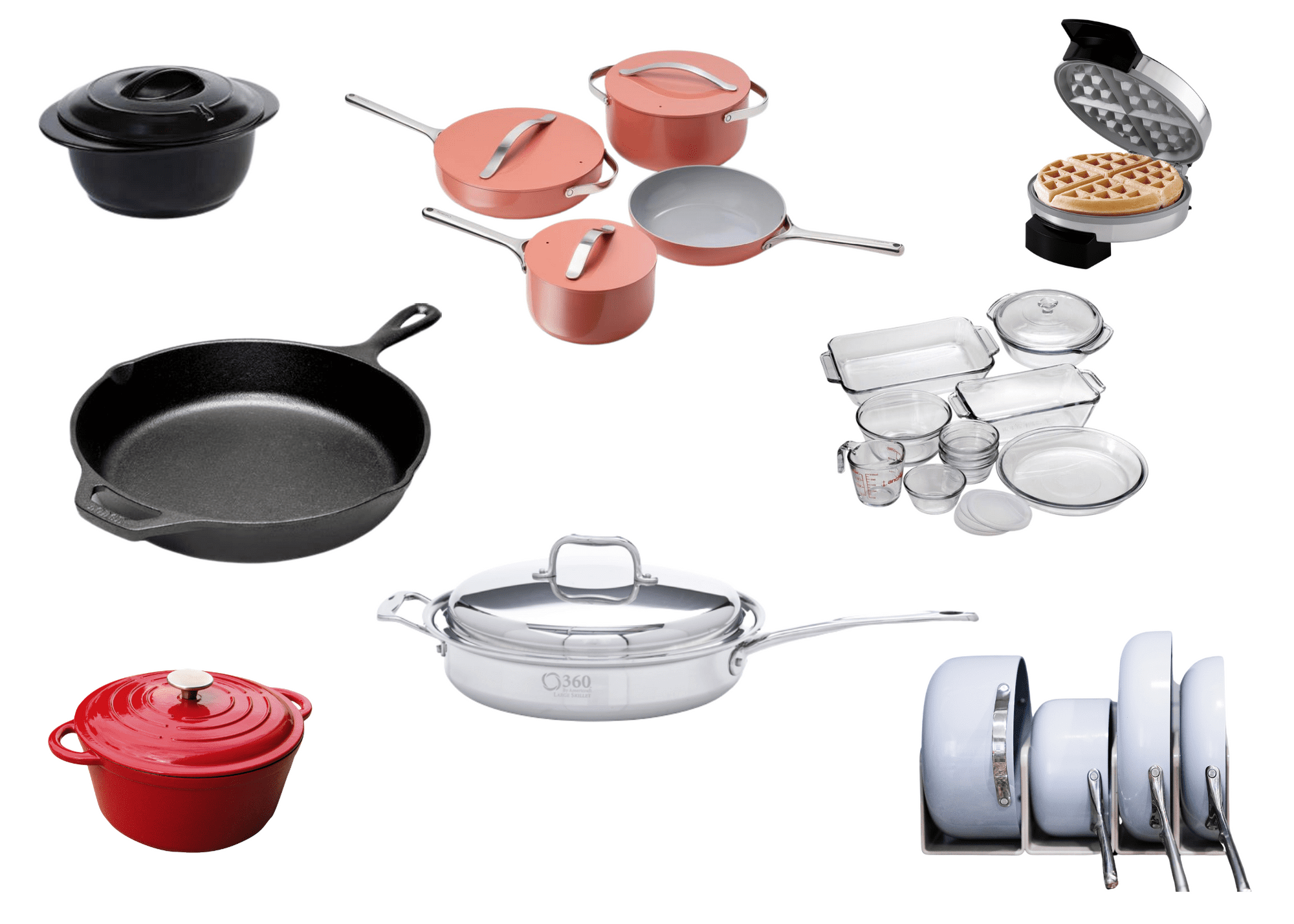
Ceramic cookware comes in a few main types. Each type offers different benefits and features. Here are the most common kinds:
- 100% Ceramic Cookware: Made entirely from natural clay and baked at high temperatures. These pots and pans are durable and non-toxic, with no metal inside.
- Ceramic-Coated Cookware: Metal pans coated with a layer of ceramic. This coating creates a non-stick surface without harmful chemicals.
- Ceramic Glass Cookware: Typically used for baking, this type is made from heat-resistant glass with a smooth ceramic finish.
Each type suits different cooking needs. For example, 100% ceramic is great for slow cooking and baking. Ceramic-coated cookware works well for frying and sautéing, offering easy food release and quick cleaning.
| Type | Material | Best Use | Non-Toxic? |
|---|---|---|---|
| 100% Ceramic | Natural clay, baked | Baking, slow cooking | Yes |
| Ceramic-Coated | Metal base with ceramic layer | Frying, sautéing | Usually, if coating is high quality |
| Ceramic Glass | Heat-resistant glass with ceramic finish | Baking, roasting | Yes |
Materials Used In Ceramic Cookware
The materials used in ceramic cookware vary based on type. Pure ceramic cookware uses natural clay minerals shaped and baked at very high temperatures. This process makes the cookware hard and resistant to heat and scratches. The natural composition means no toxic chemicals leach into food.
Ceramic-coated cookware involves a metal base, often aluminum or stainless steel, covered with a ceramic-based non-stick layer. This ceramic layer is usually made from silica, derived from sand. The coating is free from PTFE and PFOA, which are harmful chemicals often found in traditional non-stick pans.
Here are key materials in ceramic cookware:
- Natural Clay: Used in 100% ceramic pots and pans.
- Aluminum or Stainless Steel: Common bases for ceramic-coated cookware.
- Silica-Based Ceramic Coating: Provides the non-stick surface.
- Glass and Minerals: Found in ceramic glass cookware for baking.
The safety of ceramic cookware depends on the quality of these materials and how they are processed. High-quality ceramic coatings are free from heavy metals and toxic substances. Always check manufacturer details to ensure cookware meets safety standards.

Credit: www.amazon.com
Health Concerns With Cookware
Choosing the right cookware matters for your health. Many wonder if all ceramic cookware is truly non-toxic. Health concerns with cookware arise because some materials can release harmful substances during cooking. These toxins might mix with food and cause health issues. Understanding which elements are toxic and how they affect the body helps in making safer choices.
Common Toxic Elements In Cookware
Cookware can contain several toxic elements that pose health risks. The most common harmful substances include:
- Lead: Found in some ceramic glazes and older cookware.
- Cadmium: Used in certain color coatings on ceramics and enamel.
- Perfluorooctanoic Acid (PFOA): Linked to some non-stick pans.
- Polytetrafluoroethylene (PTFE): Also known as Teflon, can release fumes when overheated.
- Aluminum: Can leach into food, especially with acidic ingredients.
Not all ceramic cookware contains these toxins, but cheaper or poorly made products may have unsafe glazes or coatings.
| Toxic Element | Source in Cookware | Potential Risk |
|---|---|---|
| Lead | Ceramic glazes, older pots | Brain damage, developmental issues |
| Cadmium | Colored enamel, ceramic coatings | Kidney damage, bone problems |
| PFOA | Non-stick coatings | Cancer, hormone disruption |
| PTFE (Teflon) | Non-stick pans | Flu-like symptoms, fumes harmful to birds |
| Aluminum | Aluminum cookware | Possible neurotoxicity, linked to Alzheimer’s |
Always check product labels and certifications to avoid toxic cookware.
Impact Of Toxic Substances On Health
Exposure to toxic elements from cookware can lead to serious health problems over time. These substances may enter food during cooking, especially if the cookware is scratched or overheated.
Lead and cadmium are heavy metals. They accumulate in the body and affect organs like the brain and kidneys. Children are particularly vulnerable to lead poisoning, which can cause learning disabilities.
PFOA and PTFE chemicals release fumes at high temperatures. Breathing these fumes may cause flu-like symptoms called “polymer fume fever.” Birds are extremely sensitive to these fumes and can die quickly.
Aluminum may leach into food, especially acidic dishes like tomato sauce. High aluminum intake links to memory problems and neurological diseases.
Health effects of toxic cookware exposure include:
- Neurological damage
- Kidney and liver issues
- Respiratory problems
- Hormone disruption
- Increased cancer risk
Choosing non-toxic cookware helps reduce these risks. Ceramic cookware that is free from lead, cadmium, and harmful coatings offers a safer option for daily use.
Are All Ceramic Cookware Non Toxic
Are all ceramic cookware non toxic? This question often comes up for people wanting safer options in their kitchen. Ceramic cookware is popular because it promises a chemical-free cooking surface. But not all ceramic cookware is made the same. Some are truly non toxic, while others may have hidden risks. Understanding the difference helps you pick the right pots and pans for healthy cooking.
Differences Between Ceramic And Ceramic-coated Cookware
Many people confuse ceramic cookware with ceramic-coated cookware. They sound similar but are different in materials and safety.
- Ceramic Cookware: Made entirely from natural clay and minerals. It is fired at high temperatures to create a solid, non porous surface.
- Ceramic-Coated Cookware: Usually made of metal like aluminum or stainless steel with a thin layer of ceramic coating on top.
These differences affect how safe and durable the cookware is.
| Feature | Ceramic Cookware | Ceramic-Coated Cookware |
|---|---|---|
| Material | 100% natural clay and minerals | Metal base with ceramic non-stick layer |
| Durability | Can chip or crack if dropped | Coating can wear off over time |
| Non Toxic | Generally free from PTFE and PFOA | Depends on coating quality; some may contain chemicals |
| Heat Resistance | Handles high heat well | Moderate heat recommended to protect coating |
Ceramic cookware is usually more natural and non toxic. Ceramic-coated pans may lose their coating and release harmful substances if overheated or scratched. Choosing 100% ceramic reduces chemical exposure.
Potential Risks In Some Ceramic Cookware
Not all ceramic cookware is free from risks. Some products use low-quality materials or unsafe glazes. These can cause health concerns.
- Lead and Cadmium: Some ceramic glazes contain lead or cadmium to improve color and finish. These heavy metals can leach into food, especially with acidic dishes.
- Cracks and Chips: Damaged ceramic surfaces can harbor bacteria and affect food safety. Cracks may also increase metal leaching from the base.
- Fake Labels: Some cookware claims to be ceramic but contain harmful coatings underneath.
Always check for certifications like FDA approval or Prop 65 compliance. Look for brands that clearly list ingredients and test results.
Tips to reduce risks:
- Buy from trusted brands with transparent safety information.
- Inspect cookware regularly for cracks or chips.
- Avoid cooking very acidic foods in older ceramic pots.
- Do not use metal utensils that can scratch the surface.
Knowing these risks helps protect your health and keeps your kitchen safer.
Credit: www.pureandsimplenourishment.com
How To Identify Safe Ceramic Cookware
Ceramic cookware is popular for its non-stick surface and attractive look. Many people believe all ceramic cookware is safe and non-toxic. This is not always true. Some ceramic products may contain harmful chemicals or heavy metals. Knowing how to identify safe ceramic cookware helps protect your health and improves cooking experience. This section explains how to find trustworthy ceramic cookware that is truly non-toxic and safe for daily use.
Certifications To Look For
Certifications show that ceramic cookware meets safety and quality standards. These marks prove the product passed tests for harmful substances and safe use. Always check for certifications before buying ceramic cookware.
- FDA Approval: The U.S. Food and Drug Administration approves food-contact materials. FDA approval means the ceramic coating is free from toxic chemicals.
- Prop 65 Compliance: California’s Proposition 65 lists chemicals known to cause cancer or harm. Cookware compliant with Prop 65 contains no unsafe levels of these chemicals.
- LFGB Certification: This German certification ensures products are safe for food contact. LFGB tests for heavy metals, lead, and cadmium.
- RoHS Compliance: Restriction of Hazardous Substances limits toxic materials like lead and mercury in products.
Here is a simple table of key certifications and what they guarantee:
| Certification | What It Means | Key Safety Checks |
|---|---|---|
| FDA | Safe for food contact | No toxic chemicals or harmful coatings |
| Prop 65 | Limits cancer-causing chemicals | Safe chemical levels |
| LFGB | German food safety standard | No lead, cadmium, or heavy metals |
| RoHS | Limits hazardous substances | Low heavy metal content |
Always verify these certifications on packaging or product descriptions. Genuine products will display certificates or have official documentation.
Trusted Brands And Products
Choosing ceramic cookware from well-known brands reduces risks. Trusted brands invest in quality materials and follow safety standards strictly. They offer transparency about ingredients and manufacturing processes.
Brands with positive reviews and clear safety information are safer bets. Some brands specialize in non-toxic ceramic cookware and test their products regularly.
- Check product labels: Look for clear ingredient lists and safety claims.
- Read customer reviews: Real user feedback often reveals durability and safety issues.
- Research brand reputation: Brands with a long history in cookware are more reliable.
- Warranty and return policy: Good brands offer warranties and easy returns.
Here is a comparison table of common trusted ceramic cookware brands with their key features:
| Brand | Certification Highlights | Material Quality | Customer Rating |
|---|---|---|---|
| Brand A | FDA, LFGB | Pure ceramic coating, free from PTFE | 4.5 / 5 |
| Brand B | Prop 65, RoHS | High-grade ceramic with non-toxic glaze | 4.3 / 5 |
| Brand C | FDA, LFGB, RoHS | Durable ceramic, heavy metal tested | 4.7 / 5 |
Choose brands with clear safety information and positive reviews. This ensures ceramic cookware is truly non-toxic and safe for your kitchen.
Care Tips To Maintain Ceramic Cookware Safety
All ceramic cookware is often praised for its non-toxic properties, making it a popular choice for healthy cooking. To keep it safe and effective, proper care is essential. Following the right steps helps maintain the cookware’s non-toxic surface and extends its lifespan. Simple habits prevent damage that could affect its safety and performance. Here are key care tips to maintain ceramic cookware safety.
Proper Cleaning Methods
Cleaning ceramic cookware properly ensures it stays non-toxic and free from harmful residues. Avoid harsh chemicals or abrasive scrubbing, which can damage the ceramic coating.
- Use warm, soapy water: Wash cookware with a soft sponge or cloth and mild dish soap.
- Soak for stuck food: Soak the pan in warm water for 10-15 minutes to loosen stuck food gently.
- Avoid metal scrubbers: Steel wool or metal brushes scratch the ceramic surface, reducing its safety.
- Dry thoroughly: Dry the cookware immediately with a soft cloth to prevent water spots and damage.
Here is a quick guide for cleaning ceramic cookware:
| Step | Action | Why |
|---|---|---|
| 1 | Cool down cookware before washing | Prevents thermal shock and cracking |
| 2 | Use warm soapy water and soft sponge | Removes food without scratching |
| 3 | Soak if food is stuck | Makes cleaning easier and safer |
| 4 | Rinse and dry immediately | Prevents water damage and spots |
Following these cleaning steps keeps ceramic cookware safe and non-toxic for years.
Avoiding Damage And Wear
Protecting ceramic cookware from damage maintains its non-toxic surface and cooking quality. Avoid actions that cause chips, cracks, or scratches.
- Use wooden or silicone utensils: Metal tools scratch the ceramic coating and reduce safety.
- Cook on low to medium heat: High heat can cause the ceramic to crack or degrade.
- Do not drop or bang cookware: Ceramic is fragile and chips easily when handled roughly.
- Store carefully: Place cookware in a safe spot or use pan protectors to avoid scratches.
Here is a simple checklist for avoiding damage:
- Choose the right utensils to protect the surface.
- Control cooking temperature to prevent cracks.
- Handle with care during use and storage.
- Inspect regularly for signs of wear or damage.
Taking these precautions preserves the ceramic coating’s integrity. It keeps cookware safe, non-toxic, and ready for healthy meals.
Credit: gurlgonegreen.com
Frequently Asked Questions
Is All Ceramic Cookware Truly Non Toxic?
Not all ceramic cookware is non toxic. High-quality ceramic coatings are free from harmful chemicals like PTFE and PFOA. However, some low-grade products may contain toxins. Always check for certification and material quality to ensure safety and non-toxicity.
How Safe Is Ceramic Cookware For Daily Cooking?
Ceramic cookware is generally safe for daily use. It does not release harmful fumes or chemicals when heated. Proper care and avoiding overheating ensure it remains non toxic and durable over time, making it a healthy choice for cooking.
Can Ceramic Cookware Leach Chemicals Into Food?
High-quality ceramic cookware does not leach chemicals into food. It uses inert materials that resist chemical reactions. Low-quality or damaged cookware may pose risks, so always buy trusted brands and replace cookware if its surface chips or cracks.
What Makes Ceramic Cookware Non Toxic?
Ceramic cookware is non toxic due to its natural, inorganic materials and absence of synthetic chemicals. It typically avoids toxic substances like lead, cadmium, and PTFE. This makes it a safer alternative to some nonstick pans for health-conscious cooking.
Conclusion
All ceramic cookware often offers a safer choice for cooking. Most products use natural materials without harmful chemicals. Still, some brands may add coatings or materials that cause concern. Checking labels and reviews helps find truly non-toxic options. Quality matters more than price in many cases.
Choose cookware made from 100% ceramic or pure clay. Cookware that avoids metals or synthetic coatings reduces health risks. Safe cooking starts with informed decisions and careful buying. Your health and food deserve the best care possible.

Hello, This is Annie Walker, a 38-year-old blogger, founder, and editor of Cookware Guider from NY, USA. I am a cookware fanatic and passionate cooker. I love to cook with different types of cooking appliances (example: all types of cookware, rice cookers, slow cookers, etc) almost every day in my kitchen. I love to share my experience with my readers in my blog. Also, I enjoy helping people to solve their problems through my website. You can follow me on Twitter & Pinterest. To know details about my blog please check the about us page.