
Are you worried about what’s really inside your cookware? When you cook for yourself and your family, you want to be sure your pots and pans are safe.
Member’s Mark ceramic cookware promises a non-toxic experience, but can you trust it? You’ll discover the truth about its materials, how it affects your health, and whether it’s the right choice for your kitchen. Keep reading to make a confident decision for your cooking and your well-being.
Member’s Mark Ceramic Cookware Features
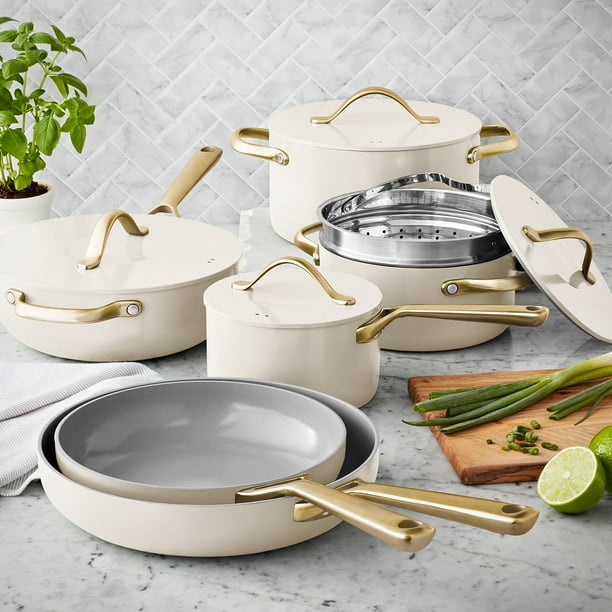
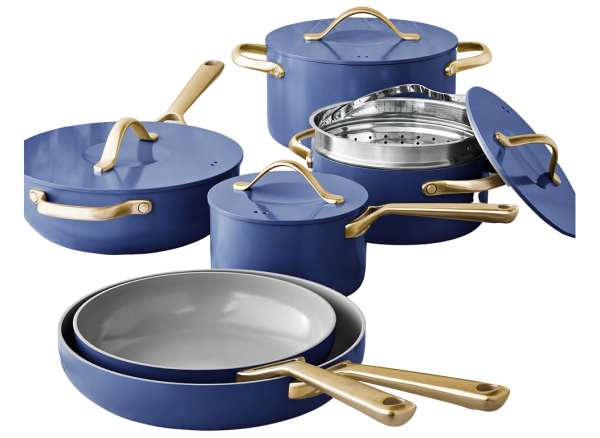
Member’s Mark Ceramic Cookware stands out with features that appeal to health-conscious cooks. Many wonder if this cookware is truly non-toxic. Understanding its features helps to see why it is a popular choice. The cookware combines thoughtful material choices with advanced coating technology. These elements work together to offer safe and effective cooking tools.
Material Composition
The core of Member’s Mark Ceramic Cookware is built from durable materials designed for safe cooking. The base typically uses hard-anodized aluminum. This metal is strong, heats evenly, and resists warping. It also keeps the cookware lightweight, making it easy to handle.
The ceramic coating is free from harmful chemicals. It contains no PTFE, PFOA, lead, or cadmium. These substances often raise health concerns in non-stick cookware. By avoiding them, Member’s Mark promotes a safer cooking experience.
- Base Material: Hard-anodized aluminum for even heat distribution
- Coating: Ceramic, free from toxic chemicals
- Handles: Stay-cool silicone or stainless steel for safety
- Oven Safe: Most pieces can go up to 350°F
| Feature | Details |
|---|---|
| Material | Hard-anodized aluminum core |
| Ceramic Coating | Non-toxic, PTFE and PFOA free |
| Handle Type | Silicone or stainless steel, heat-resistant |
| Oven Safety | Up to 350°F (varies by piece) |
This composition ensures durability and non-toxic cooking. The ceramic surface lets food release easily without chemicals. It is also scratch-resistant to some extent, adding to the cookware’s lifespan. The use of safe materials makes Member’s Mark Ceramic Cookware a smart pick for everyday use.
Coating Technology
Member’s Mark uses a ceramic coating designed for safety and performance. This coating is a mineral-based layer applied to the aluminum base. It provides a smooth, non-stick surface without using harmful chemicals.
The ceramic layer is free from PTFE and PFOA. These chemicals can release toxic fumes at high heat. The absence of these substances makes cooking safer for families. The coating also stands up well to regular use and cleaning.
- Non-stick: Reduces the need for oil or butter
- Scratch Resistance: Resists minor scratches from utensils
- Easy Cleaning: Food wipes off quickly, saving time
- Heat Resistance: Handles medium to high cooking temperatures
Applying the ceramic coating involves multiple layers. Each layer is baked to harden, creating a durable surface. This method improves the non-stick effect and helps the coating last longer. The technology also ensures even heat transfer from the base to the cooking surface.
| Coating Feature | Benefit |
|---|---|
| Mineral-Based Ceramic | Non-toxic and eco-friendly |
| Multi-Layer Application | Improves durability and non-stick quality |
| Heat Baked Coating | Enhances surface hardness and resistance |
| Safe at Medium to High Heat | Supports versatile cooking styles |
This coating technology makes Member’s Mark Ceramic Cookware a reliable choice for healthy cooking. It offers a balance of safety, ease of use, and lasting performance. The non-toxic ceramic surface helps avoid chemical exposure while cooking your meals.
Credit: www.samsclub.com
Health Safety Of Ceramic Cookware
Ceramic cookware is popular for its sleek look and cooking performance. Many wonder if Member’S Mark ceramic cookware is non-toxic and safe for daily use. Health safety matters most with cookware. It directly affects the food and, in turn, the body. Ceramic cookware often claims to be free from harmful chemicals, but understanding its health impact helps in making smart choices.
Toxic Chemicals To Avoid
Some cookware contains chemicals that can harm health. These chemicals may leak into food during cooking. Here are key toxic chemicals to watch for:
- PTFE (Polytetrafluoroethylene): Found in some non-stick coatings, it releases fumes when overheated.
- PFOA (Perfluorooctanoic acid): Used in older non-stick coatings, linked to health risks like cancer.
- Lead: A heavy metal sometimes found in low-quality ceramic glazes.
- Cadmium: Toxic metal that can appear in colored ceramic coatings.
Member’S Mark ceramic cookware claims to avoid these chemicals. It uses a ceramic coating free from PTFE and PFOA. This reduces the risk of toxic fumes and chemical leaks during cooking.
Table below shows a quick comparison of common cookware chemicals:
| Chemical | Common Use | Health Concern | Found In |
|---|---|---|---|
| PTFE | Non-stick coating | Fumes when overheated | Teflon pans |
| PFOA | Non-stick coating process | Possible cancer risk | Older non-stick pans |
| Lead | Ceramic glazes | Brain and organ damage | Low-quality ceramics |
| Cadmium | Colored glazes | Kidney and bone damage | Cheap ceramics |
Choosing Member’S Mark ceramic cookware means avoiding these toxic chemicals. It offers peace of mind for safer cooking.
Ceramic Cookware And Heavy Metals
Heavy metals like lead and cadmium are dangerous if they enter food. Some ceramic cookware may contain these metals in the glaze. Over time, heat and wear can cause leaching. This leads to metal particles mixing with food.
Member’S Mark ceramic cookware is made with strict quality controls. It uses lead-free and cadmium-free glazes. This reduces heavy metal risks.
Check these points about heavy metals in ceramic cookware:
- Lead: Harmful even in small amounts, especially for children and pregnant women.
- Cadmium: Can cause long-term health issues with repeated exposure.
- Quality standards: Good ceramic cookware follows regulations to prevent heavy metal use.
- Durability: High-quality glaze resists cracking and chipping, lowering metal leaching risks.
Member’S Mark ceramic cookware meets safety standards to avoid these problems. It undergoes testing to ensure no heavy metals leach during cooking. This makes it safer for everyday use.
Tips to avoid heavy metal exposure:
- Buy cookware from trusted brands with clear safety info.
- Do not use damaged or chipped ceramic cookware.
- Clean cookware properly without harsh scrubbing.
- Replace old cookware that shows signs of wear.
Member’S Mark ceramic cookware combines style with safety. It offers a non-toxic option free from heavy metals, making it ideal for health-conscious kitchens.
Testing And Certifications
Testing and certifications play a vital role in confirming if Member’S Mark Ceramic Cookware is truly non-toxic. These checks ensure the cookware does not release harmful chemicals during cooking. Reliable test results and official certifications help buyers trust the product’s safety. Let’s explore the details behind these important evaluations.
Third-party Lab Tests
Third-party lab tests provide an unbiased review of Member’S Mark Ceramic Cookware’s safety. Independent labs analyze the cookware for toxic substances such as lead, cadmium, and PFOA. These tests confirm whether the cookware is safe for daily use.
Key points about these tests include:
- Lead and Cadmium Testing: These heavy metals can cause health problems. Labs check if the cookware releases any harmful amounts.
- PFOA and PTFE Screening: These chemicals are linked to non-stick coatings. Testing ensures the ceramic surface is free from these toxic substances.
- Heat Resistance Tests: The cookware is heated to high temperatures to check if any harmful chemicals leach out during cooking.
- Durability Checks: Tests on scratches and chips help see if damage affects safety.
Here is a summary table of typical third-party tests:
| Test Type | Purpose | Expected Result |
|---|---|---|
| Lead & Cadmium | Detect heavy metal leaching | No detectable harmful levels |
| PFOA & PTFE | Check for toxic non-stick chemicals | None detected |
| Heat Resistance | Test chemical release at high temps | No toxic emissions |
| Durability | Assess impact of wear and tear | Safe under normal use |
These thorough lab tests help ensure Member’S Mark Ceramic Cookware meets safety expectations. Buyers gain confidence knowing independent experts verify the product’s non-toxic claims.
Safety Standards Compliance
Member’S Mark Ceramic Cookware must comply with strict safety standards to be sold in many markets. Compliance means the product meets required health and safety rules set by regulatory bodies.
Important safety standards for ceramic cookware include:
- FDA Regulations: Sets limits for materials in contact with food. Cookware must not release harmful substances.
- California Proposition 65: Requires warnings if products contain chemicals known to cause cancer or birth defects.
- LFGB Certification (Germany): Ensures no harmful chemicals transfer to food, tested for migration limits.
- REACH Compliance (EU): Controls use of hazardous substances in products sold in Europe.
Meeting these standards means Member’S Mark ceramic cookware:
- Is safe for food contact
- Does not release toxic chemicals
- Meets legal requirements for sale
- Undergoes regular quality checks
Here is a simple table listing common certifications and what they cover:
| Certification | Region | Focus Area |
|---|---|---|
| FDA Food Contact | USA | Food safety and chemical limits |
| Proposition 65 | California, USA | Chemical warnings and safety |
| LFGB | Germany/EU | Chemical migration and food safety |
| REACH | European Union | Hazardous substance control |
Compliance with these standards confirms Member’S Mark ceramic cookware maintains high safety and health levels. It protects users from exposure to toxic materials during cooking.
Credit: www.consumerreports.org
User Experiences And Reviews
User experiences and reviews offer valuable insights into the safety and quality of Member’S Mark ceramic cookware. Many buyers share their thoughts about its non-toxic claims, durability, and cooking performance. These firsthand accounts help potential users understand how the cookware behaves in everyday kitchen use. This section highlights common concerns and positive feedback from real users, providing a balanced view.
Common Concerns
Some users express worries about the long-term safety of Member’S Mark ceramic cookware. A few mention the coating might wear off after heavy use, potentially exposing underlying materials. Others question whether the cookware truly remains free from harmful chemicals like PTFE or PFOA during cooking.
- Durability issues: Some reviews note chipping or peeling after several months.
- Heating consistency: A small number report uneven heating, causing food to stick.
- Cleaning challenges: Some find the ceramic surface harder to clean after frying oily foods.
These concerns mostly arise from extended use or improper care. The table below summarizes common concerns:
| Concern | Details | Frequency |
|---|---|---|
| Coating durability | Chipping or peeling after months of use | Moderate |
| Uneven heating | Food sticks due to hot spots | Low |
| Cleaning difficulty | Stains or residue hard to remove | Moderate |
| Chemical safety doubts | Questions about no toxic chemicals | Low |
Users recommend following care instructions strictly to avoid damage. Avoiding metal utensils and sudden temperature changes helps maintain the surface.
Positive Feedback
Many users praise Member’S Mark ceramic cookware for its safe cooking surface and ease of use. They emphasize the absence of harmful chemicals and appreciate the non-stick nature during everyday cooking. Positive reviews highlight how the cookware supports healthy cooking habits.
- Non-toxic and safe: Users confirm no strange odors or toxic fumes during cooking.
- Easy food release: Cooking eggs, pancakes, and vegetables is smooth with minimal oil.
- Simple cleaning: Most users find wiping the surface quick and stress-free.
- Even heat distribution: Many enjoy consistent cooking results without burning.
Here is a summary of positive points from user reviews:
| Feature | User Comments | Impact |
|---|---|---|
| Non-toxic surface | No harmful chemicals detected during cooking | High |
| Non-stick performance | Food releases easily, less oil needed | High |
| Cleaning ease | Quick to wash with mild soap | Moderate |
| Heat distribution | Consistent cooking without hot spots | High |
Overall, many users feel confident cooking healthy meals with Member’S Mark ceramic cookware. The positive feedback confirms its reputation as a non-toxic, reliable choice for everyday kitchens.
Comparing Member’s Mark To Other Brands
Choosing the right ceramic cookware matters for health and kitchen efficiency. Member’s Mark ceramic cookware claims to be non-toxic. Comparing it to other brands helps understand its safety and quality. This comparison focuses on two key points: toxicity levels and durability and performance. Both aspects influence your cooking experience and health.
Toxicity Levels
Member’s Mark ceramic cookware is free from harmful chemicals like PTFE, PFOA, lead, and cadmium. These substances can release toxins when heated and affect food safety. Many ceramic cookware brands advertise being non-toxic, but some still contain small traces of these chemicals.
Key points about toxicity in Member’s Mark vs other brands:
- Member’s Mark: 100% free of PTFE, PFOA, lead, and cadmium.
- Brand A: Claims non-toxic but may contain trace lead.
- Brand B: Uses PTFE-based coating, which can release fumes if overheated.
- Brand C: Fully ceramic with no synthetic chemicals, similar to Member’s Mark.
Below is a table summarizing the toxicity levels:
| Brand | PTFE | PFOA | Lead | Cadmium |
|---|---|---|---|---|
| Member’s Mark | No | No | No | No |
| Brand A | No | No | Trace | No |
| Brand B | Yes | Yes | No | No |
| Brand C | No | No | No | No |
Member’s Mark stands out for its full commitment to non-toxic materials. This makes it a safer choice for everyday cooking.
Durability And Performance
Durability and performance affect how long cookware lasts and how well it cooks. Member’s Mark ceramic cookware offers good durability compared to many other brands. The ceramic coating resists scratches and chipping better than cheaper non-stick options.
Performance features of Member’s Mark:
- Even heat distribution prevents hot spots.
- Non-stick surface allows easy food release.
- Compatible with various stovetops, including gas and electric.
- Easy to clean with mild soap and water.
Other brands show mixed results in durability and performance:
- Brand A’s coating wears off quickly after a few months.
- Brand B performs well but loses non-stick ability if overheated.
- Brand C matches Member’s Mark in durability but costs more.
Here is a comparison table:
| Brand | Scratch Resistance | Heat Distribution | Non-Stick Performance | Cleaning Ease |
|---|---|---|---|---|
| Member’s Mark | High | Even | Excellent | Easy |
| Brand A | Low | Uneven | Fair | Moderate |
| Brand B | Medium | Good | Good (sensitive to heat) | Easy |
| Brand C | High | Even | Excellent | Easy |
Member’s Mark offers strong durability and consistent cooking performance. It competes well with higher-end brands without a high price tag.

Credit: www.amazon.com
Care Tips For Maintaining Non-toxic Properties
Member’s Mark ceramic cookware is popular for being non-toxic and safe for cooking. To keep its non-toxic qualities intact, proper care is essential. Following simple care tips helps maintain the cookware’s surface and prevents harmful chemicals from leaching. Protecting the ceramic coating keeps your meals healthy and your cookware lasting longer.
Proper Cleaning Methods
Cleaning Member’s Mark ceramic cookware correctly preserves its non-toxic properties. Avoid harsh chemicals or abrasive scrubbers that can scratch or damage the ceramic surface. Use warm water, mild dish soap, and a soft sponge or cloth. This gentle method removes food residue without harming the coating.
For tough stains or burnt food, soak the cookware in warm soapy water for 10 to 15 minutes before cleaning. This softens stuck particles and makes scrubbing easier.
- Use soft sponges or microfiber cloths only
- Do not use steel wool, scouring pads, or harsh brushes
- Choose mild dishwashing soap, avoiding bleach or ammonia
- Hand wash is preferred over dishwasher cleaning
| Cleaning Step | Recommended Method | Why It Matters |
|---|---|---|
| Daily Cleaning | Warm water, mild soap, soft sponge | Prevents buildup and maintains coating |
| Stubborn Stains | Soak 10-15 mins, then gently scrub | Avoids scrubbing damage, removes residue |
| Dishwasher Use | Avoid or use gentle cycle only | Protects ceramic finish from harsh detergents |
Following these cleaning tips keeps the ceramic surface smooth and free from damage. A well-maintained surface prevents toxins from forming or releasing, ensuring your cookware stays safe.
Avoiding Damage
Protecting your Member’s Mark ceramic cookware from damage preserves its non-toxic nature. Scratches, chips, or cracks can expose the cookware to harmful substances or reduce its safety. Handle your cookware carefully to avoid damage.
Never use metal utensils on ceramic surfaces. Use wooden, silicone, or plastic tools instead. These materials are gentle and will not scratch the coating.
- Do not drop or bang cookware against hard surfaces
- Avoid sudden temperature changes that cause thermal shock
- Preheat cookware gradually on low to medium heat
- Store cookware with care, avoid stacking without protection
| Common Damage Cause | Prevention Tips | Effect on Non-Toxic Properties |
|---|---|---|
| Metal utensils | Use wooden or silicone utensils | Prevents scratches and ceramic coating damage |
| Thermal shock | Heat slowly, avoid cold water on hot pan | Prevents cracks and chipping |
| Impact damage | Handle gently, store properly | Keeps surface intact and safe |
Proper care keeps your ceramic cookware safe and non-toxic. Avoiding damage protects its coating, ensuring it remains a healthy choice for cooking.
Frequently Asked Questions
Is Member’s Mark Ceramic Cookware Free From Toxic Chemicals?
Yes, Member’s Mark ceramic cookware is free from harmful chemicals like PFOA, PTFE, and lead. It uses a non-toxic ceramic coating that ensures safe cooking without releasing toxic fumes or substances, making it a healthy option for everyday use.
How Safe Is Member’s Mark Ceramic Cookware For Health?
Member’s Mark ceramic cookware is safe for health due to its non-toxic ceramic coating. It does not leach harmful chemicals into food, reducing health risks associated with traditional non-stick pans. This cookware promotes healthier cooking by avoiding toxic residues.
Does Member’s Mark Ceramic Cookware Contain Ptfe Or Pfoa?
No, Member’s Mark ceramic cookware does not contain PTFE or PFOA. It uses a ceramic-based non-stick surface free from these chemicals, which are often linked to health concerns. This ensures a safer cooking experience without toxic chemical exposure.
Can Member’s Mark Ceramic Cookware Withstand High Cooking Temperatures?
Yes, Member’s Mark ceramic cookware can withstand medium to high cooking temperatures. However, avoid overheating as it may damage the ceramic coating. Proper use prolongs the cookware’s life and maintains its non-toxic, non-stick properties.
Conclusion
Member’s Mark ceramic cookware offers a safer choice for your kitchen. It does not release harmful chemicals during cooking. The ceramic coating is free from toxic substances like PTFE and PFOA. This makes it a good option for health-conscious cooks.
Cleaning is easy, and the cookware heats evenly. You can enjoy cooking without worrying about toxins. Choosing non-toxic cookware helps protect your family’s health. Member’s Mark ceramic cookware fits well in this category. Safe cooking made simple.

Hello, This is Annie Walker, a 38-year-old blogger, founder, and editor of Cookware Guider from NY, USA. I am a cookware fanatic and passionate cooker. I love to cook with different types of cooking appliances (example: all types of cookware, rice cookers, slow cookers, etc) almost every day in my kitchen. I love to share my experience with my readers in my blog. Also, I enjoy helping people to solve their problems through my website. You can follow me on Twitter & Pinterest. To know details about my blog please check the about us page.