
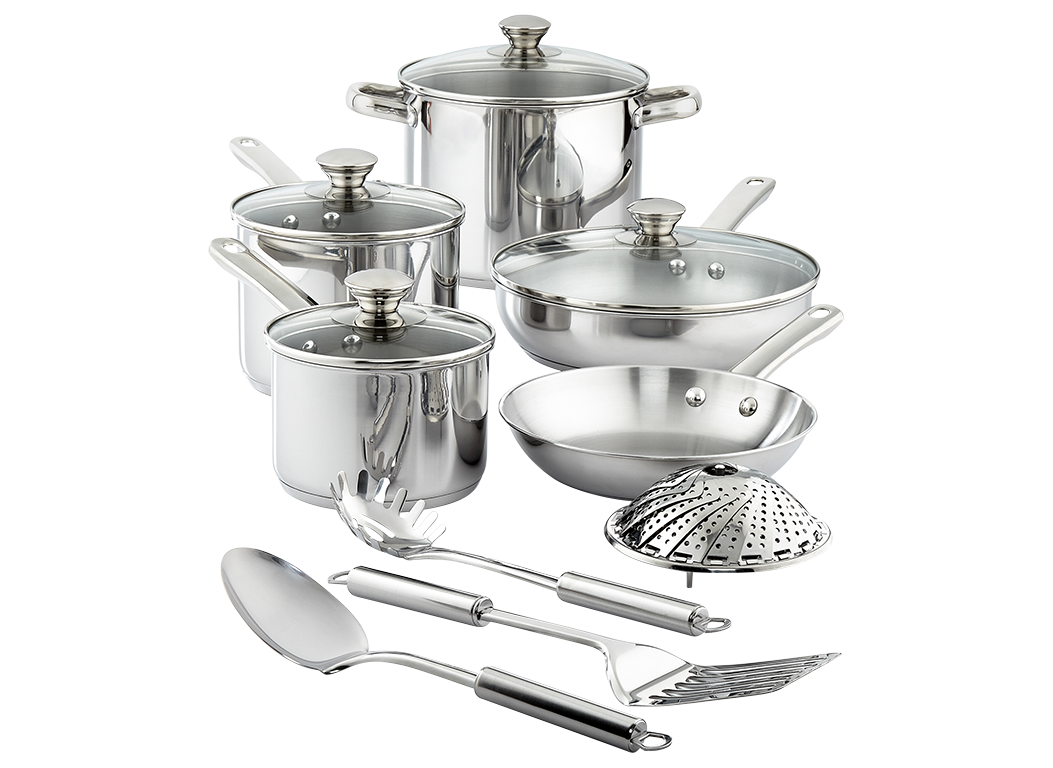
When it comes to cooking, the right cookware can make all the difference. You’ve probably heard about Tools Of The Trade cookware, but you might be wondering—are they really made of stainless steel?
Knowing this can help you decide if they’re the best fit for your kitchen and your cooking style. Stick with me, and you’ll discover why the material of your cookware matters so much. By the end, you’ll feel confident about choosing the perfect pots and pans for your meals.
Ready to find out if Tools Of The Trade cookware meets your needs? Let’s dive in.
Benefits Of Stainless Steel Cookware
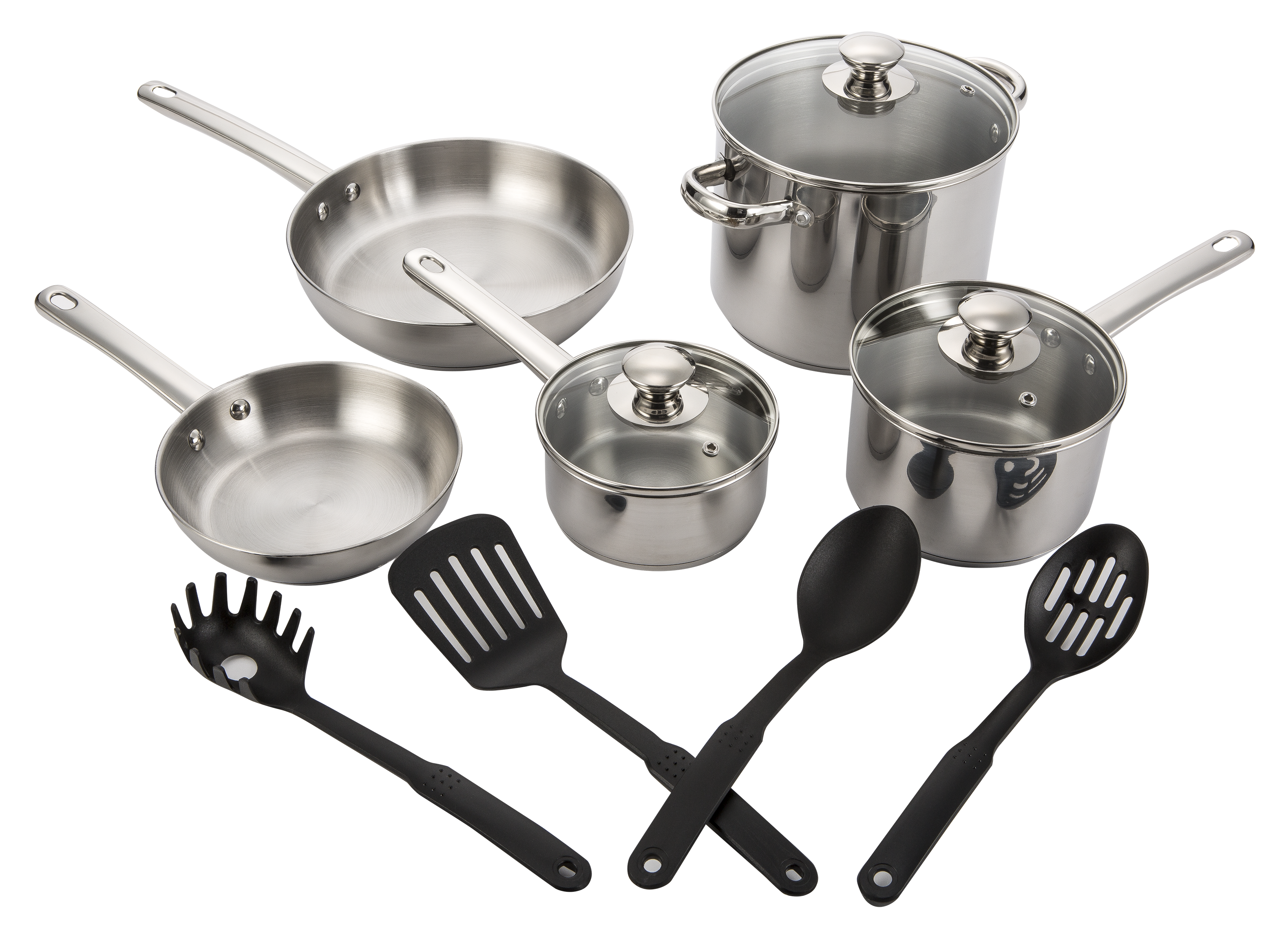
Choosing the right cookware affects cooking results and kitchen safety. Tools of the Trade cookware often uses stainless steel, a popular material among chefs and home cooks. Stainless steel cookware offers many benefits that make it a smart choice for daily use. This section explains the main advantages of stainless steel cookware and why it suits every kitchen.
Durability And Longevity
Stainless steel cookware is famous for its strong build and long life. It resists scratches, dents, and corrosion better than many other materials. This means it stays in great condition even after years of regular use.
Key points about durability:
- Scratch resistant: Stainless steel does not easily get scratched by metal utensils.
- Rust proof: It does not rust or stain, keeping a shiny look.
- Impact resistant: It can handle bumps and drops without damage.
- Low maintenance: Easy to clean without special care products.
This durability saves money over time. You don’t need to replace cookware often. The material also resists warping even under high heat.
| Feature | Benefit |
|---|---|
| Scratch Resistance | Maintains smooth surface for years |
| Rust and Corrosion Resistance | Looks new, no stains or rust spots |
| Impact Resistance | Survives kitchen accidents without damage |
Heat Distribution
Good cookware heats food evenly. Stainless steel alone does not conduct heat well, but Tools of the Trade cookware solves this with a layered base. It often has an aluminum or copper core inside the steel layers.
Benefits of this design include:
- Even cooking: Heat spreads uniformly across the pan.
- Reduced hot spots: Food does not burn in some areas while undercooked in others.
- Energy efficient: Requires less heat to cook food properly.
- Better control: Easy to adjust temperature for different dishes.
This combination ensures meals cook well every time. It also helps keep food warm longer after cooking.
| Material Layer | Function |
|---|---|
| Stainless Steel | Durability and easy cleaning |
| Aluminum/Copper Core | Fast and even heat spread |
Non-reactive Surface
Stainless steel is a non-reactive metal. This means it does not react with acidic or alkaline foods. It keeps the food’s true flavor and color without adding any metallic taste.
Important points about the non-reactive surface:
- Safe for all foods: Perfect for cooking tomatoes, citrus, and vinegar-based dishes.
- Prevents discoloration: Food stays fresh-looking and appetizing.
- Healthier cooking: No harmful chemicals or metal leaching into food.
- Easy to clean: No food odors or residues stick to the surface.
This feature benefits anyone wanting pure, clean flavors from their cooking. It also suits people with sensitive stomachs or allergies.
Credit: www.consumerreports.org
Common Types Of Stainless Steel Cookware
Stainless steel cookware is a popular choice in many kitchens due to its durability and easy maintenance. Tools of the Trade cookware often uses stainless steel because it resists rust and scratches. This type of cookware heats evenly and does not react with acidic foods. Understanding the common types of stainless steel cookware helps in selecting the right pieces for cooking needs.
Pots And Pans
Pots and pans are the foundation of any cookware collection. Stainless steel pots are great for boiling, simmering, and cooking soups or stews. Pans, on the other hand, are versatile for frying, sautéing, and searing. Both offer strong heat retention and easy cleaning.
- Materials: Usually made from 18/10 stainless steel, which means 18% chromium and 10% nickel for shine and durability.
- Sizes: Pots come in various sizes, from small 1-quart to large 8-quart versions.
- Uses: Ideal for everyday cooking, such as boiling pasta or making sauces.
Here is a simple comparison:
| Type | Best For | Typical Size | Features |
|---|---|---|---|
| Pot | Boiling, simmering | 2-8 quarts | Deep, with lids |
| Pan | Frying, sautéing | 8-12 inches | Shallow, wide base |
Choosing stainless steel pots and pans means you get cookware that lasts and handles many types of cooking.
Saucepans And Stockpots
Saucepans and stockpots serve different purposes but are both common in stainless steel sets. Saucepans have tall sides and a long handle. Stockpots are larger with a wide base and tall sides, perfect for making stocks or large meals.
Saucepans work well for:
- Making sauces and gravies.
- Heating liquids like milk or broth.
- Cooking grains like rice or quinoa.
Stockpots are ideal for:
- Boiling pasta for many people.
- Making large batches of soups or stews.
- Preparing stocks and broths.
Both usually have tight-fitting lids to keep moisture and heat inside. Stainless steel stockpots often feature a thick base for even heat distribution. This prevents hot spots that burn food.
| Cookware | Shape | Common Use | Size Range |
|---|---|---|---|
| Saucepan | Tall sides, long handle | Sauces, grains, liquids | 1-4 quarts |
| Stockpot | Wide base, tall sides | Soups, stocks, boiling | 8-20 quarts |
Both tools are essential in a stainless steel cookware set for their specific tasks.
Skillets And Fry Pans
Skillets and fry pans are staples for cooking with stainless steel. These pans have a flat bottom and low, sloped sides. They allow fast cooking with direct heat and easy food flipping.
Skillets are usually heavier, with thicker bases. Fry pans tend to be lighter and may have slightly higher sides. Both types provide a non-reactive surface for searing meats, frying eggs, or sautéing vegetables.
- Advantages: Stainless steel skillets heat evenly and brown food well.
- Handles: Often riveted for strength and safety.
- Compatibility: Suitable for all stovetops, including induction.
Tips for using skillets and fry pans:
- Preheat the pan before adding oil for better food release.
- Use medium heat to avoid sticking and burning.
- Clean with warm soapy water and avoid harsh abrasives.
Skillets and fry pans in stainless steel are reliable, durable, and perfect for everyday cooking tasks.
Comparison With Other Cookware Materials
When choosing cookware, the material plays a big role in cooking results and durability. Tools Of The Trade stainless steel cookware offers a solid balance of strength, heat control, and ease of use. Comparing stainless steel with other popular materials helps to see its strengths and weaknesses clearly. This section breaks down how stainless steel stands against non-stick, cast iron, and aluminum cookware.
Non-stick Vs Stainless Steel
Non-stick cookware is famous for easy food release and simple cleaning. Stainless steel does not have a coating, so food can stick more without proper cooking techniques.
- Non-stick advantages: Food slides off easily, less oil needed, ideal for eggs and pancakes.
- Stainless steel advantages: Very durable, resists scratching, better for searing and browning food.
Non-stick pans can lose their coating over time, which affects their safety and performance. Stainless steel lasts longer and can handle metal utensils without damage.
| Feature | Non-stick | Stainless Steel |
|---|---|---|
| Ease of Cleaning | Very Easy | Moderate |
| Durability | Medium | High |
| Heat Tolerance | Low to Medium | High |
| Best Use | Delicate Foods | Searing, Browning |
Cast Iron Vs Stainless Steel
Cast iron cookware is known for its excellent heat retention and natural non-stick surface after seasoning. Stainless steel heats faster but does not hold heat as long as cast iron.
- Cast iron strengths: Lasts for decades, adds iron to food, great for slow cooking.
- Stainless steel strengths: Lightweight, easier to clean, resists rust and corrosion.
Cast iron requires regular seasoning and careful cleaning to maintain its surface. Stainless steel is low-maintenance and dishwasher safe. Cast iron works well for stews and frying at steady heat. Stainless steel is better for quick temperature changes and acid-based recipes.
| Feature | Cast Iron | Stainless Steel |
|---|---|---|
| Weight | Heavy | Light to Medium |
| Maintenance | High | Low |
| Heat Retention | Excellent | Good |
| Reactivity | Can react with acidic foods | Non-reactive |
Aluminum Vs Stainless Steel
Aluminum heats very quickly and evenly but can warp and react with acidic foods. Stainless steel is more stable and non-reactive but heats slower.
- Aluminum benefits: Lightweight, excellent heat conduction, budget-friendly.
- Stainless steel benefits: Durable, resistant to scratching and dents, does not change flavor.
Many stainless steel pans have an aluminum core to improve heat spread. Pure aluminum cookware needs anodizing or coating to prevent food reactions and damage.
| Feature | Aluminum | Stainless Steel |
|---|---|---|
| Heat Conduction | Excellent | Moderate |
| Durability | Low to Medium | High |
| Reactivity | Reacts with acidic foods | Non-reactive |
| Weight | Light | Medium |
Care And Maintenance Tips
Taking good care of Tools Of The Trade stainless steel cookware keeps it looking new and working well. Stainless steel is strong and resists rust, but it still needs proper cleaning and storage. Following simple care and maintenance tips helps maintain its shine and cooking quality for years. These tips save money and keep your cookware safe for healthy meals.
Cleaning Techniques
Cleaning stainless steel cookware correctly prevents damage and stains. Avoid harsh chemicals or steel wool that can scratch the surface. Use gentle methods to keep the cookware smooth and shiny.
- Wash right after use: Rinse the pan with warm water to remove food bits.
- Use mild soap: A soft sponge with dish soap cleans grease without harm.
- Tough stains: For stuck food, soak in warm soapy water for 10-15 minutes.
- Baking soda paste: Mix baking soda and water, apply on stains, scrub gently.
- Vinegar rinse: Use white vinegar diluted in water to remove water spots.
Here is a simple cleaning guide:
| Cleaning Step | Method | Tip |
|---|---|---|
| Daily Cleaning | Warm water, mild soap, soft sponge | Dry immediately to avoid water spots |
| Removing Stuck Food | Soak in warm soapy water, scrub gently | Use nylon scrubber, not steel wool |
| Removing Stains | Baking soda paste or vinegar rinse | Test on small area first |
Avoiding Stains And Spots
Stains and spots can dull stainless steel cookware. Preventing these keeps the surface bright and smooth. Certain habits protect your cookware from discoloration and marks.
- Dry cookware fully: Water left on the surface causes mineral spots.
- Use soft cloths: Avoid abrasive cloths or scrubbers that scratch.
- Cook at medium heat: High heat can cause rainbow stains or discoloration.
- Salt carefully: Add salt only after water boils to avoid pitting.
- Remove food promptly: Do not let acidic foods sit for long periods.
Here are quick tips to avoid stains:
- Wipe cookware dry after washing.
- Use vinegar to clean water spots.
- Polish with a soft cloth and stainless steel cleaner occasionally.
- Store cookware where it stays dry.
Proper Storage
Storing stainless steel cookware properly prevents dents, scratches, and rust. Correct storage keeps your kitchen organized and cookware ready to use.
Follow these tips for safe storage:
- Stack with care: Place soft cloth or paper towels between pans to avoid scratches.
- Use pan racks: Hang pots and pans to save space and prevent damage.
- Keep dry: Ensure cookware is fully dry before storing to avoid rust spots.
- Store lids separately: Avoid stacking lids inside pans to reduce pressure on edges.
Storage checklist:
| Storage Method | Benefit | Tip |
|---|---|---|
| Stack with liners | Prevents scratches | Use soft cloth or paper between pans |
| Hang on hooks | Saves space and air circulation | Use padded hooks if possible |
| Store in dry place | Prevents rust and stains | Ventilate cabinets well |
| Separate lids | Protects edges and seals | Use lid racks or stand holders |
Choosing The Right Stainless Steel Cookware
Choosing the right stainless steel cookware can make a big difference in your cooking experience. Stainless steel is popular for its durability, resistance to rust, and sleek look. Not all stainless steel cookware is the same. Knowing how to pick the best grade, size, and brand helps you find pots and pans that last long and cook well. This guide breaks down key points to consider when selecting your stainless steel cookware.
Grade And Composition
Stainless steel cookware comes in different grades. The grade tells you about the metal’s quality and mix of elements. The most common grades for cookware are 18/10, 18/8, and 18/0. These numbers show the percentage of chromium and nickel in the steel.
- 18/10 stainless steel has 18% chromium and 10% nickel. It is shiny, durable, and resists rust well.
- 18/8 stainless steel contains 18% chromium and 8% nickel. It offers good quality and is slightly less expensive than 18/10.
- 18/0 stainless steel has 18% chromium but no nickel. It is magnetic and less shiny but usually more affordable.
Chromium adds rust resistance. Nickel improves shine and prevents corrosion. The right balance affects cookware performance and maintenance.
| Grade | Chromium % | Nickel % | Benefits | Drawbacks |
|---|---|---|---|---|
| 18/10 | 18% | 10% | Highly rust-resistant, shiny, durable | Usually more expensive |
| 18/8 | 18% | 8% | Good corrosion resistance, less costly | Less shiny than 18/10 |
| 18/0 | 18% | 0% | Magnetic, budget-friendly | Less corrosion resistance, duller finish |
Look for cookware with a thick base. This helps heat spread evenly and prevents hot spots. Many sets include an aluminum or copper core inside the stainless steel layers. This design improves heat conduction and cooking results.
Size And Weight Considerations
Choosing the right size and weight matters for comfort and cooking needs. Stainless steel cookware comes in many sizes, from small saucepans to large stockpots. Think about the meals you cook most often.
- Small pans (6–8 inches) suit sauces and small dishes.
- Medium pans (10–12 inches) work well for everyday cooking.
- Large pans (12+ inches) handle big meals and gatherings.
Weight affects how easy the cookware is to handle. Stainless steel is heavier than some materials like aluminum. Heavier pans often mean better quality and heat distribution.
Consider these points about weight and size:
- Heavier pans hold heat better but might be hard to lift.
- Lighter pans are easier to move but may heat unevenly.
- Choose sizes that fit your stove and storage space.
Here’s a simple guide for common cookware sizes:
| Cookware Type | Typical Size | Ideal Use |
|---|---|---|
| Saucepan | 1–3 quarts | Boiling, sauces, reheating |
| Frying Pan | 8–12 inches diameter | Sautéing, frying, searing |
| Stockpot | 6–12 quarts | Soups, stews, boiling pasta |
Budget And Brand Options
Stainless steel cookware prices vary widely. The budget depends on the grade, brand, and included features. Sets cost less than buying individual pieces but may include items you don’t need.
Brands differ in quality and warranty. Some offer lifetime guarantees, signaling confidence in their product. Others focus on affordable options with decent quality.
- High-end brands often use top-grade steel and multi-layer bases.
- Mid-range brands balance quality and price for everyday use.
- Budget brands provide basic stainless steel cookware at low cost.
Think about how often you cook and your needs. Spending more may pay off with long-lasting cookware. Budget-friendly options suit beginners or less frequent cooks.
Use this table to compare price ranges and features:
| Price Range | Typical Features | Who It’s For |
|---|---|---|
| Above $300 | 18/10 steel, tri-ply or 5-ply, lifetime warranty | Serious cooks, daily use |
| $100 – $300 | 18/8 steel, multi-ply base, limited warranty | Regular home cooks |
| Below $100 | 18/0 or 18/8 steel, single layer base | Occasional cooks, budget buyers |
Checking reviews helps find brands with good customer service and durability. Many trusted brands have product lines at different price points. Choose what fits your cooking style and wallet best.
Credit: www.consumerreports.org
Common Misconceptions
Many people have questions about Tools Of The Trade cookware made from stainless steel. Some beliefs about this cookware may not be true. It is important to clear up these common misconceptions. Understanding the facts helps in choosing the right cookware for your kitchen. Stainless steel is popular, but some ideas about it cause confusion. Let’s explore some common myths and find out the truth.
Is Stainless Steel Non-stick?
Many assume stainless steel cookware is non-stick. This is a common misunderstanding. Stainless steel is not naturally non-stick. Food can stick to it if not used correctly. The key is in the cooking method.
- Preheat the pan properly before adding oil.
- Use enough oil or butter to create a barrier.
- Allow food to sear and form a crust before moving it.
Here is a simple comparison of stainless steel and non-stick pans:
| Feature | Stainless Steel | Non-stick |
|---|---|---|
| Natural non-stick surface | No | Yes |
| Durability | High | Lower (coating wears off) |
| Heat tolerance | Very high | Medium (coating can burn) |
| Ideal for searing | Yes | No |
Stainless steel pans require skill but offer great results. Learning the right way to cook reduces sticking. This cookware excels at browning and searing meat. Non-stick pans are better for eggs and delicate foods. Both have uses, but stainless steel is not truly non-stick.
Does Stainless Steel Affect Food Taste?
Some people worry stainless steel changes food flavor. This idea is mostly false. Good quality stainless steel does not affect taste. It is a neutral metal that does not react with food. There are some points to consider:
- New pans: Sometimes a new pan may have a slight metallic odor. This fades after a few uses.
- Acidic foods: Cooking very acidic foods like tomato sauce for long periods can sometimes cause minor metallic taste if the pan is low quality.
- Proper cleaning: Residue or burnt food left on the pan can affect taste. Clean pans prevent this.
Here is a quick guide to stainless steel and food taste:
| Condition | Effect on Taste |
|---|---|
| High-quality stainless steel | No effect |
| Low-quality or damaged pan | Possible slight metallic taste |
| Properly cleaned pan | No effect |
| Leftover burnt food | Can affect flavor |
Overall, stainless steel cookware keeps food flavor pure. It does not add or change taste if used and cleaned well. This makes it a good choice for many recipes.
Is Stainless Steel Safe?
Safety is a top concern for cookware. Stainless steel is very safe for cooking. It is made from an alloy of iron, chromium, and sometimes nickel. This mix creates a strong, non-reactive surface. Here are key safety points:
- Non-toxic: Stainless steel does not release harmful chemicals.
- Durable: It does not chip, crack, or peel like some coatings.
- Heat resistant: It withstands high cooking temperatures safely.
- Nickel sensitivity: Some people allergic to nickel may react to certain grades of stainless steel.
Here is a safety overview in table form:
| Safety Factor | Details |
|---|---|
| Chemical leaching | Very low with good quality stainless steel |
| Allergen concerns | Nickel may affect sensitive individuals |
| Coating risk | None (no coating to peel) |
| Durability | High, safe for long-term use |
Choosing high-grade stainless steel cookware reduces risks. Proper care keeps it safe and lasting. It is a trusted option for healthy cooking.
Credit: www.macys.com
Frequently Asked Questions
Is Tools Of The Trade Cookware Made Of Stainless Steel?
Yes, Tools Of The Trade cookware is primarily made from high-quality stainless steel. This ensures durability and resistance to rust and corrosion.
What Are The Benefits Of Stainless Steel Cookware?
Stainless steel cookware offers even heat distribution, easy maintenance, and a non-reactive surface. It’s safe for all cooking types.
How Does Tools Of The Trade Stainless Steel Perform?
It heats evenly and resists warping. The cookware is dishwasher safe and compatible with induction cooktops.
Is Tools Of The Trade Stainless Steel Cookware Dishwasher Safe?
Yes, Tools Of The Trade stainless steel cookware is dishwasher safe, making cleanup quick and easy.
Conclusion
Tools Of The Trade stainless steel cookware offers strong, lasting quality. It heats evenly and cleans up easily. This type of cookware suits many cooking styles. You get good value for your money. Caring for it is simple and keeps it shiny.
Choosing stainless steel can improve your kitchen experience. It fits well in any home and with any skill level. Trust in its durability for everyday meals. Stainless steel remains a smart, reliable choice for cooks.

Hello, This is Annie Walker, a 38-year-old blogger, founder, and editor of Cookware Guider from NY, USA. I am a cookware fanatic and passionate cooker. I love to cook with different types of cooking appliances (example: all types of cookware, rice cookers, slow cookers, etc) almost every day in my kitchen. I love to share my experience with my readers in my blog. Also, I enjoy helping people to solve their problems through my website. You can follow me on Twitter & Pinterest. To know details about my blog please check the about us page.