
Are you wondering if your Tramontina cookware can go straight from the stove to the oven? Knowing whether your pans are oven safe is key to cooking with confidence and avoiding costly mistakes.
You want your meals to turn out perfectly without worrying about damaging your cookware. You’ll discover exactly which Tramontina pieces are safe for the oven and how to use them properly. Keep reading to protect your investment and make the most of your cooking experience.
Tramontina Cookware Materials
Tramontina cookware is popular for its quality and durability. Knowing the materials used helps to understand if the cookware is oven safe. Different materials react differently to heat. This affects how safe and efficient the cookware will be in an oven. This section explains the common materials Tramontina uses and their impact on oven safety.
Types Of Materials Used
Tramontina uses several materials in its cookware lines. Each material has unique benefits and care instructions. Here are the main types:
- Stainless Steel: Durable and resistant to rust. Often used with aluminum cores for better heat distribution.
- Aluminum: Lightweight and heats quickly. Usually coated or anodized to prevent sticking and damage.
- Cast Iron: Heavy but excellent at holding heat. Often coated with enamel for easier cleaning.
- Nonstick Coated: Aluminum or stainless steel base with a nonstick layer for easy cooking and cleaning.
Some Tramontina cookware combines materials, like stainless steel with aluminum cores. This design offers the best of both worlds: durability and even heating.
| Material | Common Uses | Key Feature |
|---|---|---|
| Stainless Steel | Cookware sets, pots, pans | Durability, rust resistance |
| Aluminum | Frying pans, saucepans | Lightweight, fast heating |
| Cast Iron | Skillets, Dutch ovens | Heat retention |
| Nonstick Coated | Frying pans, griddles | Easy food release |
Impact On Oven Safety
The material affects how well the cookware can handle oven heat. Some materials resist high temperatures better than others. Understanding this helps avoid damage or safety risks.
- Stainless Steel: Usually safe up to 500°F. Handles oven heat well without warping.
- Aluminum: Safe if anodized or coated. Plain aluminum may warp under high heat.
- Cast Iron: Perfect for oven use. Withstands very high temperatures.
- Nonstick Coated: Limited oven use, often safe up to 350°F to 400°F. Overheating can damage the coating.
Handles and lids also affect oven safety. Metal handles generally tolerate oven heat better than plastic or rubber ones. Check the manufacturer’s instructions for max oven temperature.
| Material | Typical Max Oven Temp | Handle Type | Oven Safety Notes |
|---|---|---|---|
| Stainless Steel | Up to 500°F (260°C) | Metal | Very oven safe |
| Anodized Aluminum | Up to 400°F (204°C) | Metal or heat-resistant | Safe if handle is oven proof |
| Cast Iron | Up to 600°F (315°C) | Metal | Excellent for oven use |
| Nonstick Coated | Up to 350-400°F (175-204°C) | Metal or plastic | Do not exceed recommended temp |
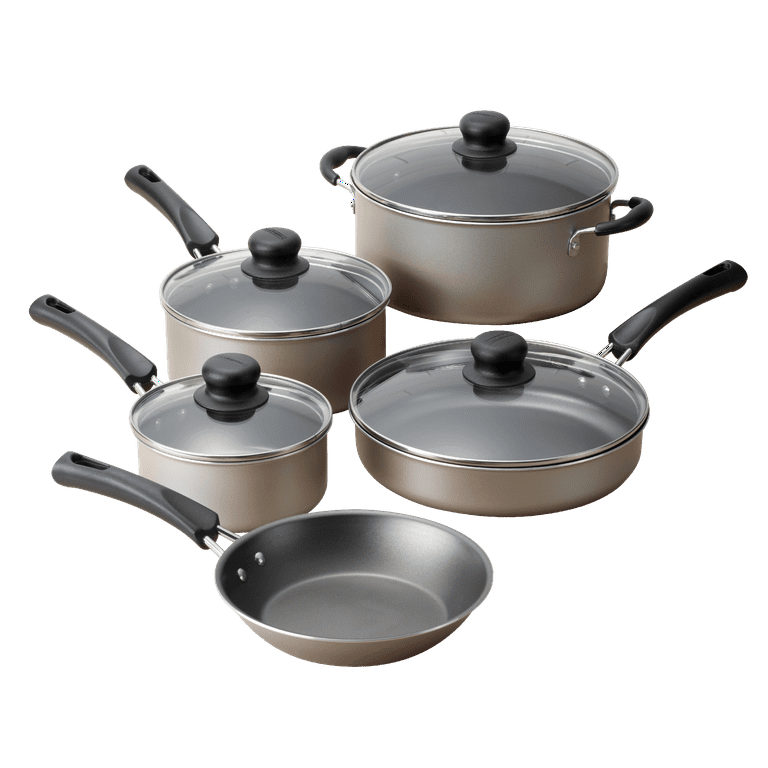
Credit: www.walmart.com
Oven-safe Temperature Limits
Understanding the oven-safe temperature limits of Tramontina cookware is essential for safe and effective cooking. Each cookware piece has a specific heat tolerance. This limit ensures the cookware performs well without damage or safety risks. Knowing these limits helps prevent warping, discoloration, or handle melting. Always check the temperature guidelines before using Tramontina cookware in the oven.
Maximum Heat Tolerance
Tramontina cookware can handle a good range of oven temperatures. Most of their products are safe up to 350°F to 500°F (175°C to 260°C). This range fits most baking, roasting, and broiling needs.
Key points about maximum heat tolerance:
- Stainless steel pans usually tolerate up to 500°F.
- Non-stick pans often have a lower limit, around 350°F.
- Handles made of silicone or plastic reduce the heat limit.
- Oven-safe lids can withstand heat but check the material.
Here is a simple table summarizing heat tolerance for common Tramontina cookware:
| Cookware Type | Max Oven Temperature | Notes |
|---|---|---|
| Stainless Steel | Up to 500°F (260°C) | Handles usually metal, high heat safe |
| Non-Stick | Up to 350°F (175°C) | Avoid high heat to protect coating |
| Cast Aluminum | Up to 400°F (205°C) | Good heat distribution, moderate oven use |
| Handles (Silicone/Plastic) | Up to 350°F (175°C) | Lower heat tolerance, check product details |
Exceeding these limits risks damaging the cookware and affecting food quality. Always follow manufacturer guidelines.
Variations By Product Line
Tramontina offers several product lines, each with unique oven-safe limits. Different materials and handle designs affect heat tolerance. Always check the specific product details before use.
Major Tramontina lines include:
- Tramontina Tri-Ply Stainless Steel: These have a high heat tolerance, safe up to 500°F. Metal handles allow for oven use without worry.
- Tramontina Non-Stick: Designed for lower heat. Oven-safe up to 350°F. Avoid high heat to protect the non-stick surface.
- Tramontina Gourmet: Stainless steel with ergonomic handles, safe up to 400°F. Handles may have silicone, so check carefully.
- Tramontina Professional: Heavy-duty stainless steel, oven-safe up to 500°F. Handles are metal for durability.
- Tramontina Enameled Cast Iron: Can handle up to 450°F. The enamel coating needs gentle heat management.
Here is a comparison table to show temperature limits by product line:
| Product Line | Material | Oven-Safe Temp | Handle Type |
|---|---|---|---|
| Tri-Ply Stainless Steel | Stainless Steel | Up to 500°F (260°C) | Metal |
| Non-Stick | Aluminum with Non-Stick Coating | Up to 350°F (175°C) | Silicone or Plastic |
| Gourmet | Stainless Steel | Up to 400°F (205°C) | Silicone/Metal Hybrid |
| Professional | Stainless Steel | Up to 500°F (260°C) | Metal |
| Enameled Cast Iron | Cast Iron with Enamel | Up to 450°F (230°C) | Metal |
Always refer to the user manual or product label for exact temperature guidelines. This helps maintain cookware condition and ensures safe cooking.
Using Tramontina Cookware In The Oven
Tramontina cookware is popular for its durability and style. Many home cooks want to use it in the oven for roasting, baking, or finishing dishes. Knowing whether Tramontina cookware is oven safe helps prevent damage to the pans and ensures safe cooking. Most Tramontina pots and pans, especially those made of stainless steel and cast iron, are designed to handle oven temperatures. Still, some pieces have limits due to handles or lids made of plastic or wood. Understanding how to prepare Tramontina cookware for oven use can improve cooking results and keep your cookware in good shape.
Preparation Tips
Before placing Tramontina cookware in the oven, take some simple steps to protect your pans and food.
- Check the material: Stainless steel and cast iron pieces usually tolerate oven heat well. Avoid putting plastic or wooden handles in the oven.
- Preheat the oven: Always preheat the oven to the recommended temperature before placing the cookware inside. This helps avoid thermal shock.
- Use oven-safe lids: If your cookware has a lid, confirm if it is oven safe. Glass lids often handle lower temperatures compared to metal lids.
- Apply oil or seasoning: For cast iron pans, apply a thin layer of oil or seasoning to prevent rust and improve food release.
- Use oven mitts: Always use thick oven mitts to handle hot cookware safely.
Here is a quick reference table for Tramontina cookware oven safety:
| Cookware Type | Oven Safe Temperature | Handle Material | Notes |
|---|---|---|---|
| Stainless Steel | Up to 500°F (260°C) | Metal | Safe for most oven uses |
| Cast Iron | Up to 600°F (315°C) | Metal | Great for high heat roasting |
| Nonstick | Up to 350°F (175°C) | Metal or plastic | Avoid high heat to protect coating |
| Cookware with Plastic/Wood Handles | Not oven safe | Plastic or wood | Remove handles if possible |
Common Mistakes To Avoid
Many cooks make errors that damage Tramontina cookware or cause accidents in the oven.
- Ignoring handle material: Placing pans with plastic or wooden handles in the oven can melt or burn handles.
- Overheating nonstick pans: Exceeding 350°F damages the coating and releases harmful fumes.
- Sudden temperature changes: Putting cold cookware straight into a hot oven may cause warping or cracking.
- Using cookware with non-oven-safe lids: Glass lids may shatter if exposed to high heat.
- Skipping cleaning before oven use: Food residue can burn and smoke, affecting flavor and safety.
Here is a simple list of oven safety do’s and don’ts for Tramontina cookware:
- Do check the manufacturer’s instructions for each piece.
- Don’t place plastic handles or lids in the oven.
- Do preheat the oven before placing cookware inside.
- Don’t exceed the maximum temperature limits.
- Do use oven mitts to prevent burns.
- Don’t clean hot cookware with cold water immediately.
Following these tips will help keep your Tramontina cookware safe and extend its life while cooking in the oven.

Credit: www.amazon.com
Care And Maintenance After Oven Use
Tramontina cookware is known for its durability and versatility, including safe use in the oven. After cooking in the oven, proper care and maintenance help keep your cookware in excellent condition. Cleaning and caring for your Tramontina pots and pans correctly ensures they perform well and last longer. This section guides you through the best practices to follow after oven use.
Cleaning Recommendations
Cleaning Tramontina cookware after oven use requires gentle handling to protect the surface and materials. Avoid sudden temperature changes to prevent warping or damage. Let the cookware cool before washing. Use warm, soapy water and a soft sponge or cloth for cleaning.
- Do not use abrasive pads or steel wool, as they can scratch the surface.
- Remove stuck-on food by soaking the cookware in warm water for 15-20 minutes.
- For stainless steel pans, use a mixture of baking soda and water to remove stains gently.
- Non-stick surfaces require extra care; avoid harsh detergents and metal utensils.
Here’s a quick cleaning guide for different Tramontina cookware types:
| Cookware Type | Cleaning Method | Notes |
|---|---|---|
| Stainless Steel | Warm soapy water, soft sponge | Use baking soda paste for stains |
| Non-stick | Soft cloth, mild detergent | Avoid metal utensils and abrasive cleaners |
| Cast Iron | Hot water, stiff brush | Dry immediately and oil to prevent rust |
Dry the cookware thoroughly before storing to avoid rust or water spots. Proper cleaning maintains the cookware’s appearance and cooking performance.
Extending Cookware Lifespan
Extending the life of Tramontina cookware depends on careful use and regular maintenance. Avoid overheating cookware, as it may damage the surface or handles. Follow the manufacturer’s maximum temperature guidelines for oven use.
Use the following tips to protect your cookware:
- Preheat the oven gradually to prevent thermal shock.
- Use oven mitts to avoid dropping or damaging the cookware.
- Store cookware properly in a dry place with lids off or loosely placed to prevent moisture buildup.
- Avoid stacking heavy pots on top of each other to prevent dents or scratches.
- Season cast iron pans regularly to keep the surface non-stick and rust-free.
Regular inspection for wear and tear helps catch small issues early. Replace any damaged parts, like handles or lids, to maintain safety and function.
Following these care steps protects your Tramontina cookware investment and keeps it working well for years.
Comparing Tramontina To Other Brands
When choosing cookware, oven safety is a key factor. Tramontina cookware is popular for its quality and design. Comparing Tramontina to other brands helps buyers understand its value and safety. Knowing how Tramontina performs in oven use compared to others can guide smart purchases.
Oven Safety Features
Tramontina cookware offers solid oven safety for most models. Many pieces are made with stainless steel or hard-anodized aluminum, materials that handle oven heat well. Their handles often use heat-resistant materials or stainless steel, reducing the risk of melting or damage.
Key oven safety points for Tramontina:
- Oven safe temperature: Most Tramontina pots and pans tolerate temperatures up to 350°F to 500°F.
- Handle material: Stainless steel handles allow safe oven use without plastic melting.
- Lid safety: Glass lids are usually oven safe up to 350°F but check each product.
- Non-stick coatings: Non-stick Tramontina pans often have a lower oven-safe limit around 350°F.
Compared to other brands like All-Clad or Calphalon, Tramontina holds up well. All-Clad often supports higher oven temperatures (up to 600°F) due to premium materials. Calphalon also provides good oven safety but might use plastic handles on some lines.
| Brand | Max Oven Temp | Handle Material | Lid Oven Safety |
|---|---|---|---|
| Tramontina | 350°F – 500°F | Stainless Steel, Heat-resistant | Glass lids up to 350°F |
| All-Clad | Up to 600°F | Stainless Steel | Glass or Stainless Steel lids, high heat safe |
| Calphalon | Up to 450°F | Mixed (Stainless & Plastic) | Glass lids, varies by line |
Tramontina scores well but may have lower temperature limits than some premium brands. Users should always check product labels for exact oven-safe temperatures.
Price Vs. Performance
Tramontina offers strong value for the price. Its cookware often costs less than premium brands but still delivers good performance. This makes it popular among budget-conscious buyers.
Performance highlights:
- Good heat distribution, especially in stainless steel and aluminum models.
- Durable construction that resists warping and scratching.
- Oven safe features comparable to many mid-range brands.
Price comparison shows Tramontina as affordable without major sacrifices:
| Brand | Average Price (Set) | Oven Safety | Durability |
|---|---|---|---|
| Tramontina | $80 – $150 | Good (up to 500°F) | High |
| All-Clad | $300 – $600 | Excellent (up to 600°F) | Very High |
| Calphalon | $150 – $300 | Good (up to 450°F) | High |
Tramontina works well for everyday cooking and baking. It offers strong oven safety for most recipes. Premium brands like All-Clad provide higher heat limits but at a much higher cost.
For those wanting solid oven-safe cookware without spending too much, Tramontina is a smart choice. It balances price and performance well, making it a reliable kitchen companion.
User Experiences And Reviews
Many users share their experiences about Tramontina cookware and its oven safety. These reviews help new buyers understand what to expect from the product. Users talk about how well the cookware handles oven heat and any problems faced during use. Real feedback shows both the strengths and weaknesses of Tramontina cookware in oven use.
Positive Feedback
Most users agree Tramontina cookware works well in ovens. Many say the pots and pans hold heat evenly and cook food thoroughly. The cookware often reaches high temperatures without damage.
- Durability: Many reviews mention the cookware stays strong even after long oven use.
- Heat resistance: Users report the handles and lids tolerate oven heat up to recommended limits.
- Easy cleaning: After baking, cleaning remains simple, with no food stuck inside.
Some users appreciate the cookware’s versatility, using it on stovetops and ovens without issues. Below is a summary of common positive points:
| Feature | User Comments |
|---|---|
| Oven Safety | Withstands oven temperatures as per product guidelines |
| Material Quality | Maintains shape and finish after oven use |
| Heat Distribution | Even cooking without hot spots |
| Handle Comfort | Handles stay secure, though may get hot |
Reported Issues
Some users mention problems with oven use of Tramontina cookware. A few report damage after cooking at very high temperatures or prolonged oven use. Common issues include:
- Handle damage: Plastic or rubber handles may melt or warp if exposed to heat beyond limits.
- Warping: Thin pans sometimes bend or lose shape after intense oven use.
- Coating wear: Non-stick layers can peel or degrade after frequent oven exposure.
Care must be taken to follow the manufacturer’s temperature guidelines. Some users recommend removing lids with plastic parts before placing cookware in the oven. Below is a table summarizing common reported problems:
| Issue | Description | Suggested Precaution |
|---|---|---|
| Handle Damage | Handles melted or warped in high heat | Remove lids with plastic handles before oven use |
| Warping | Cookware base bent after long oven use | Use within recommended temperature range |
| Coating Wear | Non-stick surface peeling after repeated oven cooking | Limit oven use and avoid metal utensils |

Credit: www.tramontina.com
Frequently Asked Questions
Is Tramontina Cookware Safe For Oven Use?
Yes, most Tramontina cookware is oven safe. Check the product details for max temperature limits. Avoid exposing handles not designed for oven use.
What Is The Maximum Oven Temperature For Tramontina Pans?
Tramontina cookware typically withstands oven temperatures up to 350°F to 500°F. Always verify specific product guidelines to prevent damage.
Can Tramontina Cookware Handles Go In The Oven?
Some Tramontina cookware has oven-safe handles made from metal or heat-resistant materials. Plastic handles usually are not oven safe.
How To Know If Tramontina Cookware Is Oven Safe?
Look for manufacturer labels or product descriptions indicating oven safety. Consult Tramontina’s official website or user manuals for accurate information.
Conclusion
Tramontina cookware works well in the oven, but check the model first. Most pieces handle oven heat safely up to certain temperatures. Avoid sudden temperature changes to keep your cookware in good shape. Always follow the manufacturer’s guidelines for the best results.
This helps your cookware last longer and cook food evenly. Knowing these facts makes cooking easier and safer. Cook with confidence using Tramontina cookware in your oven. Simple care keeps your kitchen tools ready for many meals ahead.

Hello, This is Annie Walker, a 38-year-old blogger, founder, and editor of Cookware Guider from NY, USA. I am a cookware fanatic and passionate cooker. I love to cook with different types of cooking appliances (example: all types of cookware, rice cookers, slow cookers, etc) almost every day in my kitchen. I love to share my experience with my readers in my blog. Also, I enjoy helping people to solve their problems through my website. You can follow me on Twitter & Pinterest. To know details about my blog please check the about us page.