
Are you worried about what’s really in your cookware? When it comes to your health, using non-toxic pots and pans is a must.
Viking stainless steel cookware is popular, but is it truly safe for you and your family? You want to cook delicious meals without worrying about harmful chemicals sneaking into your food. Keep reading to discover the truth about Viking stainless steel cookware and why it might be the healthy choice you’ve been searching for.

Credit: www.vikingculinaryproducts.com
Viking Stainless Steel Material
Viking stainless steel cookware is popular for its durability and cooking performance. Many people ask if it is non-toxic and safe for daily use. The answer lies in the material used to make this cookware. Understanding the Viking stainless steel material helps clarify its safety and quality. This section explains the composition and grade of the stainless steel used by Viking. Knowing this helps you make a better choice for your kitchen.
Composition Of Viking Cookware
Viking stainless steel cookware is made from a specific blend of metals. This blend gives the cookware strength, resistance to rust, and a smooth cooking surface. The main metals in the composition include:
- Iron: The base metal providing structure and durability.
- Chromium: Adds corrosion resistance and a shiny finish. Usually 18% or higher.
- Nickel: Increases resistance to rust and adds shine. Commonly around 8%.
- Manganese, Carbon, and Other Trace Elements: Small amounts improve hardness and workability.
This mix forms a type of stainless steel called austenitic stainless steel. It does not release harmful chemicals during cooking. The surface is non-reactive, so food flavors stay pure.
| Element | Purpose | Approximate Percentage |
|---|---|---|
| Iron | Base metal | Balance |
| Chromium | Corrosion resistance | 18% or more |
| Nickel | Rust resistance, shine | 8% or more |
| Carbon | Hardness | Less than 0.1% |
Viking’s composition ensures the cookware stays strong and safe. It does not leach metals into food under normal use. This quality supports the claim that Viking stainless steel cookware is non-toxic.
Grade Of Stainless Steel Used
Viking cookware uses high-quality stainless steel grades. The most common grade is 18/8 or 18/10 stainless steel. These numbers refer to the chromium and nickel content:
- 18/8: 18% chromium and 8% nickel.
- 18/10: 18% chromium and 10% nickel.
Both grades are safe and stable for cooking. They resist rust and do not react with acidic or alkaline foods. This means the cookware stays non-toxic and easy to clean.
Key features of Viking stainless steel grades include:
- Strong corrosion resistance: Prevents rust and pitting.
- Non-reactive surface: Maintains food taste and safety.
- Durability: Handles high heat without damage.
- Easy maintenance: Resists stains and scratches.
Here is a simple comparison of common stainless steel grades:
| Grade | Chromium % | Nickel % | Common Use | Food Safety |
|---|---|---|---|---|
| 18/8 | 18% | 8% | Cookware, kitchen tools | Non-toxic, safe |
| 18/10 | 18% | 10% | Premium cookware | Non-toxic, safe |
| 304 | 18-20% | 8-10% | Common stainless steel | Non-toxic, safe |
Viking uses grades like 18/10 and 304 stainless steel. These materials meet high standards for cookware safety. Their stable chemical makeup means no harmful toxins enter your food. This confirms Viking stainless steel cookware is a safe, non-toxic choice for home kitchens.
Credit: gurlgonegreen.com
Health Safety Of Stainless Steel
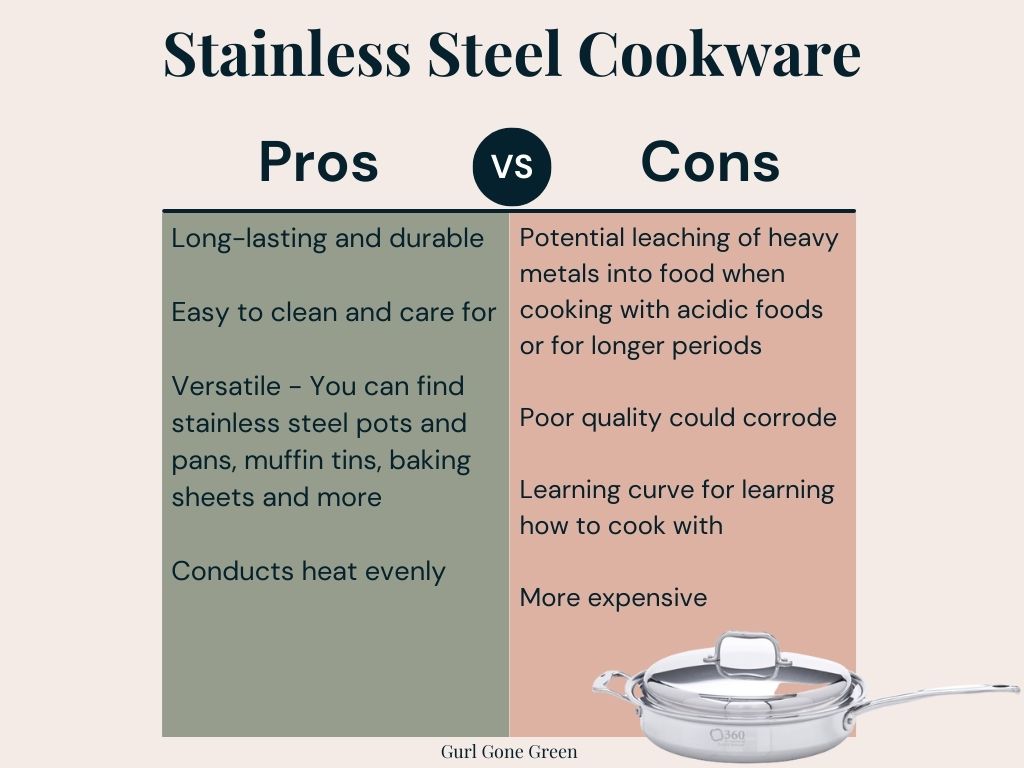
Health safety is a top concern for anyone choosing cookware. Viking stainless steel cookware is popular for its durability and design. But is it non-toxic and safe for everyday cooking? Understanding the health safety of stainless steel helps answer this. Stainless steel is a metal alloy made mainly of iron, chromium, and nickel. It resists rust and corrosion, making it a good choice for kitchen use. Its surface does not easily react with food, which lowers the chance of harmful chemicals leaching into meals. This section explains how stainless steel interacts with food and what toxic elements, if any, might be present in Viking cookware.
Chemical Reactivity With Food
Stainless steel is known for its low chemical reactivity. This means it does not easily react with acids or other substances in food. This quality keeps the food’s taste and safety intact.
- Stainless steel contains chromium that forms a thin oxide layer on the surface.
- This oxide layer acts as a barrier, preventing metal from mixing with food.
- Foods like tomatoes, vinegar, and citrus are acidic but safe to cook in stainless steel.
Some key points about chemical reactivity in Viking cookware:
| Aspect | Effect on Food | Health Impact |
|---|---|---|
| Chromium Oxide Layer | Prevents metal leaching | Reduces contamination risk |
| Cooking Acidic Foods | No significant reaction | Food flavor remains pure |
| High Heat Use | Possible minor metal release if damaged | Minimal risk with proper care |
Maintaining the cookware well is important. Avoid using harsh abrasives or metal utensils that can damage the surface. A healthy stainless steel pan is less likely to release metals into food.
Potential Toxic Elements
Stainless steel alloys contain metals like nickel and chromium. These metals raise questions about toxicity. Viking cookware uses high-quality stainless steel, generally 18/10 grade. This means it has about 18% chromium and 10% nickel.
Key facts about these elements:
- Chromium: Essential for corrosion resistance. Present as chromium oxide on the surface.
- Nickel: Adds shine and strength. Some people have nickel allergies.
Health concerns focus mainly on nickel sensitivity. Small amounts of nickel can leach into food, especially with acidic dishes. Most people do not react, but those with allergies should be cautious.
| Element | Common Role in Stainless Steel | Health Consideration |
|---|---|---|
| Chromium | Protects against rust and damage | Generally safe; forms protective layer |
| Nickel | Improves durability and shine | Possible allergen for some people |
| Iron | Main metal in the alloy | Safe; essential nutrient in food |
Viking stainless steel cookware meets strict safety standards and food-grade regulations. Proper use and care reduce any risk of metal leaching. Avoid cooking extremely acidic foods for long periods to limit nickel release.
Viking Cookware Manufacturing Process
Viking Stainless Steel Cookware is known for its durability and safety in the kitchen. Understanding the manufacturing process helps reveal why it is considered non-toxic. Viking uses advanced techniques and strict controls to ensure the cookware meets high safety standards. The process focuses on using pure materials and avoiding harmful chemicals. This attention to detail keeps the cookware safe for everyday cooking.
Quality Control Standards
Viking follows rigorous quality control standards to guarantee safe and reliable cookware. Each piece undergoes multiple inspections during manufacturing. These controls ensure the cookware meets performance and safety requirements.
- Material Selection: Only high-grade stainless steel is used. This metal is known for its resistance to rust and corrosion.
- Precision Manufacturing: The steel is carefully shaped and polished to avoid rough edges or defects that could affect safety.
- Surface Testing: The cooking surface is tested for smoothness and durability. This prevents food from sticking and reduces the risk of harmful residues.
- Assembly Checks: Handles and lids are securely attached. They are tested for heat resistance and stability.
- Final Inspection: Each item is checked for leaks, cracks, and other flaws before packaging.
| Stage | Control Focus | Safety Outcome |
|---|---|---|
| Material Selection | Pure stainless steel quality | Non-reactive, safe cooking surface |
| Manufacturing | Shape and polish precision | Durable, smooth cookware |
| Surface Testing | Scratch and corrosion resistance | Prevents contamination |
| Assembly | Handle and lid security | Safe handling during cooking |
| Final Inspection | Leak and flaw detection | Reliable and safe product |
These steps ensure Viking cookware is built to last and safe for all types of cooking. The process minimizes the chance of toxic substances entering food.
Non-toxic Certification And Testing
Viking cookware undergoes strict testing to prove it is non-toxic. Independent labs test the products for harmful chemicals and heavy metals. The cookware must pass these tests before being sold.
Common tests include:
- Heavy Metal Testing: Ensures no dangerous metals like lead, cadmium, or nickel leach into food.
- PTFE and PFOA Screening: Confirms the cookware contains no harmful non-stick chemicals.
- Food Safety Compliance: Checks that materials meet FDA and EU standards for food contact.
- Heat Stability Tests: Confirms no toxic fumes or breakdown occur at cooking temperatures.
Certifications Viking cookware holds include:
- NSF Certification: Ensures sanitary safety and compliance.
- LFGB Certification: German food safety standard for cookware.
- FDA Approved Materials: Confirms safe use in food preparation.
The combination of testing and certifications guarantees Viking cookware is safe for daily use. It contains no toxic coatings or metals. Users can cook healthy meals without worry.
Comparison With Other Cookware Materials
Choosing the right cookware affects health and cooking quality. Viking stainless steel cookware is popular for its design and function. Comparing it to other cookware materials helps understand its safety and performance. This comparison covers non-toxic options and how durable and safe Viking stainless steel is.
Non-toxic Alternatives
Many cookware materials claim to be safe and non-toxic. Viking stainless steel stands out due to its simple composition, usually made of iron, chromium, and nickel. These metals do not release harmful chemicals into food under normal use.
Common non-toxic cookware materials include:
- Cast Iron: Durable and naturally non-toxic, but can leach iron into food.
- Ceramic: Free of metals and chemicals, but fragile and prone to chipping.
- Glass: Non-reactive and safe but not suitable for high-heat cooking.
- Titanium: Lightweight and non-toxic, often used in high-end cookware.
Here is a quick comparison of non-toxic cookware materials:
| Material | Non-Toxic Level | Pros | Cons |
|---|---|---|---|
| Stainless Steel (Viking) | High | Durable, non-reactive, easy to clean | Can be heavy, may contain nickel |
| Cast Iron | High | Long-lasting, adds iron to food | Needs seasoning, can rust |
| Ceramic | High | Non-reactive, lightweight | Fragile, prone to cracking |
| Glass | High | Safe, non-reactive | Not for stovetop, fragile |
| Titanium | Very High | Lightweight, strong | Expensive, limited availability |
Viking stainless steel offers a good balance of safety and usability compared to others.
Durability And Safety
Viking stainless steel cookware is known for lasting many years. Its strong metal resists scratches, dents, and corrosion. This durability keeps the cookware safe to use over time.
Key durability and safety features include:
- Corrosion Resistance: The chromium in stainless steel prevents rust.
- High Heat Tolerance: Can handle high cooking temperatures without damage.
- Non-Reactive Surface: Does not react with acidic or alkaline foods.
- Easy Maintenance: Simple to clean and does not require special care.
Compared to non-stick cookware, stainless steel does not release toxic fumes if overheated. It also avoids problems like peeling or chipping seen in ceramic coatings.
Here is a durability comparison:
| Feature | Viking Stainless Steel | Non-Stick Coating | Ceramic |
|---|---|---|---|
| Scratch Resistance | High | Low | Medium |
| Heat Resistance | Very High | Medium | Medium |
| Corrosion Resistance | High | Low | Medium |
| Maintenance | Easy | Requires care | Fragile |
Viking stainless steel cookware scores well for durability and safety. It suits daily cooking without risk of harmful chemical exposure.
User Experience And Reviews
Many people who use Viking Stainless Steel cookware share their thoughts on its safety. User experience and reviews provide real insights into whether this cookware is truly non-toxic. Understanding these opinions helps potential buyers decide if Viking cookware meets their health standards. Users often discuss how the cookware performs in daily cooking and if they notice any health issues from its use. Both positive and negative feedback reveal important information about the product’s safety and quality.
Reported Health Concerns
Some users have expressed concerns about the possibility of metal leaching from Viking stainless steel cookware. This worry is common with stainless steel products because they contain metals like nickel and chromium. When cookware is scratched or heated to very high temperatures, small amounts of these metals might enter food.
Key health concerns reported include:
- Allergic reactions to nickel in sensitive individuals.
- Potential metal taste in food after cooking acidic dishes.
- Concerns about long-term exposure to trace metals.
While these concerns exist, they appear in a small number of reviews. Most users do not experience any adverse effects. To reduce risks, users suggest:
- Avoid cooking very acidic foods for long periods.
- Do not use metal utensils that may scratch the surface.
- Clean cookware properly to maintain its non-toxic surface.
| Concern | Description | Frequency in Reviews |
|---|---|---|
| Metal Leaching | Nickel and chromium traces entering food | Low to moderate |
| Allergic Reactions | Skin or digestive issues from nickel | Rare |
| Metal Taste | Unpleasant flavor in acidic meals | Occasional |
Positive Feedback On Safety
Most users praise Viking Stainless Steel cookware for being safe and non-toxic. They report no health problems after months or years of use. Many highlight the cookware’s high-quality materials and solid construction. This helps prevent metal leaching and maintains food purity.
Common positive points include:
- Cookware does not react with food or change flavors.
- Surface remains smooth and scratch-resistant over time.
- Easy to clean, reducing bacteria and residue buildup.
- Does not contain harmful coatings or chemicals.
Users with allergies to nickel often find Viking cookware safe because it is well-made and does not release metal easily. Many also appreciate the brand’s reputation for stainless steel safety. They trust that Viking meets strict manufacturing standards to ensure non-toxic cookware.
The table below summarizes user feedback on safety:
| Aspect | User Feedback | Impact on Safety Perception |
|---|---|---|
| Material Quality | High-grade stainless steel | Increases trust in non-toxicity |
| Durability | Resists scratches and corrosion | Less metal leaching risk |
| Cleaning | Easy to maintain cleanliness | Reduces health risks |
Credit: www.amazon.com
Frequently Asked Questions
Is Viking Stainless Steel Cookware Safe For Daily Use?
Yes, Viking stainless steel cookware is safe for daily use. It is made from high-quality, non-toxic materials that do not leach harmful chemicals into food. This ensures a healthy cooking experience without compromising durability or performance.
Does Viking Stainless Steel Release Harmful Chemicals?
No, Viking stainless steel cookware does not release harmful chemicals. It is crafted from food-grade stainless steel, which is non-reactive and safe for cooking. This prevents any toxic substances from contaminating your meals during cooking.
What Makes Viking Cookware Non-toxic Compared To Others?
Viking cookware uses 18/10 stainless steel, known for its purity and safety. It contains no harmful coatings or additives, making it non-toxic. This ensures safer cooking compared to non-stick or lower-quality cookware with chemical coatings.
Can Viking Stainless Steel Cookware Cause Metal Contamination?
Viking cookware minimizes metal contamination risks due to its corrosion-resistant design. Proper use and care prevent metal leaching. It is safe for all types of cooking, including acidic foods, without compromising food safety.
Conclusion
Viking stainless steel cookware is a safe choice for your kitchen. It does not release harmful chemicals during cooking. The material resists rust and corrosion well. It heats food evenly without toxic coatings. Cleaning is easy and helps keep it healthy.
Many cooks trust its quality and safety. Choose Viking if you want durable, non-toxic cookware. Enjoy healthy meals made with confidence every day. Safe cooking starts with the right tools. Viking stainless steel fits that need perfectly.

Hello, This is Annie Walker, a 38-year-old blogger, founder, and editor of Cookware Guider from NY, USA. I am a cookware fanatic and passionate cooker. I love to cook with different types of cooking appliances (example: all types of cookware, rice cookers, slow cookers, etc) almost every day in my kitchen. I love to share my experience with my readers in my blog. Also, I enjoy helping people to solve their problems through my website. You can follow me on Twitter & Pinterest. To know details about my blog please check the about us page.