
Have you ever wondered what makes pan fried noodles so deliciously irresistible? If you’re craving a meal that’s crispy, savory, and quick to make, pan fried noodles might just be your new favorite dish.
You’ll discover what pan fried noodles are, why they’re so popular, and how they can easily fit into your cooking routine. Get ready to unlock the secret to a tasty, satisfying meal that you can enjoy anytime. Keep reading—you won’t want to miss this!

Credit: www.cookerru.com
Pan Fried Noodles Basics
Pan fried noodles are a tasty dish with crispy edges and soft centers. This cooking method gives noodles a unique texture and rich flavor. Understanding the basics helps you cook them perfectly every time.
Key Ingredients
Fresh or dried noodles form the base. Vegetables like cabbage, carrots, and bean sprouts add crunch. Soy sauce and garlic provide deep flavor. Meat or tofu can make it a full meal. Oil is essential for frying and crispiness.
Noodle Varieties
Wheat noodles are common, with a chewy texture. Rice noodles offer a lighter option. Egg noodles bring a rich taste and yellow color. Choose noodles that hold up well to frying without breaking.
Essential Tools
A non-stick or cast iron pan works best. A spatula helps to flip and stir the noodles. Tongs are useful for handling hot noodles. A stove with medium to high heat is needed for crisp frying.
Preparing Noodles For Frying
Preparing noodles properly is key to making delicious pan fried noodles. It affects the texture and flavor of the dish. The right preparation helps the noodles fry evenly and stay firm. This section covers boiling, drying, and marinating techniques.
Boiling And Draining
Start by boiling the noodles in plenty of water. Use a large pot to avoid sticking. Cook until the noodles are just soft but not mushy. Overcooked noodles break during frying. Drain the noodles well in a colander. Shake gently to remove extra water. This keeps the noodles from becoming soggy.
Drying Techniques
Dry noodles slightly before frying. Spread them on a clean kitchen towel or paper towels. Pat the noodles gently to absorb moisture. Avoid letting noodles sit too long or they dry out. A little moisture helps noodles crisp up in the pan. Drying prevents oil splatter during frying.
Marinating Options
Marinate noodles for extra flavor. Use soy sauce, sesame oil, or a light seasoning mix. Toss noodles gently in the marinade. Let them sit for 10 to 15 minutes. Avoid heavy sauces that make noodles soggy. Marinating adds taste without losing the noodles’ texture.
Achieving Crispy Texture
Achieving a crispy texture is the key to perfect pan fried noodles. This texture makes the dish more enjoyable and adds a nice contrast to the soft noodles inside. Crispy noodles are golden, crunchy, and full of flavor. The secret lies in oil choice, frying temperature, and cooking time. Each step shapes the final crispiness of the noodles.
Choosing The Right Oil
Pick an oil with a high smoke point like vegetable or peanut oil. These oils can handle high heat without burning. Olive oil has a lower smoke point and can burn easily. Burning oil gives a bitter taste and ruins the crispiness. Use enough oil to cover the pan’s surface but avoid flooding the noodles.
Frying Temperature Tips
Heat the oil until it shimmers but does not smoke. Hot oil cooks noodles quickly and creates a crunchy crust. Too low heat makes noodles soggy and oily. Too high heat burns the noodles on the outside but leaves inside raw. Maintain a medium-high heat for even cooking.
Flipping And Cooking Time
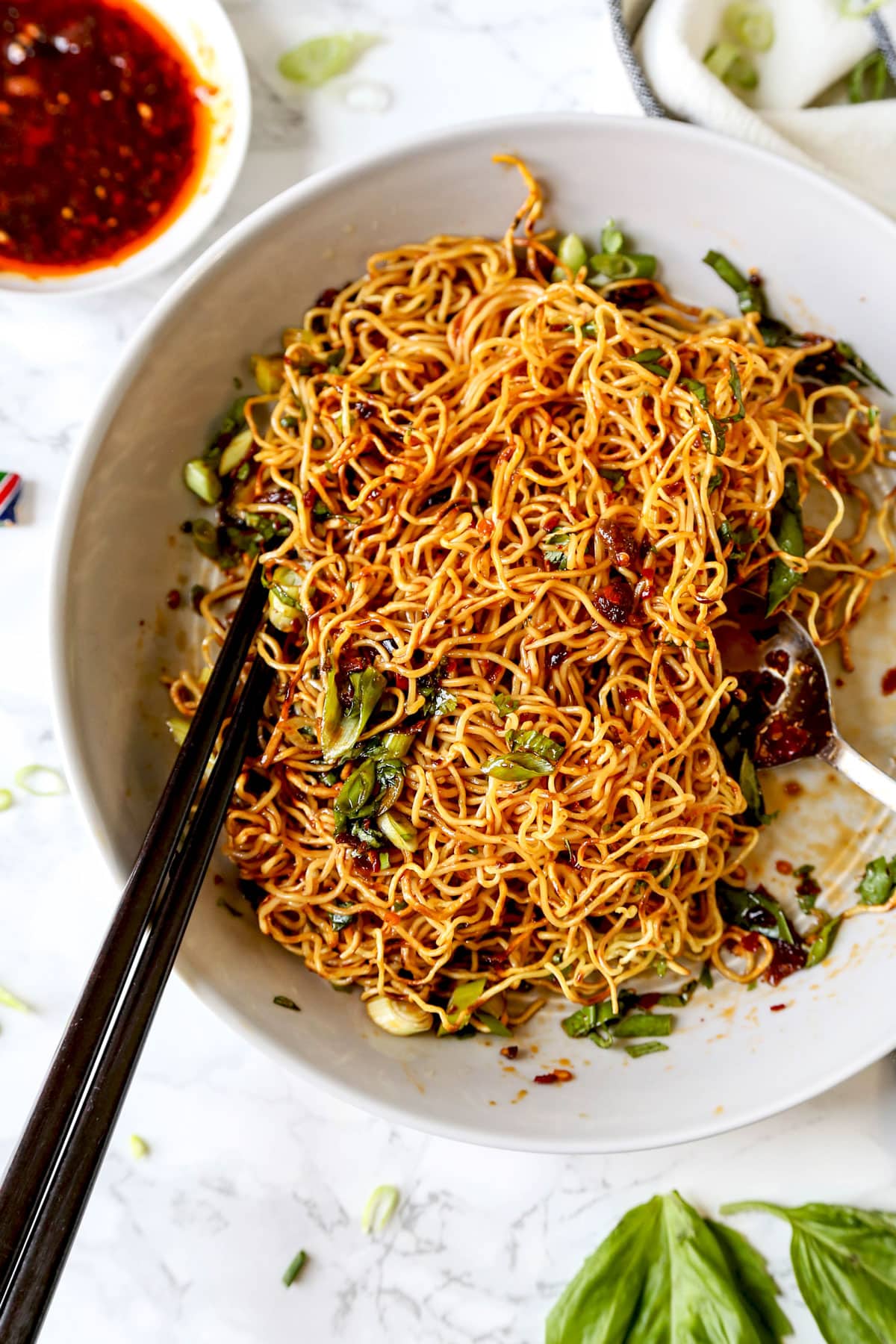
Let noodles cook without moving them for 3 to 5 minutes. This time forms a golden crust. Flip gently using a spatula to cook the other side. Cook the second side for 2 to 4 minutes until equally crispy. Avoid flipping too often to keep the crust intact.
Credit: pickledplum.com
Flavor Enhancements
Pan fried noodles are simple but full of flavor. The secret lies in how you enhance their taste. Using the right ingredients makes the dish exciting and satisfying. Small changes bring big differences in every bite.
Sauces And Seasonings
Sauces add moisture and depth to pan fried noodles. Soy sauce is a classic choice. It brings a salty, rich flavor. Oyster sauce adds sweetness and a touch of the sea. Sesame oil gives a nutty aroma that warms the dish. Seasonings like garlic powder, ginger, and chili flakes boost the taste. These spices create a balanced and tasty meal.
Adding Vegetables
Vegetables add color, crunch, and freshness. Bell peppers bring sweetness and a crisp texture. Carrots add a mild sweetness and crunch. Green onions offer a sharp, fresh bite. Mushrooms give an earthy, meaty flavor. Stirring in leafy greens like spinach or bok choy adds softness and nutrients. Vegetables make the dish more healthy and tasty.
Incorporating Proteins
Proteins make pan fried noodles more filling. Chicken and beef are popular choices. They add a rich, savory taste. Shrimp gives a sweet, ocean flavor. Tofu is great for a vegetarian option. It soaks up sauces well. Eggs add extra richness and texture. Proteins improve the dish’s balance and nutrition.
Serving Suggestions
Serving pan fried noodles can be simple or fancy. The way you present them can make a big difference. This section gives ideas for plating, sides, and storing leftovers. These tips help you enjoy your meal more and waste less food.
Plating Ideas
Use a wide, shallow plate to spread the noodles. This shows off the crispy texture. Garnish with fresh herbs like cilantro or green onions. Add a wedge of lime for a fresh look and taste. Arrange vegetables and meat on top for color and balance. Keep the portion neat to make it inviting.
Accompaniments And Sides
Serve pan fried noodles with simple sides. A small bowl of soy sauce or chili sauce works well. Pickled vegetables add a tangy contrast. A light cucumber salad cools the palate. Steamed or stir-fried greens bring more nutrition. These sides create a balanced, tasty meal.
Storing Leftovers
Cool noodles quickly before storing. Use an airtight container to keep them fresh. Store in the fridge for up to two days. Reheat in a pan to keep crispiness. Avoid the microwave if possible; it makes noodles soggy. Leftover noodles can be a quick meal later.
Common Mistakes To Avoid
Pan fried noodles can be delicious and easy to make. But some common mistakes can ruin the texture and taste. Avoid these errors to enjoy perfect pan fried noodles every time.
Overcrowding The Pan
Putting too many noodles in the pan lowers the heat. This causes the noodles to steam, not fry. They become soggy and sticky instead of crispy. Cook in small batches for best results.
Using Wet Noodles
Wet noodles do not fry well. Water stops the noodles from getting crispy. Always drain and dry noodles before frying. Pat them with a paper towel if needed.
Ignoring Heat Control
Heat must be just right. Too low heat makes noodles soft and greasy. Too high heat can burn them quickly. Medium-high heat works best to fry noodles evenly.
Variations Around The World
Pan fried noodles have many variations worldwide. Each region adds its own flavors and techniques. These variations show the diversity of this simple dish. They make pan fried noodles exciting and tasty everywhere.
Asian Styles
Asian countries have rich pan fried noodle traditions. In China, crispy noodles often pair with savory sauces. Japan offers yakisoba, stir-fried with vegetables and meat. Thailand’s pad see ew uses wide rice noodles with soy sauce. Each style uses local ingredients and spices. The result is unique, yet familiar dishes loved by many.
Fusion Twists
Fusion pan fried noodles mix flavors from different cultures. Chefs combine Asian noodles with Western sauces and toppings. Some add cheese or use pasta instead of traditional noodles. Others include spices from India or herbs from the Mediterranean. These creative dishes bring new tastes and textures. Fusion noodles appeal to adventurous eaters everywhere.
Vegetarian And Vegan Options
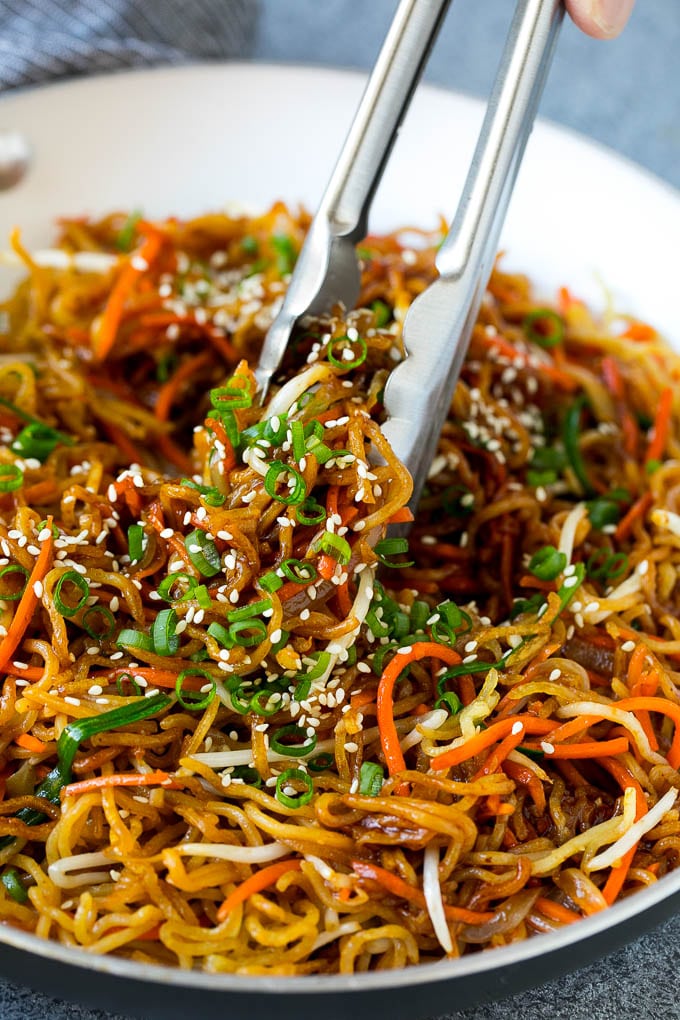
Vegetarian and vegan pan fried noodles are easy to find. They use tofu, mushrooms, or tempeh for protein. Fresh vegetables like bell peppers, carrots, and bok choy add color and crunch. Vegan sauces avoid fish or oyster sauce, using soy or hoisin instead. These versions offer healthy and delicious choices for all diets.
Credit: www.dinneratthezoo.com
Frequently Asked Questions
What Are Pan Fried Noodles Made Of?
Pan fried noodles are typically made from boiled noodles stir-fried in oil. They often include vegetables, meat, and sauces for flavor.
How Do Pan Fried Noodles Differ From Boiled Noodles?
Pan fried noodles are crispy and cooked in oil. Boiled noodles are soft and cooked in water without frying.
What Sauces Enhance Pan Fried Noodles Flavor?
Soy sauce, oyster sauce, and hoisin sauce are popular. These sauces add savory, sweet, and umami notes to the dish.
Can Pan Fried Noodles Be Made Vegetarian?
Yes, by using vegetables, tofu, and vegetarian sauces. Avoid meat and seafood to keep it fully vegetarian.
Conclusion
Pan fried noodles offer a tasty and quick meal option. They combine soft noodles with a crispy outside. You can add vegetables, meat, or tofu for flavor. Cooking is simple and fast on a hot pan. This dish fits many tastes and meals.
Try pan fried noodles to enjoy a warm, filling dish. It’s a great way to mix flavors and textures. Perfect for busy days or a cozy night in. Give it a go and enjoy the delicious results.

Hello, This is Annie Walker, a 38-year-old blogger, founder, and editor of Cookware Guider from NY, USA. I am a cookware fanatic and passionate cooker. I love to cook with different types of cooking appliances (example: all types of cookware, rice cookers, slow cookers, etc) almost every day in my kitchen. I love to share my experience with my readers in my blog. Also, I enjoy helping people to solve their problems through my website. You can follow me on Twitter & Pinterest. To know details about my blog please check the about us page.