
Do you ever wonder how much cooked rice you should really be eating in one serving? Knowing the right serving size can help you control your portions, manage your nutrition, and avoid overeating without feeling deprived.
Whether you’re tracking calories, planning meals, or just want to eat healthier, understanding what counts as a serving size of cooked rice is key. Keep reading, and you’ll discover simple tips to measure your rice perfectly every time—making your meals balanced and satisfying.
Standard Serving Size
Understanding the standard serving size of cooked rice helps control portions and maintain a balanced diet. It guides how much rice to prepare for one person. This knowledge prevents waste and supports healthy eating habits.
Cooked Rice Measurement
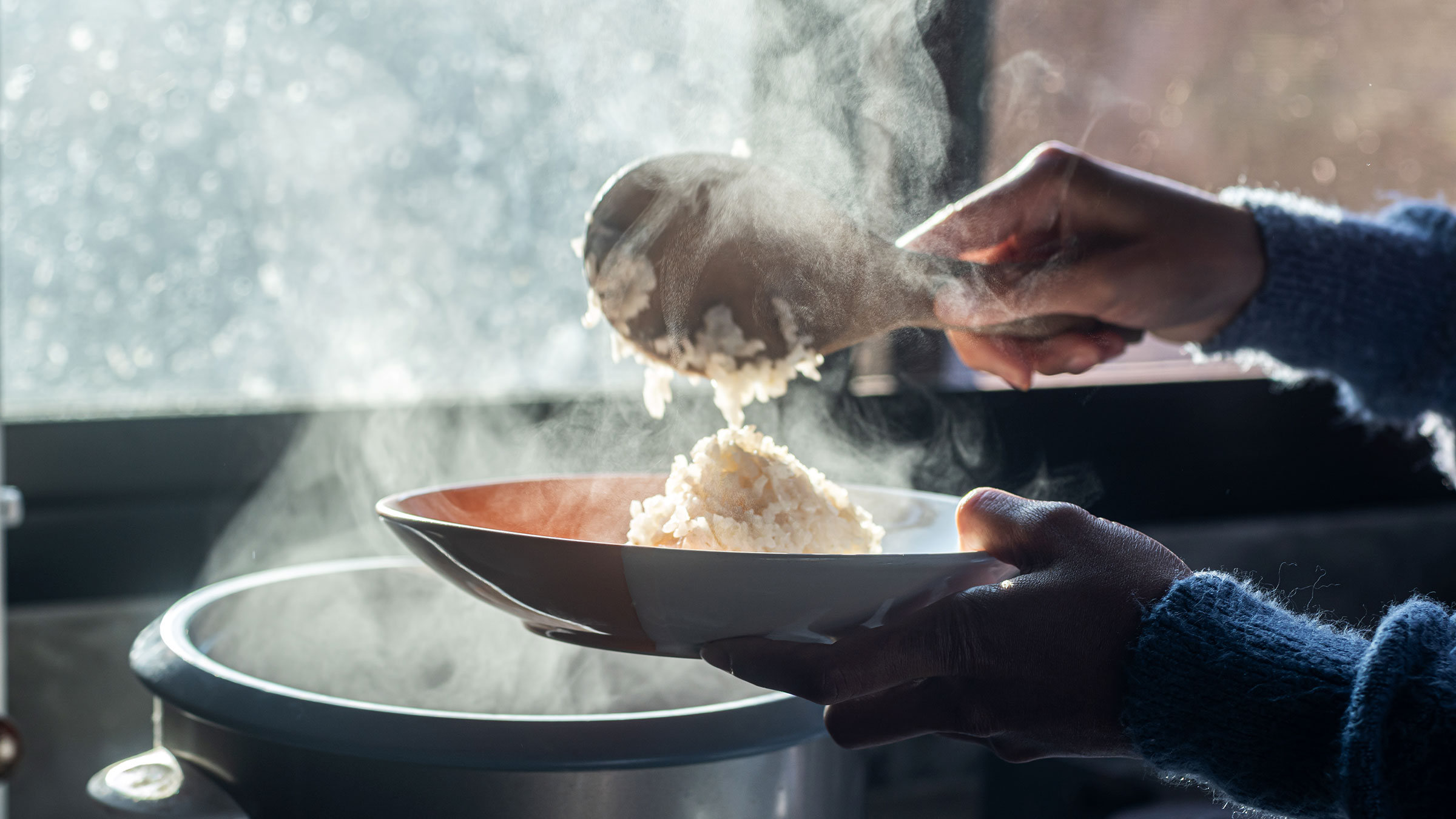
A standard serving of cooked rice is usually about 1 cup. This equals roughly 150 to 200 grams. It fits well on a regular plate and pairs nicely with other dishes. This amount provides enough energy without overeating.
Dry Rice To Cooked Rice Ratio
Dry rice expands when cooked. Generally, 1/3 cup of dry rice yields 1 cup of cooked rice. This means rice triples in size and weight. Knowing this ratio helps measure the right amount before cooking. It saves time and ensures proper servings.
Credit: www.goodrx.com
Calories In A Serving
Calories in a serving of cooked rice vary by type. Knowing these calories helps control your daily intake. Rice is a staple food for many people worldwide. It provides energy and some nutrients. Understanding calories in rice guides healthier eating choices.
Caloric Content Of White Rice
A typical serving of cooked white rice is about 1 cup. This serving usually contains around 200 calories. White rice has most of its fiber and nutrients removed. It mainly provides carbohydrates for energy. Calories in white rice come mostly from these carbs.
Caloric Content Of Brown Rice
Brown rice is a whole grain rice type. It contains more fiber and nutrients than white rice. One cup of cooked brown rice contains about 215 calories. Brown rice calories come from carbs, fiber, and some protein. It is a healthier option for many people.
Portion Sizes For Different Diets
Portion sizes of cooked rice vary based on diet goals and needs. Different diets require different amounts of rice to balance energy and nutrients. Understanding these portions helps manage health and performance effectively. Below are common portion sizes for various diets.
Weight Loss Portions
For weight loss, smaller rice portions work best. A typical serving is about ½ cup of cooked rice. This amount limits calorie intake while providing enough energy. Pair rice with vegetables and lean protein for a balanced meal. Control portion size to avoid extra calories.
Athlete Portions
Athletes need more energy to support training and recovery. They often eat 1 to 1½ cups of cooked rice per meal. This portion helps replenish glycogen stores in muscles. It provides sustained energy for intense workouts. Combining rice with protein boosts muscle repair.
Family Meal Portions
Family meals usually use larger rice portions to serve everyone. A common serving is about 1 cup of cooked rice per person. This amount works well for adults and older children. Adjust portions for younger kids who need less energy. Serving rice with vegetables and protein completes the meal.
Visual Portion Guides
Visual portion guides help estimate the right serving size of cooked rice. They make measuring easier without a scale. You can use common kitchen tools or everyday objects to see how much rice fits one serving. This method saves time and reduces waste.
Using Cups And Spoons
A standard serving size of cooked rice is about half a cup. This is roughly 90 to 100 grams. Using a measuring cup helps keep servings consistent. A tablespoon can also help for smaller portions. Two tablespoons equal about one quarter cup of cooked rice. These tools are simple and often found in kitchens.
Comparing To Everyday Objects
You can also compare rice servings to things around you. One serving of cooked rice is about the size of a tennis ball. Another way is to picture a small fist. These visual clues help control portion size without tools. This method is great when eating out or without measuring cups.
Serving Size Variations By Rice Type
Serving sizes of cooked rice can vary depending on the type of rice used. Different rice types absorb water differently and change in texture and volume when cooked. This affects how much cooked rice you get from a certain amount of uncooked rice. Understanding these variations helps in measuring the right portion for meals.
Long Grain Vs Short Grain
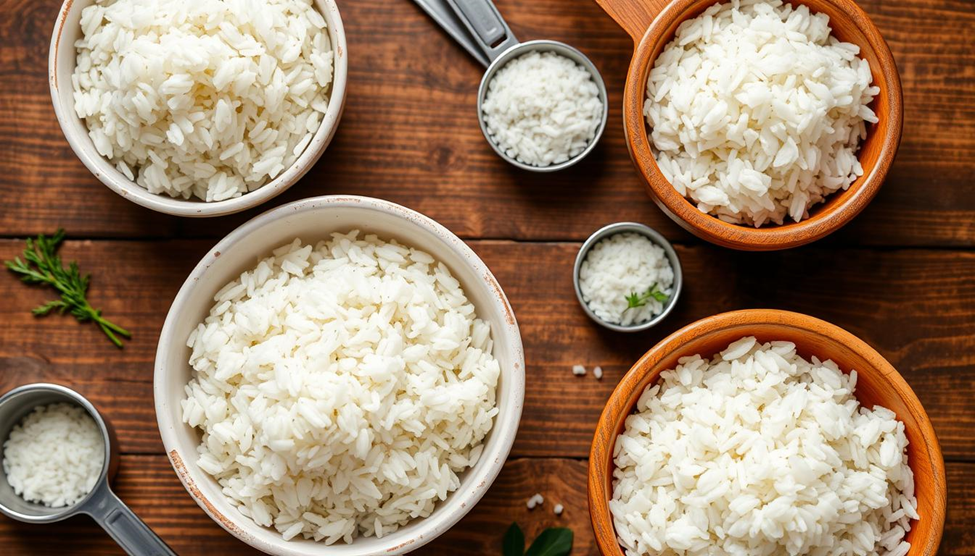
Long grain rice cooks up fluffy and separate. It usually expands three times its size. A typical serving size of cooked long grain rice is about 1 cup, which comes from 1/3 cup of uncooked rice. Short grain rice is stickier and clumps together. It absorbs more water and swells more than long grain. A serving of cooked short grain rice is closer to 3/4 cup from 1/3 cup uncooked. The stickier texture may make portions feel smaller or larger depending on the dish.
Specialty Rice Types
Specialty rice includes varieties like basmati, jasmine, wild rice, and arborio. Basmati rice is long and fragrant, similar in serving size to long grain rice. Jasmine rice is slightly stickier but still fluffy, so its serving size stays near 1 cup cooked. Wild rice is a whole grain and takes longer to cook. It expands greatly and has a different texture. A serving of cooked wild rice is about 1/2 cup. Arborio rice is used in risotto and becomes creamy. It absorbs a lot of liquid, so serving sizes can be smaller, about 1/2 cup cooked.
Credit: freerx.com
Impact On Nutrition
The serving size of cooked rice affects its nutritional value. Knowing the right portion helps manage calorie intake. It also influences how much energy and nutrients you get. Each serving contains different amounts of carbohydrates, fiber, vitamins, and minerals. These nutrients impact overall health and well-being.
Carbohydrates And Fiber
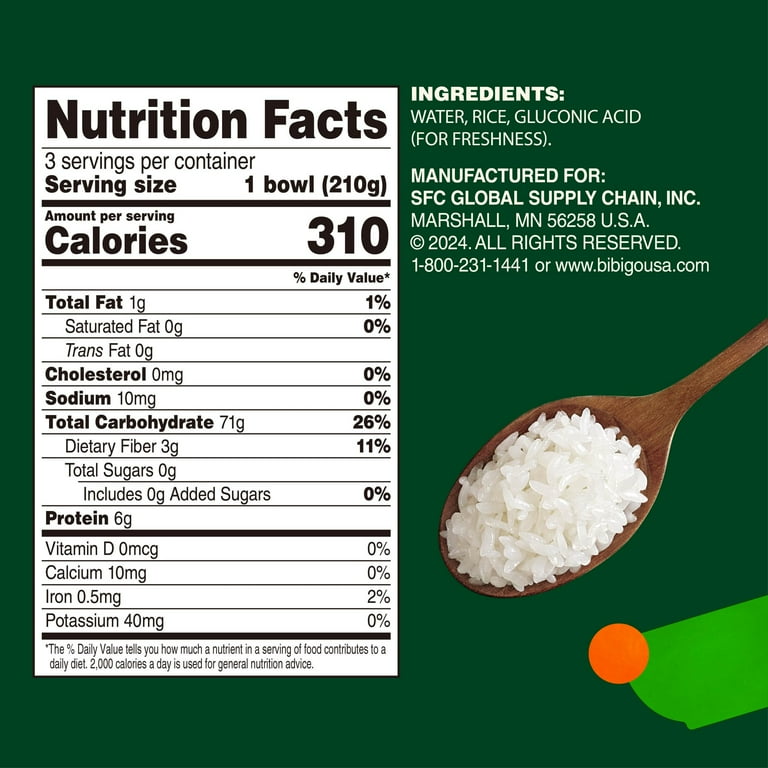
Rice is a primary source of carbohydrates. Carbohydrates provide energy for daily activities. A typical serving has about 45 grams of carbs. Fiber content varies by rice type. Brown rice has more fiber than white rice. Fiber aids digestion and keeps you full longer. Eating the right serving size helps control blood sugar levels. Too much rice can cause energy spikes and crashes.
Vitamins And Minerals
Cooked rice offers essential vitamins and minerals. These include B vitamins like niacin and thiamine. B vitamins support metabolism and brain function. Rice also contains minerals such as magnesium and phosphorus. Magnesium helps muscle and nerve function. Phosphorus strengthens bones and teeth. Serving size affects how much of these nutrients you get. Balanced portions ensure you receive enough vitamins and minerals daily.
Tips For Measuring Serving Sizes
Measuring the right serving size of cooked rice helps control portions and calories. It also ensures balanced meals and reduces food waste. Simple tools and habits make measuring easy and accurate.
Using Kitchen Scales
Kitchen scales provide precise measurements for cooked rice servings. Place a bowl on the scale and zero it out. Add rice until you reach the desired weight. This method avoids guessing and keeps portions consistent.
Use the scale to measure each serving before eating or packing meals. This approach is especially helpful for diets requiring strict portion control. Scales are affordable and easy to use in any kitchen.
Pre-portioning Meals
Pre-portioning cooked rice saves time and controls serving sizes. Divide cooked rice into individual containers right after cooking. Seal and store them in the fridge or freezer for quick meals.
This method prevents overeating and helps track daily rice intake. It also makes meal prep smoother and reduces stress about portion sizes. Pre-portioned servings keep your diet on track effortlessly.
Credit: www.walmart.com
Frequently Asked Questions
What Is The Standard Serving Size Of Cooked Rice?
A standard serving size of cooked rice is usually 1/2 cup to 1 cup. This equals about 90 to 180 grams. It provides a balanced portion for a single meal and fits well within dietary guidelines.
How Many Calories Are In One Serving Of Cooked Rice?
One serving of cooked rice (1 cup) contains about 200 calories. This varies slightly by rice type but is a useful estimate for meal planning and calorie counting.
How Does Serving Size Affect Rice Nutrition?
Serving size directly impacts rice nutrition. Larger servings increase calorie, carb, and nutrient intake. Proper portion control helps manage diet and supports healthy eating habits.
Can Serving Size Of Rice Vary By Meal Type?
Yes, serving size can change based on meal type. For main dishes, 1 cup is common. For side dishes, 1/2 cup often suffices. Adjust portions according to hunger and dietary needs.
Conclusion
A serving size of cooked rice usually equals half a cup. This amount fits most meal plans and helps control portions. Eating the right serving supports a balanced diet. It also helps manage calorie intake easily. Remember, serving sizes can vary by age and activity.
Keep servings consistent for better health results. Simple and clear, this guide helps you measure rice well. Small changes can make a big difference in your meals. Try measuring rice servings to stay on track daily.

Hello, This is Annie Walker, a 38-year-old blogger, founder, and editor of Cookware Guider from NY, USA. I am a cookware fanatic and passionate cooker. I love to cook with different types of cooking appliances (example: all types of cookware, rice cookers, slow cookers, etc) almost every day in my kitchen. I love to share my experience with my readers in my blog. Also, I enjoy helping people to solve their problems through my website. You can follow me on Twitter & Pinterest. To know details about my blog please check the about us page.