
Are you looking for cookware that combines durability, style, and healthy cooking? Granite cookware might be exactly what you need.
But what is granite cookware, and why is it becoming so popular in kitchens everywhere? You’ll discover how granite cookware can change the way you cook, making your meals tastier and cleanup easier. Keep reading to find out if this could be the perfect addition to your kitchen tools.
Granite Cookware Basics
Granite cookware is a popular choice for many kitchens due to its durability and non-stick features. Despite the name, this cookware does not consist entirely of natural granite stone. Understanding the basics of granite cookware helps to appreciate its benefits and how it performs during cooking. This section explains the core aspects of granite cookware, focusing on its material makeup and how it is made.
Material Composition
Granite cookware is made from a combination of materials designed to offer strength, heat distribution, and a smooth cooking surface. The main body usually consists of aluminum or cast aluminum. This base material is lightweight and conducts heat well.
On top of this base, manufacturers apply several layers that include:
- Non-stick coatings: These are often ceramic or PTFE-based, providing a smooth surface that prevents food from sticking.
- Granite-like coating: A special coating mimics the look of natural granite, giving the cookware its name and a stylish appearance.
- Reinforcements: Some layers include mineral particles to increase durability and scratch resistance.
The combination of aluminum and the granite-like coating creates cookware that heats evenly and lasts longer than standard non-stick pans.
| Component | Description | Purpose |
|---|---|---|
| Aluminum Base | Lightweight metal | Even heat distribution |
| Granite-like Coating | Mineral-infused layer | Non-stick surface and durability |
| Non-stick Layer | Ceramic or PTFE-based | Prevents food from sticking |
Manufacturing Process
The manufacturing of granite cookware involves several key steps to ensure quality and performance. It starts with shaping the aluminum base into the desired pan or pot form. This process uses high pressure to mold the metal precisely.
Next, the cookware undergoes a cleaning stage. This removes dust, oils, and other impurities from the surface. Cleanliness is crucial for proper coating adhesion.
The coating layers are then applied through a multi-step process:
- Primer layer: A base coat applied to improve adhesion between aluminum and subsequent layers.
- Granite-like coating application: A thick layer mixed with mineral particles is sprayed or rolled on.
- Non-stick coating: The final smooth layer is added for easy cooking and cleaning.
After coating, the cookware is baked at high temperatures. This baking cures the layers, making them hard and durable. Finally, the cookware undergoes quality checks for even coating, surface smoothness, and heat performance.
This process creates cookware that looks attractive, performs well, and resists scratches and wear.

Credit: safetouseit.com
Benefits Of Granite Cookware
Granite cookware offers many benefits that attract home cooks and chefs alike. Its unique design combines natural stone with metal, creating pans that are strong, attractive, and practical. These pans provide excellent cooking results and last a long time. The benefits of granite cookware include durability, even heat distribution, and natural non-stick properties. Each of these features helps make cooking easier and more enjoyable.
Durability And Strength
Granite cookware stands out for its exceptional durability and strength. The outer layer often contains crushed granite or stone particles fused with a metal base. This combination makes the cookware very tough and resistant to damage.
- Scratch resistance: The stone surface resists scratches better than many other non-stick pans.
- Chip resistance: Unlike ceramic coatings, granite pans are less likely to chip or peel over time.
- Long lifespan: Properly cared for, granite cookware can last for many years without losing quality.
Granite cookware can handle heavy use in busy kitchens. It resists dents and warping, which often happen with cheaper pans. The strong construction means it can endure metal utensils and rough handling without damage. This durability saves money because replacement happens less often.
| Feature | Granite Cookware | Traditional Non-Stick | Cast Iron |
|---|---|---|---|
| Scratch Resistance | High | Low to Medium | Medium |
| Chip Resistance | High | Low | High |
| Weight | Medium | Light | Heavy |
| Maintenance | Low | Medium | High |
Heat Distribution
Granite cookware offers excellent heat distribution. The metal base, often aluminum or stainless steel, spreads heat evenly across the cooking surface. The granite coating helps hold the heat steady, preventing hot spots.
Hot spots cause food to cook unevenly. With granite pans, food gets a consistent temperature, which improves cooking results. This is important for dishes like pancakes, eggs, and sauces that require steady heat.
- Faster cooking: Even heat means less waiting and quicker meals.
- Energy efficient: Maintains temperature, so less energy is needed to keep food warm.
- Better browning: Food cooks uniformly, creating a nice crust or color.
Granite cookware works well on different heat sources, such as gas, electric, and induction stoves. This versatility adds value and convenience in any kitchen.
Non-stick Properties
Granite cookware has natural non-stick properties without using harmful chemicals. The stone particles create a smooth, slick surface that stops food from sticking.
These pans require less oil or butter, helping make meals healthier. Cleaning is easier too, since food slides off quickly with just water and mild soap.
- Healthier cooking: Use less fat for frying or sautéing.
- Easy cleanup: Saves time washing and scrubbing.
- Safe surface: No toxic chemicals like PFOA or PTFE.
Granite cookware’s non-stick feature lasts longer than traditional coatings. It stays effective even after months of use, making it a reliable choice for everyday cooking.
Types Of Granite Cookware
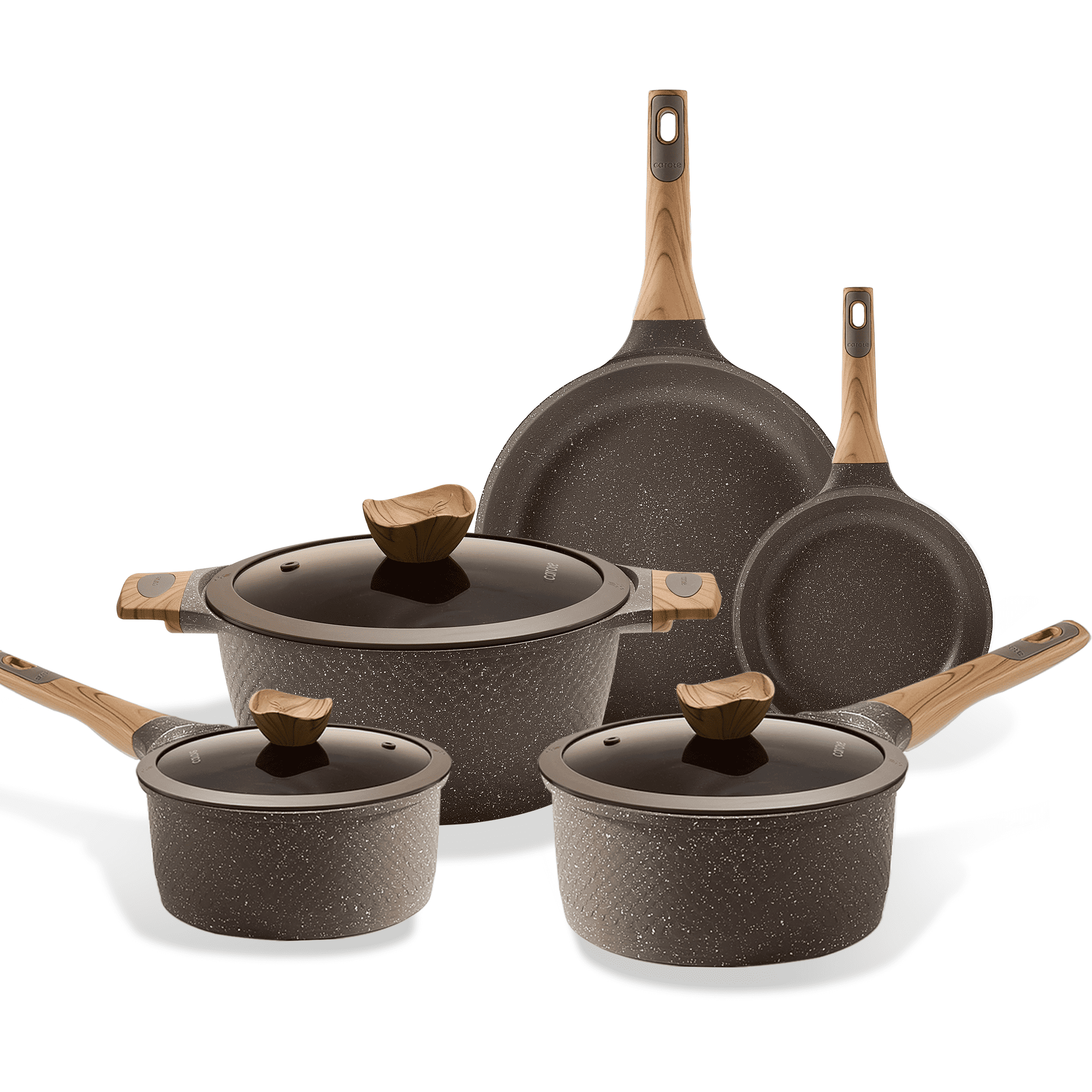
Granite cookware is a popular kitchen choice for its durability and non-stick surface. It usually features a metal base coated with a layer that looks like natural granite stone. This design makes it strong and easy to clean. Granite cookware comes in various types, each suited for different cooking needs. Understanding the common types helps in choosing the right pieces for your kitchen.
Pots And Pans
Pots and pans made with granite coating offer excellent heat distribution and non-stick benefits. They are ideal for everyday cooking tasks such as boiling, frying, and simmering. The granite surface prevents food from sticking, making cleaning simple and quick.
Common types of granite pots and pans include:
- Saucepans: Perfect for sauces, soups, and boiling small amounts.
- Frying pans: Great for frying eggs, pancakes, and sautéing vegetables.
- Stockpots: Large and deep for making stews, stocks, and boiling pasta.
These cookware items often have sturdy handles and glass lids for easy monitoring. The granite coating resists scratches and chips better than traditional non-stick pans. Below is a simple comparison table:
| Type | Use | Size Range | Key Feature |
|---|---|---|---|
| Saucepan | Simmering, boiling | 1-3 quarts | Deep sides, good for liquids |
| Frying Pan | Frying, sautéing | 8-12 inches diameter | Flat bottom, sloped sides |
| Stockpot | Large batches, soups | 6-12 quarts | High capacity, tall sides |
Bakeware
Granite bakeware includes items designed for oven use. This type of cookware has a non-stick granite surface that makes baked goods release easily. The even heat distribution helps create consistent baking results.
Popular granite bakeware options:
- Baking sheets: Used for cookies, roasting vegetables, and baking small items.
- Cake pans: Ideal for cakes, brownies, and layered desserts.
- Loaf pans: Perfect for bread, meatloaf, and casseroles.
Granite bakeware is strong enough to handle high oven temperatures without warping. It cleans easily with warm, soapy water. Using granite bakeware means less oil or butter is needed, as the surface is naturally non-stick.
Key advantages of granite bakeware:
- Non-stick surface for easy food release.
- Durability against scratches and heat.
- Even heat distribution for consistent cooking.
- Easy cleanup without scrubbing hard.
Griddles And Skillets
Granite griddles and skillets provide a versatile cooking surface. They heat quickly and evenly, perfect for frying, grilling, and searing food. The granite coating prevents food from sticking and allows cooking with less oil.
Types of granite griddles and skillets:
- Griddles: Large flat surfaces ideal for pancakes, bacon, and sandwiches.
- Skillets: Deep pans for frying, browning, and sautéing.
- Double-sided griddles: Offer cooking on both sides with a flip design.
These cookware pieces often have heat-resistant handles for safe use. The non-stick granite surface is resistant to metal utensils, reducing wear and tear. A well-maintained granite skillet or griddle can last many years.
Benefits of granite griddles and skillets:
- Even heat helps cook food thoroughly.
- Easy food release makes cooking simple.
- Durable coating resists scratches and chips.
- Requires less oil for healthier meals.
Credit: www.walmart.com
Care And Maintenance
Granite cookware is popular for its durability and non-stick surface. Proper care and maintenance keep it looking new and working well for years. Simple habits during cleaning, storing, and use protect your cookware from damage. This section offers easy tips to help your granite pots and pans last longer.
Cleaning Tips
Clean granite cookware after each use to prevent food buildup. Avoid harsh scrubbing that can scratch the surface.
- Use warm water and mild dish soap.
- Apply a soft sponge or cloth for cleaning.
- For stuck food, soak the cookware in warm soapy water for 10-15 minutes.
- Rinse well to remove soap residue.
- Dry immediately with a soft towel to prevent water spots.
Do not use steel wool or abrasive cleaners. These can damage the granite coating. Avoid putting granite cookware in the dishwasher. The strong detergents and high heat may wear down the non-stick layer.
| What to Use | What to Avoid |
|---|---|
| Mild soap | Abrasive cleaners |
| Soft sponge or cloth | Steel wool |
| Warm water | Dishwasher |
Storage Advice
Store granite cookware carefully to prevent scratches and damage. Stack pans with soft padding between them.
- Use felt or cloth liners between stacked pans.
- Keep lids separate or place a cloth between the lid and pan.
- Store in a dry place to avoid moisture buildup.
- Hang pans by their handles if possible to save space and reduce scratches.
Proper storage keeps cookware in good shape and ready to use. Avoid placing heavy items on top of granite pots and pans. This helps maintain their shape and coating.
Avoiding Damage
Granite cookware looks strong but needs care to avoid damage. Sudden temperature changes can cause cracks or warping.
- Do not heat empty pans. Add oil or food before turning on the stove.
- Avoid placing hot cookware directly under cold water.
- Use wooden, silicone, or plastic utensils to protect the non-stick surface.
- Do not use metal utensils, knives, or forks on granite cookware.
Heat the cookware gradually. High heat may damage the coating or cause food to stick. Follow the manufacturer’s temperature guidelines. Taking these steps extends the life and performance of granite cookware.
Comparing Granite To Other Cookware
Granite cookware has grown popular for its durability and cooking performance. It offers a unique surface made from a blend of natural minerals and non-stick coatings. Comparing granite to other common cookware types helps understand its strengths and weaknesses. Each material suits different cooking styles and needs.
Granite Vs. Non-stick
Granite cookware often features a non-stick coating infused with stone particles. This combination makes it scratch-resistant and more durable than traditional non-stick pans.
- Durability: Granite pans last longer as they resist scratches better.
- Non-stick quality: Both provide easy food release, but granite handles higher heat without damage.
- Cleaning: Both clean easily, but granite can tolerate scrubbing more.
- Health: Granite coatings usually contain fewer harmful chemicals.
| Feature | Granite Cookware | Traditional Non-Stick |
|---|---|---|
| Scratch Resistance | High | Medium |
| Heat Tolerance | Up to 450°F (232°C) | Up to 350°F (177°C) |
| Cleaning Ease | Easy | Easy |
| Toxicity Risk | Low | Medium (PFOA/PTFE concerns) |
Granite cookware suits cooks who want durability and safer coatings. Traditional non-stick pans work well for low-heat cooking and delicate foods.
Granite Vs. Cast Iron
Cast iron is famous for its heat retention and durability. Granite cookware differs with its lighter weight and non-stick surface.
- Weight: Granite pans are lighter and easier to handle.
- Heat Distribution: Cast iron heats evenly but takes longer to warm up.
- Maintenance: Cast iron requires seasoning to prevent rust; granite does not.
- Cooking Style: Cast iron is ideal for searing and frying at high heat.
| Feature | Granite Cookware | Cast Iron |
|---|---|---|
| Weight | Light | Heavy |
| Heat Retention | Moderate | Excellent |
| Care | Simple cleaning | Seasoning required |
| Non-stick Surface | Yes | Only when well-seasoned |
Cast iron is best for slow cooking and high heat tasks. Granite pans offer convenience with lighter weight and easier care.
Granite Vs. Stainless Steel
Stainless steel is valued for its strength and ability to sear food well. Granite cookware offers a non-stick surface absent in stainless steel.
- Stick Resistance: Granite prevents food from sticking without oil.
- Durability: Stainless steel is very durable but can stain or discolor.
- Cleaning: Granite is easier to clean; stainless steel may require scrubbing.
- Heat Conductivity: Stainless steel heats faster but may have hot spots.
| Feature | Granite Cookware | Stainless Steel |
|---|---|---|
| Non-stick Surface | Yes | No |
| Durability | Good | Excellent |
| Cleaning Ease | Easy | Moderate |
| Heat Conductivity | Even | Fast, uneven sometimes |
Granite is a good choice for non-stick cooking with easy cleaning. Stainless steel works well for searing and browning but needs oil to prevent sticking.
Buying Tips
Buying granite cookware requires smart choices to get the best value and performance. This section helps you find the right set by focusing on key features, cost, and reliable brands. Knowing what matters most ensures your cookware lasts long and cooks well.
What To Look For
Choose granite cookware with a strong non-stick surface that resists scratches and peeling. Check if the coating is free from harmful chemicals like PFOA and PTFE for safer cooking.
- Material Quality: Look for heavy-gauge aluminum or stainless steel bases for even heat distribution.
- Non-Stick Coating: Ensure it is durable and easy to clean.
- Handle Comfort: Handles should be heat-resistant and firmly attached.
- Oven Safety: Check if the cookware is safe for use in ovens and up to what temperature.
- Compatibility: Confirm it works on your stove type, such as induction, gas, or electric.
Use this table to compare essential features:
| Feature | Why It Matters | What to Check |
|---|---|---|
| Non-Stick Coating | Prevents food from sticking and eases cleaning | Durability, chemical-free, scratch resistance |
| Material | Ensures even cooking and long life | Heavy-gauge aluminum or stainless steel base |
| Handles | Safe grip during cooking | Heat resistance, sturdy attachment |
| Oven Use | Adds cooking versatility | Maximum oven temperature allowed |
Price Considerations
Granite cookware prices vary widely, depending on size, brand, and quality. Set a budget but be ready to invest a bit more for better durability and safety.
Low-cost sets may look good but often have thinner coatings that wear out fast. Mid-range options usually offer a good balance of quality and price. Premium sets come with thicker coatings and stronger bases, lasting longer and performing better.
- Budget sets: $30 – $60, suitable for occasional use
- Mid-range sets: $60 – $120, good for regular cooking
- Premium sets: $120 and above, ideal for heavy use and durability
Consider these factors when choosing within your price range:
- Coating thickness and warranty
- Number of pieces included
- Additional features like lids and utensil sets
- Customer reviews on longevity and performance
Trusted Brands
Choose granite cookware from brands with good reputations. Trusted brands offer quality control and often provide warranties, giving peace of mind.
Some brands have years of experience and positive feedback from buyers worldwide. Their products usually have tested coatings and safe materials.
- Brand A: Known for durable non-stick coatings and stylish designs.
- Brand B: Offers budget-friendly options with solid quality.
- Brand C: Premium cookware with lifetime warranties.
Check the brand’s customer service and return policies before buying. Reliable support helps resolve issues quickly.
Look for certifications or awards that show the brand meets safety and performance standards. These labels add trust and confidence in your purchase.

Credit: www.amazon.com
Frequently Asked Questions
What Is Granite Cookware Made Of?
Granite cookware is made from cast aluminum coated with a granite-like non-stick surface. This coating is durable, scratch-resistant, and safe for cooking. It offers even heat distribution and easy food release, making it popular for healthy, hassle-free cooking.
Is Granite Cookware Non-stick And Safe?
Yes, granite cookware features a non-stick coating that is free from harmful chemicals like PFOA and PTFE. It ensures safer cooking without toxic fumes and allows easy cleaning. It is a healthy option for everyday meal preparation.
How Durable Is Granite Cookware?
Granite cookware is highly durable due to its hard coating and sturdy base. It resists scratches, chips, and high heat, lasting several years with proper care. This makes it a reliable choice for frequent cooking.
Can Granite Cookware Be Used On Induction Stoves?
Most granite cookware is compatible with induction stoves if it has a magnetic stainless steel base. Always check product specifications before buying to ensure induction compatibility. This expands its usability across various cooktops.
Conclusion
Granite cookware offers a durable and non-stick cooking surface. It heats evenly, helping you cook food better. Cleaning is simple and quick after use. Many people choose it for its look and strength. This type of cookware suits daily cooking needs well.
It combines style with practical benefits in your kitchen. Consider granite cookware for an easy cooking experience. It brings balance between function and design. A smart choice for those who enjoy cooking often.

Hello, This is Annie Walker, a 38-year-old blogger, founder, and editor of Cookware Guider from NY, USA. I am a cookware fanatic and passionate cooker. I love to cook with different types of cooking appliances (example: all types of cookware, rice cookers, slow cookers, etc) almost every day in my kitchen. I love to share my experience with my readers in my blog. Also, I enjoy helping people to solve their problems through my website. You can follow me on Twitter & Pinterest. To know details about my blog please check the about us page.