
If you’ve ever looked for non-stick cookware, you’ve probably come across the term PTFE. But what exactly is PTFE, and why does it matter for your cooking?
Understanding this material can help you make smarter choices for your kitchen, whether you want healthier meals, easier cleanup, or longer-lasting pans. Keep reading to discover what PTFE is, how it works, and what you should know before adding it to your cookware collection.
Your next cooking experience might just get a whole lot better.

Credit: imarku.net
What Is Ptfe
PTFE, or polytetrafluoroethylene, is a synthetic material widely used in cookware. It is famous for its non-stick properties. This means food does not stick to pans coated with PTFE, making cooking and cleaning easier. PTFE is a type of plastic, but it can handle high heat without melting quickly. Because of this, it is popular in non-stick frying pans and other kitchen tools. Understanding what PTFE is helps you choose the right cookware for your kitchen and use it safely.
Chemical Composition
PTFE is made from a simple chemical structure. It comes from the polymerization of tetrafluoroethylene (TFE) molecules. Each TFE molecule contains two carbon atoms and four fluorine atoms.
- Carbon atoms: Form the backbone of the PTFE chain.
- Fluorine atoms: Attach to the carbon atoms, creating a strong shield.
This structure gives PTFE unique features:
- The carbon-fluorine bond is very strong.
- It creates a slippery surface that repels other materials.
- It resists chemical reactions with acids, bases, and solvents.
Here is a simple table showing PTFE’s chemical formula:
| Polymer Name | Chemical Formula | Monomer Unit |
|---|---|---|
| Polytetrafluoroethylene (PTFE) | (C2F4)n | Tetrafluoroethylene (C2F4) |
The strong carbon-fluorine bonds make PTFE very stable. It does not break down easily, even under heat or pressure. This explains why PTFE is safe for use in cookware coatings.
Physical Properties
PTFE has several physical properties that make it ideal for cookware:
- Non-stick surface: Food slides off easily, reducing the need for oil or butter.
- Heat resistance: It can withstand temperatures up to about 260°C (500°F).
- Low friction: PTFE has one of the lowest friction coefficients among solids.
- Chemical resistance: It does not react with most chemicals or food acids.
- Water repellency: PTFE repels water and other liquids.
The texture of PTFE is smooth and waxy to the touch. This smoothness helps prevent food from sticking during cooking.
Here is a summary of key physical properties:
| Property | Value or Description |
|---|---|
| Melting Point | 327°C (621°F) |
| Maximum Use Temperature | 260°C (500°F) |
| Coefficient of Friction | 0.05 – 0.10 (very low) |
| Density | 2.2 g/cm³ |
These properties make PTFE highly durable and user-friendly. It lasts long under normal cooking conditions and helps prevent food from burning or sticking. This is why PTFE is a preferred choice for non-stick cookware coatings worldwide.
:max_bytes(150000):strip_icc()/skillet-frying-pan-on-white-background-131919734-57e41d555f9b586c35918f3f.jpg)
Credit: www.thoughtco.com
Ptfe In Cookware
PTFE in cookware stands for polytetrafluoroethylene, a synthetic material known for its non-stick properties. This substance coats pans and pots, helping food slide off easily during cooking. PTFE is popular in kitchens worldwide because it simplifies cooking and cleaning. It is safe when used properly and does not react with food. Understanding PTFE helps choose the right cookware and use it safely for better cooking results.
Non-stick Benefits
PTFE provides excellent non-stick benefits. It stops food from sticking to the pan’s surface, making cooking easier and faster. This feature helps reduce the need for cooking oils or fats, leading to healthier meals. Cleaning PTFE-coated cookware is simple because food residues wash off quickly with warm water and mild soap.
- Easy Food Release: Food slides off without scraping or sticking.
- Less Oil Needed: Cook with little to no oil for healthier dishes.
- Quick Cleanup: Washing pans takes less time and effort.
- Even Cooking: PTFE coating helps distribute heat evenly.
- Scratch Resistance: Many PTFE coatings resist scratches from utensils.
Here is a simple comparison of PTFE with other common cookware coatings:
| Feature | PTFE | Ceramic | Cast Iron |
|---|---|---|---|
| Non-stick Quality | Very High | Moderate | Low (when not seasoned) |
| Ease of Cleaning | Easy | Moderate | Hard |
| Durability | Moderate | High | Very High |
| Safe at High Heat | No (above 260°C/500°F) | Yes | Yes |
Common Uses
PTFE is widely used in many types of cookware. It is common in frying pans, sauté pans, and griddles. These pans benefit from PTFE’s smooth surface, which helps cook eggs, pancakes, and fish without sticking. PTFE is also used in bakeware and some kitchen appliances.
Typical cookware items with PTFE coating include:
- Non-stick frying pans
- Sauce pans with lids
- Griddles for pancakes and sandwiches
- Bakeware like cake pans and roasting pans
- Egg poachers and omelet pans
PTFE-coated cookware suits various cooking styles:
- Low to medium heat cooking
- Delicate food preparation, such as fish or eggs
- Quick frying and sautéing
- Easy cleanup after meals
Using PTFE cookware requires care to maintain the coating. Avoid metal utensils and high heat to protect the surface. This care extends the life of the cookware and keeps it safe to use.
Safety Aspects
Safety aspects are crucial when choosing cookware with PTFE coatings. PTFE, or polytetrafluoroethylene, is widely used for its non-stick properties. It makes cooking easier and cleaning faster. Understanding how safe PTFE is under heat and what risks it might pose helps users make wise decisions. This section explains the key safety points about PTFE in cookware.
Heat Resistance
PTFE can handle heat up to a certain temperature without breaking down. It stays stable and safe below 260°C (500°F). Beyond this point, the coating can start to degrade. This means it is important to control cooking temperatures when using PTFE-coated pans.
Here are some important facts about PTFE heat resistance:
- Safe temperature range: Up to 260°C (500°F)
- Decomposition temperature: Above 350°C (662°F), PTFE begins to break down
- Cooking tips: Avoid preheating empty pans or using very high heat
| Temperature (°C) | Effect on PTFE |
|---|---|
| Below 260 | Safe, no release of harmful fumes |
| 260 – 350 | Possible slight degradation, avoid long exposure |
| Above 350 | PTFE decomposes, fumes may be released |
Using PTFE cookware at medium or low heat keeps it safe and effective. It also extends the pan’s life. High heat can cause damage to the coating and reduce its non-stick ability. Controlled heat use protects health and cookware quality.
Potential Risks
PTFE has some risks, especially if overheated. When the temperature goes over 350°C, PTFE starts to break down. This releases fumes that can cause flu-like symptoms in humans, called “polymer fume fever.”
Key risks include:
- Fume exposure: Can cause temporary respiratory issues
- Overheating: Damages non-stick coating and releases toxic gases
- Scratching: Using metal utensils can harm the PTFE layer
Pets, like birds, are more sensitive to fumes and can get seriously ill. Avoid heating empty PTFE pans or leaving pans unattended on high heat.
| Risk | Cause | Prevention |
|---|---|---|
| Polymer fume fever | Fumes from overheated PTFE | Cook below 260°C, ventilate kitchen |
| Coating damage | High heat or metal utensils | Use wooden or silicone tools, avoid high heat |
| Health risk to pets | Exposure to fumes | Keep pets away from cooking area |
Proper use of PTFE cookware ensures safety. Follow manufacturer instructions and avoid overheating. This reduces risks and keeps cooking safe for family and pets.
Care And Maintenance
PTFE cookware offers a smooth, non-stick cooking surface that makes cooking and cleaning easier. Proper care and maintenance extend the life of your PTFE pots and pans. Gentle cleaning and careful use prevent scratches and damage. This section explains how to keep PTFE cookware in good shape for many meals to come.
Cleaning Tips
Cleaning PTFE cookware requires a soft touch to protect the non-stick coating. Avoid using harsh scrubbers or steel wool, as they can scratch the surface. Use warm, soapy water and a soft sponge or cloth for best results.
- Wash cookware soon after use to prevent food from sticking.
- Soak pans with stubborn residue in warm water for 10–15 minutes.
- Use mild dish soap to avoid damaging the coating.
- Rinse thoroughly to remove all soap traces.
- Dry with a soft towel or air dry completely before storing.
For tough spots, try this gentle cleaning method:
- Fill the pan with warm water and add a tablespoon of baking soda.
- Let it sit for 20 minutes to loosen stuck food.
- Gently scrub with a soft sponge.
- Rinse and dry as usual.
| Do | Don’t |
|---|---|
| Use soft sponges or cloths | Avoid steel wool and abrasive pads |
| Wash with warm, soapy water | Don’t use harsh chemicals or bleach |
| Dry thoroughly before storing | Don’t stack cookware without protection |
Avoiding Damage
Protecting PTFE coating starts with careful cooking habits. Use utensils made of wood, silicone, or plastic. Metal tools can scratch and ruin the surface. Also, avoid cooking at very high heat, which breaks down the coating over time.
Follow these tips to avoid damage:
- Cook on low to medium heat settings only.
- Never preheat an empty pan; it can get too hot quickly.
- Use soft utensils to stir and flip food.
- Store pans carefully, using pan protectors or cloth between stacked cookware.
- Do not use oven temperatures above the manufacturer’s recommended limit.
Heat and rough handling cause the PTFE layer to peel or flake. Peeling releases harmful particles and makes the pan less non-stick. Handle pans gently and avoid sudden temperature changes, like placing a hot pan in cold water.
| Action | Reason |
|---|---|
| Use silicone or wooden utensils | Prevents scratches on the PTFE surface |
| Cook at low to medium heat | Protects coating from heat damage |
| Avoid sudden temperature changes | Prevents warping and coating damage |
| Store with pan protectors | Stops scratches when stacking pans |
Alternatives To Ptfe
PTFE is a common non-stick coating in cookware, known for its smooth surface and easy food release. Some people prefer to avoid PTFE due to health or environmental concerns. Fortunately, several alternatives offer safe and effective cooking experiences. These options include ceramic coatings and cast iron cookware, each with unique benefits.
Ceramic Coatings
Ceramic-coated cookware offers a non-stick surface made from natural materials. This coating is free from PTFE and PFOA, making it a safer choice for many users. Ceramic coatings heat evenly and allow cooking with less oil, promoting healthier meals.
Key features of ceramic coatings:
- Made from silica, a natural element.
- Non-stick without toxic chemicals.
- Works well at medium temperatures.
- Easy to clean with warm, soapy water.
Below is a comparison table to highlight ceramic cookware features against PTFE:
| Feature | PTFE Coating | Ceramic Coating |
|---|---|---|
| Material Source | Synthetic Polymer | Natural Silica |
| Non-stick Quality | Very High | Moderate to High |
| Heat Resistance | Up to 260°C (500°F) | Up to 450°C (842°F) |
| Health Concerns | Potential Fume Risk | Low Risk |
| Cleaning | Easy | Easy |
Ceramic coatings suit daily cooking and are best for light frying and sautéing. Avoid using metal utensils, which can damage the surface. These pans need gentle care to stay non-stick longer.
Cast Iron Options
Cast iron cookware offers durability and natural non-stick properties when seasoned properly. It does not contain any synthetic coatings like PTFE. Cast iron heats evenly and holds heat well, making it ideal for searing, frying, and baking.
Benefits of cast iron cookware include:
- Long-lasting and sturdy build.
- Improves with use through seasoning.
- Adds small amounts of iron to food.
- Safe at very high temperatures.
Cast iron requires specific care:
- Season regularly with oil to maintain the surface.
- Avoid soaking in water for long periods.
- Dry immediately after washing to prevent rust.
- Use gentle scrubbing tools to clean.
Here is a quick comparison of cast iron and PTFE cookware:
| Property | PTFE Cookware | Cast Iron Cookware |
|---|---|---|
| Non-stick Surface | Coated | Seasoned |
| Durability | Moderate | High |
| Care Required | Low | Moderate to High |
| Heat Tolerance | Up to 260°C (500°F) | Very High |
| Weight | Light to Medium | Heavy |
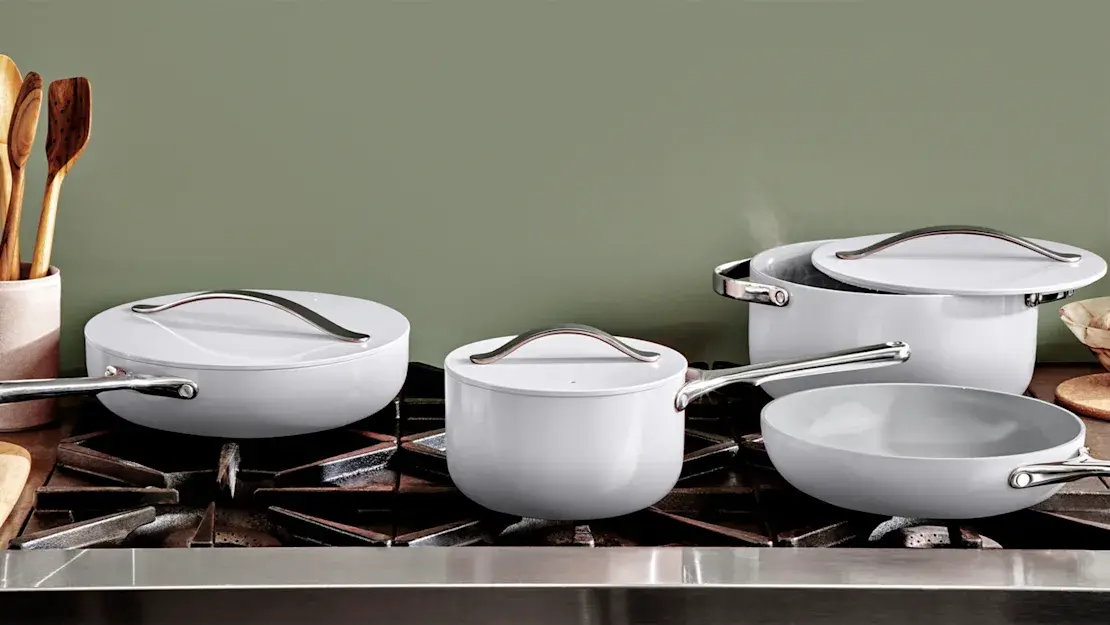
Cast iron is perfect for those who want a natural, chemical-free cooking option. It can last a lifetime with proper care and even improve cooking over time.
Credit: www.carawayhome.com
Frequently Asked Questions
What Is Ptfe In Cookware?
PTFE, or polytetrafluoroethylene, is a non-stick coating used in cookware. It prevents food from sticking and makes cleaning easier. PTFE is heat resistant and durable, enhancing cooking efficiency and convenience.
Is Ptfe Safe For Cooking?
Yes, PTFE is safe when used correctly. It remains stable below 500°F (260°C). Avoid overheating to prevent toxic fumes. Proper use ensures non-toxic, safe cooking surfaces.
How Does Ptfe Improve Cookware Performance?
PTFE creates a smooth, non-stick surface that reduces food sticking. It requires less oil, promotes even cooking, and simplifies cleaning. This enhances overall cooking performance and user experience.
Can Ptfe Cookware Be Used On All Cooktops?
Most PTFE cookware works well on gas, electric, and ceramic cooktops. However, it’s often not suitable for induction unless it has a magnetic base. Check manufacturer guidelines for compatibility.
Conclusion
PTFE in cookware helps food cook evenly without sticking. It makes cleaning pots and pans much easier. This material is safe when used correctly and lasts a long time. Avoid using metal tools to keep the coating intact. Choose PTFE cookware for simple cooking and quick cleanup.
Remember to follow care instructions for the best results. This way, your kitchen experience becomes smooth and pleasant.

Hello, This is Annie Walker, a 38-year-old blogger, founder, and editor of Cookware Guider from NY, USA. I am a cookware fanatic and passionate cooker. I love to cook with different types of cooking appliances (example: all types of cookware, rice cookers, slow cookers, etc) almost every day in my kitchen. I love to share my experience with my readers in my blog. Also, I enjoy helping people to solve their problems through my website. You can follow me on Twitter & Pinterest. To know details about my blog please check the about us page.