
Choosing the right cookware can have a big impact on your health and the meals you prepare. You want pots and pans that keep your food safe, cook evenly, and don’t release harmful chemicals.
But with so many options on the market, how do you know which cookware is truly the healthiest for you and your family? You’ll discover the best materials to cook with, what to avoid, and simple tips to make your kitchen a safer place.
Keep reading to find out how your cookware can protect your health every time you cook.

Credit: happybellyfish.com
Safe Cookware Materials
Choosing the right cookware affects both your health and the taste of your food. Safe cookware materials prevent harmful chemicals from leaching into meals. They also last longer and handle heat well. Knowing which materials are safest helps you cook with confidence and care for your family’s health. The best cookware types combine durability, safety, and ease of use.
Stainless Steel Benefits
Stainless steel is a popular choice for safe cookware. It does not react with acidic or alkaline foods. This means it keeps your food’s flavor pure. Stainless steel is made from iron mixed with chromium and nickel. These metals form a strong, rust-resistant surface.
Advantages of stainless steel cookware include:
- Non-toxic and does not release harmful chemicals
- Durable and resistant to scratches and dents
- Retains heat evenly for consistent cooking
- Easy to clean and dishwasher safe
- Suitable for all stovetops, including induction
One downside is that stainless steel is not a great heat conductor by itself. Many pans use a layered base with aluminum or copper to improve heat distribution. This combination keeps food from burning and cooks it evenly.
| Feature | Benefit |
|---|---|
| Non-reactive Surface | Does not alter taste or release toxins |
| Durability | Long-lasting and resistant to damage |
| Heat Retention | Even cooking temperature |
Cast Iron Advantages
Cast iron cookware has been used for centuries. It is prized for its excellent heat retention and durability. Cast iron pans can last for generations with proper care. They develop a natural non-stick surface called seasoning.
Health benefits of cast iron cookware include:
- Slowly releases small amounts of iron into food, aiding iron intake
- Free from synthetic chemicals or coatings
- Highly durable and repairable
- Excellent for high-heat cooking, like searing and frying
- Works well on all heat sources, including ovens and campfires
Cast iron requires regular seasoning to maintain its non-stick surface. Avoid cooking very acidic foods often, as acid can break down the seasoning. Cleaning needs care: use hot water and dry immediately to prevent rust.
| Feature | Benefit |
|---|---|
| Natural Non-stick | Less need for added fats when cooking |
| Iron Supplement | Boosts dietary iron levels |
| Heat Distribution | Consistent cooking and heat retention |
Ceramic Options
Ceramic cookware offers a non-toxic and eco-friendly choice. It usually features a metal base coated with a ceramic layer. This layer is free of harmful chemicals like PTFE and PFOA found in some non-stick pans.
Benefits of ceramic cookware include:
- Non-reactive and safe for all foods
- Non-stick surface that requires less oil
- Easy to clean with warm water and soap
- Available in various colors and styles
- Heats quickly and evenly
Ceramic cookware is sensitive to sudden temperature changes. Avoid placing hot pans directly into cold water. The ceramic coating can wear off over time but does not release toxins when damaged.
| Feature | Benefit |
|---|---|
| Non-toxic Coating | Safe cooking without chemicals |
| Easy Cleanup | Less scrubbing, saves time |
| Heat Performance | Quick and even heating |
Nonstick Cookware Concerns
Nonstick cookware offers convenience and easy cleanup, making it popular in many kitchens. Yet, concerns about its safety and health effects have grown. Understanding these concerns helps choose cookware that supports healthy cooking and well-being.
Ptfe And Pfoa Risks
PTFE (polytetrafluoroethylene) is a chemical used to create the slippery surface of many nonstick pans. PFOA (perfluorooctanoic acid) was once used to make PTFE but has mostly been removed from cookware manufacturing.
Here are key points about PTFE and PFOA risks:
- PTFE can release toxic fumes if heated above 500°F (260°C). These fumes may cause flu-like symptoms in humans, called “polymer fume fever.”
- Cooking at normal temperatures (below 400°F) usually keeps PTFE safe.
- PFOA was linked to health problems such as cancer and hormone disruption. It is mostly phased out since 2013.
- Old nonstick pans may still contain PFOA. Check product labels or buy newer pans labeled “PFOA-free.”
| Chemical | Health Concern | Safety Tip |
|---|---|---|
| PTFE | Toxic fumes above 500°F | Cook below 400°F; avoid overheating |
| PFOA | Cancer risk, hormone disruption | Choose PFOA-free cookware |
Many experts recommend careful use of nonstick pans. Avoid heating empty pans and use lower heat settings. Proper use reduces potential health risks.
New Nonstick Technologies
Advances in cookware have led to safer nonstick options. New materials and coatings aim to reduce chemical risks and improve durability.
Common new technologies include:
- Ceramic coatings: Made from natural minerals, ceramic nonstick pans do not use PTFE or PFOA. They resist high heat better and release fewer toxins.
- Hard-anodized aluminum: This process creates a strong, non-toxic surface. It offers durability and good heat distribution without harmful chemicals.
- Silicone-based coatings: Safe and flexible, silicone coatings provide nonstick benefits without toxic risks.
| Technology | Main Material | Heat Resistance | Health Safety |
|---|---|---|---|
| Ceramic Coating | Minerals | High (up to 600°F) | Free of PTFE/PFOA |
| Hard-Anodized Aluminum | Aluminum (treated) | Moderate to High | Non-toxic, no PTFE/PFOA |
| Silicone Coating | Silicone polymer | Moderate | Non-toxic |
Choosing newer nonstick cookware can reduce chemical exposure. These options last longer and keep food from sticking without health worries.
Glass And Silicone Cookware
Choosing healthy cookware helps keep your meals safe and tasty. Glass and silicone cookware are popular choices for people who want safer options in the kitchen. Both materials do not release harmful chemicals into food, unlike some metals and non-stick coatings. They also offer easy cleaning and good heat resistance. These features make glass and silicone great for everyday cooking and baking.
Glass Cookware Uses
Glass cookware is made from tempered glass that can handle oven heat and some stovetop cooking. It does not react with acidic or alkaline foods, so it keeps flavors pure and food safe. Glass pots, pans, and baking dishes are perfect for many cooking tasks.
- Baking: Glass dishes are ideal for casseroles, lasagna, cakes, and bread.
- Roasting: Use glass pans for roasting vegetables, chicken, or fish evenly.
- Microwaving: Glass is microwave safe and heats food quickly without chemicals.
- Serving: Many glass cookware pieces can go from oven to table, saving time.
Here is a quick comparison of glass cookware features:
| Feature | Benefit |
|---|---|
| Non-reactive surface | Does not change food taste or color |
| Heat resistance | Safe in oven, microwave, and dishwasher |
| Easy cleaning | Non-stick surface cleans with little effort |
| Transparency | Watch food cook without opening oven |
Glass cookware is fragile and can break if dropped. It also takes longer to heat than metal. Still, it is a very healthy and versatile option for many cooking needs.
Silicone Safety
Silicone is a flexible material used for baking mats, spatulas, molds, and lids. It handles heat well, up to about 428°F (220°C), and stays stable without melting or releasing toxins. Silicone is known for being safe and easy to use in cooking and baking.
Health benefits of silicone:
- Does not leach chemicals into food
- Non-stick and easy to clean
- Resistant to stains and odors
- Flexible and durable for repeated use
Safety tips for silicone cookware:
- Choose food-grade silicone marked BPA-free.
- Avoid using silicone above its heat limit to prevent damage.
- Wash with mild soap to keep it clean and safe.
- Check for cracks or tears before use to avoid contamination.
Here is a simple table to understand silicone’s safety features:
| Property | Details |
|---|---|
| Heat tolerance | Up to 428°F (220°C) |
| Chemical stability | Does not release harmful substances |
| Cleaning | Dishwasher safe and easy to wash |
| Durability | Lasts long with proper care |
Silicone cookware is a healthy choice for baking and cooking. It is safe, easy to handle, and does not affect food quality. Always check the product label for food-grade silicone to ensure maximum safety.
Heavy Metals And Toxins
Choosing the healthiest cookware means understanding how heavy metals and toxins affect your food. Some metals can release harmful substances during cooking. These substances may build up in the body and cause health issues. It is important to pick cookware that limits exposure to these metals. This section explores key metals like aluminum and copper, highlighting risks and safe use tips.
Aluminum Exposure
Aluminum is a common metal in cookware because it heats quickly and evenly. Yet, it can react with acidic or salty foods, causing aluminum to leach into meals. High aluminum intake links to health concerns, especially for the brain and bones.
Key points about aluminum exposure:
- Cooking acidic foods like tomatoes or vinegar sauces in aluminum pans increases metal leaching.
- Repeated use of scratched or worn aluminum pans raises the risk.
- The body can absorb aluminum through the digestive system, but most is excreted.
- People with kidney problems may have trouble eliminating aluminum.
Safe use tips include:
- Choose anodized aluminum cookware, which has a hard protective layer.
- Avoid cooking highly acidic or salty foods in plain aluminum pans.
- Replace scratched or damaged aluminum cookware to reduce exposure.
- Consider alternatives like stainless steel or cast iron for acidic dishes.
| Cookware Type | Aluminum Leaching Risk | Best Use |
|---|---|---|
| Plain Aluminum | High with acidic foods | Non-acidic cooking only |
| Anodized Aluminum | Low | Most cooking types |
| Aluminum with Non-stick Coating | Very low | General use, avoid overheating |
Copper Cookware Considerations
Copper cookware is prized for fast, even heating and beautiful appearance. Yet, copper can release toxic amounts of metal if it touches food directly. This risk increases with acidic or alkaline foods. Copper poisoning causes nausea, stomach pain, and other serious symptoms.
Important facts about copper cookware:
- Pure copper is rarely used alone; it is often lined with safer metals like stainless steel or tin.
- Unlined copper can leach copper ions into food, especially with long cooking times.
- Regular polishing of copper cookware prevents corrosion and metal release.
- Children and pregnant women should avoid excessive exposure to copper from cookware.
To use copper safely, follow these tips:
- Buy copper cookware with a food-safe lining.
- Do not cook highly acidic or alkaline foods in unlined copper pans.
- Inspect the lining regularly for wear or damage.
- Replace or re-line copper cookware if the lining is compromised.
| Copper Cookware Type | Safety Level | Recommended Use |
|---|---|---|
| Unlined Copper | Unsafe for acidic foods | Limited, decorative use only |
| Copper Lined with Stainless Steel | Safe | All cooking types |
| Copper Lined with Tin | Safe but requires care | Low to medium heat cooking |
Maintenance And Longevity
Choosing the healthiest cookware is important, but maintaining it well keeps it safe and useful for years. Proper care improves the cookware’s lifespan and keeps it working at its best. Regular cleaning and careful handling avoid problems like rust, scratches, or harmful chemicals leaching into food. Understanding how to clean and protect cookware helps you enjoy healthy meals without worry. This section explains simple steps for maintenance and longevity of your cookware.
Cleaning Tips
Cleaning cookware properly is key to keeping it safe and durable. Different materials need different care. For example, cast iron needs special treatment, while stainless steel is easier to clean. Follow these tips to clean your cookware effectively:
- Wash soon after use: Cleaning right away stops food from sticking or staining.
- Use gentle scrubbers: Avoid steel wool on non-stick or ceramic surfaces to prevent scratches.
- Hand wash over dishwasher: Dishwashers can wear down coatings and metal over time.
- Mild soap only: Harsh detergents can damage coatings or remove seasoning on cast iron.
- Dry thoroughly: Water left on cookware can cause rust or corrosion.
Here’s a quick guide for cleaning common cookware types:
| Cookware Type | Cleaning Method | Notes |
|---|---|---|
| Cast Iron | Warm water and soft brush, dry fully, oil lightly | Never soak or use soap often; keep seasoning intact |
| Stainless Steel | Soap and sponge, use baking soda for stains | Dishwasher safe but hand washing extends life |
| Non-Stick | Soft sponge, mild detergent | Avoid metal utensils and abrasive pads |
| Ceramic | Soft cloth, mild soap | Be gentle to protect the coating |
Avoiding Damage
Preventing damage extends cookware life and keeps food safe. Some careless habits cause scratches, warping, or toxic chemical release. Follow these simple rules to protect your cookware:
- Use correct utensils: Wooden, silicone, or plastic tools protect surfaces better than metal.
- Cook on low to medium heat: High heat can warp pans and break down coatings.
- Do not stack carelessly: Place soft cloth or paper towels between pans to avoid scratches.
- Avoid sudden temperature changes: Don’t put hot pans in cold water; this causes warping.
- Store properly: Keep lids and pans dry and separate.
Here is a quick checklist to prevent common damage:
- Use wooden or silicone utensils only
- Cook below the highest heat settings
- Stack with protection between items
- Cool pans before washing
- Store in a dry place
Credit: www.organicauthority.com
Choosing Cookware For Health
Choosing cookware for health means picking pots and pans that keep your food safe and nutritious. Some materials release harmful chemicals when heated. Others react with acidic foods, changing taste and safety. Healthy cookware helps you avoid toxins and cook meals that support your well-being. It also lasts long and fits your cooking habits. Understanding which cookware suits your health needs is key to better eating and cooking.
Matching Cookware To Cooking Style
Different cooking styles need different cookware types for the best health results. For example, slow cooking or simmering works well with materials that hold heat evenly. High-heat cooking like frying needs cookware that resists warping and stays safe at high temperatures.
Here are common cookware types matched to cooking styles:
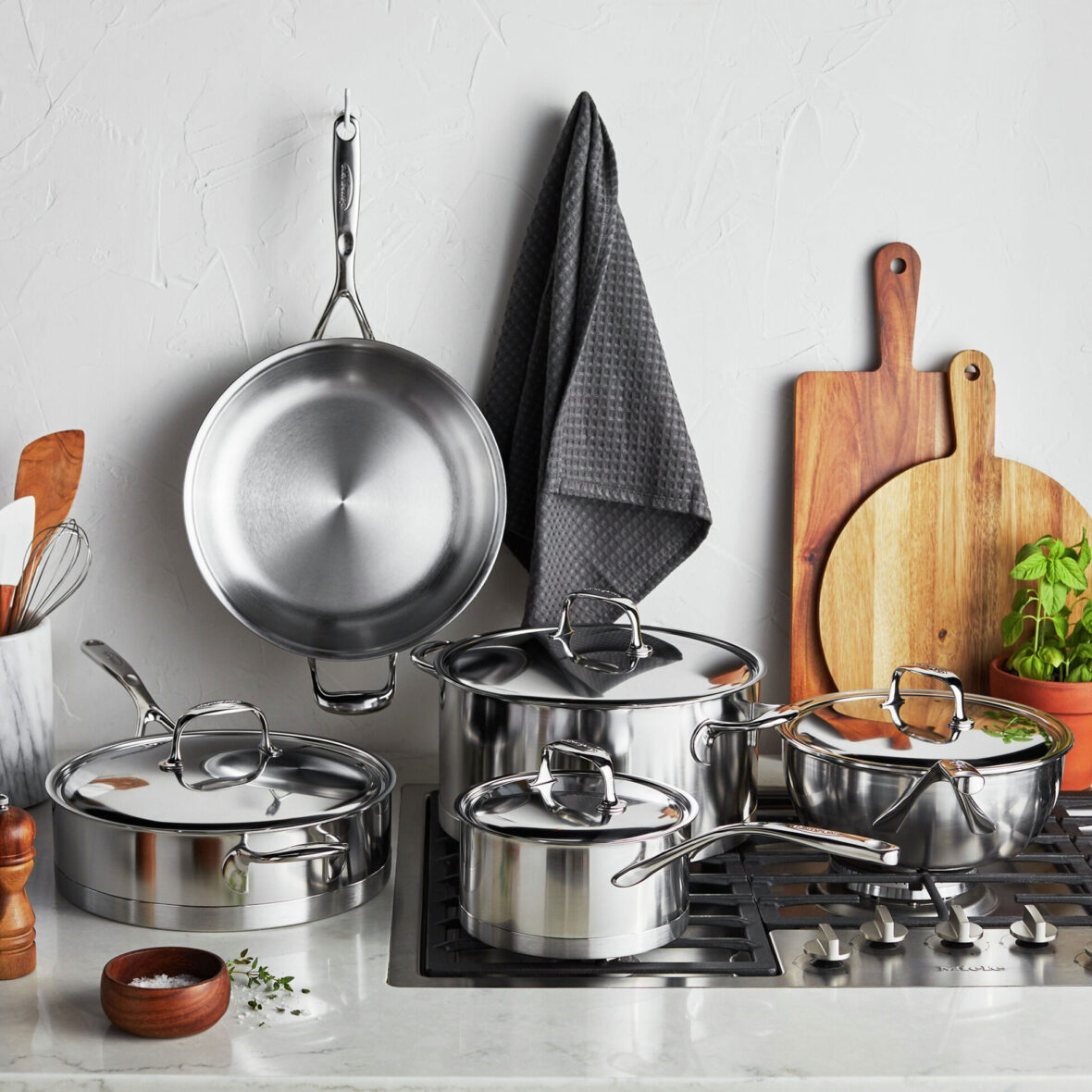
- Stainless steel: Great for boiling, sautéing, and frying. Durable and non-reactive.
- Ceramic: Ideal for low to medium heat cooking. Non-toxic and easy to clean.
- Cast iron: Perfect for frying and baking. Adds iron to food but needs seasoning.
- Non-stick (PTFE-free): Good for low-fat cooking. Avoid overheating to prevent fumes.
- Glass: Best for baking and microwaving. Does not react with food.
| Cooking Style | Recommended Cookware | Health Benefits |
|---|---|---|
| Boiling, Simmering | Stainless Steel, Ceramic | Non-reactive, no chemical release |
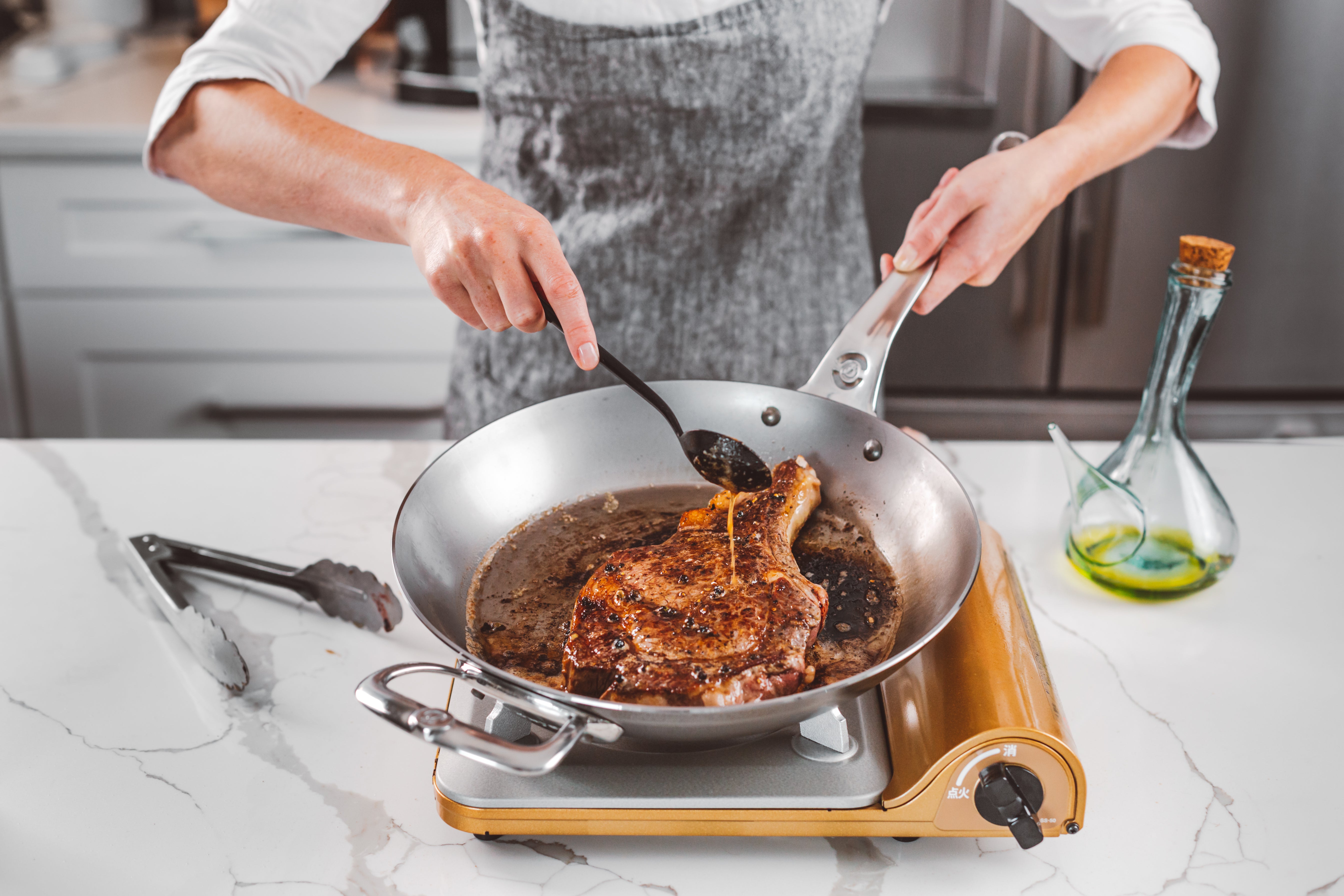
| Frying, Searing | Cast Iron, Stainless Steel | Even heat, adds iron (cast iron) |
| Baking | Glass, Cast Iron | No toxins, retains heat well |
| Low-Fat Cooking | PTFE-free Non-stick, Ceramic | Less oil needed, safe surface |
Choose cookware that fits how you cook daily. This keeps meals healthy and tasty.
Balancing Health And Performance
Cookware should not only be healthy but also perform well. Some materials are safe but may not heat evenly or last long. Others cook well but might release small amounts of harmful substances if damaged. Balancing health and performance means picking cookware that meets both needs.
Consider these factors:
- Material safety: Avoid cookware with toxic coatings or metals that leach into food.
- Heat distribution: Even heating prevents hot spots and burning.
- Durability: Long-lasting cookware saves money and reduces waste.
- Maintenance: Easy to clean and maintain cookware stays safe and functional.
Here is a comparison of popular cookware materials:
| Cookware Type | Health Safety | Heat Performance | Maintenance |
|---|---|---|---|
| Stainless Steel | High | Good, may have hot spots | Easy, dishwasher safe |
| Ceramic | Very High | Moderate, best at low heat | Gentle cleaning needed |
| Cast Iron | High | Excellent, retains heat | Requires seasoning |
| Non-stick (PTFE-free) | Moderate to High | Good, avoid high heat | Use soft tools only |
Tip: Rotate cookware types to benefit from each material’s strengths. Use cast iron for frying and stainless steel for boiling. Keep ceramic for gentle cooking.
Credit: www.debuyer-usa.com
Frequently Asked Questions
What Is The Safest Cookware Material For Health?
The safest cookware materials are stainless steel, cast iron, and ceramic. These avoid harmful chemicals and metals. They also distribute heat evenly and last long, making them ideal for healthy cooking.
Is Non-stick Cookware Healthy To Use?
Non-stick cookware can release toxic fumes if overheated. Choose PFOA-free options and avoid high heat. Proper use and quality non-stick pans can be safe and convenient for cooking.
Why Is Cast Iron Considered Healthy Cookware?
Cast iron adds a small amount of iron to food, which benefits those with iron deficiency. It also cooks evenly and is free from harmful chemicals, making it a healthy and durable option.
Are Ceramic Cookware Sets Better For Health?
Ceramic cookware is non-toxic and free from metals like aluminum and PTFE. It provides non-stick benefits without harmful chemicals. Ceramic pans are excellent for low to medium heat cooking.
Conclusion
Choosing the healthiest cookware helps protect your food and your body. Materials like stainless steel, cast iron, and ceramic offer safe cooking options. Avoid cookware that releases harmful chemicals or metals. Clean your pots and pans well to keep them safe.
Good cookware lasts longer and cooks food evenly. Making smart choices in the kitchen improves your health every day. Simple steps bring big benefits. Cook with care and enjoy healthy meals.

Hello, This is Annie Walker, a 38-year-old blogger, founder, and editor of Cookware Guider from NY, USA. I am a cookware fanatic and passionate cooker. I love to cook with different types of cooking appliances (example: all types of cookware, rice cookers, slow cookers, etc) almost every day in my kitchen. I love to share my experience with my readers in my blog. Also, I enjoy helping people to solve their problems through my website. You can follow me on Twitter & Pinterest. To know details about my blog please check the about us page.