
When it comes to cooking for yourself and your loved ones, safety should always come first. You might wonder, “What is the safest cookware to use?” Choosing the right pots and pans can protect you from harmful chemicals and keep your food healthy and tasty.
You’ll discover simple, clear answers that help you make smart decisions in the kitchen. Keep reading to find out which cookware materials are best for your health and why they matter more than you think.
Credit: www.meghantelpner.com
Common Cookware Materials
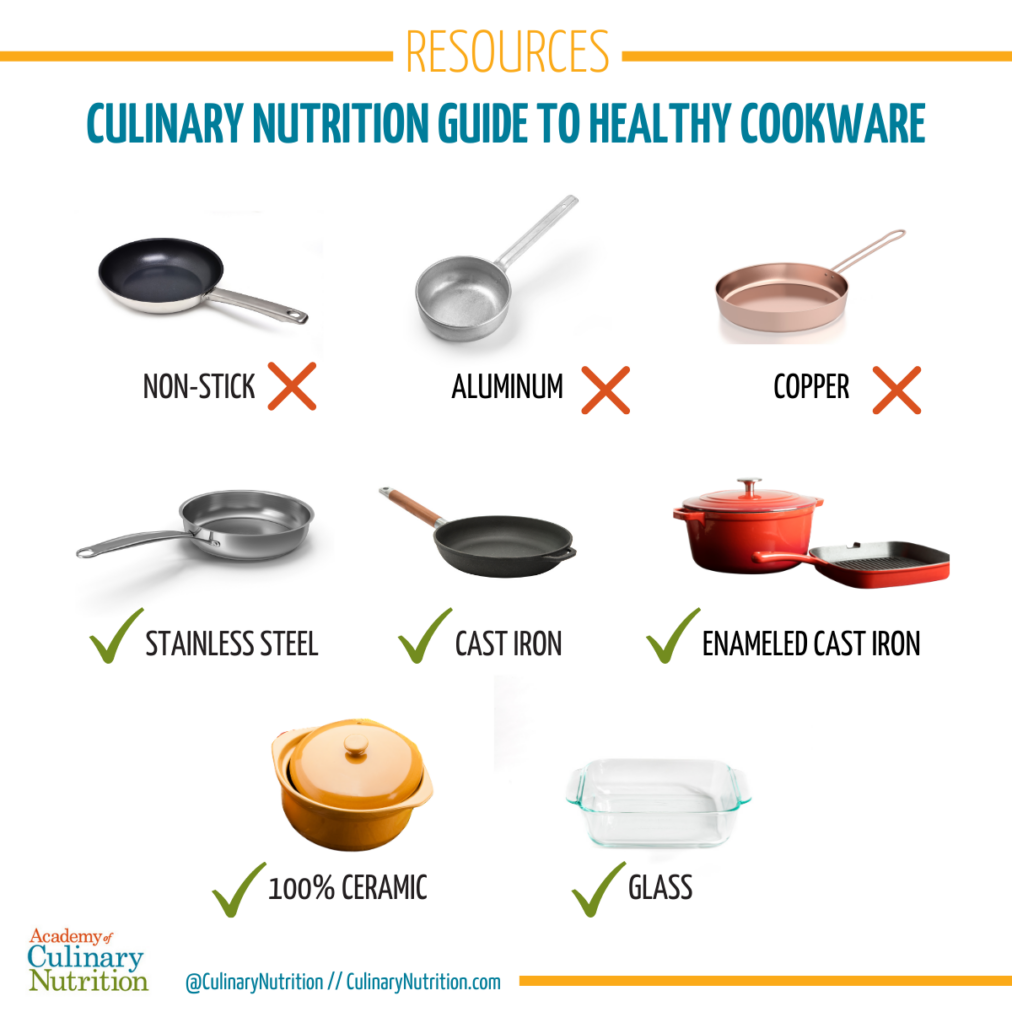
Choosing the safest cookware is key for healthy cooking. Different materials react differently to heat and food. Common cookware materials include stainless steel, cast iron, nonstick coatings, ceramic, copper, and aluminum. Each has unique benefits and safety factors. Knowing their properties helps pick the best option for your kitchen.
Stainless Steel
Stainless steel is a popular choice for safe cookware. It does not react with food, so it keeps flavors pure. This material is strong, durable, and resists rust and corrosion. It works well for boiling, sautéing, and frying.
Benefits of stainless steel cookware:
- Non-reactive with acidic or alkaline foods
- Durable and long-lasting
- Easy to clean and dishwasher safe
- Can handle high heat without damage
One downside is that stainless steel does not conduct heat evenly. Many pans have an aluminum or copper core to improve heat distribution. This design combines safety with better cooking performance.
| Feature | Details |
|---|---|
| Material | Steel alloy with chromium and nickel |
| Heat Conductivity | Moderate, improved with core layers |
| Maintenance | Low, resists staining and rust |
| Safety | Very safe, no harmful chemicals released |
Cast Iron
Cast iron is one of the oldest and safest cookware materials. It holds and distributes heat evenly. Cast iron skillets and pans can last for generations if cared for properly. This cookware can add a small amount of iron to food, which is beneficial for many people.
Key points about cast iron:
- Excellent heat retention and even cooking
- Needs seasoning to create a natural nonstick surface
- Heavy and requires careful handling
- Not reactive with acidic foods if well-seasoned
Cast iron requires maintenance like drying immediately after washing to prevent rust. It is safe but should not be used for cooking very acidic dishes frequently, as acid can break down the seasoning.
Nonstick Coatings
Nonstick cookware is popular for easy food release and cleaning. Most nonstick pans use a coating called PTFE, commonly known as Teflon. Modern nonstick coatings are safer than older versions but still need care to avoid overheating.
Important facts about nonstick cookware:
- Prevents food from sticking with little oil
- Can release harmful fumes if heated above 500°F (260°C)
- Coating may wear off over time, exposing the base material
- Best used on low to medium heat
There are also ceramic-based nonstick coatings that are free from PTFE and PFOA chemicals. These offer a safer alternative but may not last as long. Always follow manufacturer instructions to keep nonstick pans safe and durable.
Ceramic
Ceramic cookware has a natural, non-reactive surface. It is made from clay and other natural materials, often coated on metal pans. Ceramic pans can handle higher temperatures than traditional nonstick pans. They are free from harmful chemicals like PTFE and PFOA.
Advantages of ceramic cookware include:
- Non-toxic and eco-friendly
- Good heat distribution
- Nonstick surface without synthetic chemicals
- Easy to clean
One drawback is that ceramic coatings may chip or wear faster. Avoid using metal utensils to extend the life of ceramic pans. Ceramic cookware suits low to medium heat cooking best.
Copper
Copper is prized for its excellent heat conductivity. It heats quickly and evenly, making it great for precise cooking. Copper pans often have a lining of stainless steel or tin to prevent the metal from reacting with food.
Features of copper cookware:
- Superior heat control
- Reacts with acidic foods unless lined
- Requires polishing to maintain shine
- Expensive but durable
Unlined copper can release copper into food, which may be harmful in large amounts. Lined copper cookware is safe for daily use. It suits cooks who want fine temperature control.
Aluminum
Aluminum is lightweight and heats up quickly. It is often used in cookware but can react with acidic or alkaline foods. This reactivity may alter taste and appearance of dishes. To prevent this, aluminum cookware is usually anodized or coated.
Details about aluminum cookware:
| Type | Characteristics | Safety |
|---|---|---|
| Raw Aluminum | Reacts with food, may cause discoloration | Less safe for acidic foods |
| Anodized Aluminum | Harder surface, resists corrosion and reaction | Safe and durable |
| Coated Aluminum | Nonstick or ceramic coatings added | Depends on coating safety |
Anodized aluminum is a safer option and very common. It offers good heat conduction without the risks of raw aluminum. Choose anodized or coated versions for daily cooking safety.
Health Risks Of Cookware
Choosing the safest cookware protects your health and improves your cooking experience. Many cookware types can release harmful substances during cooking. Understanding the health risks of cookware helps you make better decisions. Some risks come from chemicals, metals, or coatings that mix with food. These risks may cause allergies, poisoning, or long-term health problems. Knowing these dangers guides you to safer kitchen tools.
Chemical Leaching
Chemical leaching happens when substances from cookware enter your food. This occurs especially with acidic or hot foods. Chemicals can come from coatings, glazes, or the metal itself. Eating food with these chemicals may cause health issues over time.
Common sources of chemical leaching:
- Nonstick coatings breaking down at high heat
- Ceramic glazes containing lead or cadmium
- Aluminum reacting with acidic foods like tomatoes or citrus
Here is a simple table showing cookware types and their potential chemical risks:
| Cookware Type | Possible Chemicals Leached | Risk Level |
|---|---|---|
| Aluminum | Aluminum ions | Moderate |
| Ceramic with glaze | Lead, Cadmium | High (if low-quality) |
| Nonstick (PTFE) | Fluorinated compounds | Moderate to High (if overheated) |
| Stainless steel | Nickel, Chromium | Low to Moderate |
Using cookware safely means avoiding overheating and choosing high-quality products. Acidic foods can speed up chemical leaching. Avoid cooking very acidic dishes in reactive metals like aluminum.
Heavy Metal Exposure
Heavy metals like lead, cadmium, and nickel can be toxic even in small amounts. Some cookware contains these metals in the material or glaze. Cooking with such cookware can release metals into food. Long-term exposure may harm organs and cause serious health problems.
Heavy metals to watch out for in cookware:
- Lead: Found in cheap ceramic glazes and some metal alloys.
- Cadmium: Used in colored ceramic coatings and glazes.
- Nickel: Present in stainless steel and some alloys.
- Chromium: Found in stainless steel, usually safe unless damaged.
Symptoms of heavy metal poisoning include stomach pain, nausea, headaches, and fatigue. Children and pregnant women are more vulnerable.
Tips to reduce heavy metal exposure:
- Buy cookware from trusted brands with safety certifications.
- Avoid chipped or damaged ceramic cookware.
- Do not cook acidic food in old or low-quality metal pans.
- Season cast iron pans to create a protective layer.
Nonstick Coating Concerns
Nonstick pans are popular for easy cooking and cleaning. Most use PTFE (Teflon) coatings. When heated above 500°F (260°C), these coatings can break down. This releases toxic fumes and harmful particles. These fumes may cause flu-like symptoms called “polymer fume fever.”
Key points about nonstick cookware safety:
- Never heat nonstick pans empty or on very high heat.
- Avoid using metal utensils that scratch the surface.
- Replace old or scratched nonstick pans promptly.
- Consider ceramic or anodized aluminum alternatives.
Some nonstick coatings use chemicals like PFOA, now mostly banned. Still, residues may exist in older pans. Always check product labels and certifications. Proper care extends the life and safety of your nonstick cookware.
Safe Cookware Features
Choosing the safest cookware means focusing on certain key features. Safe cookware protects your health and improves cooking results. Understanding these features helps pick pots and pans that last long, avoid harmful chemicals, and cook food evenly. This section explains the main traits of safe cookware. These include durability and stability, non-toxic materials, and good heat distribution. Each plays a big role in kitchen safety and cooking quality.
Durability And Stability
Durability means cookware lasts through regular use without breaking or warping. Cookware that wears out quickly can release harmful substances or cause accidents. Stability means pots and pans stay steady on the stove. Wobbly cookware risks spills and burns.
Look for these durability and stability signs:
- Thick bases: Resist warping and distribute heat well.
- Solid handles: Firmly attached and heat-resistant.
- Heavy weight: Indicates sturdy material and less chance of tipping.
- Scratch-resistant surfaces: Prevent damage that can expose unsafe layers.
Here is a simple table showing common cookware materials and their durability and stability:
| Material | Durability | Stability |
|---|---|---|
| Cast Iron | High – lasts for decades | High – very stable due to weight |
| Stainless Steel | High – resists rust and dents | Medium – depends on base thickness |
| Aluminum | Medium – can warp if thin | Low to Medium – lighter and less stable |
| Ceramic | Medium – prone to chipping | Medium – varies by design |
Choosing cookware with strong build quality means safer use and better cooking. Avoid cheap, thin items that wear out fast.
Non-toxic Materials
Safe cookware uses non-toxic materials that do not release harmful chemicals into food. Some cookware coatings can break down and leak toxins when overheated. Choosing the right material protects health.
Common non-toxic cookware materials include:
- Stainless Steel: Does not react with food and is safe for all cooking.
- Cast Iron: Adds iron to food and has no synthetic coatings.
- Ceramic: Natural and free of PTFE and PFOA chemicals.
- Glass: Completely inert and safe but less common for stove use.
Avoid cookware with these risks:
- Non-stick coatings with PFOA or PFAS: Linked to health problems.
- Aluminum: Can react with acidic foods and leach into meals.
- Low-quality plastics: May melt or release toxins.
Here is a quick reference table of cookware materials and their toxicity levels:
| Material | Toxicity | Notes |
|---|---|---|
| Stainless Steel | Low | Safe for all cooking |
| Cast Iron | Low | Seasoning needed to avoid sticking |
| Ceramic | Low | Natural, no synthetic chemicals |
| Non-stick (PTFE) | Medium to High | Safe under 500°F, avoid scratched pans |
| Aluminum | Medium | Can leach with acidic foods |
Choosing cookware with non-toxic materials helps keep meals healthy and safe.
Heat Distribution
Good heat distribution means the cookware spreads heat evenly over the cooking surface. This prevents hot spots that burn food or leave parts undercooked. Even heating also saves energy and cooks faster.
Cookware with poor heat distribution often has:
- Thin bases that warp easily
- Uneven thickness
- Low-quality metals
Materials known for excellent heat distribution include:
- Copper: Best heat conductor but expensive and requires care.
- Aluminum: Good conductor but often coated to avoid reaction with food.
- Stainless Steel with Aluminum Core: Combines durability and even heat.
Simple tips to improve heat distribution:
- Use cookware with thick, layered bottoms.
- Preheat pans before adding food.
- Avoid overcrowding the pan.
Table below compares heat conduction of common cookware materials:
| Material | Heat Conductivity | Effect on Cooking |
|---|---|---|
| Copper | Very High | Heats quickly and evenly |
| Aluminum | High | Good even heating but reactive |
| Stainless Steel | Low | Uneven heating alone, better with core |
| Cast Iron | Medium | Slow to heat but retains heat well |
Cookware with good heat distribution improves cooking results and safety.
Credit: www.cleaneatingkitchen.com
Tips For Choosing Safe Cookware
Choosing safe cookware is essential for healthy cooking and long-lasting kitchen tools. Unsafe cookware can release harmful chemicals or metals into food. This section gives clear tips to help pick cookware that keeps meals safe and tasty. Follow these simple steps to make smart choices and protect your health.
Check For Certification
Certifications show cookware meets safety and quality standards. They help you avoid products with harmful substances. Look for these common certifications:
- FDA Approval: Ensures materials are safe for food contact.
- LFGB Certification: A German test for food safety, stricter than FDA.
- NSF Certification: Confirms the product is safe and hygienic for cooking.
- Prop 65 Compliance: California’s rule that warns about toxic chemicals.
Here is a quick reference table for certifications:
| Certification | What It Means | Why It Matters |
|---|---|---|
| FDA Approval | Safe for food contact | Prevents harmful chemical leaching |
| LFGB | Strict European food safety test | Ensures no toxic materials |
| NSF | Certified hygienic cookware | Reduces risk of contamination |
| Prop 65 | Toxic chemical warning | Helps avoid dangerous substances |
Always check product labels or descriptions for these certifications. It is a quick way to trust your cookware’s safety. Certified cookware often lasts longer and works better too.
Avoid Damaged Cookware
Cookware with cracks, chips, or scratches can be unsafe. Damage may let chemicals or metals leak into food. Non-stick pans with scratches often release toxic fumes when heated.
Follow these tips to avoid damaged cookware:
- Inspect pans before buying or using.
- Discard cookware with visible damage.
- Do not use metal utensils on non-stick surfaces.
- Replace cookware if the coating peels or wears off.
Here is a list of common damage signs and their risks:
| Damage Type | Risk | Recommended Action |
|---|---|---|
| Cracks or Chips | Food contamination, bacteria growth | Stop using, replace immediately |
| Scratched Non-Stick Surface | Toxic chemical release | Use wooden or silicone tools |
| Peeling Coating | Ingesting coating material | Replace cookware |
Proper care extends cookware life. Avoid harsh cleaning tools. Hand wash instead of using a dishwasher for delicate coatings. Keep cookware in good shape for safe cooking.
Consider Cooking Habits
Your cooking style affects which cookware is safest. Some materials suit specific methods better. Match cookware types to your daily cooking needs.
Consider these points:
- High-Heat Cooking: Use stainless steel or cast iron. They handle heat well without releasing toxins.
- Low-Fat Cooking: Non-stick pans need gentle care and low to medium heat to avoid damage.
- Acidic Foods: Avoid reactive metals like aluminum and copper. They can change food taste and safety.
- Frequent Use: Durable materials like cast iron or stainless steel last longer and stay safe.
Here’s a simple guide to cookware and cooking habits:
| Cooking Habit | Best Cookware | Why |
|---|---|---|
| High-Heat Frying | Cast Iron, Stainless Steel | Heat resistant, no toxic release |
| Low-Fat Cooking | Non-Stick | Requires less oil, easy cleaning |
| Cooking Acidic Foods | Glass, Ceramic, Stainless Steel | Non-reactive, safe for acids |
| Everyday Cooking | Cast Iron, Stainless Steel | Durable and safe for all uses |
Think about heat levels, food types, and cleaning effort. Choose cookware that fits your routine and keeps meals safe.
Maintenance For Longevity
Choosing the safest cookware is important for healthy cooking. Maintaining cookware properly helps it last longer and keeps it safe to use. Good care prevents damage and keeps materials from wearing out quickly. Knowing how to clean, season, and handle your cookware makes a big difference in its life. This section explains key steps to maintain your cookware for long-lasting use.
Proper Cleaning Methods
Cleaning cookware the right way stops rust, stains, and buildup. Different materials need different care. Use mild soap and warm water for most cookware. Avoid harsh chemicals that can damage surfaces. Here are some tips for proper cleaning:
- Wash cookware soon after use to avoid stuck food.
- Use soft sponges or cloths to clean.
- For stubborn food, soak the cookware in warm water before scrubbing.
- Dry cookware completely to prevent rust, especially for metal types.
Some cookware types require extra care:
| Cookware Type | Cleaning Tips |
|---|---|
| Stainless Steel | Use non-abrasive cleaner; avoid bleach or steel wool. |
| Ceramic | Use soft sponges; avoid metal utensils to prevent scratches. |
| Non-stick | Wash with mild detergent; avoid dishwasher if possible. |
| Cast Iron | Use hot water and brush; avoid soap to protect seasoning. |
Following proper cleaning methods keeps cookware safe and in good shape. It also helps retain the cooking quality and appearance over time.
Seasoning Cast Iron
Cast iron cookware needs seasoning to stay safe and non-stick. Seasoning creates a protective layer that stops rust and food from sticking. It also improves cooking performance. Here is a simple way to season cast iron:
- Clean the pan with warm water and dry it well.
- Apply a thin layer of cooking oil (vegetable or flaxseed oil works well) to the entire surface, inside and out.
- Place the pan upside down in an oven preheated to 375°F (190°C).
- Put a sheet of aluminum foil below to catch drips.
- Bake for 1 hour, then turn off the oven and let the pan cool inside.
Repeat seasoning after heavy use or if food starts sticking. Avoid soaking cast iron in water or using soap often, as this removes the seasoning. Proper seasoning protects the pan and keeps cooking safe.
Benefits of seasoning cast iron:
- Prevents rust and corrosion
- Creates a natural non-stick surface
- Improves flavor of cooked food
- Extends cookware life
Avoiding Abrasive Tools
Using abrasive tools damages cookware surfaces, making them unsafe and less effective. Scratches can trap food and bacteria, reducing hygiene. Avoid metal scrubbers, steel wool, or rough brushes on delicate cookware.
Here are safe alternatives for cleaning:
- Soft sponges or cloths
- Plastic or nylon scrubbers
- Wooden or silicone utensils for cooking
- Baking soda paste for tough stains (apply gently)
Follow this table to understand which tools to avoid:
| Cookware Type | Tools to Avoid | Safe Tools |
|---|---|---|
| Non-stick | Metal scrubbers, steel wool | Soft sponge, nylon scrubber |
| Ceramic | Abrasive pads, metal brushes | Soft cloth, plastic scrubber |
| Cast Iron | Soap, harsh scrubbing pads | Brush, coarse salt scrub |
Gentle cleaning tools protect the cookware’s surface and maintain safety. Treat your cookware with care to keep it working well for years.
Credit: stahlkitchens.com
Frequently Asked Questions
What Is The Safest Material For Cookware?
The safest cookware materials are stainless steel, cast iron, and ceramic. They don’t leach harmful chemicals. These options resist scratches and high temperatures, ensuring healthy cooking.
Are Non-stick Pans Safe To Use?
Non-stick pans can be safe if free of PFOA and PFAS chemicals. Look for brands using ceramic or PTFE coatings without toxic additives. Avoid overheating to prevent harmful fumes.
Is Cast Iron Cookware Healthy?
Yes, cast iron cookware is healthy and durable. It naturally adds iron to food, which benefits many people. Proper seasoning prevents rust and creates a non-stick surface.
Can Ceramic Cookware Be Toxic?
High-quality ceramic cookware is non-toxic and safe. Avoid cheap versions that may contain lead or cadmium. Always check for certifications to ensure safety and durability.
Conclusion
Choosing safe cookware protects your health and improves your meals. Materials like stainless steel, cast iron, and ceramic offer safe cooking options. Avoid cookware that can release harmful chemicals when heated. Clean and maintain your pots and pans well to keep them safe.
Small changes in your kitchen can make a big difference. Cook with care, and enjoy healthy, tasty food every day. Safe cookware helps you cook confidently and stay healthy. Simple choices lead to better cooking and peace of mind.

Hello, This is Annie Walker, a 38-year-old blogger, founder, and editor of Cookware Guider from NY, USA. I am a cookware fanatic and passionate cooker. I love to cook with different types of cooking appliances (example: all types of cookware, rice cookers, slow cookers, etc) almost every day in my kitchen. I love to share my experience with my readers in my blog. Also, I enjoy helping people to solve their problems through my website. You can follow me on Twitter & Pinterest. To know details about my blog please check the about us page.