
Have you ever stood in the kitchen, staring at your cookware, wondering if that frying pan or skillet is really the same thing? You’re not alone.
Knowing the difference between these two can change how you cook and even the taste of your meals. Understanding their unique features will help you choose the right tool every time, making your cooking easier and more enjoyable. Keep reading, and you’ll discover simple tips that will transform your kitchen skills instantly.
Design Features
Design features set frying pans and skillets apart in useful ways. Understanding these differences helps choose the right tool for cooking tasks. Each has unique elements that affect cooking style and food results.
Shape And Size
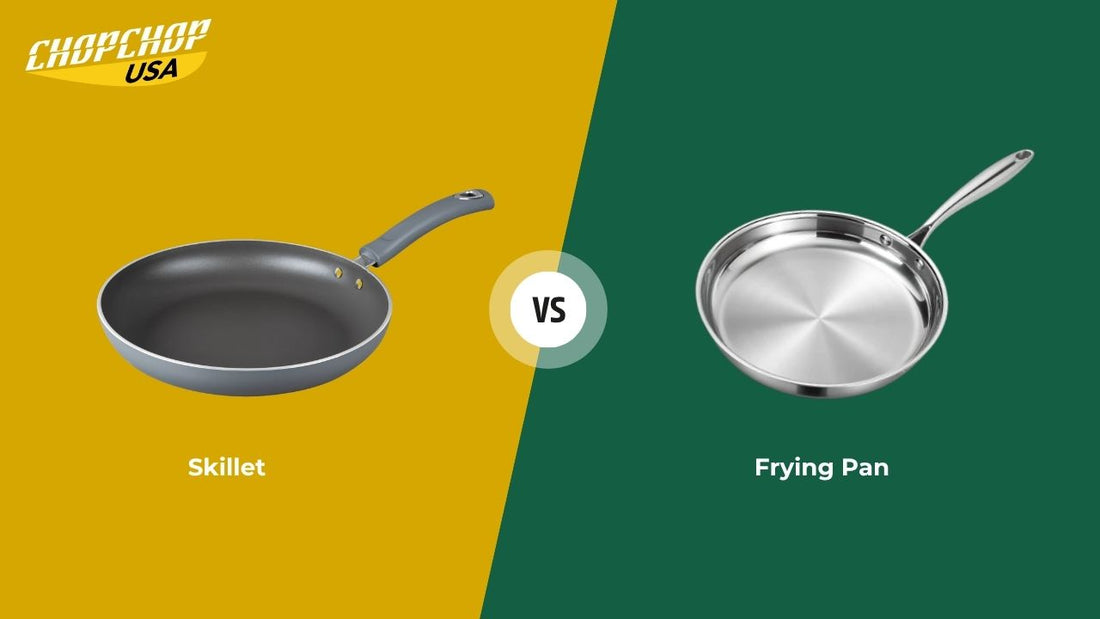
A frying pan usually has low, gently sloped sides. This design makes flipping and stirring food easy. Skillets have higher, straight sides, which hold more food and liquids. Skillets often come in larger sizes for bigger meals.
Handle Styles
Frying pans often have a long, single handle for easy grip. Skillets may have a long handle plus a small helper handle opposite it. This helps lift heavier skillets safely. Both handles are designed to stay cool during cooking.
Material Differences
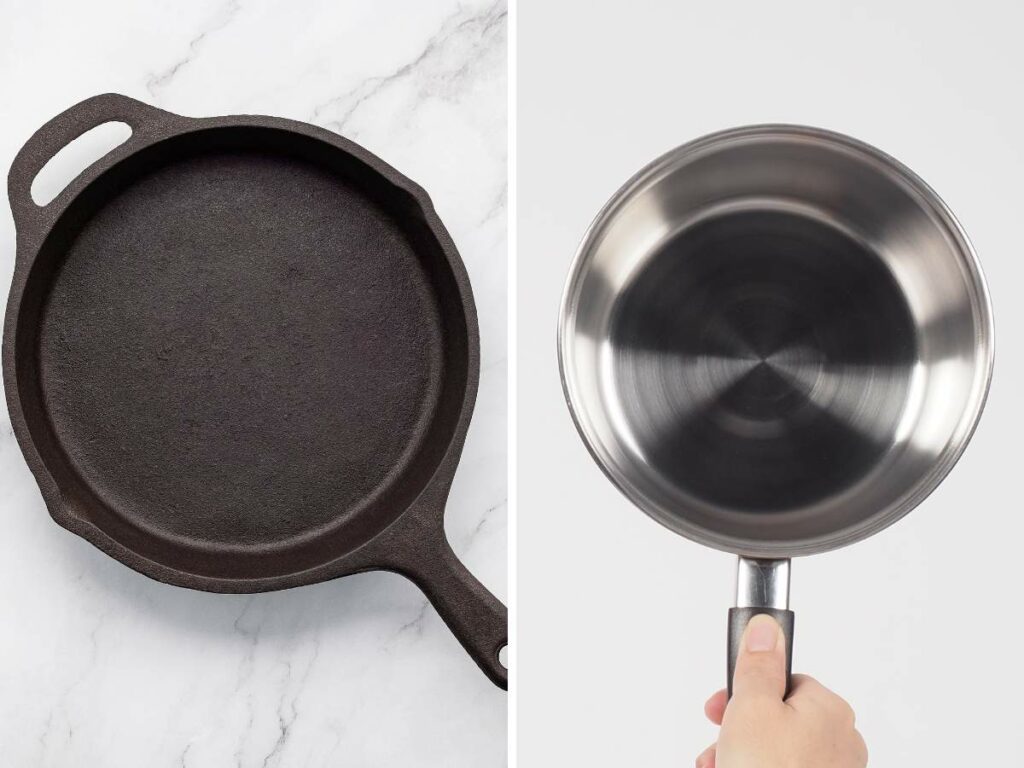
Frying pans are often made from lightweight materials like aluminum. This heats quickly but may not keep heat evenly. Skillets are usually cast iron or heavier metals. They hold heat well and cook food evenly over time.
Cooking Performance
Understanding cooking performance helps choose the right pan for your kitchen. Both frying pans and skillets have unique traits. These traits affect how food cooks and tastes. Knowing these differences improves your cooking experience.
Heat Distribution
Skillets usually have thicker bottoms than frying pans. This thickness spreads heat evenly across the surface. Even heat prevents hot spots and burning. Frying pans may heat faster but can have uneven heat. This difference changes how food cooks on each pan.
Cooking Techniques
Frying pans are ideal for quick cooking methods like sautéing and frying. Their low sides make flipping and stirring easy. Skillets, with higher sides, hold heat longer. They work well for searing, braising, and shallow frying. Each pan suits different cooking styles.
Versatility In Recipes
Skillets handle a wider range of recipes, from frying to baking. Their sturdy build can go from stovetop to oven. Frying pans are best for simple, fast meals. Choosing the right pan adds ease and flavor to your dishes.
Maintenance And Durability
Maintenance and durability are key when choosing between a frying pan and a skillet. Both need care to last long and perform well. Understanding their upkeep helps you keep them in top shape. It also saves money by avoiding early replacement.
Cleaning Tips
Frying pans often have non-stick coatings. Use soft sponges to clean them gently. Avoid metal scrubbers that can damage the surface. Skillets, especially cast iron, require different care. Clean with hot water and a brush. Avoid soap to keep the seasoning intact. Dry both pans well to stop rust and damage.
Seasoning Requirements
Skillets usually need seasoning. This means applying oil and heating it. It creates a natural non-stick layer. Season regularly to keep the surface smooth. Frying pans rarely need seasoning. Their non-stick coating works without it. Proper seasoning helps skillets resist rust and improves cooking.
Longevity Factors
Skillets often last longer because of their sturdy build. Cast iron skillets can last for decades with care. Frying pans have shorter lives due to coating wear. Avoid overheating frying pans to protect the surface. Proper cleaning and storage extend both pan types’ lives. Handle pans carefully to avoid dents and scratches.

Credit: deliciouslyrushed.com
Price And Availability
Price and availability play a big role when choosing between a frying pan and a skillet. Both tools serve similar purposes but differ in cost and how easy they are to find. Knowing these differences helps you buy the right one for your kitchen and budget.
Cost Comparison
Frying pans usually cost less than skillets. Simple non-stick frying pans are often affordable. Skillets, especially cast iron ones, tend to be pricier. They last longer but require a higher initial investment. Price depends on material, size, and brand.
Popular Brands
Top brands for frying pans include T-fal, Calphalon, and GreenPan. These brands offer budget-friendly options. Skillet favorites are Lodge, Le Creuset, and Staub. They focus on durable cast iron and enameled skillets. Brand reputation affects price and quality.
Where To Buy
Both frying pans and skillets are easy to find. Most grocery stores and big box retailers stock them. Online shops like Amazon and Walmart have wide selections. Specialty kitchen stores offer premium choices. Availability depends on your location and store type.
Choosing The Right Pan
Choosing the right pan can make cooking easier and more enjoyable. Frying pans and skillets look similar but serve different purposes. Picking the best one depends on what you cook, your kitchen space, and your budget. Understanding these factors helps you get the right tool for your needs.
Based On Cooking Needs
Frying pans are perfect for quick cooking like frying eggs or sautéing vegetables. They have low, sloped sides for easy flipping and stirring. Skillets have higher, straight sides that hold more food and liquids. Choose a skillet for dishes that need simmering or frying larger amounts.
Kitchen Space Considerations
Think about your kitchen size before buying a pan. Frying pans are usually lighter and take less space. Skillets are heavier and bulkier. If your kitchen is small, a frying pan may fit better. For larger kitchens, a skillet adds more cooking options.
Budget Tips
Frying pans often cost less than skillets because they use less material. If you want to save money, start with a basic frying pan. Skillets, especially cast iron ones, last long but can be pricier. Choose a pan that fits your budget and cooking style.
Credit: www.primaledgehealth.com
Credit: chopchopusa.com
Frequently Asked Questions
What Distinguishes A Frying Pan From A Skillet?
A frying pan typically has lower, sloped sides, perfect for quick frying. A skillet features higher, slightly curved sides, ideal for sautéing and cooking thicker foods.
Can You Use A Frying Pan And Skillet Interchangeably?
Yes, both pans can often be used interchangeably. However, a skillet’s deeper sides make it better for dishes needing more space or liquid.
Which Pan Is Better For Searing Meat?
A skillet is generally better for searing meat. Its thicker base distributes heat evenly, giving meat a perfect crust without burning.
Are Frying Pans And Skillets Made From Different Materials?
They can be made from similar materials like cast iron, stainless steel, or aluminum. Material choice affects heat retention and cooking style more than the pan type.
Conclusion
Frying pans and skillets look alike but serve different roles. Frying pans have sloped sides for easy flipping. Skillets have deeper, straight sides to hold more food. Choose based on what you cook most often. Both tools make cooking easier and more fun.
Knowing their difference helps you pick the right one. Cook with confidence and enjoy your meals. Simple tools, great results.

Hello, This is Annie Walker, a 38-year-old blogger, founder, and editor of Cookware Guider from NY, USA. I am a cookware fanatic and passionate cooker. I love to cook with different types of cooking appliances (example: all types of cookware, rice cookers, slow cookers, etc) almost every day in my kitchen. I love to share my experience with my readers in my blog. Also, I enjoy helping people to solve their problems through my website. You can follow me on Twitter & Pinterest. To know details about my blog please check the about us page.