
Are you looking to bring the rich flavors and health benefits of clay cookware into your kitchen? Finding the right place to buy clay pots, pans, and other cookware can feel overwhelming.
You want quality, durability, and authenticity—but where do you start? This guide will help you discover the best spots to buy clay cookware that fits your needs and budget. Keep reading, and soon you’ll be cooking delicious meals with cookware that truly makes a difference.
Types Of Clay Cookware
Choosing the right clay cookware depends on understanding the different types available. Clay pots come in various styles, finishes, sizes, and shapes. Each type has specific uses and benefits. Knowing these helps in selecting cookware that fits your cooking needs and kitchen style. This section explains the main types of clay cookware to guide your purchase.
Traditional Vs Modern Designs
Clay cookware has a rich history. Traditional designs often reflect cultural heritage and old cooking methods. They usually have simple shapes with earthy tones and rough textures. These pots are handmade and provide authentic cooking experiences.
- Traditional clay pots are thick and heavy.
- They retain heat well, cooking food evenly.
- Often used for slow cooking recipes like stews and soups.
- Natural, unpolished finishes give them a rustic look.
Modern designs focus on convenience and style. They often use smoother finishes and brighter colors. Some include handles or lids with better seals. Modern clay cookware may combine traditional clay with other materials for durability.
| Feature | Traditional Designs | Modern Designs |
|---|---|---|
| Material | Pure clay, handmade | Clay with added materials |
| Appearance | Earthy, rustic | Polished, colorful |
| Weight | Heavy | Lighter |
| Use | Slow cooking | Everyday cooking |
Both types have their charm. Traditional pots suit those who enjoy classic cooking styles. Modern pots fit busy kitchens needing easy handling and cleaning.
Glazed And Unglazed Options
Clay cookware comes in glazed and unglazed forms. The glaze is a glass-like coating applied to the surface. It changes how the pot looks and performs.
Glazed cookware has a smooth, shiny surface. The glaze seals the pot, making it less porous. This stops liquids from soaking in, which helps with easy cleaning. Glazed pots often have bright colors and patterns.
- Non-porous surface prevents stains and odors.
- Suitable for cooking wet dishes.
- More resistant to cracks and chips.
- May contain small amounts of chemicals in some glazes, so check safety.
Unglazed cookware has a natural, rough texture. It absorbs moisture and releases it slowly during cooking. This creates a unique flavor and tender texture in food. Unglazed pots need more care to avoid cracking or absorbing unwanted smells.
- Porous surface allows slow evaporation.
- Best for dry or slow-cooked meals.
- Requires seasoning before use.
- More fragile and needs gentle cleaning.
| Type | Pros | Cons |
|---|---|---|
| Glazed | Easy to clean, colorful, durable | Less breathable, some glazes may have chemicals |
| Unglazed | Natural flavor, breathable, traditional feel | Fragile, absorbs odors, needs seasoning |
Sizes And Shapes
Clay cookware comes in many sizes and shapes to fit different recipes and cooking methods. Choosing the right size and shape improves cooking results and convenience.
Sizes range from small pots for sauces to large vessels for stews or rice. Smaller pots heat faster, while larger ones hold heat longer.
- Small (1-2 liters): Ideal for sauces, dips, or single servings.
- Medium (3-5 liters): Good for family meals and soups.
- Large (6+ liters): Suitable for big batches and slow cooking.
Shapes vary based on cooking style. Common shapes include:
- Round pots: Best for stews and soups.
- Oval pots: Great for roasting meats and fish.
- Flat pans: Used for frying and sautéing.
- Tagines: Conical lids help steam food evenly.
Some pots have wide mouths for easy stirring. Others have narrow openings to keep moisture in. Handles and lids add to usability and safety.
| Size | Use | Example |
|---|---|---|
| Small | Single servings, sauces | 1-2 liter round pot |
| Medium | Family meals, soups | 4 liter oval pot with lid |
| Large | Slow cooking, big batches | 6+ liter tagine or stew pot |

Credit: www.amazon.com
Local Stores To Explore
Finding authentic clay cookware can feel like a treasure hunt. Many local stores offer unique, handmade pieces that bring tradition and flavor to your kitchen. Exploring nearby shops gives a chance to see and touch the cookware before buying. It also supports local artisans and small businesses. Below are some types of local stores where clay cookware often appears.
Specialty Kitchenware Shops
Specialty kitchenware shops focus on cooking tools and utensils. These stores often carry a small but well-curated collection of clay cookware. The staff usually know their products well and can help you choose the right piece for your cooking style. These shops offer:
- Tagines and clay pots for slow cooking
- Clay baking dishes for bread and casseroles
- Clay grills and tandoors for unique cooking methods
Visiting these shops lets you compare sizes, shapes, and prices easily. You can also ask about care instructions to keep your cookware lasting longer.
| Store Feature | Benefit |
|---|---|
| Expert Advice | Helps choose the best cookware for your needs |
| Product Variety | Offers different types of clay pots and sizes |
| Quality Assurance | Ensures authentic and durable products |
Farmers Markets And Artisanal Fairs
Farmers markets and artisanal fairs are great spots to find handmade clay cookware. Local potters and craftspeople often sell their work here. These events offer a chance to meet the makers and learn about their techniques. Benefits include:
- Unique, one-of-a-kind pieces
- Direct conversations with artisans
- Opportunities to see the making process live
Prices may vary, but you get genuine, handcrafted cookware. These markets usually happen on weekends and offer a friendly, lively shopping experience.
- Visit early to get the best selection
- Ask about firing methods and clay types
- Test the weight and feel of the cookware
Ethnic Grocery Stores
Ethnic grocery stores often stock clay cookware common in their native cuisines. These stores are perfect for finding traditional pots and pans used in specific cultures. You might find:
- Mexican cazuelas
- Indian handi pots
- Moroccan tagines
Products here are typically affordable and authentic. Staff may share cooking tips or recipes that use the cookware. Visiting these stores supports cultural heritage and introduces you to new cooking styles.
Shopping at ethnic grocery stores also means easy access to specialty ingredients. This way, you can try cooking with your new clay pot right away.
Online Marketplaces
Clay cookware offers a natural way to cook food evenly and retain flavors. Finding the right place to buy clay cookware can make a big difference in quality and price. Online marketplaces provide a wide range of options, from budget-friendly sets to artisan handmade pieces. Shopping online saves time and allows easy comparison of products from different sellers. Many websites also offer detailed product descriptions and user reviews to help buyers choose the best cookware.
Popular E-commerce Platforms
Popular e-commerce platforms host numerous sellers offering various types of clay cookware. These platforms provide a safe and convenient shopping experience with secure payment methods and return policies. Buyers can find cookware sets, individual pots, and specialized cooking vessels suitable for different recipes.
- Amazon – Large selection, fast shipping, and detailed product information.
- eBay – Offers both new and used cookware, often at discounted prices.
- Walmart – Affordable options with customer support and return services.
- AliExpress – Wide variety from international sellers, often with free shipping.
The table below compares these platforms based on shipping speed, price range, and product variety:
| Platform | Shipping Speed | Price Range | Product Variety |
|---|---|---|---|
| Amazon | Fast (1-3 days) | $$ – $$$ | High |
| eBay | Moderate (3-7 days) | $ – $$$ | Medium |
| Walmart | Fast (2-4 days) | $ – $$ | Medium |
| AliExpress | Slow (7-20 days) | $ – $$ | High |
Artisan And Handmade Websites
Artisan and handmade websites focus on unique, handcrafted clay cookware. These sites support small businesses and individual potters who use traditional techniques. The cookware often features artistic designs and superior craftsmanship.
Examples include:
- Etsy – A popular marketplace for handmade pottery and cookware.
- UncommonGoods – Offers curated selections of artisan kitchenware.
- Local Pottery Websites – Many potters have personal websites showcasing their collections.
Benefits of buying from artisan websites:
- Exclusive designs not found in mass production.
- Higher quality and attention to detail.
- Possibility to customize or request special orders.
- Supports local and small-scale artisans.
Prices may be higher, but the value lies in unique and durable products. Shipping times can vary, so checking delivery estimates is important before purchase.
Customer Reviews And Ratings
Customer reviews and ratings help assess the quality and reliability of clay cookware. Most online marketplaces include user feedback, photos, and detailed comments. These insights reveal how cookware performs in real kitchens.
Key points to consider when reading reviews:
- Durability – Look for mentions of cracks or chips after use.
- Heat distribution – Check if the cookware cooks evenly without hotspots.
- Ease of cleaning – Some clay cookware requires special care.
- Shipping condition – Reports of damage during delivery are important.
- Customer service – Sellers that respond quickly to issues are more reliable.
Ratings summarized in stars or scores provide a quick overview. Reading both positive and negative reviews gives a balanced view. Verified purchases add extra trust to the feedback.
Using reviews helps avoid low-quality products and ensures satisfaction with your clay cookware purchase.
Factors To Consider Before Buying
Choosing the right clay cookware requires careful thought. Various factors affect the quality and usability of the cookware. This section explains key points to check before buying clay pots, pans, or other items. Understanding these helps make a smart choice that lasts long and cooks well.
Material Quality And Durability
The material quality of clay cookware determines how well it performs and how long it lasts. High-quality clay cookware is made from natural clay with no harmful additives. It should feel sturdy but not too heavy.
Important aspects of material quality include:
- Type of clay: Earthenware, stoneware, or terracotta each has different heat retention.
- Firing process: High-temperature firing improves strength and resistance.
- Glazing: Some cookware is glazed to prevent cracks and make cleaning easier.
Durability depends on how the cookware handles heat changes and daily use. Good clay cookware resists cracking and chipping. It also keeps heat evenly for better cooking.
| Type of Clay | Heat Retention | Durability | Best Use |
|---|---|---|---|
| Earthenware | Moderate | Less durable | Slow cooking, serving dishes |
| Stoneware | High | Very durable | Baking, roasting, stovetop |
| Terracotta | Good | Durable but porous | Stewing, simmering |
Tip: Check for small cracks or uneven surfaces before purchase. These may cause breakage during cooking.
Price And Budget
Price plays a big role in choosing clay cookware. Prices vary depending on material, size, brand, and place of purchase. Set a budget before shopping to narrow down options. Clay cookware usually costs more than metal or plastic types.
Factors affecting price include:
- Handmade vs. machine-made
- Imported or local products
- Brand reputation and guarantees
- Additional features like lids or special finishes
Spend money wisely. Some cheap products may not last or can crack easily. Expensive ones often offer better quality but are not always necessary for basic cooking.
Here is a simple budget guide:
| Price Range | Quality | Best For |
|---|---|---|
| Under $20 | Basic, less durable | Light use, beginners |
| $20 – $50 | Good quality, mid-range | Regular cooking |
| Above $50 | Premium, long-lasting | Heavy use, special recipes |
Advice: Balance price and quality. Avoid very cheap clay cookware that may break fast.
Authenticity And Origin
Authentic clay cookware comes from regions known for pottery craftsmanship. The origin affects the clay type, firing method, and overall quality. Traditional makers often use natural methods passed down for generations.
Why origin matters:
- Ensures true clay material without harmful chemicals
- Supports artisans and local economies
- Guarantees traditional designs and better durability
Check labels or ask sellers about the product’s origin. Famous clay cookware comes from areas like:
- Morocco (tagine pots)
- India (kulhar and handi pots)
- Mexico (olla pots)
- Italy (terracotta cookware)
Beware of fake or mass-produced items that copy traditional styles but use poor materials. Authentic clay cookware often has a unique texture and color that mass products lack.
Tip: Ask for certificates or proof of authenticity if possible. This helps avoid low-quality imitations.
Care And Maintenance Tips
Clay cookware offers a natural way to cook food evenly and retain flavors. Proper care and maintenance extend the life of your clay pots. These tips help keep your cookware in good condition for many meals. Understanding how to season, clean, and store clay cookware ensures it stays durable and safe to use.
Seasoning Your Cookware
Seasoning clay cookware is essential before the first use. It strengthens the pot and prevents cracking. The process fills tiny pores in the clay, making it less porous and more durable.
Follow these steps to season your clay cookware:
- Rinse the pot with warm water and let it dry completely.
- Soak the pot in water for 15 to 30 minutes to hydrate the clay.
- Rub the inside with a small amount of cooking oil like vegetable or olive oil.
- Place the pot in a cold oven and heat it slowly to 350°F (175°C) for about 2 hours.
- Turn off the oven and let the pot cool inside.
Tips for seasoning:
- Use mild oils without strong flavors.
- Repeat seasoning every few months for better protection.
- Avoid seasoning with synthetic sprays.
Proper seasoning creates a natural non-stick surface. It also improves heat distribution and prevents the pot from absorbing food odors.
Cleaning Methods
Cleaning clay cookware requires gentle care to avoid damage. Harsh detergents or scrubbing can weaken the clay and remove the seasoning layer.
Use these cleaning methods for your clay pots:
- Rinse with warm water immediately after use to remove food particles.
- Use a soft sponge or cloth to clean the surface.
- Avoid soap or use very mild, natural soap if necessary.
- For stubborn food, soak the pot in warm water for 20 minutes before cleaning.
- Do not use steel wool or abrasive scrubbers.
Cleaning table for clay cookware:
| Cleaning Task | Recommended Method | Not Recommended |
|---|---|---|
| Removing food residue | Warm water soak + soft sponge | Scrubbing with steel wool |
| Cleaning grease | Mild soap + soft cloth | Strong detergents or bleach |
| Drying | Air dry or towel dry | Direct heat or sunlight |
Proper cleaning keeps the pot healthy and ready for cooking. It prevents cracks and removes food smells gently.
Storage Recommendations
Correct storage protects clay cookware from damage and keeps it fresh. Clay can absorb moisture and odors if stored improperly.
Use these tips for storing your clay pots:
- Ensure the pot is completely dry before storing.
- Store with the lid slightly open to allow air circulation.
- Keep in a cool, dry place away from direct sunlight.
- Place a paper towel or cloth inside to absorb moisture and prevent odors.
- Avoid stacking heavy items on top of the pot to prevent cracks.
Storage do’s and don’ts:
| Do’s | Don’ts |
|---|---|
| Dry thoroughly before storage | Store while wet or damp |
| Keep lid slightly open | Seal pot tightly without air |
| Use soft padding between stacked pots | Stack pots directly without protection |
Proper storage helps maintain the quality and appearance of clay cookware. It reduces the risk of mold and cracking.
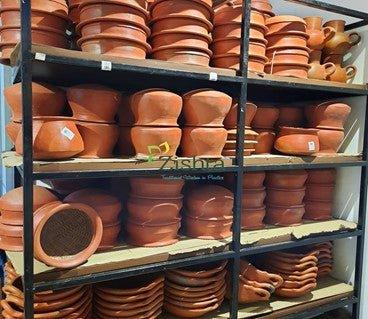
Credit: zishta.com
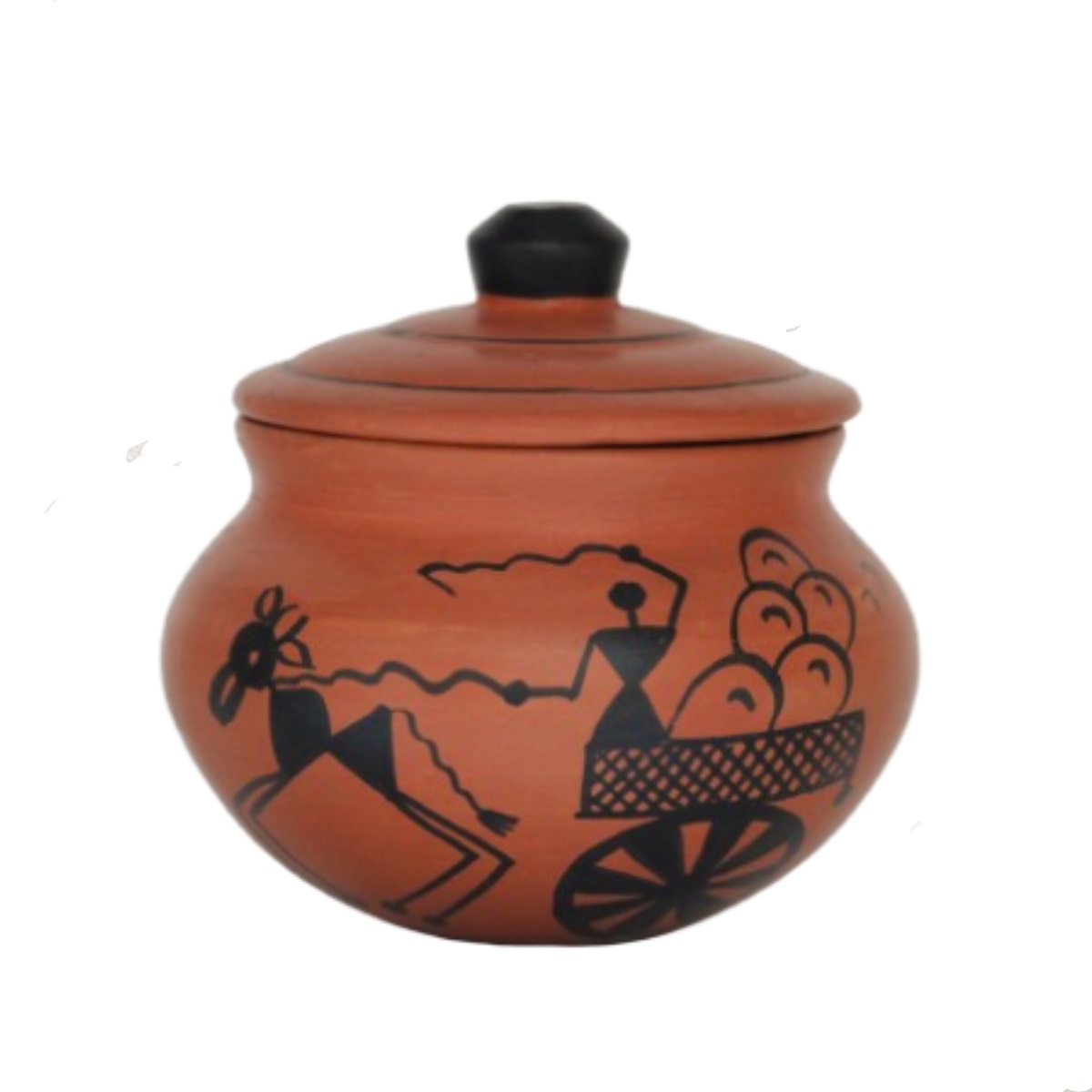
Credit: mitticool.com
Frequently Asked Questions
Where Can I Buy Authentic Clay Cookware Online?
You can buy authentic clay cookware on Amazon, Etsy, and specialty kitchenware sites. Check for verified sellers and customer reviews to ensure quality and authenticity.
Are Local Markets Good For Buying Clay Cookware?
Yes, local markets often have handmade clay cookware. Visiting them supports artisans and lets you inspect the product before buying.
What Should I Look For In Clay Cookware Quality?
Look for even thickness, no cracks, and a smooth finish. Quality clay cookware retains heat well and is free from harmful chemicals.
Is Buying Clay Cookware From Supermarkets Reliable?
Supermarkets may offer branded clay cookware but with limited variety. For unique and traditional pieces, specialty stores or online platforms are better.
Conclusion
Clay cookware adds a natural touch to your kitchen. You can find it in local markets or online stores. Choose places that offer good quality and fair prices. Check reviews to see what other buyers say. Remember to pick the right size and style for your needs.
Caring for clay pots helps them last longer. Start exploring trusted shops today and enjoy cooking with clay cookware. Simple, healthy, and traditional—perfect for your meals.

Hello, This is Annie Walker, a 38-year-old blogger, founder, and editor of Cookware Guider from NY, USA. I am a cookware fanatic and passionate cooker. I love to cook with different types of cooking appliances (example: all types of cookware, rice cookers, slow cookers, etc) almost every day in my kitchen. I love to share my experience with my readers in my blog. Also, I enjoy helping people to solve their problems through my website. You can follow me on Twitter & Pinterest. To know details about my blog please check the about us page.