
Are you wondering if enameled cookware is really safe to use for your family’s meals? With so many options in the kitchen, it’s easy to feel confused about what’s best for your health and cooking needs.
You want cookware that not only looks good but also keeps your food free from harmful chemicals. This article will clear up the mystery around enameled cookware, helping you make smart and confident choices every time you cook. Keep reading to discover the truth and protect your loved ones with every meal you prepare.
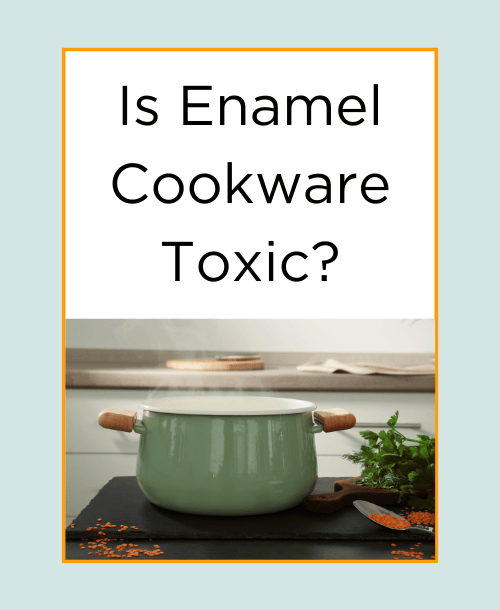
Credit: thegoodlifedesigns.com
Enameled Cookware Basics
Enameled cookware stands out as a popular choice in many kitchens. Its colorful surface and smooth finish make cooking enjoyable. Understanding the basics helps to know if it is safe for daily use. This section explores the materials and how enameled cookware is made.
Materials Used
Enameled cookware mainly combines two materials: metal and enamel. The metal base is usually cast iron or steel. This metal provides strength and holds heat well. The enamel coating covers the metal to stop rust and create a non-reactive surface.
- Cast Iron: Thick and heavy, it keeps heat evenly.
- Steel: Lighter than cast iron but still durable.
- Enamel: A glass-like coating made from powdered glass and minerals.
The enamel layer makes the cookware non-stick and easy to clean. It also prevents metal from touching food. This is important for safety and taste. The enamel can have different colors and finishes.
| Material | Function | Benefits |
|---|---|---|
| Cast Iron | Base | Heat retention, durability |
| Steel | Base | Lighter, strong |
| Enamel | Coating | Non-reactive, colorful, easy clean |
Manufacturing Process
The manufacturing of enameled cookware is a careful process. It ensures the final product is safe and long-lasting. The process starts with shaping the metal base. It can be cast or stamped, depending on the metal used.
Next, the base is cleaned to remove dirt and oils. This step helps the enamel stick well. After cleaning, the enamel powder is applied. This powder is made from ground glass and minerals.
- Shaping: Cast iron is poured into molds. Steel is cut and pressed.
- Cleaning: Removes any impurities from the surface.
- Enamel Application: Powder is sprayed or dipped onto the metal.
- Firing: The cookware is heated to 1400°F (760°C) to melt the enamel.
- Cooling: The enamel hardens into a smooth glass coating.
This heat treatment fuses the enamel to the metal. It creates a strong and smooth surface. The cookware can have multiple enamel layers for added protection and color depth.
The entire process follows strict quality controls. It prevents cracks and chips in the enamel. This makes enameled cookware safe for cooking and easy to maintain.
Credit: traditionalcookingschool.com
Health And Safety Factors
Health and safety factors play a key role in choosing cookware. Enameled cookware is popular for its look and cooking features. Many people ask, “Is enameled cookware safe?” This section covers important points about health and safety when using enameled pots and pans. Understanding the materials and possible risks helps you cook safely and enjoy your food.
Non-toxic Coatings
Enameled cookware has a glass-like coating made from powdered glass fused to metal at high heat. This coating creates a smooth, non-reactive surface. It does not release harmful chemicals or metals into food, making it a safe option for cooking.
Here are key benefits of non-toxic coatings in enameled cookware:
- Lead and cadmium free: Quality enameled cookware uses safe, non-toxic materials without heavy metals.
- No chemical fumes: The coating is stable and does not emit fumes, even at high temperatures.
- Non-reactive surface: It prevents food from touching the metal, stopping reactions with acidic or alkaline ingredients.
- Easy to clean: The smooth surface resists stains and odors, supporting hygiene.
Here is a simple comparison of enameled cookware and other common types:
| Cookware Type | Coating Material | Health Safety | Reactivity with Food |
|---|---|---|---|
| Enameled Cookware | Glass-based enamel | Non-toxic, no chemical release | Non-reactive |
| Non-stick Cookware | PTFE (Teflon) | Safe if not overheated | Non-reactive |
| Cast Iron | Seasoned iron surface | Safe, may release iron | Reacts with acidic food |
Potential Risks
Even with many safety benefits, some risks exist with enameled cookware. Most come from damage or misuse. The enamel coating can chip, crack, or wear out over time. This damage exposes the metal underneath, which can react with food or rust.
Important risks include:
- Chipped enamel: Small chips may cause sharp edges or metal exposure.
- Cracked coating: Cracks can harbor bacteria and cause uneven cooking.
- Heavy impact: Dropping or hitting can break the enamel layer.
- High heat misuse: Sudden temperature changes can stress the enamel and cause damage.
To reduce risks, follow these tips:
- Handle cookware with care to avoid dropping.
- Use wooden or silicone utensils to protect the surface.
- Heat gradually and avoid very high temperatures.
- Do not use damaged cookware for cooking.
Damaged enamel cookware is unsafe for food use. Metal exposure may cause:
- Food contamination
- Metallic taste
- Possible allergic reactions
Regular inspection helps keep your cookware safe. Replace or repair chips and cracks promptly.
Durability And Maintenance
Enameled cookware is popular for its colorful look and non-reactive surface. Durability and maintenance play a big role in how long these pots and pans last. Proper care keeps the enamel coating strong and prevents damage. Understanding how to handle chipping, cracking, and cleaning helps maintain safety and performance over time.
Chipping And Cracking
The enamel layer on cookware is a glass-like coating fused to metal. It resists rust and stops food from sticking. Yet, it can chip or crack if not handled gently. Chipping exposes the metal underneath, which may rust or react with food. Cracks can trap bacteria or worsen with heat.
Common causes of chipping and cracking include:
- Dropping or banging the cookware on hard surfaces
- Using metal utensils that scratch the enamel
- Rapid temperature changes, like placing a hot pan in cold water
- Stacking cookware without protection between pieces
To protect enamel, follow these tips:
| Action | Effect |
|---|---|
| Use wooden, silicone, or plastic utensils | Prevents scratching and preserves enamel surface |
| Handle cookware carefully to avoid drops | Reduces risk of chips and cracks |
| Avoid sudden temperature changes | Prevents thermal shock that causes cracks |
| Use protective liners when stacking | Stops enamel from rubbing and chipping |
Cleaning Tips
Proper cleaning keeps enamel cookware safe and looking new. Avoid harsh scrubbing or abrasive cleaners that can damage the surface. Use gentle methods to remove stains and food residue. Warm water and mild dish soap work best.
Follow these cleaning tips for enamel cookware:
- Let the cookware cool before washing to prevent cracking.
- Soak stuck-on food in warm soapy water for easier cleaning.
- Use a soft sponge or cloth; avoid steel wool or harsh scrubbers.
- For tough stains, try a paste made from baking soda and water.
- Rinse well and dry immediately to prevent water spots.
- Occasionally, boil water with a little baking soda inside the pot to loosen residue.
Cleaning methods to avoid include:
- Dishwasher use, which can dull enamel over time
- Harsh chemical cleaners that erode the enamel
- Metal scouring pads that scratch the surface
Regular, gentle cleaning helps enamel cookware stay safe, durable, and beautiful for many years.
Comparing With Other Cookware
Enameled cookware offers a unique cooking experience with its smooth, non-reactive surface and attractive design. Comparing it to other popular cookware types helps understand its safety and usability better. Each cookware type has distinct features, pros, and cons. This comparison highlights how enameled cookware stands in terms of health safety, maintenance, and cooking performance.
Stainless Steel
Stainless steel cookware is known for its durability and resistance to rust. It does not react with acidic or alkaline foods, making it safe for all kinds of cooking. Unlike enameled cookware, stainless steel does not have a coating that might chip or wear off over time.
Key points about stainless steel:
- Safe and non-reactive: No leaching of harmful chemicals into food.
- Durable: Can last for decades with proper care.
- Requires oil or fat: Food may stick without enough lubrication.
- Heats unevenly: Some cheaper models may develop hot spots.
| Feature | Stainless Steel | Enameled Cookware |
|---|---|---|
| Surface | Metal, non-coated | Glass-like enamel coating |
| Reactivity | Non-reactive | Non-reactive |
| Durability | Very high | Moderate, coating can chip |
| Maintenance | Easy, dishwasher safe | Careful cleaning required |
Stainless steel is better for high-heat cooking and searing. Enameled cookware offers easier cleanup but requires gentle handling.
Non-stick
Non-stick cookware uses a coating like Teflon to prevent food from sticking. This feature makes cooking and cleaning very easy. Safety concerns arise if the coating overheats or gets scratched, releasing toxic fumes or particles.
Important facts about non-stick cookware:
- Low-fat cooking: Uses less oil or butter.
- Fragile coating: Scratches can reduce safety and performance.
- Heat limits: High heat can break down the coating.
- Shorter lifespan: Needs replacement more often than enameled or stainless steel.
Enameled cookware avoids these risks. The glass-like enamel does not release harmful fumes or chemicals. It also handles higher temperatures safely.
| Aspect | Non-Stick | Enameled Cookware |
|---|---|---|
| Coating Type | Polytetrafluoroethylene (PTFE) | Porcelain enamel (glass-like) |
| Heat Resistance | Low to medium | High |
| Safety Risk | Fumes when overheated | Minimal risk |
| Cleaning | Easy | Easy but careful |
Cast Iron
Cast iron cookware is heavy and known for excellent heat retention. It can last a lifetime if maintained well. Unlike enameled cookware, plain cast iron can react with acidic foods, causing slight metallic flavors and discoloration.
Details about cast iron safety and use:
- Seasoning layer: Protects the surface and improves non-stick quality.
- Reactivity: Can interact with acidic foods without enamel coating.
- Heavy and requires care: Needs drying and oiling to avoid rust.
- Enhances iron intake: Some iron leaches into food, which can be beneficial.
Enameled cast iron combines the benefits of cast iron with a safe, non-reactive surface. It does not require seasoning and is easier to clean. The enamel also prevents iron from leaching into food.
| Property | Cast Iron (Bare) | Enameled Cast Iron |
|---|---|---|
| Weight | Heavy | Heavy |
| Maintenance | High (seasoning, drying) | Low (no seasoning) |
| Reactivity | Reacts with acid | Non-reactive |
| Durability | Very high | High |
Expert Opinions And Studies
Enameled cookware has gained popularity for its colorful look and non-stick qualities. Many wonder if it is safe for daily use. Experts and studies provide valuable insights into its safety. Understanding these opinions helps in making informed choices. This section explores what scientific research and consumer reviews say about enameled cookware safety.
Scientific Research
Scientists have studied enameled cookware to check for harmful substances. The enamel coating is usually made from glass fused to metal at high temperatures. This process creates a smooth, non-reactive surface.
Key findings from research include:
- Non-toxicity: Properly made enamel does not release toxic chemicals into food.
- Durability: The coating resists scratches and does not chip easily under normal use.
- Heat resistance: Enameled cookware can handle high cooking temperatures without breaking down.
- No metal leaching: The glass layer prevents metals like iron or aluminum from mixing with food.
Research has also tested enameled cookware against other types like Teflon and bare metal pans. A summary of safety aspects is shown in the table below:
| Aspect | Enameled Cookware | Teflon Coated | Bare Metal |
|---|---|---|---|
| Toxic Chemical Release | None if intact enamel | Possible at high heat | Possible metal leaching |
| Heat Resistance | High (up to 500°F) | Moderate (up to 450°F) | High |
| Durability | Good, but can chip | Prone to scratching | Can rust |
Scientists recommend avoiding chipped or cracked enamel to maintain safety. Overall, research supports enameled cookware as a safe option for cooking.
Consumer Reviews
Many users share their experiences with enameled cookware online. Most reviews highlight positive aspects related to safety and ease of use.
- Health benefits: Users often mention no strange taste or smell in food cooked with enamel.
- Cleaning ease: The smooth surface cleans easily without harsh scrubbing.
- Durability concerns: Some users report chips after dropping or rough handling.
- Cooking performance: Even heat distribution helps prepare meals well.
Here is a summary of common themes found in consumer reviews:
| Review Point | Positive Feedback | Negative Feedback |
|---|---|---|
| Safety | No harmful chemicals noticed | Chipping risk if dropped |
| Cleaning | Easy to clean | Stains if not cleaned soon |
| Durability | Lasts several years | Enamel can chip |
| Cooking | Good heat distribution | Heavy to handle |
Consumers suggest careful handling to keep enamel intact. Overall, reviews confirm enameled cookware is safe and practical for everyday use.

Credit: www.reddit.com
Choosing The Right Enameled Cookware
Choosing the right enameled cookware is key to safe and enjoyable cooking. The enamel coating protects food from direct contact with metal, preventing reactions and sticking. Still, not all enameled cookware performs the same. Quality, brand reputation, and price matter. Picking cookware that fits your needs ensures durability and safety in your kitchen.
Brands To Consider
Several brands offer reliable enameled cookware with proven safety records. Look for brands known for consistent quality and good customer reviews. Some brands use high-quality enamel that resists chipping and avoids harmful chemicals.
Here are popular brands trusted by many home cooks:
- Le Creuset: Famous for vibrant colors and durable enamel. Made in France. Known for lasting decades.
- Staub: Also French-made with a matte finish enamel. Great heat retention and scratch resistance.
- Lodge: Offers affordable enameled cast iron options. Good quality for the price.
- Tramontina: Budget-friendly with decent enamel coating. Suitable for beginners.
- Chasseur: Mid-range brand with strong enamel and classic design.
Use this table to compare key features:
| Brand | Country | Durability | Price Range | Enamel Quality |
|---|---|---|---|---|
| Le Creuset | France | Very High | High | Premium |
| Staub | France | High | High | Premium |
| Lodge | USA | Good | Medium | Good |
| Tramontina | Brazil | Moderate | Low | Basic |
| Chasseur | France | High | Medium | Good |
Price Vs. Quality
Price often reflects the quality and safety of enameled cookware. Cheap products might save money upfront but can chip or wear quickly. This reduces safety and cooking performance. Higher-priced cookware usually uses better enamel and thicker metal.
Consider these points:
- Durability: Higher quality lasts longer and resists chips.
- Heat distribution: Good quality cookware heats evenly, preventing hot spots.
- Safety: Premium enamel avoids harmful chemicals and maintains non-reactivity.
Compare these price and quality levels:
| Price Range | Expected Quality | Safety Features | Longevity |
|---|---|---|---|
| Low (< $50) | Basic enamel, thinner metal | May contain lower grade enamel | 1-3 years |
| Medium ($50-$150) | Good enamel, better metal thickness | Usually safe, some brands tested | 5-10 years |
| High (> $150) | Premium enamel, thick cast iron | Highly safe, no toxins | 10+ years |
Invest in quality enameled cookware to protect your health and improve cooking results. A higher price often means safer, longer-lasting pots and pans.
Frequently Asked Questions
Is Enameled Cookware Non-toxic And Safe To Use?
Yes, enameled cookware is non-toxic and safe. It has a glass coating that prevents metal leaching. This coating is free from harmful chemicals like PFOA and PTFE. It also resists rust and corrosion, making it a healthy cooking option.
Can Enameled Cookware Withstand High Cooking Temperatures?
Enameled cookware can handle moderate to high heat but avoid extreme temperatures. Sudden thermal shocks may crack the enamel. Use low to medium heat settings for best results. It distributes heat evenly, reducing the risk of burning food.
Does Enameled Cookware Release Harmful Chemicals When Heated?
No, enameled cookware does not release harmful chemicals. Its glass coating acts as a barrier between food and metal. This prevents chemical reactions during cooking. It is considered safer than traditional non-stick pans with synthetic coatings.
How Durable Is Enameled Cookware Over Time?
Enameled cookware is durable if properly cared for. Avoid dropping or using metal utensils to prevent chipping. Chips expose the metal underneath, risking rust and food contamination. With gentle use, it can last many years without losing safety or performance.
Conclusion
Enameled cookware offers a safe and healthy option for cooking. Its smooth surface prevents food from sticking and avoids harmful chemicals. Cleaning is easy, which helps keep bacteria away. Just avoid dropping or scratching the enamel to keep it intact.
Regular use and care will help your cookware last longer. Choose enameled pots and pans for safe meals every day. Simple, durable, and reliable cookware for your kitchen needs.

Hello, This is Annie Walker, a 38-year-old blogger, founder, and editor of Cookware Guider from NY, USA. I am a cookware fanatic and passionate cooker. I love to cook with different types of cooking appliances (example: all types of cookware, rice cookers, slow cookers, etc) almost every day in my kitchen. I love to share my experience with my readers in my blog. Also, I enjoy helping people to solve their problems through my website. You can follow me on Twitter & Pinterest. To know details about my blog please check the about us page.