
Are you thinking about upgrading your kitchen but feeling confused by all the cooktop options? You’ve probably heard about electric and induction cooktops but aren’t sure if they are the same thing.
Knowing the difference can save you money, time, and frustration. You’ll discover what sets these two apart and which one might be the best fit for your cooking style and lifestyle. Keep reading—you’re about to make a smarter, more confident choice for your kitchen.
Electric Cooktop Basics
Electric cooktops are common in many kitchens today. They offer a smooth surface and easy cleaning. Understanding how they work helps you see the difference from induction cooktops.
Electric cooktops use electricity to heat the cooking surface. They come in different styles and types to fit various kitchen needs.
How Electric Cooktops Work
Electric cooktops have heating elements under a glass or ceramic surface. When you turn them on, electricity heats these elements. The heat then passes through the surface to the pot or pan.
Heat spreads evenly but slower compared to gas or induction. The surface stays hot for a while after you turn it off.
Types Of Electric Cooktops
There are two main types of electric cooktops. Coil cooktops have metal coils that heat up. They are less expensive but harder to clean.
Smoothtop cooktops have a flat glass or ceramic surface. They use radiant heat or halogen bulbs under the glass. These are easier to clean and look modern.
Each type works differently but both rely on electric heating elements. This is key to understanding how they differ from induction cooktops.
Induction Cooktop Essentials
An induction cooktop uses a special way to heat food. It is different from regular electric cooktops. Knowing how it works helps you decide if it fits your kitchen needs.
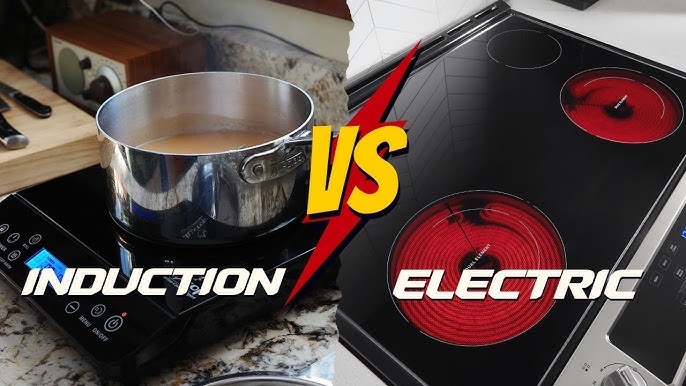
Induction cooktops heat pots and pans directly, not the cooktop surface. This makes cooking faster and safer. They also use less energy than traditional electric cooktops.
How Induction Cooktops Operate
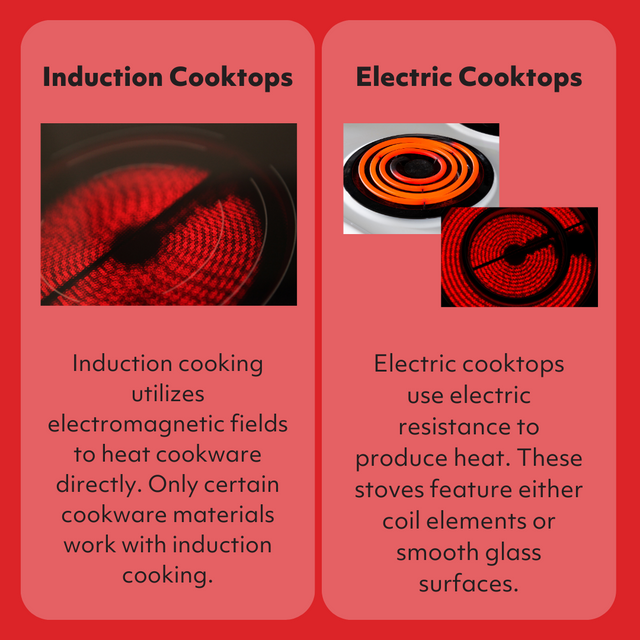
Induction cooktops use magnetic fields to heat cookware. An electric current runs through a coil under the glass surface. This current creates a magnetic field that heats metal pots and pans.
The cooktop surface stays cool because it does not produce heat directly. Only the cookware gets hot. This method is very efficient and reduces heat loss.
Unique Features Of Induction Cooking
Induction cooking is fast and precise. You can change the heat level instantly. This helps you cook delicate dishes with better control.
Induction cooktops are easy to clean. The smooth glass surface stays cool, so food spills do not burn onto it. Safety features often include automatic shutoff and child locks.
Comparing Heat Sources
Choosing between an electric cooktop and an induction cooktop means understanding how their heat sources work. Both use electricity, but their heating methods differ. This affects cooking speed, control, and energy use. Comparing these heat sources helps you pick the right cooktop for your kitchen.
Electric Coil Vs. Induction Heating
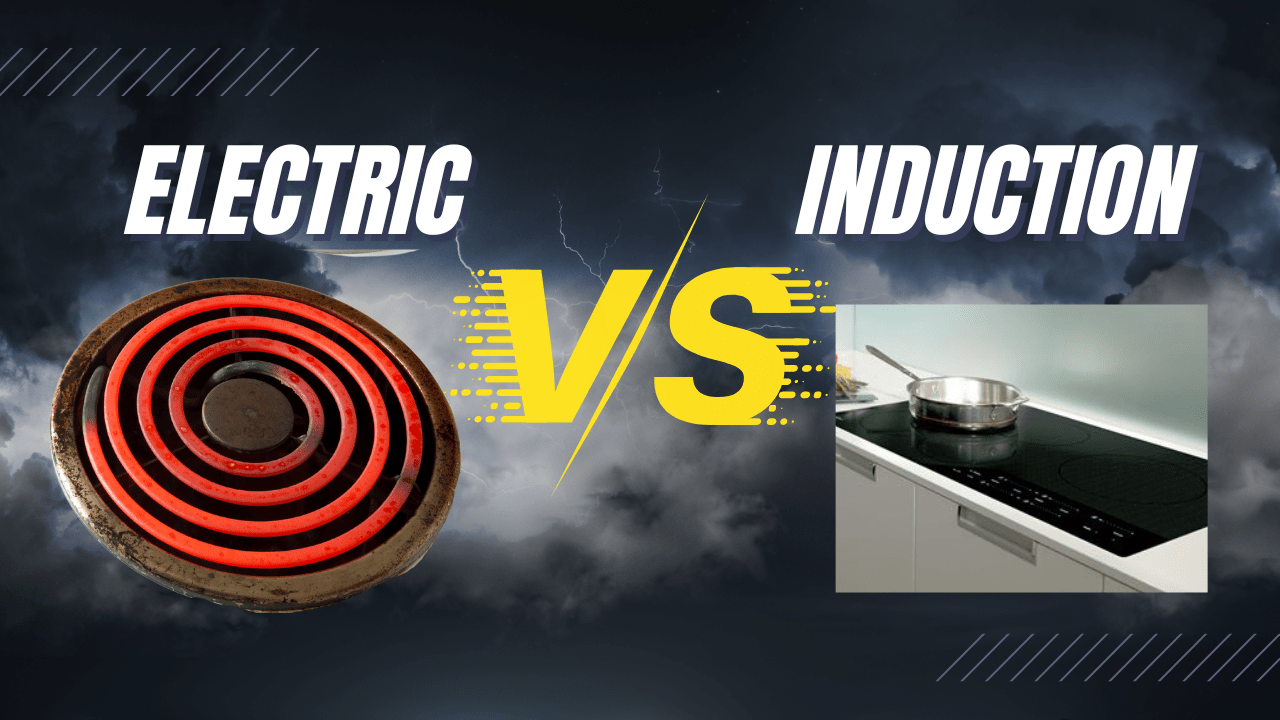
Electric coil cooktops heat by passing electricity through metal coils. The coils get hot and transfer heat to the cookware. This process takes time to warm up and cool down.
Induction cooktops use magnetic fields to heat pots directly. The cooktop surface stays cool because heat forms inside the pan. This method heats food faster and stops quickly when turned off.
Efficiency And Heat Distribution
Electric coils lose heat to the air around the pan. This makes them less efficient because some energy wastes as heat.
Induction cooktops send energy straight to the pan. This makes them more efficient and saves electricity.
Heat spreads unevenly on electric coils, causing hot spots. Induction provides even heat, cooking food more uniformly.
Cookware Compatibility
Cookware compatibility is key when choosing between electric and induction cooktops. Not all pots and pans work well with both types. Understanding which materials suit each cooktop helps you avoid frustration and wasted money. This section explains what works best on electric cooktops and which cookware is needed for induction cooking.
Materials For Electric Cooktops
Electric cooktops heat through a coil or glass surface. They work with many types of cookware. Stainless steel, aluminum, copper, and cast iron all perform well on electric cooktops. The heat spreads evenly across flat-bottomed pans. Non-stick pans also work fine as long as their base is flat. No special magnetism is needed to cook on electric cooktops.
Induction-friendly Cookware
Induction cooktops use magnetic fields to heat pots directly. Cookware must be magnetic to work. Cast iron and some stainless steel pans are induction-friendly. Aluminum, copper, and glass will not work unless they have a magnetic base. A simple test is to check if a magnet sticks to the pan’s bottom. If it does, the pan works on an induction cooktop.
Safety Considerations
Safety is an important factor when choosing between electric and induction cooktops. Understanding the risks and benefits helps keep kitchens safe. Both types use electricity but work differently. These differences affect how safe they are during daily use.
Risks With Electric Cooktops
Electric cooktops use heating elements that get very hot. The surface stays hot even after turning off the cooktop. This can cause burns if touched accidentally.
Spilled food or liquids on the hot surface can cause smoke or fire. Electric cooktops may take longer to cool down, increasing burn risks.
Children and pets near the cooktop can get hurt by touching the hot areas. Electric cooktops may not have automatic shut-off features. This raises the chance of accidents if someone forgets to turn it off.
Safety Advantages Of Induction
Induction cooktops use magnetic fields to heat pots and pans. The cooktop surface stays cool because it does not produce direct heat.
This reduces burn risks. Touching the cooktop is safer even when cooking. Induction cooktops often have sensors that detect if a pot is present.
They automatically turn off if no pot is detected. This helps avoid accidents and saves energy. Induction cooktops also cool down quickly after use.
They reduce fire risks since they don’t rely on an open heating element. This makes induction safer for families and busy kitchens.
Credit: www.youtube.com
Energy Consumption
Energy consumption is a key factor when choosing between electric and induction cooktops. It affects your utility bills and the environment. Understanding how each type uses power helps make a smart choice for your kitchen.
Power Usage Of Electric Cooktops
Electric cooktops use heating elements that get hot to cook food. These elements draw a steady amount of electricity while on. Some heat is lost to the air around the cooktop. This makes electric cooktops less efficient in power use.
They usually take more time to heat up compared to induction cooktops. Longer cooking times mean more electricity used overall. The heat spreads unevenly, which can increase cooking time and energy waste.
Energy Efficiency Of Induction
Induction cooktops use magnets to heat pots directly. The cooktop surface stays cool while the pot heats up fast. This direct heating saves a lot of energy.
Induction cooktops convert most of the electricity into heat for cooking. This reduces wasted energy and lowers your electric bills. Cooking happens quicker, so you use less power over time.
They also cool down faster, preventing extra energy use. Induction cooktops offer a more energy-efficient way to cook than traditional electric models.
Cost And Installation
Understanding the cost and installation of electric and induction cooktops helps you make a smart choice. Both options have different price points and installation needs. Knowing these details can save money and avoid surprises.
Pricing Differences
Electric cooktops usually cost less than induction cooktops. Basic models start at a low price, making them affordable for most budgets. Induction cooktops tend to be more expensive because of their advanced technology. The price gap can be quite noticeable depending on the brand and features. You pay extra for faster cooking and energy efficiency with induction.
Installation Requirements
Electric cooktops need a standard electrical outlet and simple setup. Most homes can install them without major changes. Induction cooktops often require a stronger power supply. Some need a dedicated circuit to handle the high electricity demand. Installation may take longer and cost more due to these electrical upgrades. Both types should be installed by a professional for safety.
Maintenance And Cleaning
Keeping your cooktop clean and well-maintained is important. It helps your kitchen look nice and keeps your cooktop working well. Different cooktops need different care. Knowing how to clean and maintain electric and induction cooktops can save you time and money.
Cleaning Electric Cooktops
Electric cooktops have coil or smooth glass surfaces. Wipe the surface with a damp cloth after cooking. Use mild soap for sticky spills. Avoid harsh cleaners that can scratch the surface. For coil burners, remove them carefully and clean with warm soapy water. Dry them well before putting back. Clean the drip pans to avoid bad smells and stains.
Maintaining Induction Surfaces
Induction cooktops have smooth glass surfaces that heat through magnets. Use a soft cloth and gentle cleaner to wipe spills. Avoid steel wool or abrasive pads that can damage the glass. Clean spills quickly to stop them from burning onto the surface. Check the cooktop for cracks or damage regularly. Use cookware with flat bottoms to avoid scratching the glass.
Performance In Cooking
Performance in cooking is a key factor when choosing between electric cooktops and induction cooktops. Both types offer unique features that affect how food cooks. Understanding their differences helps you decide which fits your kitchen needs best.
Cooking performance depends on how well a cooktop controls temperature and how quickly it responds to changes. These aspects influence the final taste and texture of your meals.
Temperature Control
Electric cooktops use heating elements that heat up and cool down slowly. This slow change can make precise temperature control harder. Small adjustments take time to show results.
Induction cooktops heat cookware directly using magnetic fields. This method allows quick and accurate temperature changes. You can lower or raise heat instantly for better cooking control.
Cooking Speed And Responsiveness
Electric cooktops take longer to heat up and cool down. This delay can slow down cooking and affect timing. It may cause food to cook unevenly or burn if not watched closely.
Induction cooktops heat up very fast. The heat stops almost immediately when turned off. This speed helps prevent overcooking and saves time in the kitchen.
Credit: sawhorse.net
Credit: www.friedmansappliance.com
Frequently Asked Questions
What Is The Difference Between Electric And Induction Cooktops?
Electric cooktops use radiant heat from coils or glass elements. Induction cooktops use magnetic fields to heat cookware directly. Induction is faster and more energy-efficient. Electric cooktops work with any cookware, while induction requires ferromagnetic pots.
Are Induction Cooktops Safer Than Electric Cooktops?
Yes, induction cooktops are safer. They heat only the cookware, not the cooktop surface. This reduces burn risks. Electric cooktops stay hot longer after use, increasing burn chances. Induction also cools faster and offers better temperature control.
Can I Use Any Cookware On Induction Cooktops?
No, induction cooktops require ferromagnetic cookware. Cast iron, stainless steel, and some magnetic pans work well. Glass, aluminum, and copper cookware won’t heat properly on induction. You can test cookware with a magnet to check compatibility.
Which Cooktop Is More Energy-efficient: Induction Or Electric?
Induction cooktops are more energy-efficient. They transfer heat directly to cookware, reducing heat loss. Electric cooktops lose more heat to the surrounding air. Induction also cooks faster, saving energy and time. This makes induction a greener cooking option.
Conclusion
Electric cooktops and induction cooktops work differently. Electric cooktops use heat from coils or glass tops. Induction cooktops heat pots directly using magnets. This makes induction faster and more energy-efficient. Both have their pros and cons. Your choice depends on your cooking style and budget.
Knowing these differences helps you pick the best option. Cook safely and enjoy your meals every day. Simple and smart choices make cooking easier.

Hello, This is Annie Walker, a 38-year-old blogger, founder, and editor of Cookware Guider from NY, USA. I am a cookware fanatic and passionate cooker. I love to cook with different types of cooking appliances (example: all types of cookware, rice cookers, slow cookers, etc) almost every day in my kitchen. I love to share my experience with my readers in my blog. Also, I enjoy helping people to solve their problems through my website. You can follow me on Twitter & Pinterest. To know details about my blog please check the about us page.