
Baking with glass bakeware is a skill that can transform your results in the kitchen. Many home bakers love glass for its even heating and beautiful presentation, but it does have unique challenges. If you’ve ever wondered how to get the best from your glass baking dishes, this guide is packed with practical tips, science-backed facts, and step-by-step advice. Whether you’re a beginner or looking to perfect your technique, you’ll find everything you need to bake with confidence.
Why Choose Glass Bakeware?
Glass bakeware has been a favorite in kitchens for decades. Its main appeal lies in the way it distributes heat. Unlike thin metal pans, glass heats slowly but retains warmth longer. This makes it ideal for dishes that benefit from gentle, even cooking—think casseroles, lasagna, and desserts like brownies.
Another advantage is visibility. You can easily check the browning of your crust or the doneness of your dish without opening the oven. Plus, glass is non-reactive, meaning it won’t interact with acidic ingredients like tomatoes or citrus, preserving the taste and color of your food.
Yet, glass isn’t perfect for every recipe. It takes longer to heat up and can shatter if exposed to rapid temperature changes. Understanding these differences is key to using glass bakeware successfully.
How Glass Bakeware Compares To Metal And Ceramic
When deciding on bakeware, it’s helpful to see how glass stacks up against metal and ceramic options. Here’s a quick comparison:
| Bakeware Type | Heat Conductivity | Best For | Weaknesses |
|---|---|---|---|
| Glass | Slow to heat, retains heat well | Casseroles, baked pasta, custards, lasagna | Can shatter with rapid temperature changes |
| Metal (Aluminum/Steel) | Heats up and cools down quickly | Cakes, cookies, bread, roasting | Can react with acidic foods, uneven browning |
| Ceramic | Similar to glass, slightly more forgiving | Gratins, baked eggs, cobblers | Heavy, slower to heat |
Many recipes are written for metal pans. If you switch to glass, you need to adjust time and temperature for the best results.
Essential Tips For Baking In Glass Bakeware
Baking with glass is easy with a few core tips:
- Lower the Oven Temperature: Glass holds heat longer. Reduce the recipe’s suggested temperature by 25°F when using glass. For example, if the recipe calls for 350°F, set your oven to 325°F.
- Check Early for Doneness: Glass can brown edges faster. Start checking your dish about 10 minutes before the shortest suggested baking time.
- Avoid Sudden Temperature Changes: Never move a glass dish from the fridge or freezer straight into a hot oven. The glass can crack or shatter.
- Grease Well: Food can stick more to glass. Coat your dish with butter or nonstick spray, especially for baked goods.
- Use the Middle Rack: Placing glass near a heating element can cause uneven baking or even breakage.
Many new bakers overlook the importance of preheating the oven. Always let your oven reach full temperature before placing glass inside. This allows the glass to heat evenly and reduces the risk of breakage.
Step-by-step: Baking A Simple Recipe In Glass
Let’s go through a basic process using glass bakeware. Imagine you’re making brownies—a classic recipe where glass really shines.
Ingredients
- 1/2 cup (1 stick) unsalted butter, melted
- 1 cup granulated sugar
- 2 large eggs
- 1 teaspoon vanilla extract
- 1/3 cup unsweetened cocoa powder
- 1/2 cup all-purpose flour
- 1/4 teaspoon salt
- 1/4 teaspoon baking powder
Directions
- Preheat Oven to 325°F (not 350°F, since you’re using glass).
- Grease Your Glass Pan (8×8 inches) with butter or nonstick spray.
- Mix Wet Ingredients: In a bowl, combine melted butter, sugar, eggs, and vanilla. Mix until smooth.
- Add Dry Ingredients: Add cocoa, flour, salt, and baking powder. Stir gently until just combined.
- Pour into Pan: Spread batter evenly in the prepared glass dish.
- Bake for 30–35 minutes. Check at 25 minutes by inserting a toothpick in the center—when it comes out with a few moist crumbs, the brownies are done.
- Cool Before Slicing: Allow the glass dish to cool on a rack before cutting. This prevents the brownies from sticking and helps the glass cool gradually.
Pro tip: If you often struggle with overbaked edges, line the bottom of your glass pan with parchment paper. It helps release brownies easily and protects the glass from scratches.
Common Mistakes When Baking In Glass
Many home bakers have experienced problems with glass bakeware. Here are some mistakes to avoid:
- Placing cold glass in a hot oven: Sudden heat can cause thermal shock, resulting in cracks or shattering.
- Broiling in glass: Most glass bakeware isn’t made for broiling or direct heat. Avoid placing it under the broiler.
- Ignoring recipe adjustments: Failing to lower temperature or check early can lead to burnt edges or undercooked centers.
- Using scratched or chipped glass: Damaged glass is more likely to break during baking. Replace old or damaged pieces.
- Skipping oven preheat: Putting glass in an oven that’s still heating can create hot spots and stress the dish.
How To Adjust Recipes For Glass Bakeware
Since many recipes are designed for metal pans, you’ll need to adjust:
- Temperature: As mentioned, always lower by 25°F.
- Baking Time: Start checking for doneness at least 10 minutes before the shortest recommended time.
- Browning: If the top is browning too fast, cover loosely with foil in the last 10–15 minutes.
Here’s a quick reference for temperature adjustment:
| Recipe Temp (Metal) | Adjust for Glass | Check for Doneness (Before) |
|---|---|---|
| 350°F | 325°F | 10 mins early |
| 400°F | 375°F | 10 mins early |
| 425°F | 400°F | 10 mins early |
Cleaning And Caring For Glass Bakeware
Proper care extends the life of your glass dishes. Here’s how to keep them in top shape:
- Let cool before washing: Never wash hot glass in cold water. Let it cool to room temperature first.
- Hand wash when possible: Dishwasher is usually safe, but hand washing prevents etching and extends the shine.
- Avoid abrasive cleaners: Use gentle sponges. Abrasives can scratch and weaken the surface.
- Check for chips or cracks: If you spot damage, retire the dish from baking use.
- Store carefully: Stack with paper towels or cloth in between to avoid scratching.
If you notice stubborn stains or baked-on food, soak the dish with warm water and baking soda for 30 minutes before washing.
Glass Bakeware For Different Types Of Recipes
Certain recipes work better in glass, while others are best left for metal or ceramic. Here’s a quick guide to help you choose:
| Recipe Type | Glass Bakeware | Recommended? |
|---|---|---|
| Brownies & Bar Cookies | Yes | ✅ |
| Cakes | Yes, but adjust time/temp | ✅ |
| Casseroles | Ideal | ✅ |
| Bread | No (can overbake crust) | ❌ |
| Roasts | Possible, but not best | ⚠️ |
| Pies | Great for seeing crust color | ✅ |
Non-obvious insight: Many bakers don’t realize that glass is perfect for fruit pies and quiches. The see-through sides make it easy to tell when the bottom crust is golden—a common struggle with metal pans.
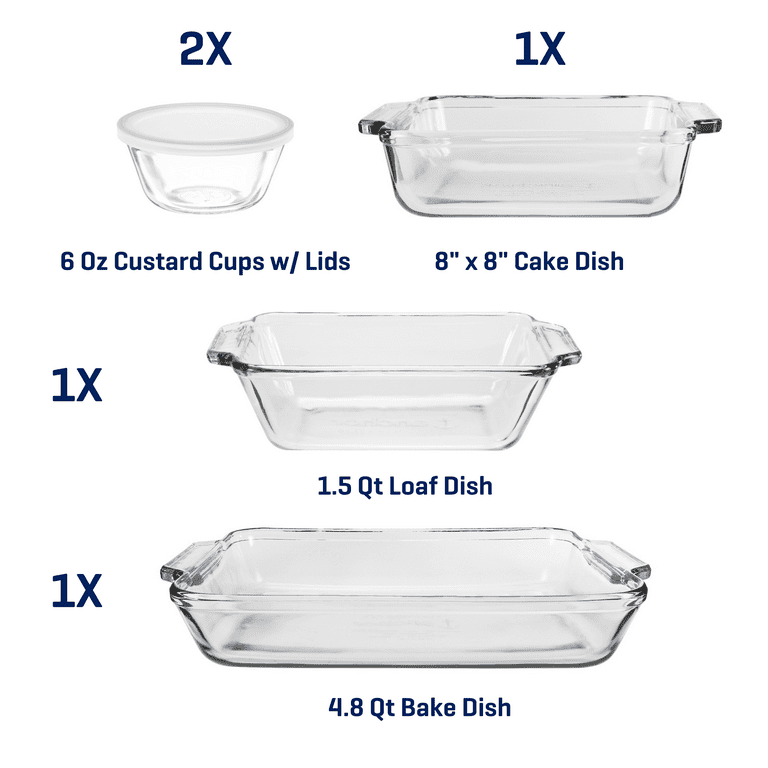
Credit: www.limesacademy.com
Safety Tips For Baking With Glass
Glass is sturdy, but not indestructible. Safety is essential:
- Never use on the stovetop: Glass bakeware is designed for the oven only.
- Avoid extreme temperature changes: For example, don’t add cold liquid to a hot glass pan.
- Don’t use damaged dishes: Even small chips can lead to breakage during baking.
- Use oven mitts: Glass holds heat long after it leaves the oven.
- Read manufacturer’s instructions: Some brands have special rules for max temperature or dishwasher use.
One overlooked safety tip: If you’re baking a dish with a high liquid content (like a fruit cobbler), place the glass pan on a baking sheet. This not only catches spills, but also helps distribute heat more evenly and reduces the risk of a cracked dish due to sudden drops of cold filling.
Troubleshooting: Common Problems And How To Fix Them
Even experienced bakers can run into problems with glass. Here’s how to solve them:
- Cracked or shattered glass: Usually caused by thermal shock. Always let glass come to room temperature before moving between hot and cold.
- Burnt edges, undercooked center: Lower oven temperature and check early. Cover edges with foil if needed.
- Sticking food: Grease or line with parchment paper. Let the dish cool before trying to remove food.
- Cloudy or etched glass: Avoid harsh cleaners and let the dish dry completely before storing.
If you’re new to glass, practice with simple recipes first. As you get comfortable, you’ll learn how your particular dish performs.
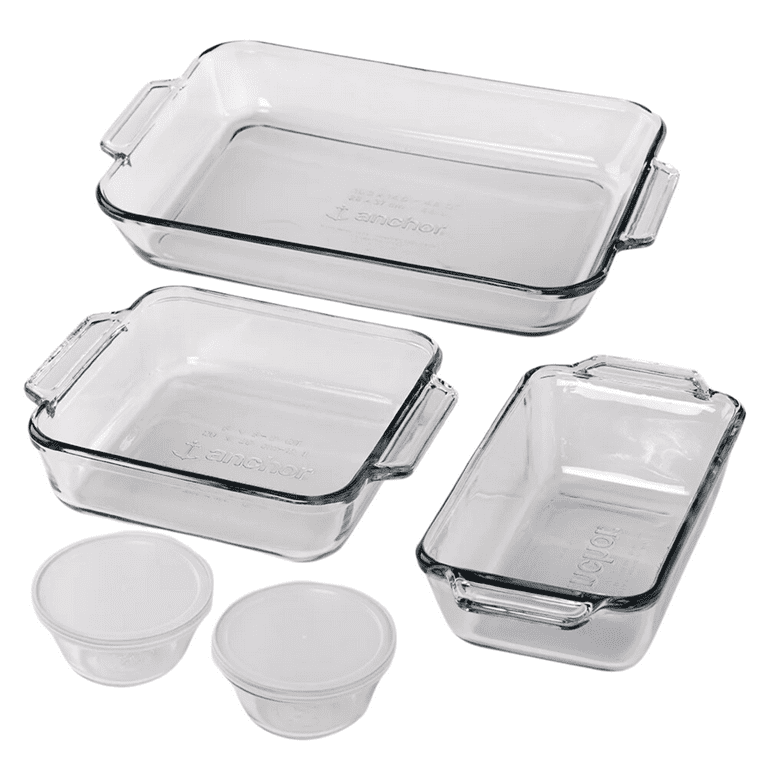
Credit: www.walmart.com
Extra Tips Most Beginners Don’t Know
- Older glass is not always oven-safe. Vintage dishes may not have the same safety standards as modern ones. Always check for manufacturer’s marks and recommended use.
- Don’t preheat an empty glass dish. Always have food or liquid inside before putting it in the oven. This helps prevent stress on the glass.
Frequently Asked Questions
Is Glass Bakeware Better Than Metal?
Each has pros and cons. Glass is best for even cooking and visual checks, but heats slower. Metal is better for quick, high-heat baking, like cookies and bread.
Can I Use Glass Bakeware For All Recipes?
No. Some recipes, especially those needing a crisp crust (like certain breads), turn out better in metal. Glass is ideal for casseroles, pies, and brownies.
How Can I Keep My Glass Pan From Breaking?
Avoid sudden temperature changes, don’t use on direct heat or broiler, and replace any chipped or cracked dishes.
Why Do Recipes Say To Lower The Oven Temperature For Glass?
Glass holds heat longer, so lowering the temperature prevents burning or overbaking. Always reduce by 25°F from the recipe’s suggested temp for metal pans.
Is It Safe To Put Glass Bakeware In The Dishwasher?
Most modern glass bakeware is dishwasher safe, but hand washing is gentler. Always check the manufacturer’s instructions for your specific dish. For more details on glass bakeware safety, see Wikipedia’s bakeware page.
Baking with glass bakeware can make your dishes look and taste better—with fewer surprises. By following these tips and understanding how glass works, you’ll be able to adapt any recipe and bake with confidence. Happy baking!
:max_bytes(150000):strip_icc()/sea-product-metal-vs-glass-irvin-lin-05.jpg-37d399a6767048f89674cd5310e5c5b8.jpg)
Credit: www.seriouseats.com

Hello, This is Annie Walker, a 38-year-old blogger, founder, and editor of Cookware Guider from NY, USA. I am a cookware fanatic and passionate cooker. I love to cook with different types of cooking appliances (example: all types of cookware, rice cookers, slow cookers, etc) almost every day in my kitchen. I love to share my experience with my readers in my blog. Also, I enjoy helping people to solve their problems through my website. You can follow me on Twitter & Pinterest. To know details about my blog please check the about us page.