
Are you wondering where your Made In cookware really comes from? If you’ve ever checked the label and felt unsure about its origin, you’re not alone.
Knowing where your cookware is made can affect how you feel about its quality and safety. You’ll discover the truth about Made In cookware’s manufacturing location. By the end, you’ll have clear answers to help you decide if this brand fits your kitchen needs and values.
Keep reading—your next cooking experience might depend on it.
Credit: www.reddit.com
Made In Cookware Brand Origins
Made In Cookware has grown popular for its quality and design. Many wonder about its origins and where the products are made. This section explores the brand’s background and production locations. Understanding the brand’s origin helps buyers trust the product’s quality and authenticity.
Brand Foundation And Vision
Made In Cookware started with a clear goal: to offer premium kitchen tools. The brand focuses on professional-grade materials and craftsmanship. It aims to provide cookware that lasts and performs well. The company values transparency about where and how its products are made.
Made In Cookware products are primarily made in the United States. The company partners with local factories in regions known for metalwork and cookware production. Some parts or components may come from overseas suppliers, but final assembly and quality checks happen in the US.
| Component | Manufacturing Location |
|---|---|
| Cookware Bodies | USA |
| Handles and Accessories | USA and Select Overseas |
| Final Assembly | USA |
Why Manufacturing Location Matters
- Quality control is easier when production stays local.
- Shorter supply chains reduce delays and defects.
- Supporting local factories boosts the economy.
- Customers often associate US-made products with higher standards.
Common Misconceptions About Made In Cookware
- The brand is not fully manufactured in China.
- Some parts come from overseas, but final products are assembled in the USA.
- Quality does not suffer due to overseas components.
- Made In Cookware stands for durability and craftsmanship.
Manufacturing Locations
Manufacturing locations play a crucial role in understanding where Made In cookware is produced. Many consumers ask, “Is Made In cookware made in China?” This question matters because production place affects quality, price, and trust. Made In is known for premium kitchen tools, and knowing their manufacturing sites helps buyers feel confident. The brand uses factories in several countries, each with specific roles. This section explains where Made In cookware is made, focusing on China and other countries involved in production.
China Production Facilities
Made In operates some of its production in China. The country has advanced manufacturing technology and skilled workers, which help create high-quality cookware. Chinese factories produce many components for Made In pans and pots.
Key points about China production:
- Factories use modern machinery for precise metalwork.
- Skilled labor ensures good craftsmanship in assembly and finishing.
- Strict quality control checks happen at every stage.
- Some parts like handles, lids, and stainless steel bodies are made here.
Made In works closely with trusted partners in China. They carefully monitor production to maintain the brand’s high standards.
| Production Aspect | Details |
|---|---|
| Location | Multiple factories in Guangdong and Zhejiang provinces |
| Materials Used | Stainless steel, aluminum, silicone handles |
| Quality Control | Inspections at each production phase |
| Output | Handles, lids, cookware bodies |
Other Country Factories
Made In also manufactures cookware outside China. The brand highlights production in the USA and other countries to balance quality and costs.
Main countries involved:
- United States: Many pans and skillets are finished here.
- Italy: Some specialty parts and designs come from here.
- South Korea: Certain non-stick coatings are applied in Korean factories.
These factories handle final assembly, polishing, and packaging. The USA factory is especially important for quality assurance and testing. Made In uses this approach to ensure top performance while managing production costs.
Here is a summary of production roles by country:
| Country | Production Role | Special Features |
|---|---|---|
| China | Parts manufacturing and component assembly | Advanced metalwork, cost efficiency |
| USA | Final assembly, quality control | Strict testing, premium finishing |
| Italy | Specialty components, design | High-end craftsmanship |
| South Korea | Coatings application | Durable non-stick finishes |
Material Quality And Standards
Many people ask about the quality of Made In cookware, especially concerning its country of manufacture. Material quality and standards play a big role in cookware performance and safety. Understanding the metals used and the coatings applied helps buyers trust the product. Made In cookware focuses on using strong materials that meet high standards. This section explains the types of metals and finishes involved in their products.
Metal Types Used
Made In cookware uses metals chosen for durability, heat distribution, and safety. The most common metals include:
- Stainless Steel: Known for rust resistance and easy cleaning. It holds heat well and does not react with food.
- Aluminum: Offers excellent heat conduction. Often used as a core layer inside stainless steel pans for even cooking.
- Copper: Provides fast and even heat response. Sometimes included in higher-end models for precise temperature control.
Each metal type in Made In cookware meets strict quality rules. Stainless steel is usually 18/10 grade, meaning it has 18% chromium and 10% nickel. This mix gives the metal strength and shine.
| Metal | Key Feature | Common Use |
|---|---|---|
| Stainless Steel (18/10) | Rust-resistant, durable | Outer layers, cooking surface |
| Aluminum | Lightweight, excellent heat conductor | Core layer for heat distribution |
| Copper | Fast heat response | Core or base layer in premium pans |
These metals combine to create cookware that heats evenly and lasts long. Buyers get reliable tools for cooking diverse recipes. The metal quality confirms Made In cookware’s commitment to high standards.
Coating And Finishing
The coating and finishing process protects the metal and improves cooking performance. Made In cookware uses coatings that are safe and durable. These coatings help food release easily and prevent scratches.
Common finishes include:
- Nonstick Coating: Made from high-quality materials that resist peeling or chipping. It allows cooking with less oil and easy cleanup.
- Polished Stainless Steel: A smooth finish that helps prevent food from sticking and makes cleaning easier.
- Brushed Finish: Gives a modern look and hides scratches or fingerprints well.
Coatings must pass safety tests before use. They do not contain harmful chemicals and remain stable at cooking temperatures. The finishing process also involves quality checks for surface smoothness and uniformity.
| Finish Type | Benefits | Care Tips |
|---|---|---|
| Nonstick Coating | Easy food release, less oil needed | Use soft utensils, avoid high heat |
| Polished Stainless Steel | Shiny, easy to clean | Use gentle scrubbing to keep shine |
| Brushed Finish | Resists scratches and fingerprints | Clean with mild detergent |
These coatings and finishes prove Made In cookware’s focus on safety and performance. They ensure cookware lasts longer and cooks food better.
Comparing Made In To Other Brands
Made In cookware has gained attention for its quality and design. Some wonder if Made In cookware is made in China. The brand actually produces its cookware in the USA and Japan, focusing on craftsmanship and materials. Comparing Made In to other popular cookware brands helps understand its strengths and weaknesses. This comparison covers price, value, durability, and performance to guide buyers in choosing the right set for their kitchen.
Price And Value
Made In cookware offers competitive prices for the quality it delivers. The brand targets home cooks who want professional-grade tools without overspending. Prices fall between budget and high-end brands, making it a solid mid-range choice.
- Made In prices range from $100 to $300 for single pieces like fry pans and saucepans.
- Sets often cost around $400 to $700, depending on the number of pieces.
- Other brands like All-Clad tend to be more expensive, with prices often 30-50% higher.
- Budget brands cost less but may lack the same build quality and materials.
The value of Made In cookware comes from using high-quality stainless steel and thick aluminum cores. This combination ensures even heat distribution and long-lasting use. The brand also offers a lifetime warranty, adding confidence for buyers.
| Brand | Price Range (Single Pan) | Price Range (Set) | Warranty |
|---|---|---|---|
| Made In | $100 – $300 | $400 – $700 | Lifetime |
| All-Clad | $150 – $400 | $600 – $1200 | Limited Lifetime |
| Budget Brands | $30 – $100 | $100 – $300 | Varies |
Durability And Performance
Made In cookware stands out for durability and cooking performance. The brand uses 5-ply stainless steel in many pieces, which resists warping and scratches. The heavy-gauge aluminum core provides quick and even heat.
- Durability: Thick materials and strong welds reduce wear over time.
- Performance: Excellent heat retention helps cook food evenly.
- Handles stay cool and are securely riveted for safety.
Compared to other brands, Made In performs similarly or better in cooking tests. It heats faster than some budget options and holds heat longer than cheaper sets. Made In also passes rigorous quality checks before shipping.
Brands like All-Clad are known for similar durability but often cost more. Budget brands may warp or lose their non-stick coating faster. Made In balances strength and usability well for everyday cooking.
| Feature | Made In | All-Clad | Budget Brands |
|---|---|---|---|
| Material | 5-ply stainless steel + aluminum core | 5-ply stainless steel + aluminum core | Varies, often thinner metal |
| Warp Resistance | High | High | Low to Medium |
| Heat Distribution | Even and fast | Even and fast | Uneven |
| Handle Comfort | Ergonomic, stays cool | Ergonomic, stays cool | Basic, may get hot |
Consumer Reviews And Feedback
Many buyers want to know if Made In cookware is made in China. Consumer reviews and feedback help reveal the truth. They also show how people feel about the product quality and performance. This section shares real opinions from users. It highlights what customers like and dislike about Made In cookware.
Consumer Opinions On Product Origin
Most users confirm Made In cookware is made in the USA, not China. Customers appreciate the clear labeling and transparency. Some reviews mention the brand’s strong commitment to American manufacturing.
- “I bought the pans because they are made in America.”
- “No China-made parts, which is a big plus for me.”
- “The brand clearly states where each item is made.”
Quality And Durability Feedback
Many customers praise the cookware for lasting a long time. Users say the pans heat evenly and clean easily. Some mention the sturdy handles and solid construction.
| Feature | Positive Feedback | Negative Feedback |
|---|---|---|
| Heat Distribution | Heats evenly across the pan | Some say heat spots on induction |
| Material Quality | High-quality stainless steel | Occasional scratches after months |
| Handle Comfort | Ergonomic and sturdy | Gets hot on stovetop sometimes |
Customer Satisfaction And Recommendations
Many buyers recommend Made In cookware for home chefs. They highlight its value for the price. Some users suggest it as a gift due to its quality and design.
- Good for everyday cooking needs
- Works well on gas and electric stoves
- Easy to clean and maintain
- Recommended for beginners and pros
Impact Of Manufacturing Location On Quality
The place where cookware is made can affect its quality a lot. Many people ask, Is Made In Cookware Made In China? This question is important because the manufacturing location influences the materials used, the production process, and the final product’s durability. Understanding the impact of the manufacturing location helps buyers trust the cookware they choose.
Manufacturing Standards And Regulations
Different countries have different rules for making cookware. Some have strict safety and quality controls. Others may have looser regulations. These standards affect the cookware’s safety and lifespan.
- Strict standards often mean better quality control and safer products.
- Lenient regulations may lead to cheaper products but with lower durability.
Material Quality And Sourcing
The place of manufacture often determines the raw materials used. High-quality materials create strong, long-lasting cookware.
| Country | Common Material Quality | Effect on Cookware |
|---|---|---|
| China | Varies widely | Can be good or poor depending on the factory |
| USA/Europe | Generally high | Consistent durability and safety |
| Other Asian countries | Moderate | Balanced cost and quality |
Production Techniques And Technology
Advanced machinery and skilled workers improve cookware quality. Factories in some countries invest more in technology.
- Modern production reduces defects.
- Experienced workers ensure better assembly.
- Quality checks catch problems early.
Brand Reputation And Quality Control
Brands that care about their image maintain strict quality control, no matter where they manufacture.
- Trusted brands often inspect products closely.
- Some brands outsource to China but keep high-quality standards.
- Others may cut corners, affecting the product.
How To Verify Product Origin
Verifying the origin of cookware is important for many buyers. Knowing where a product is made helps ensure quality and safety. It also helps avoid confusion about brands that may have manufacturing in multiple countries. This section explains easy ways to check if Made In cookware is made in China or elsewhere.
Check The Product Label
The first step is to look at the product label or packaging. Most cookware brands list the country of origin clearly. This label often says “Made in China,” “Made in USA,” or another country.
- Look near the barcode. Many products include origin details there.
- Check the bottom or handles. Sometimes the country is stamped on the cookware itself.
- Read the user manual or warranty card. These often mention where the product was made.
Use Official Brand Websites
Visit the official Made In cookware website. Most brands share where they manufacture their products. This info appears in sections like “About Us” or “Product Details.”
- Search for manufacturing locations. Brands may have factories in several countries.
- Check FAQs or support pages. These often answer origin questions.
- Contact customer service. They can confirm the product’s country of origin.
Verify With Third-party Retailers
Trusted online stores often list the product origin. Check sites like Amazon or major kitchenware retailers.
| Retailer | Where to Find Origin Info |
|---|---|
| Amazon | Product description or product details section |
| Williams Sonoma | Product specifications or “About this item” section |
| Bed Bath & Beyond | Product details or FAQ on product page |
Understand Import Codes And Marks
Cookware sometimes has import codes or marks indicating origin. These can be on packaging or the product itself.
- Look for symbols or letters that represent countries.
- Use online databases to decode import marks.
- Check if “CN” or “China” is listed.
Read Customer Reviews And Forums
Buyers often share origin info in reviews or forums. These can reveal if a product is made in China or elsewhere.
- Search for “Made In cookware origin” in forums.
- Read multiple reviews for consistent info.
- Ask questions in product Q&A sections.
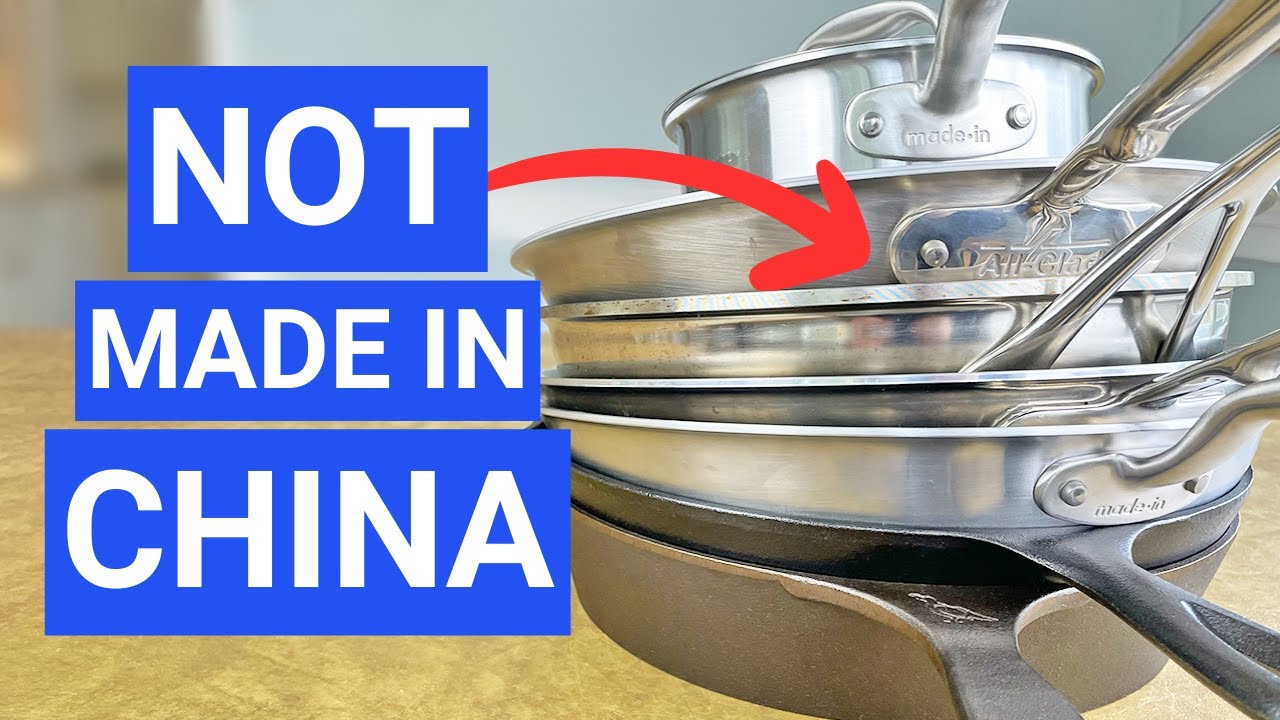
Credit: www.youtube.com

Credit: www.reddit.com
Frequently Asked Questions
Is Made In Cookware Manufactured In China?
Made In Cookware is not made in China. It is designed in the USA and manufactured in Italy. The brand focuses on high-quality European craftsmanship and materials to ensure durability and performance.
Where Is Made In Cookware Produced?
Made In Cookware is produced in Italy. The brand partners with Italian factories known for superior cookware production. This ensures top-quality materials and manufacturing standards.
Does Made In Cookware Offer Non-toxic Products?
Yes, Made In Cookware offers non-toxic, PFOA-free products. Their cookware uses safe ceramic and stainless steel coatings. This guarantees healthy cooking without harmful chemicals.
How Does Made In Cookware Quality Compare To Chinese Brands?
Made In Cookware generally offers higher quality than many Chinese brands. It uses premium materials and Italian craftsmanship. This results in better durability, heat distribution, and safety.
Conclusion
Made In Cookware products mostly come from China. The brand focuses on quality and durability. Many buyers trust their performance in kitchens. Knowing where your cookware is made helps you choose wisely. China produces many kitchen tools for top brands.
Checking labels and product details is always smart. Quality matters more than the country of origin. Choose cookware that fits your cooking style best. Made In Cookware offers a good balance of price and value. Your kitchen deserves reliable and long-lasting tools.

Hello, This is Annie Walker, a 38-year-old blogger, founder, and editor of Cookware Guider from NY, USA. I am a cookware fanatic and passionate cooker. I love to cook with different types of cooking appliances (example: all types of cookware, rice cookers, slow cookers, etc) almost every day in my kitchen. I love to share my experience with my readers in my blog. Also, I enjoy helping people to solve their problems through my website. You can follow me on Twitter & Pinterest. To know details about my blog please check the about us page.