
Are you tired of food sticking to your pans and making cooking a hassle? Nonstick cookware might be the simple solution you’ve been looking for.
But what exactly is nonstick cookware, and how can it change the way you cook? You’ll discover what makes these pans special, why they’re so popular, and how they can save you time and effort in the kitchen. Keep reading to find out how nonstick cookware can make your cooking experience easier and more enjoyable.
Nonstick Cookware Basics
Nonstick cookware makes cooking and cleaning easier. It prevents food from sticking to the pan surface. This type of cookware is popular in many kitchens. Knowing the basics helps you choose the right pan and use it well. Nonstick cookware comes in different types and materials, each with unique features and benefits. Understanding these basics lets you cook with less oil and enjoy smoother meal prep.
Materials Used
Nonstick cookware uses special materials that stop food from sticking. The most common materials include:
- Polytetrafluoroethylene (PTFE): Also known as Teflon. It is a synthetic chemical that creates a slick, nonstick surface.
- Ceramic coatings: Made from natural minerals. These coatings are free from chemicals like PTFE and offer a smooth cooking surface.
- Anodized aluminum: Aluminum treated to create a hard, nonstick surface. It is durable and heats evenly.
- Silicone: Used mainly for bakeware. It is flexible and nonstick, ideal for molds and trays.
Here is a simple table showing the common materials and their features:
| Material | Features | Typical Use |
|---|---|---|
| PTFE (Teflon) | Very slick, easy to clean, heat-sensitive | Frying pans, skillets |
| Ceramic Coating | Natural, chemical-free, less durable | Skillets, saucepans |
| Anodized Aluminum | Durable, evenly heats, nonstick | General cookware |
| Silicone | Flexible, nonstick, heat-resistant | Bakeware, molds |
Each material suits different cooking styles and preferences. Choose based on heat needs and cleaning ease.
How Nonstick Surfaces Work
Nonstick surfaces work by creating a smooth layer that stops food from sticking. This layer reduces friction between the food and pan. It helps food slide off easily during cooking and cleaning.
Here are key points on how these surfaces work:
- Low surface energy: Nonstick coatings repel food and liquids.
- Slick texture: Makes it hard for food to bond to the surface.
- Heat resistance: Coatings withstand cooking temperatures without breaking down.
- Durability: Good coatings resist scratches and wear.
The science behind this involves chemical and physical properties. For PTFE coatings, the molecules arrange tightly to form a slippery surface. Ceramic coatings use tiny particles that create a smooth finish. Both work to stop food from sticking.
Benefits of nonstick surfaces include:
- Use less oil or butter while cooking.
- Cook delicate foods like eggs and fish easily.
- Cleanup is faster and simpler.
Proper care keeps the nonstick surface effective. Avoid metal utensils and high heat. Use soft sponges to protect the coating. This way, the surface lasts longer and stays nonstick.
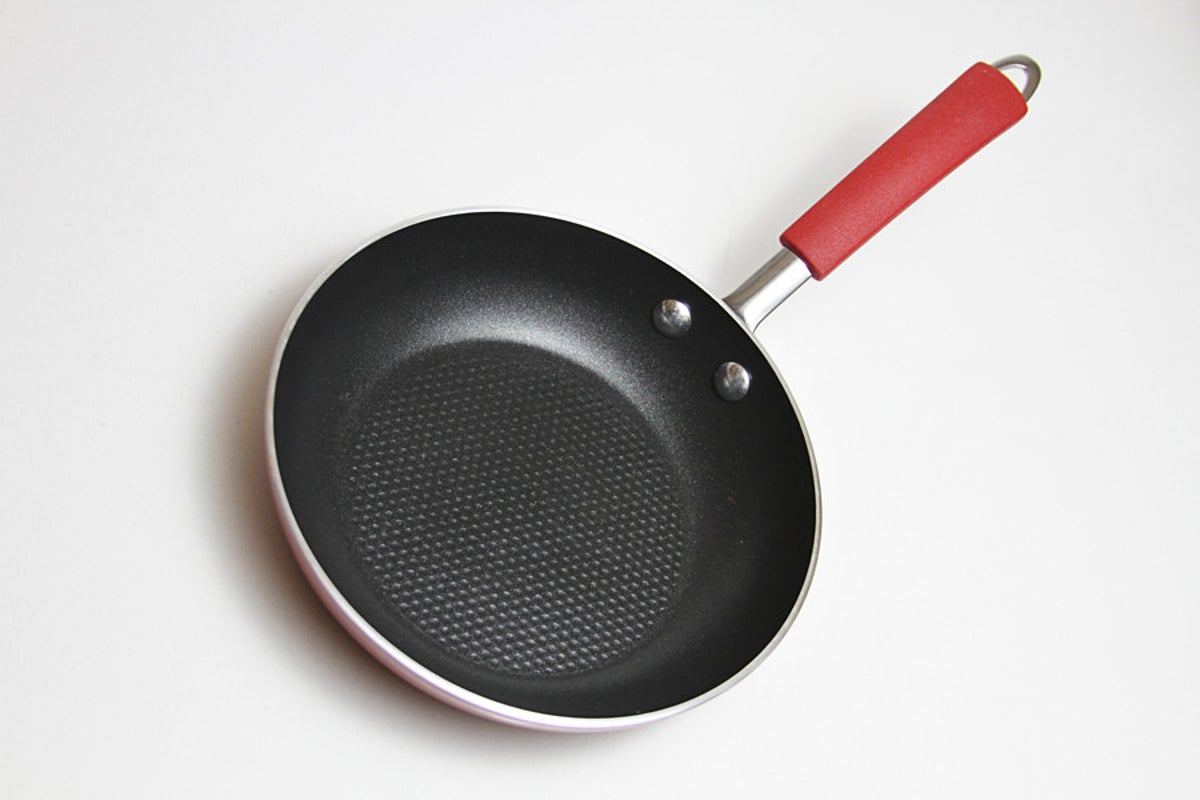
Credit: www.scientificamerican.com
Types Of Nonstick Coatings
Nonstick cookware makes cooking and cleaning easier by preventing food from sticking to the pan. The secret lies in the type of coating used on the cookware’s surface. Different coatings offer various benefits and durability levels. Understanding the main types of nonstick coatings helps choose the right cookware for your kitchen needs.
Ptfe-based Coatings
PTFE (Polytetrafluoroethylene) is the most common material for nonstick coatings. It creates a smooth, slippery surface that stops food from sticking. The brand name Teflon is the most famous example of PTFE coating.
Key features of PTFE coatings:
- Extremely low friction surface
- Easy food release and cleaning
- Works well for frying eggs, pancakes, and delicate foods
- Can withstand medium to high heat (up to about 500°F or 260°C)
- Requires careful use to avoid scratching
PTFE coatings need special care. Use wooden or silicone utensils to protect the surface. Avoid overheating the pan, as very high heat can damage the coating and release harmful fumes. Most PTFE-coated pans are lightweight and affordable, making them popular in many kitchens.
| Feature | PTFE Coating |
|---|---|
| Heat Resistance | Up to 500°F (260°C) |
| Durability | Moderate, can wear with scratches |
| Cleaning | Easy, nonstick surface |
| Best Use | Low to medium heat cooking |
Ceramic Coatings
Ceramic coatings are a newer option for nonstick cookware. These coatings are made from silica, a natural material. They create a hard, smooth surface that resists sticking without using chemicals like PTFE.
Advantages of ceramic coatings:
- Free of PTFE and PFOA chemicals
- Can handle higher heat than PTFE (up to 600°F or 315°C)
- Environmentally friendly and safe for health
- Good for searing and frying
Ceramic coatings may lose nonstick ability faster than PTFE. They can become less smooth over time. Use moderate heat and avoid metal utensils to keep the surface intact. Cleaning is simple, but avoid abrasive scrubbers.
| Feature | Ceramic Coating |
|---|---|
| Heat Resistance | Up to 600°F (315°C) |
| Durability | Good, but coating wears over time |
| Cleaning | Easy, but avoid harsh scrubbers |
| Best Use | Medium to high heat cooking |
Other Alternatives
Besides PTFE and ceramic, other nonstick coatings exist. These include anodized aluminum and silicone-based coatings. Each offers unique benefits and suits different cooking styles.
Some examples:
- Anodized Aluminum: The aluminum surface is treated to become hard and nonstick without extra chemicals. It is durable and resists scratches well.
- Silicone Coatings: Often used for bakeware, silicone provides a nonstick surface that works well in ovens but less so on stovetops.
- Enamel Coatings: A glass-like layer fused to metal. It is smooth and non-reactive but not fully nonstick. Food release depends on cooking technique.
These alternatives may not offer the same ease of release as PTFE or ceramic but provide options for people avoiding certain chemicals. They tend to be more durable and safe at higher temperatures.
| Coating Type | Heat Resistance | Durability | Best Use |
|---|---|---|---|
| Anodized Aluminum | Up to 500°F (260°C) | High, scratch resistant | Everyday cooking |
| Silicone | Up to 450°F (230°C) | Moderate | Baking and low heat use |
| Enamel | Up to 500°F (260°C) | High | Searing, slow cooking |
Benefits Of Nonstick Cookware
Nonstick cookware is a type of kitchen pan or pot coated with a material that stops food from sticking. This feature makes cooking easier and more enjoyable. The benefits of nonstick cookware go beyond just preventing food from sticking. It helps save time, supports healthier cooking, and simplifies cleaning. These advantages make nonstick cookware popular in many homes.
Ease Of Cooking
Nonstick cookware simplifies cooking by allowing food to slide off easily. This means less oil or butter is needed, making meals lighter. Cooking delicate foods, like eggs or fish, becomes less stressful because they do not stick or break apart. This cookware heats evenly, helping to cook food uniformly without burning.
- Less oil required: Use small amounts of oil or none at all.
- Food slides off: Easy to flip and remove food.
- Even heat distribution: Cooks food consistently.
- Good for beginners: Reduces the chance of food sticking or burning.
Here is a simple comparison showing cooking with and without nonstick cookware:
| Feature | Nonstick Cookware | Regular Cookware |
|---|---|---|
| Oil Needed | Little or none | More oil or butter |
| Food Sticking | Rarely sticks | Often sticks |
| Ease of Flipping | Very easy | Can be difficult |
| Cooking Time | Usually faster | May take longer |
Health Considerations
Nonstick cookware can support healthier cooking. It allows cooking with less fat, lowering calorie intake. Using less oil or butter helps reduce unhealthy fats in meals. Some nonstick coatings are safe and free from harmful chemicals, but it is important to choose quality products. Avoid overheating nonstick pans, as very high heat may release unwanted fumes.
Benefits related to health include:
- Less oil usage: Promotes low-fat cooking.
- Low calorie meals: Helps manage weight.
- Safer coatings: Many modern pans use PFOA-free coatings.
- Better portion control: Food cooks evenly without burning.
Table of common nonstick coating types and their safety:
| Coating Type | Health Notes | Recommended Use |
|---|---|---|
| PTFE (Teflon) | Safe below 500°F, avoid overheating | Everyday cooking at medium heat |
| Ceramic | Non-toxic, free from PTFE and PFOA | Low to medium heat cooking |
| Anodized Aluminum | Durable, no harmful chemicals | Medium heat, versatile use |
Cleaning Convenience
Cleaning nonstick cookware is quick and easy. Food particles do not stick, so washing requires less scrubbing. This saves time and effort, especially after busy days. Many nonstick pans clean well with just warm water and mild soap. Some are dishwasher safe, but hand washing extends their life.
Tips for cleaning nonstick cookware:
- Use soft sponges or cloths to avoid scratching.
- Avoid abrasive cleaners or steel wool.
- Soak pans briefly if food is stuck.
- Dry thoroughly before storing to prevent damage.
Below is a simple cleaning guide:
1. Let the pan cool before washing. 2. Rinse with warm water. 3. Apply mild dish soap. 4. Gently scrub with a soft sponge. 5. Rinse and dry completely. Overall, nonstick cookware reduces cleanup time and keeps the kitchen neat. This benefit encourages cooking more often and enjoying homemade meals.
:max_bytes(150000):strip_icc()/faw-primary-nonstick-cookware-wdickey-1093-1-758b71681dc549349983b582a0a4b5eb.jpeg)
Credit: www.foodandwine.com
Limitations And Risks
Nonstick cookware offers convenience by preventing food from sticking and easing cleanup. Despite these benefits, it has several limitations and risks that every user should know. These issues can affect the cookware’s lifespan, safety during cooking, and even the environment. Understanding these factors helps make informed choices about using and caring for nonstick pots and pans.
Durability Issues
Nonstick coatings are delicate and can wear out faster than other cookware surfaces. Over time, they may chip, peel, or scratch, which reduces their effectiveness and safety. Using metal utensils or cleaning with abrasive pads speeds up this damage.
- Scratches: Metal tools easily scratch the coating.
- Peeling: Coating can peel after heavy use or overheating.
- Short lifespan: Nonstick pans often last 2-5 years.
Proper care extends durability. Avoid cooking sprays, use silicone or wooden utensils, and clean gently. Below is a comparison of common cookware types by lifespan and durability:
| Cookware Type | Average Lifespan | Durability Level |
|---|---|---|
| Nonstick | 2-5 years | Low to Moderate |
| Stainless Steel | 10+ years | High |
| Cast Iron | 20+ years | Very High |
Safety Concerns
Nonstick cookware safety depends on the coating material and how it is used. Some older nonstick pans contain PFOA, a chemical linked to health problems. Most modern pans no longer use PFOA, but other risks remain.
Heating nonstick pans above 500°F (260°C) can break down the coating. This releases fumes that may cause temporary flu-like symptoms in people and can be harmful to birds.
- Overheating: Avoid empty pans on high heat.
- Scratched surfaces: Damaged coatings can mix with food.
- Non-stick degradation: Worn pans lose nonstick properties and safety.
Safe practices include cooking on low to medium heat and replacing pans once the coating shows wear. The table below shows safety tips for nonstick cookware:
| Safety Tip | Reason |
|---|---|
| Use low to medium heat | Prevents coating breakdown and fumes |
| Avoid metal utensils | Prevents scratches and peeling |
| Replace damaged pans | Ensures food safety and effectiveness |
Environmental Impact
Nonstick cookware production and disposal can harm the environment. Some coatings use chemicals that persist in nature and may pollute water and soil. Manufacturing processes may also release greenhouse gases.
At the end of their life, nonstick pans often go to landfills since their coatings make recycling difficult. This contributes to waste buildup.
- Chemical waste: Persistent substances can contaminate ecosystems.
- Recycling challenges: Coated pans rarely get recycled.
- Carbon footprint: Production emits greenhouse gases.
Choosing pans with safer coatings and longer lifespans helps reduce environmental harm. Proper disposal and avoiding frequent replacement also make a difference.
Choosing The Right Nonstick Cookware
Choosing the right nonstick cookware is important for a better cooking experience. Nonstick pans and pots make cooking easier and cleanup faster. But not all nonstick cookware is the same. Picking the best type depends on your cooking needs, budget, and the quality you want. This guide helps you understand key factors to find the right nonstick cookware for your kitchen.
Factors To Consider
Selecting nonstick cookware needs careful thought about several key points. These factors affect how well the cookware performs and lasts.
- Coating Material: Common coatings include Teflon, ceramic, and anodized aluminum. Each has pros and cons like heat resistance and durability.
- Durability: Look for cookware that resists scratches and can handle regular use. Thicker bases help with even heat distribution.
- Heat Tolerance: Check the maximum temperature the cookware can handle. Some coatings break down at high heat, releasing harmful fumes.
- Ease of Cleaning: Nonstick pans should clean easily with a soft sponge. Dishwasher-safe pans save time but may wear faster.
- Handle Comfort: Choose pans with sturdy, heat-resistant handles for safe cooking.
- Oven-Safe: Some nonstick cookware can go in the oven. Check manufacturer guidelines if you plan to bake or roast.
Here is a simple comparison table for common nonstick coatings:
| Coating Type | Durability | Heat Resistance | Cleaning |
|---|---|---|---|
| Teflon (PTFE) | Moderate | Up to 500°F (260°C) | Easy |
| Ceramic | Less durable | Up to 450°F (232°C) | Easy |
| Anodized Aluminum | High | Up to 500°F (260°C) | Moderate |
Budget Vs. Quality
Nonstick cookware prices vary widely. Understand how budget affects quality and performance.
Cheaper pans may have thin coatings that wear out quickly. They can lose nonstick properties after few uses. Mid-range cookware offers better durability and heat distribution. High-end pans use advanced coatings and thick bases. These last longer and cook food more evenly.
Consider these points:
- Low Budget: Good for light cooking and low use. Replace every 1-2 years.
- Mid-Range: Balanced choice. Durable, safe, and good for daily cooking.
- High-End: Long-lasting, professional quality. Best for serious cooks.
Use this price-quality guide to decide:
| Price Range | Expected Lifespan | Best Use |
|---|---|---|
| Under $30 | 1-2 years | Occasional, light cooking |
| $30 – $100 | 3-5 years | Regular home cooking |
| Over $100 | 5+ years | Frequent use, professional quality |
Brand Recommendations
Trustworthy brands offer better quality and safety in nonstick cookware. Choose brands with good reviews and proven performance.
Here are some popular brands to consider:
- T-fal: Affordable and reliable. Known for durable nonstick coatings and even heating.
- Calphalon: Mid-range with hard-anodized aluminum. Good for everyday cooking.
- GreenPan: Ceramic nonstick cookware with eco-friendly materials.
- All-Clad: Premium quality, long-lasting cookware. Ideal for serious cooks.
- Circulon: Heavy-duty nonstick with raised circles to reduce abrasion.
Check warranty terms and customer service when choosing a brand. A good warranty shows confidence in product quality. Read customer reviews to learn about real use experiences and durability.
Care And Maintenance Tips
Nonstick cookware makes cooking easier by preventing food from sticking to pans. To keep this cookware effective and lasting longer, proper care and maintenance are important. This section covers essential tips for cleaning, storing, and protecting your nonstick pots and pans. Following these tips helps maintain the coating and ensures safe, enjoyable cooking every time.
Cleaning Techniques
Cleaning nonstick cookware requires gentle methods to protect the coating. Avoid harsh scrubbing or strong chemicals that can damage the surface. Use warm water and mild dish soap for best results. Here are simple steps to clean nonstick pans:
- Let the pan cool before washing to prevent warping.
- Use a soft sponge or cloth, never steel wool or abrasive pads.
- Rinse with warm water to remove food particles.
- Dry the pan with a soft towel to avoid water spots.
For stuck-on food, soak the pan in warm soapy water for 10-15 minutes before washing. Avoid putting nonstick cookware in the dishwasher unless the manufacturer says it is safe. Dishwashers can wear out the coating faster.
| Do | Don’t |
|---|---|
| Use mild soap and soft sponges | Use abrasive cleaners or metal scrubbers |
| Hand wash after each use | Put in dishwasher frequently |
| Dry thoroughly after washing | Leave wet or soak for too long |
Storage Advice
Proper storage keeps nonstick cookware safe from scratches and damage. Stacking pans without protection can ruin the surface quickly. Use these tips to store nonstick cookware:
- Place a soft cloth or paper towel between stacked pans.
- Hang pans on hooks if possible to avoid stacking.
- Store lids separately or upside down on the pan.
- Keep cookware in a dry place to prevent rust on metal parts.
Organizing your kitchen with dedicated spots for nonstick pans helps avoid accidental damage. Avoid overcrowding shelves or cabinets where pans can bump against other items. This careful storage preserves the coating and extends your cookware’s life.
Avoiding Damage
Nonstick cookware is delicate and needs careful handling. Using the wrong tools or cooking at high heat can ruin the coating. Follow these rules to avoid damage:
- Use wooden, silicone, or plastic utensils instead of metal ones.
- Cook on low to medium heat; high heat can break down the coating.
- Avoid thermal shock by not placing hot pans in cold water suddenly.
- Do not use cooking sprays often; they leave residues hard to clean.
Check your cookware regularly for scratches or peeling. Stop using pans with damaged coatings to avoid health risks. Proper use and care help keep your nonstick cookware safe and effective for cooking delicious meals.
:max_bytes(150000):strip_icc()/sea-nonstick-pans-group-photo-2024-ashia-aubourg-1-60547566b33348f1af7f126e0d5b1445.jpeg)
Credit: www.seriouseats.com
Frequently Asked Questions
What Is Nonstick Cookware Made Of?
Nonstick cookware usually features a coating like PTFE or ceramic. This coating prevents food from sticking. It allows for easier cooking and cleaning. The base material is often aluminum or stainless steel for durability and heat distribution.
How Does Nonstick Cookware Work?
Nonstick coatings create a smooth surface that reduces food adhesion. This minimizes the need for oil or butter. It helps cook delicate foods evenly. The coating also makes cleanup faster and easier, saving time in the kitchen.
Are Nonstick Pans Safe To Use?
Yes, nonstick pans are safe if used properly. Avoid overheating above 500°F to prevent coating damage. Use wooden or silicone utensils to protect the surface. Proper care extends the pan’s life and maintains safety for cooking.
How To Clean Nonstick Cookware Properly?
Clean nonstick cookware with warm, soapy water and a soft sponge. Avoid abrasive scrubbers that can damage the coating. Hand washing is recommended over dishwasher use. Proper cleaning preserves the nonstick surface and extends the pan’s lifespan.
Conclusion
Nonstick cookware makes cooking easier and cleaning quick. It uses a special coating to stop food from sticking. This saves time and reduces the need for much oil. Many people prefer it for frying eggs and pancakes. Still, care is needed to avoid scratching the surface.
Choose the right pan for your cooking style. With proper use, nonstick pots and pans last long. They help make simple, tasty meals every day. A smart choice for a busy kitchen.

Hello, This is Annie Walker, a 38-year-old blogger, founder, and editor of Cookware Guider from NY, USA. I am a cookware fanatic and passionate cooker. I love to cook with different types of cooking appliances (example: all types of cookware, rice cookers, slow cookers, etc) almost every day in my kitchen. I love to share my experience with my readers in my blog. Also, I enjoy helping people to solve their problems through my website. You can follow me on Twitter & Pinterest. To know details about my blog please check the about us page.