
If you love cooking or just want the best tools in your kitchen, you’ve probably heard of Le Creuset cookware. But have you ever wondered what exactly makes these pots and pans so special?
Knowing what Le Creuset cookware is made of can help you understand why it lasts for years, cooks food evenly, and looks stunning on your stove. Keep reading, and you’ll discover the secret materials behind this famous brand—and why they might be the perfect choice for your next meal.

Credit: en.wikipedia.org
Materials Used In Le Creuset
Le Creuset cookware is known for its quality and durability. The materials used in its construction give it a unique strength and style. Understanding these materials helps appreciate why this cookware lasts long and cooks food evenly. Each part, from the core to the handles, is made carefully to ensure high performance in the kitchen.
Cast Iron Core
The heart of most Le Creuset cookware is a cast iron core. Cast iron is a heavy, dense metal that holds heat very well. This makes it perfect for cooking food evenly and keeping it warm for a long time.
Some key features of the cast iron core:
- Heat retention: Holds heat steadily, avoiding hot spots.
- Durability: Strong and lasts for decades with proper care.
- Versatility: Works on various heat sources like gas, electric, and induction.
Le Creuset uses a special casting method. Molten iron is poured into sand molds to create the shape of each pot or pan. This process allows for thick walls that trap heat and resist cracking. The cast iron core also helps develop a natural non-stick surface over time when used correctly.
| Feature | Benefit |
|---|---|
| Heavy weight | Ensures steady cooking and prevents warping |
| Thick walls | Excellent heat distribution and retention |
| Solid core | Long-lasting and resistant to damage |
Enameled Coating
Le Creuset cookware features a smooth enameled coating on the outside and inside. This coating is made from layers of glass fused to the cast iron at very high heat. It creates a hard, colorful surface that protects the metal underneath.
The enameled coating offers several advantages:
- Rust resistance: Prevents the cast iron from rusting.
- Easy cleaning: The smooth surface stops food from sticking.
- Variety of colors: Adds style and matches kitchen decor.
- No seasoning needed: Unlike bare cast iron, it does not require special care.
This coating is also safe for cooking acidic foods like tomatoes or wine. It does not react with food or change flavors. The enamel is tough but can chip if dropped, so careful handling helps keep it intact.
Here is a simple breakdown of the enamel layers:
- Base coat: Bonds to cast iron and seals it.
- Color coat: Adds vibrant color and shine.
- Protective topcoat: Resists scratches and stains.
Handles And Lids
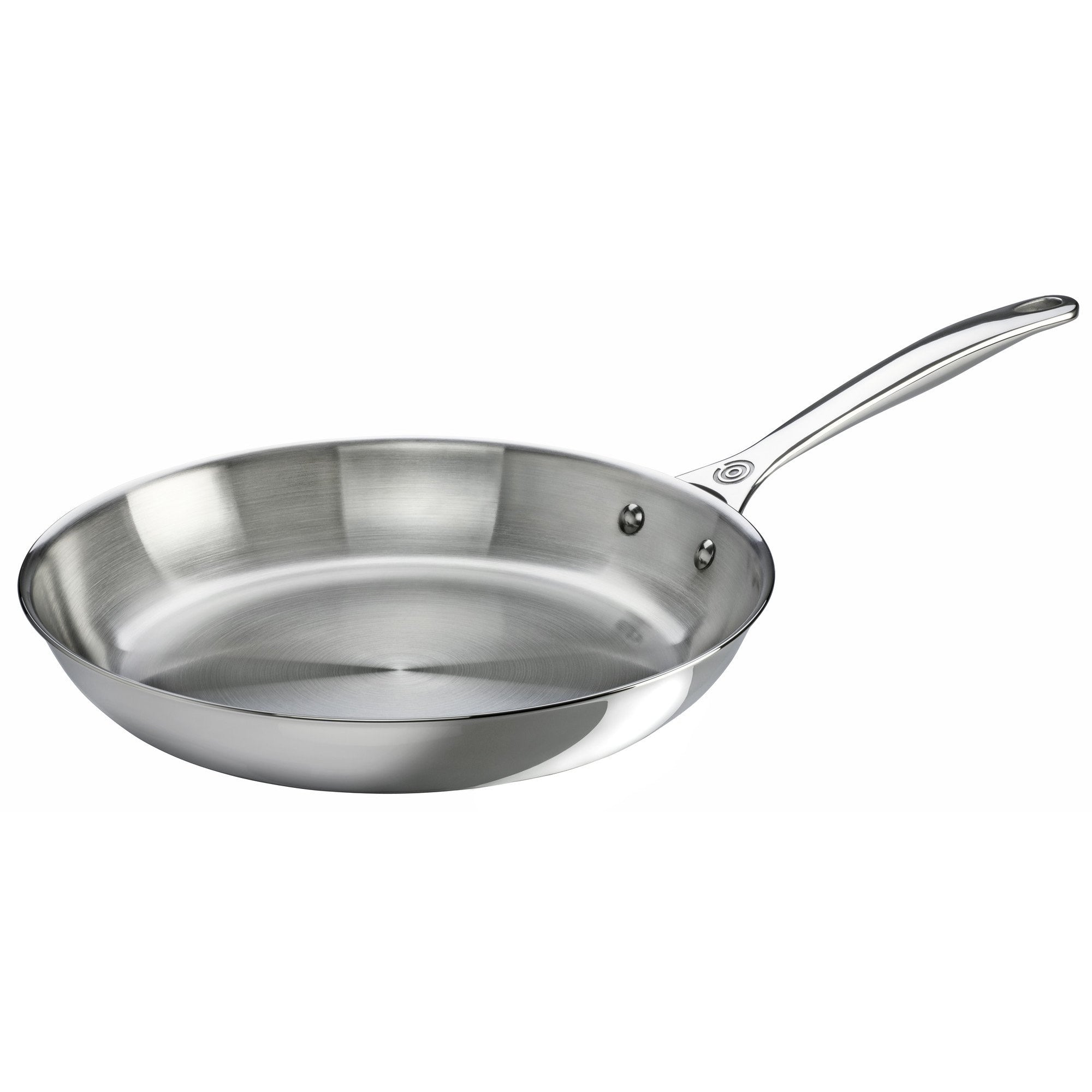
Le Creuset cookware handles and lids are designed for comfort and strength. The handles are made from the same cast iron or from stainless steel in some models. They stay cool enough to hold with pot holders but feel sturdy in hand.
The lids are heavy and tight-fitting. This weight helps trap steam and heat inside the pot. The lids usually have a stainless steel or nickel-plated knob. These knobs can resist high oven temperatures and are easy to grip.
Important features of handles and lids:
- Ergonomic design: Easy to hold and move, even with gloves.
- Oven-safe knobs: Can handle temperatures up to 500°F (260°C).
- Secure fit: Lids seal tightly to keep moisture in.
Some Le Creuset lids have a small vent hole. This hole lets out excess steam and prevents boiling over. The handles and lids are made to last and fit perfectly with each cookware piece. Their design adds to the overall cooking experience by making pots easier to use and clean.
Properties Of Cast Iron
Le Creuset cookware is mainly made of cast iron, a material prized for its unique cooking properties. Cast iron is dense and heavy, which gives it excellent heat retention and even distribution. These qualities make it ideal for slow cooking, frying, and baking. The cookware is coated with a durable enamel layer that prevents rust and eliminates the need for seasoning. Understanding the properties of cast iron helps explain why Le Creuset remains a popular choice in kitchens worldwide.
Heat Retention And Distribution
Cast iron holds heat very well. Once hot, it stays hot, making cooking more consistent. This is perfect for recipes that need steady temperatures, like stews or braises. The thick walls of cast iron absorb heat slowly but release it evenly across the surface.
- Even cooking: Food cooks uniformly with fewer hot spots.
- Energy efficient: Less heat is lost during cooking.
- Versatile: Suitable for stovetop, oven, and even open fire.
Here’s a quick comparison of heat properties between cast iron and other common cookware materials:
| Material | Heat Retention | Heat Distribution |
|---|---|---|
| Cast Iron | High | Even |
| Aluminum | Low | Very Even |
| Stainless Steel | Medium | Poor without core |
Cast iron’s ability to maintain heat allows it to brown meats beautifully and keep dishes warm for serving. This makes Le Creuset cookware perfect for family meals or entertaining guests.
Durability And Strength
Cast iron is incredibly strong and long-lasting. This strength means Le Creuset cookware can handle heavy use without damage. The enamel coating adds protection against chips and cracks, keeping the cookware looking new for years.
Strong build means it resists warping or bending even under high heat. The cookware can last for decades if cared for properly. Many users pass their cast iron pots down through generations.
- Scratch resistant: Enamel coating prevents scratches.
- Chip resistant: Tough enamel withstands daily use.
- Rust resistant: No need to season like traditional cast iron.
Maintenance is simple. Avoid sudden temperature changes and use non-metal utensils to protect the enamel. The sturdy design handles oven temperatures up to 500°F (260°C).
Here is a summary of durability features:
| Feature | Benefit |
|---|---|
| Cast Iron Core | Strong and long-lasting |
| Enamel Coating | Protects against rust and scratches |
| Heavy Weight | Resists warping |
Overall, the durability and strength of cast iron make Le Creuset cookware a solid investment for any kitchen.
Role Of Enameled Surface
The enameled surface plays a crucial role in Le Creuset cookware. This layer is a smooth coating fused to cast iron, making the cookware both durable and functional. It protects the cast iron from rust and damage while offering an easy-to-use cooking surface. The enamel also contributes to the cookware’s appearance and maintenance, making it a popular choice for many kitchens.
Non-reactive Cooking Surface
The enameled surface is completely non-reactive. It means it does not react with acidic or alkaline foods. This feature keeps the flavor of your dishes pure and unchanged.
- Safe for cooking tomatoes, vinegar-based sauces, and citrus.
- Prevents metallic taste often found with bare cast iron.
- Helps avoid discoloration of food caused by metal reactions.
This surface allows for slow, even heat distribution without causing chemical reactions. It also prevents food from sticking, reducing the chance of burning or uneven cooking.
| Benefit | Explanation |
|---|---|
| Flavor Preservation | No change in taste due to chemical reaction |
| Safe for All Foods | Works well with acidic and alkaline ingredients |
| Durability | Protects cast iron from rust and corrosion |
Ease Of Cleaning
The enameled surface makes Le Creuset cookware very easy to clean. Unlike bare cast iron, it does not need special seasoning or treatment after each use.
Key cleaning benefits include:
- Non-porous coating prevents food from sticking deeply.
- Simple hand washing with warm soapy water usually suffices.
- Some pieces are dishwasher safe, adding convenience.
Stubborn stains or burnt food can be removed without harsh scrubbing. The enamel resists chipping and cracking if handled carefully. Follow these tips for cleaning:
- Soak with warm water for a few minutes to loosen residue.
- Use a soft sponge or nylon brush to clean gently.
- Avoid metal scouring pads to protect the enamel.
This ease of cleaning saves time and effort, especially for busy cooks.
Color And Finish Options
Le Creuset is famous for its wide range of vibrant colors and glossy finishes. The enamel coating allows for rich, durable colors that brighten any kitchen.
Popular color options include:
- Classic Flame (orange)
- Volcanic (red)
- Marseille (blue)
- Oyster (neutral gray)
- Lemon (yellow)
The enamel finish gives cookware a smooth, glass-like surface. This finish resists fading and chipping with proper care. It also enhances the cookware’s overall look and feel.
Colors and finishes serve both aesthetic and practical purposes:
| Feature | Benefit |
|---|---|
| Wide Color Range | Matches different kitchen styles and preferences |
| Glossy Finish | Creates a beautiful, easy-to-clean surface |
| Durability | Maintains color without fading or peeling |
Credit: www.consiglioskitchenware.com
Comparing Le Creuset To Other Cookware
Le Creuset cookware stands out for its unique materials and design. Comparing Le Creuset to other cookware helps you understand its value and features. Many brands offer different materials like stainless steel, aluminum, or non-stick coatings. Le Creuset uses a special type of cast iron with an enamel coating. This difference affects how the cookware cooks, lasts, and looks. Knowing these details helps choose the right cookware for your kitchen.
Material Differences
Le Creuset cookware is made from cast iron covered with a smooth, colorful enamel coating. This combo gives it strength and a non-reactive surface. The cast iron core holds and spreads heat evenly. The enamel layer stops rust and lets you cook without seasoning the pan.
Other popular cookware materials include:
- Stainless Steel: Durable but may have hot spots. It does not hold heat as well as cast iron.
- Aluminum: Lightweight and heats quickly but scratches easily and can react with acidic foods.
- Non-stick: Easy to clean but can wear out fast and may release chemicals if overheated.
| Material | Heat Retention | Durability | Maintenance |
|---|---|---|---|
| Le Creuset (Enameled Cast Iron) | Excellent | Very High | Easy (No seasoning needed) |
| Stainless Steel | Moderate | High | Moderate (Can stain) |
| Aluminum | Good | Moderate | Moderate (Scratches easily) |
| Non-stick | Moderate | Low to Moderate | Easy (Avoid metal tools) |
The enamel coating on Le Creuset keeps food from sticking and prevents rust. It also offers vibrant colors not found in other cast iron cookware. This material mix makes Le Creuset both beautiful and practical in the kitchen.
Performance And Longevity
Le Creuset cookware performs well on all heat sources, including induction and oven use. The cast iron core keeps heat steady and spreads it evenly. This means food cooks uniformly without hot spots. The enamel surface resists stains and chipping if handled properly.
Other cookware types may heat faster but can cool quickly. Non-stick pans may lose their coating after some months or years. Stainless steel pans may need more oil to prevent sticking.
Key points about Le Creuset performance and lifespan:
- Heat Distribution: Cast iron core gives even heat for better cooking results.
- Durability: Can last decades with proper care, often becoming family heirlooms.
- Maintenance: Easy to clean; no need for seasoning like traditional cast iron.
- Versatility: Oven safe up to 500°F, suitable for many recipes.
Below is a quick comparison of how different cookware types hold up over time:
| Cookware Type | Average Lifespan | Maintenance Needed | Heat Performance |
|---|---|---|---|
| Le Creuset | 20+ years | Simple cleaning, avoid sharp impacts | Excellent, even heat |
| Stainless Steel | 10-15 years | Regular polishing, avoid discoloration | Good, some hot spots |
| Aluminum | 5-10 years | Careful cleaning to avoid scratches | Fast heating, uneven heat |
| Non-stick | 2-5 years | Gentle cleaning, no metal utensils | Good initially, degrades over time |
Le Creuset’s combination of performance and durability makes it a solid choice for many kitchens. It balances heat control with long-term use, unlike some cookware types that wear out or lose quality quickly.
Care And Maintenance Tips
Le Creuset cookware is made of high-quality enameled cast iron. This material is durable but needs proper care to last long. Following the right care and maintenance tips keeps your cookware looking new and working well. Proper cleaning, preventing damage, and smart storage are key. These steps protect the enamel coating and preserve the cookware’s performance.
Cleaning Best Practices
Cleaning Le Creuset cookware correctly helps maintain its shine and non-stick surface. Always allow the cookware to cool before washing. Sudden temperature changes can damage the enamel. Use warm, soapy water and a soft sponge or cloth for cleaning. Avoid steel wool or harsh scrubbers that scratch the surface.
- For stuck-on food, soak the cookware in warm soapy water for 15-20 minutes.
- Use a nylon brush or non-abrasive pad to gently remove residue.
- Stubborn stains can be cleaned with a paste made from baking soda and water.
Here is a simple cleaning guide:
| Step | Action | Notes |
|---|---|---|
| 1 | Cool cookware | Prevent thermal shock |
| 2 | Wash with warm, soapy water | Use soft sponge |
| 3 | Soak if needed | For stuck food |
| 4 | Rinse and dry thoroughly | Prevent rust on cast iron rim |
Never put Le Creuset in the dishwasher. Dishwasher detergents can dull the enamel over time. Hand washing keeps the cookware vibrant and durable.
Avoiding Damage
Protecting your Le Creuset cookware from damage extends its life. The enamel surface is strong but can chip or crack if handled roughly. Avoid dropping or banging the cookware on hard surfaces. Use wooden, silicone, or plastic utensils instead of metal ones. Metal tools may scratch the enamel coating.
- Do not heat empty cookware; this can cause overheating and damage.
- Avoid sudden temperature changes like placing hot cookware in cold water.
- Use low to medium heat settings; high heat is not necessary for cooking.
Here is a quick checklist to avoid damage:
- Handle cookware gently to prevent chipping.
- Use appropriate utensils to protect the enamel.
- Heat gradually and avoid overheating.
- Keep away from sudden temperature changes.
Following these simple steps keeps your cookware safe and functioning well for years.
Storage Suggestions
Proper storage helps keep Le Creuset cookware free from chips and scratches. Store cookware in a dry place with enough space between pieces. Avoid stacking heavy items on top of your enamel pots and pans. If stacking is necessary, place a soft cloth or paper towel between each piece.
- Keep lids separate or upside down to avoid damage.
- Do not store cookware with wet or damp surfaces; moisture can cause rust on exposed cast iron rims.
- Use pot racks or shelves designed for cookware for easy access and protection.
Here’s a table of storage tips:
| Storage Method | Benefit | Tip |
|---|---|---|
| Separate storage | Prevents scratches | Use cloth or paper towels between pieces |
| Dry storage | Prevents rust | Always dry cookware before storing |
| Lid storage | Protects lids and rims | Store lids separately or upside down |
Following these storage suggestions keeps your Le Creuset cookware in perfect condition for daily use.

Credit: www.lecreuset.com
Frequently Asked Questions
What Materials Are Used In Le Creuset Cookware?
Le Creuset cookware is primarily made from cast iron. It features an enamel coating that prevents rust and adds durability. The enamel also ensures even heat distribution and easy cleaning. Some pieces include stainless steel or stoneware, but cast iron with enamel is the signature material.
Is Le Creuset Cookware Enamel Or Non-stick?
Le Creuset cookware is enamel-coated, not traditional non-stick. The enamel surface is smooth and easy to clean but requires gentle care. It resists sticking well when properly seasoned and used. Unlike Teflon, it doesn’t release harmful fumes or degrade quickly.
Are Le Creuset Pots Dishwasher Safe?
Yes, most Le Creuset cookware is dishwasher safe. However, hand washing is recommended to preserve the enamel’s shine and color. Harsh detergents and high heat cycles can dull the finish over time. Gentle cleaning extends the cookware’s lifespan.
Does Le Creuset Cookware Contain Harmful Chemicals?
No, Le Creuset enamel is free from harmful chemicals like PFOA and PTFE. It is non-reactive and safe for cooking all types of food. The brand prioritizes health and safety in its manufacturing process.
Conclusion
Le Creuset cookware uses high-quality cast iron and enamel. This mix helps cook food evenly and stay hot longer. The enamel coating stops rust and makes cleaning easy. Many cooks trust Le Creuset for its strength and style. Its materials last for many years with care.
Choosing this cookware means investing in durability and good cooking results. Simple, strong, and reliable—that’s what Le Creuset offers.

Hello, This is Annie Walker, a 38-year-old blogger, founder, and editor of Cookware Guider from NY, USA. I am a cookware fanatic and passionate cooker. I love to cook with different types of cooking appliances (example: all types of cookware, rice cookers, slow cookers, etc) almost every day in my kitchen. I love to share my experience with my readers in my blog. Also, I enjoy helping people to solve their problems through my website. You can follow me on Twitter & Pinterest. To know details about my blog please check the about us page.