
Are you wondering if aluminum cookware is safe for you and your family? With so many options in the kitchen, it’s easy to feel unsure about what’s truly healthy.
You want pots and pans that cook well without risking your health. This article will clear up the confusion and help you make the best choice for your cooking and your well-being. Keep reading to discover the facts you need to know before you buy or keep using aluminum cookware.

Credit: www.reddit.com
Health Concerns
Health concerns about aluminum cookware often focus on whether aluminum can harm the body. Many people worry about aluminum leaching into food and causing health problems. Understanding these concerns helps you make safer cooking choices. This section looks at the main health questions about aluminum and cookware.
Aluminum And Toxicity
Aluminum is a metal found naturally in the earth’s crust. It is also used in many products, including cookware. The main worry is that aluminum might enter food during cooking and cause toxicity.
How does aluminum enter the body?
- Through food cooked in aluminum pots or pans
- From drinking water containing aluminum
- From certain medications and food additives
Most people absorb very little aluminum from food. The body can remove small amounts of aluminum through the kidneys. Toxicity usually happens only with very high exposure.
| Source of Aluminum | Risk Level | Notes |
|---|---|---|
| Aluminum Cookware | Low | Small amounts may leach when cooking acidic foods |
| Food Additives | Moderate | Some processed foods contain aluminum-based additives |
| Occupational Exposure | High | Workers in aluminum factories face higher risks |
Key points: Normal use of aluminum cookware does not cause toxicity. Avoid cooking very acidic foods in bare aluminum cookware, as acid increases leaching.
Research On Aluminum Exposure
Scientists have studied aluminum exposure for decades. Research tries to find if aluminum harms health or causes diseases.
Studies show that most people get a small amount of aluminum daily. This comes from food, water, and the environment. The body usually handles this well without harm.
- Aluminum absorption from food is very low, about 0.1% to 0.3%
- Kidneys filter and remove most aluminum from the body
- High exposure can happen in certain jobs or with kidney problems
Research also tests how aluminum in cookware affects food. Results indicate that aluminum leaches mostly with acidic or salty foods. Using anodized aluminum cookware reduces this risk because it has a protective layer.
Summary of research findings:
- Aluminum exposure from cookware is minimal with normal use
- Acidic foods increase aluminum leaching
- People with kidney disease may retain more aluminum
- Anodized aluminum cookware is safer than untreated aluminum
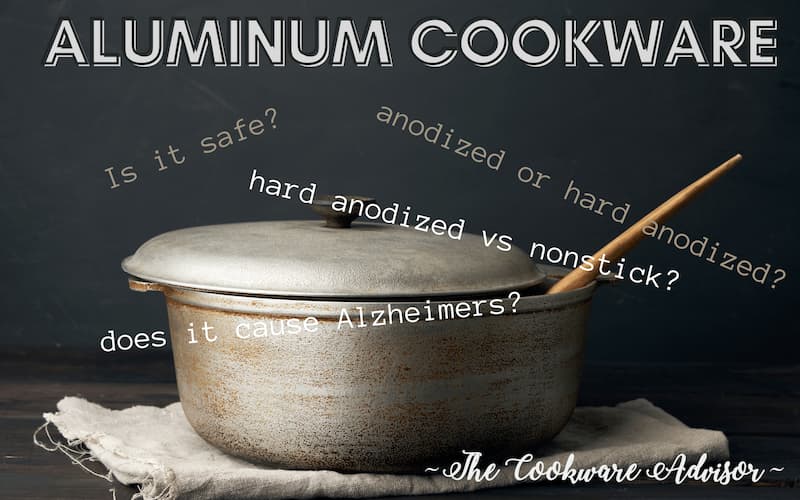
Aluminum And Alzheimer’s Disease
Some studies in the past suggested a link between aluminum and Alzheimer’s disease. This raised concerns about aluminum in cookware and other sources.
Later research finds no clear proof that aluminum causes Alzheimer’s. Scientists believe many factors cause the disease, not just aluminum exposure.
Key points about aluminum and Alzheimer’s:
- Aluminum is found in the brain of some Alzheimer’s patients, but levels are not always high
- No strong evidence that aluminum from cookware increases Alzheimer’s risk
- Genetics and age are major risk factors for Alzheimer’s
- Experts recommend focusing on overall brain health instead of aluminum avoidance
Bottom line: Aluminum from cookware is unlikely to cause Alzheimer’s. The disease involves many complex causes beyond metal exposure.
Credit: thecookwareadvisor.com
Types Of Aluminum Cookware
Aluminum cookware is popular due to its light weight and excellent heat conduction. It comes in different types, each with unique features and safety aspects. Understanding these types helps choose the right cookware for your kitchen. The main types are anodized aluminum, non-anodized aluminum, and aluminum with nonstick coating. Each type affects cooking performance and health safety differently.
Anodized Aluminum
Anodized aluminum undergoes a treatment that thickens its natural oxide layer. This process makes the cookware harder, more durable, and resistant to corrosion. The surface becomes non-reactive, so it does not react with acidic or alkaline foods.
Benefits of anodized aluminum cookware include:
- Durability: Resists scratches and dents better than regular aluminum.
- Non-reactive surface: No metallic taste or discoloration in food.
- Easy maintenance: Often dishwasher safe and easy to clean.
Here is a simple comparison between anodized and non-anodized aluminum:
| Feature | Anodized Aluminum | Non-Anodized Aluminum |
|---|---|---|
| Surface | Hard, non-reactive oxide layer | Soft, reactive metal surface |
| Durability | High | Low |
| Reactivity | Non-reactive | Reacts with acidic foods |
| Cleaning | Dishwasher safe | Hand wash recommended |
Safety Note: Anodized aluminum is generally considered safe for daily cooking. Its sealed surface prevents aluminum from leaching into food.
Non-anodized Aluminum
Non-anodized aluminum cookware is untreated and has a natural, soft metal surface. It heats quickly and evenly but can react with certain foods. Acidic ingredients like tomatoes or vinegar may cause the metal to leach into food. This can alter taste and color.
Key points about non-anodized aluminum:
- Cost-effective: Usually cheaper than anodized options.
- Lightweight: Easy to handle and store.
- Reactivity risk: May cause discoloration or metallic taste.
Use non-anodized aluminum cookware carefully to avoid health concerns. Avoid cooking highly acidic or salty foods for long periods. Over time, the surface can wear down and become prone to scratches and dents.
Some users prefer non-anodized aluminum for baking or roasting because of its fast heat conduction. Still, regular seasoning or using protective coatings helps reduce metal contact with food.
Quick Tips for Care:
- Hand wash with mild detergent.
- Avoid abrasive scrubbers.
- Do not store acidic foods in the cookware.
- Consider seasoning the surface occasionally.
Aluminum With Nonstick Coating
Aluminum cookware with nonstick coating combines aluminum’s heat conduction with a smooth, nonstick surface. The coating helps food release easily and reduces the need for oil. This cookware type is popular for low-fat cooking.
Important features include:
- Easy cleaning: Food particles slide off quickly.
- Reduced oil use: Promotes healthier meals.
- Protects aluminum: Limits metal contact with food.
Nonstick coatings vary by material, such as PTFE (Teflon) or ceramic. Each coating has different heat limits and care instructions. Overheating nonstick pans can damage the coating and release harmful fumes.
Safety tips for nonstick aluminum cookware:
- Use low to medium heat settings.
- Avoid metal utensils to prevent scratches.
- Replace pans if coating peels or chips.
Below is a quick overview of common nonstick coatings:
| Coating Type | Heat Resistance | Durability | Care Tips |
|---|---|---|---|
| PTFE (Teflon) | Up to 500°F (260°C) | Moderate | Use wooden or silicone utensils |
| Ceramic | Up to 450°F (230°C) | High | Avoid high heat and harsh cleaners |
Aluminum with nonstick coating offers convenience and safety if cared for properly. It combines the benefits of aluminum’s heat conduction with a protective surface for healthier cooking.
Cooking Effects
Cooking with aluminum cookware raises questions about safety and its effects on food. Understanding the cooking effects helps clarify common concerns. Aluminum is lightweight and conducts heat well, making it popular in many kitchens. Yet, it reacts differently depending on the food type and cooking method. This section explains how aluminum interacts with food during cooking and what that means for health and flavor.
Aluminum Reactivity With Food
Aluminum is a metal that can react with certain foods, especially those that are acidic or salty. This reactivity may cause a slight change in the food’s taste or color. More importantly, it can cause small amounts of aluminum to enter the food. The natural oxide layer on aluminum cookware usually protects against this. However, scratched or worn cookware may lose this protective layer.
Key points about aluminum reactivity:
- Non-reactive foods like eggs, grains, and vegetables usually do not cause aluminum to leach.
- Reactive foods such as tomatoes, citrus fruits, and vinegar can increase aluminum exposure.
- Aluminum may cause food to have a metallic taste if the cookware is damaged.
| Food Type | Aluminum Reactivity | Effect on Food |
|---|---|---|
| Vegetables (non-acidic) | Low | No taste change, minimal leaching |
| Tomatoes, citrus | High | Possible metallic taste, more leaching |
| Grains and meats | Low | Safe, no significant reactivity |
Cleaning aluminum cookware gently and avoiding abrasive scrubbers helps keep the oxide layer intact. This reduces reactivity and keeps food safer.
Impact Of Acidic And Salty Foods
Acidic and salty foods can increase aluminum’s reactivity during cooking. These foods can break down the protective oxide layer, leading to more aluminum entering the food. Acidic foods include lemon juice, vinegar, and tomatoes. Salty foods have high sodium or other mineral content.
Effects of acidic and salty foods:
- Higher aluminum leaching: Acid and salt dissolve aluminum ions easier.
- Change in food flavor: Metallic or bitter notes may develop.
- Possible discoloration: Foods may darken or change color.
To reduce risks, consider these tips:
- Do not store acidic or salty foods in aluminum cookware for long periods.
- Use anodized aluminum cookware, which has a thicker oxide layer.
- Cook acidic foods for shorter times in aluminum pans.
The table below shows how aluminum reacts with various acidic and salty foods:
| Food | Type | Effect on Aluminum |
|---|---|---|
| Lemon juice | Acidic | Increases aluminum leaching |
| Tomato sauce | Acidic | Breaks oxide layer, more leaching |
| Salted meat | Salty | Can erode aluminum surface |
| Pickled vegetables | Acidic & salty | High aluminum reactivity risk |
Aluminum Leaching Levels
Aluminum leaching means aluminum dissolving into food during cooking. The amount depends on food type, cooking time, temperature, and cookware condition. Studies show that aluminum leaching from cookware is usually low and within safe limits set by health organizations.
Factors influencing leaching levels:
- Cookware type: Anodized aluminum leaches less than untreated aluminum.
- Cooking time: Longer cooking increases aluminum leaching.
- Food acidity: Higher acidity raises leaching levels.
- Temperature: Higher heat can increase leaching.
The table below summarizes typical aluminum leaching levels in different scenarios:
| Scenario | Leaching Level (mg/kg) | Notes |
|---|---|---|
| Cooking non-acidic food, short time | 0.1 – 0.3 | Very low, safe |
| Cooking acidic food, short time | 0.5 – 1.5 | Moderate, still below safety limits |
| Cooking acidic food, long time | 1.5 – 3.0 | Higher but usually safe |
Health guidelines suggest a safe daily aluminum intake of around 1 mg per kg of body weight. Normal use of aluminum cookware rarely exceeds this amount.
Safety Guidelines
Aluminum cookware is popular for its light weight and excellent heat conduction. Still, safety concerns arise about aluminum leaching into food. Following clear safety guidelines helps reduce risks and ensures safe cooking. Understanding when to avoid aluminum, how to use it properly, and knowing other options can protect health while enjoying this affordable cookware.
When To Avoid Aluminum Cookware
Aluminum cookware can react with certain foods, causing metal to leach into meals. Avoid using aluminum pots and pans in these situations:
- Cooking acidic foods: Tomatoes, citrus, vinegar-based sauces increase aluminum transfer.
- Storing food: Do not store leftovers in aluminum containers, especially acidic or salty foods.
- Damaged cookware: Scratched or worn aluminum pans may release more metal.
- High heat cooking: Avoid overheating, which can damage the aluminum surface.
The table below summarizes key points to avoid aluminum cookware use:
| Situation | Reason to Avoid |
|---|---|
| Cooking acidic foods | Metal reacts and leaches into food |
| Storing food in aluminum | Increases aluminum exposure to food |
| Using damaged cookware | Scratches release more aluminum |
| High heat cooking | Can degrade cookware surface |
Proper Use And Maintenance
Using aluminum cookware correctly keeps it safe and extends its life. Follow these tips:
- Use anodized aluminum: This type has a hard layer that prevents leaching.
- Cook non-acidic foods: Avoid cooking tomatoes, citrus, or vinegar-based dishes.
- Low to medium heat: Prevent overheating to protect the surface.
- Hand wash gently: Use mild detergent and soft sponges. Avoid abrasive cleaners.
- Dry thoroughly: Prevent water spots and corrosion by drying immediately.
- Replace worn pans: Discard if surfaces become scratched or pitted.
Here is a quick checklist for aluminum cookware care:
- Choose anodized or coated pans
- Cook mild, low-acid foods
- Control cooking temperature
- Wash by hand carefully
- Dry right after washing
- Inspect regularly for damage
Alternatives To Aluminum Cookware
Other cookware options reduce concerns about aluminum exposure. Consider these materials:
- Stainless steel: Durable, non-reactive, great for browning and boiling.
- Ceramic-coated: Non-stick and safe for acidic foods.
- Cast iron: Long-lasting, adds iron to food, but heavier to handle.
- Glass: Ideal for baking and microwaving, safe and non-reactive.
- Non-stick coated pans: Offer easy cooking but require careful use to avoid surface damage.
Choosing the right cookware depends on cooking style and health concerns. The table below compares common types:
| Material | Pros | Cons |
|---|---|---|
| Stainless Steel | Non-reactive, durable, easy to clean | Can stick without oil, uneven heat |
| Ceramic-coated | Non-stick, safe for acids | Coating can wear off, fragile |
| Cast Iron | Durable, adds iron, heats evenly | Heavy, requires seasoning |
| Glass | Non-reactive, easy to clean | Breaks easily, not for stovetop |
| Non-stick coated | Easy cooking and cleaning | Coating can scratch, avoid high heat |
Regulatory Standards
Aluminum cookware is popular for its light weight and good heat conduction. Many people wonder about its safety. Regulatory standards help ensure that aluminum cookware is safe to use. These rules come from government bodies and industry groups. They set limits on aluminum exposure and guide manufacturing processes. Understanding these standards helps you choose safe cookware and cook with confidence.
Fda And Health Agencies
The U.S. Food and Drug Administration (FDA) monitors the safety of materials used in cookware, including aluminum. The FDA classifies aluminum as a safe material for food contact under certain conditions. It sets limits on how much aluminum can leach into food from cookware.
Other health agencies worldwide also regulate aluminum cookware safety. These agencies study how aluminum exposure affects health and provide guidelines to protect consumers.
- FDA limits: Aluminum must not leach into food above specific levels.
- WHO guidelines: The World Health Organization sets a provisional tolerable weekly intake for aluminum.
- EFSA standards: The European Food Safety Authority monitors aluminum in food and cookware.
These agencies perform constant reviews based on new scientific data. Their goal is to prevent any health risks from aluminum exposure through cooking.
| Agency | Role | Key Limit/Guideline |
|---|---|---|
| FDA (USA) | Regulates food contact materials | Limits aluminum leaching from cookware |
| WHO | Global health guidelines | Provisional tolerable weekly intake: 2 mg/kg body weight |
| EFSA (Europe) | Food safety authority | Monitors aluminum in food and utensils |
Industry Safety Measures
Manufacturers follow strict safety measures to meet regulatory standards. These measures ensure aluminum cookware does not pose health risks.
Common industry safety practices include:
- Use of anodized aluminum: This process creates a hard, non-reactive surface that reduces aluminum leaching.
- Quality control testing: Regular tests check aluminum release levels during cooking.
- Coatings and liners: Some cookware includes safe coatings to prevent direct contact between food and aluminum.
- Labeling: Clear instructions help users avoid damage that increases aluminum release.
These safety measures lower the risk of aluminum exposure. They also improve cookware durability and performance.
| Safety Measure | Description | Benefits |
|---|---|---|
| Anodizing | Electrochemical process creating a protective layer | Reduces aluminum leaching, increases surface hardness |
| Coatings | Applying safe, food-grade layers | Prevents food contact with aluminum, easy cleaning |
| Testing | Regular checks for aluminum release | Ensures compliance with safety limits |
| Labeling | Instructions on proper use and care | Prevents damage that increases aluminum exposure |
Credit: theskillfulcook.com
Frequently Asked Questions
Is Aluminum Cookware Safe For Everyday Use?
Aluminum cookware is generally safe for everyday use. However, uncoated aluminum can react with acidic foods. Anodized or coated aluminum offers better protection and durability. Choosing the right type ensures safety and prevents aluminum from leaching into your meals.
Can Aluminum Cookware Cause Health Problems?
Using regular aluminum cookware rarely causes health issues. Excessive exposure to aluminum has been linked to certain health concerns, but cooking with anodized aluminum is safe. Proper use and avoiding damaged cookware minimize any potential risks.
Does Aluminum Cookware Affect Food Taste Or Quality?
Aluminum cookware can sometimes alter the taste of acidic foods. Anodized or coated aluminum prevents this issue. Overall, it retains heat well, cooking food evenly without affecting flavor or quality when used correctly.
How To Clean Aluminum Cookware Safely?
Avoid harsh abrasives and metal scrubbers when cleaning aluminum cookware. Use mild soap and a soft sponge instead. For stubborn stains, a paste of baking soda and water works well. Proper cleaning maintains cookware safety and longevity.
Conclusion
Aluminum cookware is generally safe for daily cooking. Small amounts of aluminum may mix with food but rarely cause harm. Using non-scratched or anodized aluminum reduces any risk. Avoid cooking acidic foods in bare aluminum pots. Regular cleaning keeps your cookware in good shape.
Choosing the right cookware helps keep your kitchen safe. Remember, many people cook with aluminum without problems. Safe cooking is about good habits and care. Your health matters, so choose wisely and cook confidently.

Hello, This is Annie Walker, a 38-year-old blogger, founder, and editor of Cookware Guider from NY, USA. I am a cookware fanatic and passionate cooker. I love to cook with different types of cooking appliances (example: all types of cookware, rice cookers, slow cookers, etc) almost every day in my kitchen. I love to share my experience with my readers in my blog. Also, I enjoy helping people to solve their problems through my website. You can follow me on Twitter & Pinterest. To know details about my blog please check the about us page.