
Are you wondering if ceramic cookware is truly safe for you and your family? With so many options in the kitchen, it’s easy to feel confused about which pots and pans won’t harm your health.
You want cookware that cooks well, cleans easily, and keeps harmful chemicals out of your meals. This article will help you understand the facts about ceramic cookware so you can make the best choice for your kitchen and your health.
Keep reading to discover what you need to know before your next cooking purchase.
Credit: theroundup.org
Ceramic Cookware Basics
Ceramic cookware has grown popular for its sleek look and non-stick features. Many wonder about its safety and how it works. Understanding the basics of ceramic cookware helps in making smart kitchen choices. This section explains the main types and the process behind ceramic cookware.
Types Of Ceramic Cookware
Ceramic cookware comes in different forms. Each type suits various cooking needs and styles. The main types include:
- Pure Ceramic Cookware: Made entirely from natural clay and baked at high temperatures. It is heavy and retains heat well.
- Ceramic-Coated Cookware: Metal pans coated with a ceramic layer. This type offers non-stick properties with easier handling.
- Enamel-Coated Cast Iron: Cast iron covered with a ceramic enamel. It combines heat retention of cast iron with a smooth surface.
Here is a simple table showing key features:
| Type | Material | Weight | Heat Retention | Non-stick |
|---|---|---|---|---|
| Pure Ceramic | Natural Clay | Heavy | Excellent | Good |
| Ceramic-Coated | Metal + Ceramic Layer | Light | Good | Excellent |
| Enamel-Coated Cast Iron | Cast Iron + Ceramic Enamel | Very Heavy | Excellent | Good |
Choosing the right type depends on cooking style, heat needs, and ease of use.
How Ceramic Cookware Is Made
The making of ceramic cookware involves careful steps to ensure safety and durability. The process varies by type but shares common stages:
- Raw Material Selection: Pure clay or metal base is chosen depending on the cookware type.
- Shaping: Clay is molded or metal is formed into pans and pots.
- Baking or Firing: Clay cookware is baked at very high temperatures to harden.
- Applying Ceramic Coating: For coated cookware, a ceramic layer is sprayed or dipped.
- Final Firing: The coated item is fired again to bond the ceramic layer.
These steps produce a strong, heat-resistant surface. The ceramic layer is free from harmful chemicals like PFOA and PTFE.
Here is a quick overview table of the process:
| Step | Description | Purpose |
|---|---|---|
| Material Selection | Choose clay or metal base | Ensures durability and safety |
| Shaping | Mold or form cookware shape | Creates usable cookware form |
| Baking/Firing | High temperature heating | Hardens and strengthens ceramic |
| Coating | Apply ceramic layer (for coated types) | Provides non-stick surface |
| Final Firing | Reheat to bond ceramic coating | Ensures durability and safety |
Health And Safety Factors
Understanding the health and safety factors of ceramic cookware is crucial before adding it to your kitchen. Many wonder if ceramic cookware is truly safe for cooking daily meals. The materials and coatings used in ceramic pots and pans affect not only the food taste but also your health. This section explores key safety points to help you decide if ceramic cookware fits your health needs.
Non-toxic Properties
Ceramic cookware often gets attention for its non-toxic nature. It is mostly made from natural materials like clay and sand. These materials do not release harmful chemicals into food during cooking.
Key benefits of ceramic cookware’s non-toxic properties:
- No PTFE or PFOA: These chemicals, found in some non-stick pans, can be harmful when heated.
- Free from heavy metals: Good-quality ceramic cookware does not contain lead, cadmium, or other metals.
- Safe at high temperatures: Ceramic coatings remain stable and do not break down easily.
Here is a quick comparison of common cookware materials and their toxicity levels:
| Cookware Type | Toxic Chemicals Present | Safety Level |
|---|---|---|
| Ceramic | None (when high quality) | High |
| Traditional Non-Stick (PTFE) | PTFE, PFOA | Medium to Low |
| Aluminum | Aluminum leaching possible | Medium |
| Cast Iron | None | High |
Choosing ceramic cookware with a genuine ceramic coating ensures your food stays free from harmful substances. Always check for trusted brands and certifications.
Chemical Coatings And Risks
Some ceramic cookware uses chemical coatings to improve non-stick properties. These coatings vary in quality and safety. Poor-quality ceramic coatings may contain harmful substances that can leach into food.
Important points to consider about ceramic coatings:
- Check for certification: Look for FDA approval or similar safety standards.
- Avoid scratched or damaged cookware: Damaged coatings can expose underlying metals.
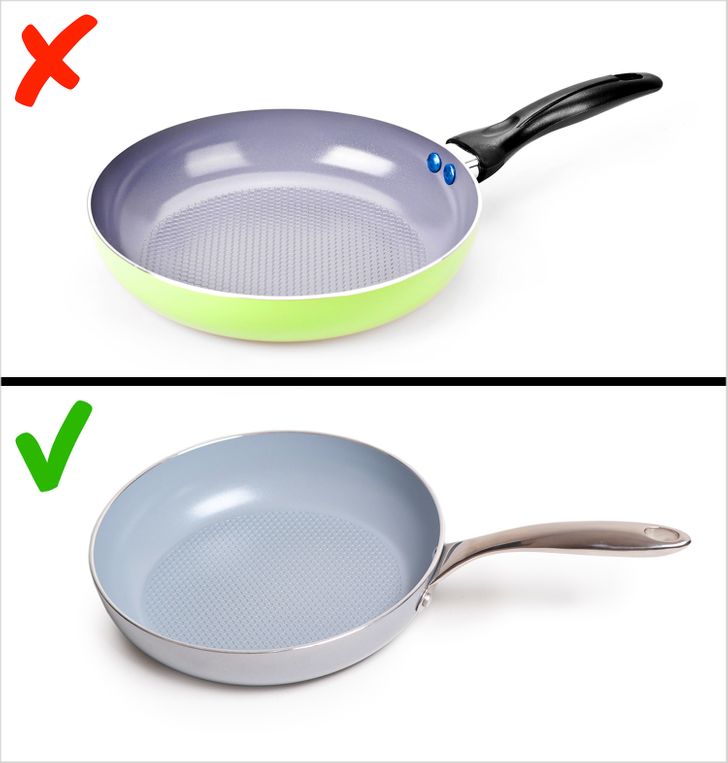
- Ceramic vs. ceramic-coated: Pure ceramic cookware is safer than metal pans with ceramic coating.
Common risks linked to some ceramic coatings:
- Release of nanoparticles or toxic fumes at very high heat.
- Coating degradation after prolonged use.
- Presence of harmful additives in low-quality products.
Always follow manufacturer instructions for care and heating limits. Proper use extends cookware life and reduces health risks.
Heat Resistance And Stability
Ceramic cookware handles heat well. It can withstand high cooking temperatures without breaking down. This stability is important for safe cooking and food quality.
Key features of ceramic cookware’s heat resistance:
- High melting point: Ceramic materials tolerate temperatures over 700°F (370°C).
- Even heat distribution: Reduces hot spots that burn food or damage cookware.
- Thermal shock resistance: Handles sudden temperature changes better than glass or some metals.
Here is a simple table showing heat tolerance of different cookware:
| Cookware Type | Max Safe Temperature | Heat Stability |
|---|---|---|
| Ceramic | 700°F (370°C)+ | Excellent |
| Non-stick (PTFE) | 500°F (260°C) | Moderate |
| Cast Iron | 900°F (482°C) | Excellent |
| Glass | 450°F (232°C) | Low |
Proper heating preserves ceramic cookware’s coating and prevents cracking. Avoid heating empty pans or using sudden temperature changes. This keeps cookware safe and extends its lifespan.
Comparing Cookware Materials
Choosing the right cookware affects how healthy and tasty your meals are. Ceramic cookware has grown popular because many believe it is safer and better for health. Comparing ceramic with other common materials helps understand its benefits and limits. This guide looks at ceramic against non-stick, stainless steel, and cast iron cookware. Each type has unique features and safety points to consider before buying.
Ceramic Vs. Non-stick
Ceramic and non-stick pans often compete in kitchens. Both offer easy cooking and cleaning, but they differ in materials and safety.
- Coating: Ceramic uses a silica-based coating, which is free from chemicals like PTFE and PFOA. Non-stick pans often contain these chemicals.
- Heat tolerance: Ceramic withstands higher heat without breaking down. Non-stick coatings can release toxic fumes if overheated above 500°F (260°C).
- Durability: Ceramic coatings can chip or wear faster than some non-stick types, needing careful use.
- Cooking quality: Non-stick pans excel at cooking eggs and pancakes due to smooth surfaces. Ceramic pans offer more even heating and better browning.
| Feature | Ceramic | Non-Stick |
|---|---|---|
| Material Safety | Free from PTFE/PFOA | May contain PTFE/PFOA |
| Heat Resistance | Up to 850°F (454°C) | Up to 500°F (260°C) |
| Ease of Cleaning | Good | Excellent |
| Lifespan | 2-3 years | 3-5 years |
Summary: Ceramic is safer at high heat and free from harmful chemicals. Non-stick pans offer great non-stick performance but need careful temperature control.
Ceramic Vs. Stainless Steel
Stainless steel cookware is famous for strength and long life. Ceramic pans are praised for easy food release and safety. Both suit different cooking needs.
- Cooking style: Stainless steel is great for browning, searing, and deglazing. Ceramic is better for low to medium heat cooking and gentle foods.
- Health safety: Stainless steel releases minimal metals only if scratched or damaged. Ceramic coatings are non-reactive and chemical-free.
- Cleaning: Stainless steel may require scrubbing for stuck food. Ceramic is easier to clean but can chip if handled roughly.
- Weight: Stainless steel pans are usually heavier than ceramic pans.
| Aspect | Ceramic | Stainless Steel |
|---|---|---|
| Weight | Light | Heavy |
| Heat Conductivity | Moderate | High (if layered) |
| Durability | Moderate | Very High |
| Reactivity | Non-reactive | Can react with acidic foods |
Summary: Stainless steel excels in durability and heat control. Ceramic is safer from chemical reactions and easier for delicate cooking.
Ceramic Vs. Cast Iron
Cast iron is known for toughness and excellent heat retention. Ceramic cookware offers a lighter alternative with a smooth, non-toxic surface.
- Heat retention: Cast iron holds heat longer, ideal for slow cooking. Ceramic heats quickly but cools faster.
- Maintenance: Cast iron requires seasoning to stay non-stick and prevent rust. Ceramic needs gentle cleaning to avoid chipping.
- Weight: Cast iron is much heavier and less portable than ceramic.
- Safety: Cast iron can leach small iron amounts into food, which may benefit some people but not all. Ceramic does not leach metals.
| Factor | Ceramic | Cast Iron |
|---|---|---|
| Weight | Light | Heavy |
| Heat Retention | Moderate | Excellent |
| Care | Easy but fragile | Requires seasoning |
| Metal Leaching | No | Yes (iron) |
Summary: Cast iron is unbeatable for heat and durability but needs upkeep. Ceramic offers safer, lighter, and low-maintenance cooking.
Credit: www.youtube.com
Care And Maintenance Tips
Proper care and maintenance keep ceramic cookware safe and lasting longer. Ceramic pots and pans need gentle handling to preserve their non-stick surface and prevent cracks or chips. Following simple cleaning, damage prevention, and storage tips helps maintain their cooking performance and appearance. These steps protect your investment and ensure safe, healthy meals every time.
Cleaning Methods
Cleaning ceramic cookware requires gentle techniques to avoid scratching or damaging the ceramic coating. Use warm water and mild dish soap for regular cleaning. Avoid abrasive scrubbers like steel wool, which can wear down the surface.
- Let cookware cool before washing to prevent thermal shock.
- Use a soft sponge or cloth for scrubbing.
- For stuck-on food, soak the pan in warm soapy water for 10-15 minutes.
- Use a mixture of baking soda and water as a gentle scrub for tough stains.
Below is a quick guide for cleaning common ceramic cookware stains:
| Stain Type | Cleaning Method |
|---|---|
| Grease | Use warm water, dish soap, and a soft sponge |
| Burnt Food | Soak in baking soda and water, then scrub gently |
| Water Spots | Wipe with a cloth soaked in white vinegar |
Do not use harsh chemicals or dishwasher detergents. These can damage the ceramic coating over time. Hand washing is best to keep your cookware safe and functional.
Avoiding Damage
Preventing damage extends the life of ceramic cookware. The ceramic surface is strong but can chip or crack if handled roughly. Avoid sudden temperature changes and harsh impacts.
- Do not heat empty pans for long periods; heat builds up quickly and harms the coating.
- Use wooden, silicone, or plastic utensils to prevent scratching.
- Avoid dropping or banging cookware against hard surfaces.
- Do not use metal scrubbers or sharp cleaning tools.
- Keep ceramic cookware away from high flames or broiler heat.
Follow this quick checklist to avoid damage:
- Preheat on low or medium heat only.
- Always add oil or liquid before heating.
- Cool cookware before washing.
- Use non-metal cooking tools.
- Handle with care to avoid chips and cracks.
These simple habits protect the ceramic surface and maintain its safe cooking qualities.
Storage Recommendations
Proper storage prevents scratches and preserves ceramic cookware’s look. Stacking ceramic pots and pans without protection can cause chips and surface damage.
- Store cookware with soft cloth or paper towels between pieces.
- Use pot racks or hooks to hang pans and avoid stacking.
- Keep lids separate or store upside down to save space.
- Store in a dry place to avoid moisture buildup, which can damage ceramic.
Use this table for easy storage ideas:
| Storage Method | Benefits |
|---|---|
| Stack with paper towels between pans | Prevents scratches and chipping |
| Hang on pot racks | Easy access and avoids contact damage |
| Use drawer dividers | Keeps cookware organized and protected |
Organizing ceramic cookware carefully ensures it stays safe and ready for cooking.
Common Myths And Facts
Ceramic cookware has grown popular for its sleek look and non-stick surface. Yet, many people doubt its safety and performance. Common myths about ceramic cookware can confuse buyers. Separating fact from fiction helps choose the right pots and pans. This section clears up doubts about toxins, durability, and flavor effects in ceramic cookware.
Does Ceramic Release Toxins?
Ceramic cookware is often praised for being a safer alternative to traditional non-stick pans. The main concern is whether it releases harmful chemicals during cooking.
Key facts about ceramic and toxins:
- Ceramic coating is free from PTFE and PFOA, chemicals linked to health risks.
- High-quality ceramic cookware is made from natural materials baked at high temperatures.
- It does not emit toxic fumes, even at high heat.
- Low-quality or damaged ceramic coatings might break down, but this rarely causes harmful chemical release.
Here is a simple comparison of ceramic and other cookware coatings:
| Cookware Type | Toxins Released? | Notes |
|---|---|---|
| Ceramic | No | Free of PTFE, PFOA; safe at normal cooking temperatures |
| Traditional Non-stick (Teflon) | Possible | Can release fumes if overheated above 500°F |
| Cast Iron | No | Seasoned surface; no chemical coating |
Summary: Ceramic cookware does not release toxins under normal use. Choosing trusted brands ensures safety and quality.
Durability Concerns
Many people worry about how long ceramic cookware lasts. The coating might seem fragile compared to metal pans.
Understanding ceramic cookware durability:
- Ceramic coatings are hard but can chip or crack if dropped.
- Metal utensils may scratch the surface, reducing non-stick properties.
- Proper care extends the life of ceramic pans.
Tips to maintain ceramic cookware:
- Use wooden, silicone, or plastic utensils only.
- Avoid sudden temperature changes to prevent cracking.
- Hand wash with mild soap; avoid abrasive scrubbers.
- Store carefully to avoid scratches.
Below is a simple durability rating chart for common cookware types:
| Cookware Type | Durability Level | Care Needed |
|---|---|---|
| Ceramic | Medium | Gentle handling; avoid metal utensils |
| Stainless Steel | High | Can handle rough use; may need polishing |
| Non-stick Teflon | Low to Medium | Careful use; avoid overheating |
Bottom line: Ceramic cookware lasts well with careful use. Treat it gently for best results.
Effect On Food Flavor
Ceramic cookware is known for cooking food evenly and preserving taste. Many wonder if it changes the flavor of dishes.
How ceramic cookware impacts food flavor:
- Non-reactive surface means no metallic or chemical taste.
- Even heat distribution prevents hot spots and burning.
- Retains natural flavors without adding odors.
Some users report food tastes cleaner or fresher with ceramic pans. Unlike cast iron, ceramic does not impart any seasoning flavors.
Below is a comparison of flavor impact by cookware type:
| Cookware Type | Flavor Impact | Notes |
|---|---|---|
| Ceramic | Neutral | No flavor transfer; maintains food taste |
| Cast Iron | May add flavor | Seasoning can influence taste |
| Aluminum | Possible metallic taste | Uncoated aluminum can react with acidic foods |
In summary: Ceramic cookware keeps food flavors pure. It is ideal for cooking delicate dishes.
Credit: brightside.me
Frequently Asked Questions
Is Ceramic Cookware Truly Non-toxic And Safe?
Ceramic cookware is generally non-toxic and free from harmful chemicals like PFOA and PTFE. It offers a safer cooking option by avoiding metal leaching. However, ensure the ceramic coating is lead-free and high quality for maximum safety and durability.
Does Ceramic Cookware Release Harmful Chemicals When Heated?
High-quality ceramic cookware does not release harmful chemicals when heated. It uses natural materials and non-stick coatings that remain stable under normal cooking temperatures. Avoid overheating to prevent damage and potential toxin release from low-quality or damaged ceramic surfaces.
Can Ceramic Cookware Withstand High Cooking Temperatures?
Ceramic cookware can handle medium to high cooking temperatures well. However, extreme heat may cause cracking or damage to the ceramic coating. Always follow manufacturer guidelines and avoid sudden temperature changes to extend cookware lifespan and maintain safety.
How Does Ceramic Cookware Compare To Non-stick Pans?
Ceramic cookware is a safer, eco-friendly alternative to traditional non-stick pans. It doesn’t contain harmful chemicals like PFOA and PTFE. Ceramic coatings offer good non-stick properties but may require gentle handling to avoid chipping or scratching.
Conclusion
Ceramic cookware offers a safe option for everyday cooking. It does not release harmful chemicals when heated. Many people enjoy its non-stick surface and easy cleaning. Proper care helps it last longer without damage. Avoid using metal tools to protect the coating.
Choosing good quality ceramic pans can improve cooking safety. Overall, ceramic cookware combines health benefits with practical use. It suits kitchens focused on simple, safe meals. Try it to see how it fits your cooking style.

Hello, This is Annie Walker, a 38-year-old blogger, founder, and editor of Cookware Guider from NY, USA. I am a cookware fanatic and passionate cooker. I love to cook with different types of cooking appliances (example: all types of cookware, rice cookers, slow cookers, etc) almost every day in my kitchen. I love to share my experience with my readers in my blog. Also, I enjoy helping people to solve their problems through my website. You can follow me on Twitter & Pinterest. To know details about my blog please check the about us page.