
Choosing the best nonstick cookware can change the way you cook every day. Imagine preparing your favorite meals without worrying about food sticking or scrubbing stubborn stains afterward.
But with so many options out there, how do you find the perfect set that fits your kitchen and lifestyle? This guide will help you discover what really matters when picking nonstick cookware, so you can enjoy cooking more and cleaning less.
Keep reading to make a smart choice that your kitchen—and your taste buds—will thank you for.
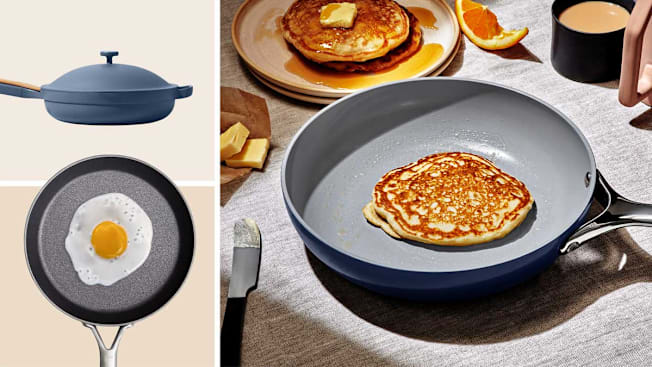
Credit: www.consumerreports.org
Types Of Nonstick Coatings
Choosing the best nonstick cookware starts with understanding the types of nonstick coatings available. Each coating type offers unique benefits and drawbacks. Knowing these can help select cookware that fits your cooking style, budget, and health preferences. This section explains the main types of nonstick coatings used in cookware today.
Ptfe-based Coatings
PTFE (Polytetrafluoroethylene) is the most common nonstick coating. It is famous for its excellent nonstick properties, which make cooking and cleaning easier. PTFE coatings allow food to slide off pans without sticking, reducing the need for oil or butter.
Benefits of PTFE coatings:
- Very smooth surface for easy food release
- Durable and long-lasting when used correctly
- Works well at low to medium heat
- Affordable and widely available
Drawbacks to consider:
- Can release harmful fumes if overheated above 500°F (260°C)
- Scratches easily, so avoid metal utensils
- Not dishwasher safe in many cases
| Feature | PTFE-Based Coatings |
|---|---|
| Heat Resistance | Up to 500°F (260°C) |
| Durability | Good with care |
| Health Safety | Safe below 500°F, avoid overheating |
| Cleaning | Hand wash recommended |
Ceramic Coatings
Ceramic coatings are made from a silica-based gel that creates a hard, smooth surface. They provide a natural and chemical-free alternative to PTFE. Ceramic cookware is popular for its eco-friendly and non-toxic qualities.
Advantages of ceramic coatings:
- Free from PTFE and PFOA chemicals
- Can handle higher temperatures up to 600°F (315°C)
- Good scratch resistance compared to PTFE
- Easy to clean and dishwasher safe in many cases
Limitations:
- Nonstick effect may reduce faster over time
- Less slick than PTFE, sometimes food sticks slightly
- May chip or crack if dropped
| Feature | Ceramic Coatings |
|---|---|
| Heat Resistance | Up to 600°F (315°C) |
| Durability | Moderate, can chip |
| Health Safety | Non-toxic, chemical-free |
| Cleaning | Often dishwasher safe |
Anodized Aluminum
Anodized aluminum is aluminum treated with an electrochemical process to harden its surface. This creates a strong, corrosion-resistant layer. It is not a traditional nonstick coating but offers some natural nonstick benefits when combined with light oil or butter.
Key benefits of anodized aluminum:
- Very durable and resistant to scratches
- Heats evenly and quickly
- Non-reactive surface, safe for acidic foods
- Often combined with a thin nonstick layer for better release
Considerations:
- Not fully nonstick on its own
- Requires some oil or fat to prevent sticking
- May be heavier than other nonstick pans
| Feature | Anodized Aluminum |
|---|---|
| Heat Resistance | High, varies by brand |
| Durability | Very high |
| Health Safety | Safe and non-reactive |
| Cleaning | Dishwasher safe, hand wash preferred |
Material Considerations
Choosing the best nonstick cookware requires careful thought about the material used. The material affects heat distribution, durability, weight, and cooking results. Understanding material types helps pick cookware that fits your kitchen needs and cooking style. Focus on key materials like aluminum and stainless steel, which often form the base of nonstick pans. Each has unique traits that impact performance and care.
Aluminum Vs Stainless Steel
Aluminum and stainless steel are common materials in nonstick cookware. Both have strengths and weaknesses that matter in daily cooking.
- Aluminum is lightweight and heats quickly. It spreads heat evenly, which helps avoid hot spots in cooking.
- Stainless steel is heavier but very strong and resists scratches and dents. It does not react with acidic foods.
Aluminum pans often have a nonstick coating on top, which makes cooking and cleaning easier. Stainless steel pans may have an aluminum or copper core inside to improve heat conduction because stainless steel alone heats unevenly.
| Feature | Aluminum | Stainless Steel |
|---|---|---|
| Weight | Light | Heavy |
| Heat Conductivity | Excellent | Moderate (improved with core) |
| Durability | Moderate | High |
| Reacts with Food | Yes (acidic foods) | No |
| Price | Generally lower | Generally higher |
Aluminum is best for quick, even heating and easy handling. Stainless steel works well for those who want strong, long-lasting cookware. Both types support nonstick coatings but differ in feel and care.
Durability Factors
Durability is key in choosing nonstick cookware. It affects how long the pan lasts and how well it resists damage.
Nonstick coatings can wear off over time. Look for pans with multiple layers of coating or reinforced surfaces. These last longer and resist scratches better.
- Coating quality: Thicker, multi-layer coatings increase lifespan.
- Base material: Strong bases like stainless steel resist warping.
- Handle attachment: Riveted or welded handles are more secure than glued ones.
Care also impacts durability. Avoid metal utensils and high heat to keep coatings intact. Hand washing is gentler than dishwashers.
| Durability Factor | Impact |
|---|---|
| Nonstick Coating Layers | More layers = longer wear resistance |
| Material Strength | Hard metals prevent dents and warping |
| Handle Design | Secure handles reduce breakage risk |
| Care Method | Gentle cleaning preserves coating |
Choosing cookware with quality materials and coating improves durability. Proper care keeps pans safe and working well for years.
Size And Shape Options
Choosing the right size and shape of nonstick cookware is important for cooking different meals easily. The size affects how much food you can cook at once. The shape helps with cooking certain types of dishes better. Knowing the common sizes and specialty shapes can help pick the best cookware for your kitchen needs.
Common Sizes
Nonstick cookware comes in several standard sizes. These sizes fit most cooking tasks and kitchen spaces. Knowing these helps in choosing the right pan or pot for daily use.
- 8-inch pans: Great for small meals, frying eggs, or making sauces.
- 10-inch pans: Most popular size. Good for cooking meals for 2-3 people.
- 12-inch pans: Best for larger meals or when cooking for a family.
- 1 to 3-quart saucepans: Ideal for boiling, making soups, or reheating food.
- 4 to 6-quart pots: Useful for stews, pasta, or bigger batches.
Here is a quick size guide:
| Cookware Type | Size Range | Best Use |
|---|---|---|
| Frying Pan | 8 to 12 inches | Frying, sautéing, small to large meals |
| Saucepan | 1 to 3 quarts | Boiling, sauces, reheating |
| Stockpot | 4 to 8 quarts | Soups, stews, pasta |
Choosing the right size helps cook food evenly and saves energy. Small sizes are easy to store and clean. Large sizes cook more food but need more space.
Specialty Shapes
Some nonstick cookware has unique shapes for specific cooking styles. These shapes help cook certain dishes better and make cooking easier.
- Wok-shaped pans: Deep and round, perfect for stir-frying and quick cooking.
- Griddle pans: Flat and large, great for pancakes, sandwiches, and grilling.
- Oval pans: Good for cooking fish or longer cuts of meat.
- Square or rectangular pans: Useful for baking or cooking multiple smaller items at once.
- Deep sauté pans: With high sides, ideal for frying and simmering sauces.
Here is a simple list of shapes and their uses:
- Wok shape: Stir-fry, vegetables, quick meals
- Griddle: Breakfast foods, sandwiches, grilling
- Oval: Fish, roasts, longer foods
- Square/Rectangular: Baking, multiple items, casseroles
- Deep sauté: Sauces, frying, braising
Specialty shapes bring more versatility to the kitchen. They make cooking certain dishes easier and reduce the need for extra cookware. Choose shapes that fit your cooking habits and meal preferences.
Safety And Health Aspects
Choosing the best nonstick cookware requires careful attention to safety and health aspects. Nonstick pans make cooking easier and cleaning faster. Yet, some nonstick coatings can release harmful chemicals if not used correctly. Knowing the safety features helps protect your family’s health and keeps your kitchen safe. Focus on chemical safety and temperature limits before buying nonstick cookware.
Chemical Safety
Nonstick cookware often uses coatings like PTFE (Teflon) or ceramic. Some older coatings contained PFOA, a chemical linked to health risks. Most modern brands now avoid PFOA, but it is crucial to check labels. Choose cookware labeled “PFOA-free” or made with natural ceramic coatings.
Important points about chemical safety:
- Avoid scratched or damaged pans. Chemicals can leak when the coating wears off.
- Do not overheat nonstick cookware. High heat can break down coatings and release fumes.
- Use wooden or silicone utensils. Metal tools may scratch the surface.
- Check for FDA or similar safety approvals. These ensure the product meets health standards.
Here is a simple table to compare common nonstick coatings:
| Coating Type | Chemical Safety | Durability | Notes |
|---|---|---|---|
| PTFE (Teflon) | Safe if PFOA-free and not overheated | Moderate | Best with low to medium heat |
| Ceramic | Non-toxic and free from harmful chemicals | Lower durability than PTFE | Good for high heat cooking |
| Anodized Aluminum | Safe, no harmful chemicals released | High | Nonstick but less slippery surface |
Temperature Limits
Every nonstick pan has a maximum temperature it can handle safely. Exceeding this can damage the coating and release toxic fumes. Most PTFE-coated pans are safe up to 260°C (500°F). Ceramic cookware often tolerates higher heat, around 450°C (842°F).
Follow these tips to stay within safe temperature limits:
- Use medium or low heat for cooking.
- Avoid empty heating of nonstick pans.
- Check the manufacturer’s instructions for exact temperature ratings.
- Use an oven thermometer to monitor cooking temperature.
Remember, overheating nonstick pans can cause:
- Breakdown of the coating
- Release of harmful fumes
- Warping or damage to the pan
This table summarizes temperature limits:
| Coating Type | Max Safe Temperature | Effect of Overheating |
|---|---|---|
| PTFE (Teflon) | 260°C (500°F) | Fumes release, coating damage |
| Ceramic | 450°C (842°F) | Less risk, but can crack or discolor |
| Anodized Aluminum | 260°C (500°F) | Surface may degrade, less nonstick |
Maintenance And Care
Choosing the best nonstick cookware is only part of the process. Proper maintenance and care keep your pans in good shape and extend their life. Taking care of nonstick surfaces helps preserve their coating and cooking performance. Small habits make a big difference in how long your cookware lasts and how well it works.
Cleaning Tips
Cleaning nonstick cookware requires gentle handling to avoid damage. Avoid harsh scrubbing or metal utensils that can scratch the surface. Use soft sponges or cloths for washing. Warm water with mild dish soap is ideal for cleaning. Let stuck food soak for a few minutes before wiping.
- Wash nonstick pans by hand; avoid the dishwasher.
- Use non-abrasive sponges or soft cloths only.
- Never use steel wool or rough scrubbers.
- Dry pans thoroughly to prevent water spots.
Below is a comparison table for cleaning methods:
| Cleaning Method | Recommended | Why |
|---|---|---|
| Hand washing with mild soap | Yes | Protects nonstick coating and removes grease gently |
| Dishwasher | No | Harsh detergents and heat may damage coating |
| Steel wool or abrasive pads | No | Scratches and ruins the nonstick surface |
Cleaning immediately after use prevents food from hardening. This step saves time and protects the pan. Always allow cookware to cool before washing. Sudden temperature changes can warp the pan and damage coating.
Storage Advice
Proper storage prevents scratches and keeps pans safe. Nonstick surfaces are delicate and need gentle handling. Stack pans with protection between each to avoid rubbing. Use soft cloths, paper towels, or pan protectors as buffers.
- Do not stack pans directly on top of each other.
- Place a soft barrier between pans before stacking.
- Store pans in a dry place to avoid moisture damage.
- Hang pans by their handles if possible, to prevent scratches.
Use this simple guide for storing nonstick cookware:
| Storage Method | Effect on Nonstick Surface |
|---|---|
| Stacking with cloth or paper towel between pans | Prevents scratches and coating damage |
| Hanging pans by handles | Keeps pans separated and safe from contact |
| Storing without protection, stacked directly | Leads to scratches and reduces lifespan |
Keep your cookware away from heavy items that can press or damage it. Avoid placing heavy lids or pots on nonstick pans. Small care habits maintain the pan’s surface and ensure better cooking results over time.
Price And Warranty
Choosing the best nonstick cookware involves careful thought about price and warranty. These two factors affect both your budget and the product’s longevity. Price shows the quality and features you get. Warranty protects your investment and gives peace of mind. Understanding both helps you pick cookware that fits your needs and lasts long.
Budget Vs Premium
Nonstick cookware comes in a wide price range. Budget options cost less but may have fewer features and shorter lifespan. Premium cookware usually offers better quality, durability, and advanced coatings.
Consider these points:
- Budget cookware is good for occasional use or small kitchens.
- Premium cookware suits regular cooking and lasts longer.
- Premium brands often use safer, stronger nonstick coatings.
- Budget sets might wear out faster and lose their coating.
Here is a simple comparison table:
| Feature | Budget Cookware | Premium Cookware |
|---|---|---|
| Price Range | $20 – $60 | $80 – $300+ |
| Coating Quality | Basic nonstick | Advanced, durable coatings |
| Durability | 1 – 3 years | 5 – 10 years+ |
| Safety Features | Limited | Often PFOA-free, toxin-free |
Choose based on your cooking style and how often you use cookware. Spending more can be a smart choice for frequent use and better performance. Budget options work for beginners or light cooks.
Warranty Importance
A warranty shows the manufacturer’s trust in the product. It covers defects and problems that happen during normal use. This protection saves money on repairs or replacements.
Key reasons to consider warranty:
- Peace of mind: You avoid extra costs if cookware fails early.
- Quality assurance: Longer warranties usually mean better materials and build.
- Customer support: Warranty often includes help or service from the brand.
Check these warranty details before buying:
- Length of warranty (1 year, 5 years, lifetime)
- What problems are covered (coating damage, handles, warping)
- Conditions that void warranty (scratches, dishwasher use, metal utensils)
Some brands offer lifetime warranties on nonstick cookware, showing high confidence. Others give limited coverage. Make sure to read warranty terms carefully. A good warranty adds value and protects your purchase.
Brand Reputation And Reviews
Choosing the best nonstick cookware means paying close attention to brand reputation and customer reviews. These two factors help ensure the cookware is reliable, safe, and long-lasting. A trusted brand often uses quality materials and good manufacturing practices. Customer reviews show real-life experiences, highlighting the pros and cons you might not see in product descriptions.
Trusted Brands
Trusted brands have a history of producing quality nonstick cookware. They invest in research and use safe, durable materials. These brands often offer warranties, showing confidence in their products. Buying from a well-known brand reduces the risk of poor performance or health concerns. Here are some benefits of choosing trusted brands:
- Consistent quality: Tested materials and coatings.
- Better safety standards: Less risk of harmful chemicals.
- Customer support: Easy warranty claims and replacements.
- Wide product range: Options for different cooking needs.
| Brand | Known For | Warranty | Price Range |
|---|---|---|---|
| T-fal | Durable nonstick coatings | Limited Lifetime | Affordable |
| Calphalon | Hard-anodized cookware | 10 Years | Mid-Range |
| All-Clad | Premium quality | Lifetime | High-End |
Choosing brands like these helps find cookware that lasts and cooks evenly. Check if the brand follows safety guidelines and uses PFOA-free coatings.
Customer Feedback
Customer reviews offer honest insights about nonstick cookware. They reveal how the cookware performs over time and under different cooking styles. Pay attention to both positive and negative feedback to make a balanced choice.
Common points found in customer reviews:
- Nonstick durability: Does the coating peel or wear out?
- Heat distribution: Does the pan cook food evenly?
- Cleaning ease: Can it be washed easily?
- Handle comfort: Is it safe and comfortable to hold?
Here is a sample summary table of typical customer feedback:
| Aspect | Positive Feedback | Negative Feedback |
|---|---|---|
| Nonstick Coating | Food releases easily, less oil needed | Coating scratches after few months |
| Heat Distribution | Heats evenly, no hot spots | Some pans heat unevenly |
| Cleaning | Easy to clean by hand | Not dishwasher safe |
| Handles | Stay cool and ergonomic | Loose or uncomfortable handles |
Look for patterns in reviews rather than single opinions. Reviews help spot issues like coating durability or handle quality. Use reviews to compare similar products and find the best fit for your kitchen.

Credit: www.nuwavenow.com
:max_bytes(150000):strip_icc()/faw-primary-nonstick-cookware-wdickey-1093-1-758b71681dc549349983b582a0a4b5eb.jpeg)
Credit: www.foodandwine.com
Frequently Asked Questions
What Materials Make The Best Nonstick Cookware?
The best nonstick cookware is often made from anodized aluminum or hard-anodized aluminum. These materials provide even heat distribution and durability. Ceramic coatings are also popular for being eco-friendly and free from harmful chemicals. Choose based on your cooking needs and safety preferences.
How To Identify Durable Nonstick Cookware?
Look for cookware with multiple coating layers and a solid base. Heavy-gauge aluminum or stainless steel bases enhance durability. Check for scratch-resistant and PFOA-free coatings. Well-known brands often offer warranties, indicating confidence in product longevity.
Can Nonstick Cookware Be Used With Metal Utensils?
It is best to avoid metal utensils on nonstick cookware. Metal can scratch and damage the coating, reducing its effectiveness. Use wooden, silicone, or plastic utensils to extend the cookware’s lifespan and maintain its nonstick properties.
Is Nonstick Cookware Safe For High-heat Cooking?
Most nonstick cookware is not suitable for very high heat. Excessive heat can degrade the coating and release harmful fumes. Use medium to low heat settings and avoid preheating empty pans to keep the coating intact and safe.
Conclusion
Choosing the best nonstick cookware makes cooking easier and more enjoyable. Focus on durability, safety, and ease of cleaning. Think about your cooking style and budget before buying. Good cookware lasts long and saves time in the kitchen. Take your time to compare options carefully.
Your meals will taste better with the right pan. Cooking becomes simple and fun with quality nonstick pots and pans. Enjoy healthier meals with less oil and less mess. Choose wisely and cook happily every day.

Hello, This is Annie Walker, a 38-year-old blogger, founder, and editor of Cookware Guider from NY, USA. I am a cookware fanatic and passionate cooker. I love to cook with different types of cooking appliances (example: all types of cookware, rice cookers, slow cookers, etc) almost every day in my kitchen. I love to share my experience with my readers in my blog. Also, I enjoy helping people to solve their problems through my website. You can follow me on Twitter & Pinterest. To know details about my blog please check the about us page.