
Are you trying to decide between a cooktop and a range for your kitchen? Choosing the right option can change how you cook, how your kitchen looks, and even how much space you have.
You want something that fits your style, meets your cooking needs, and makes your daily routine easier. This article will help you understand the key differences and benefits of both, so you can make the best choice for your home.
Keep reading to find out which one matches your lifestyle perfectly.

Credit: steelmadeusa.com
Cooktop Vs Range
Choosing between a cooktop and a range can be confusing. Both have their strengths. Understanding their differences helps make the right choice for your kitchen. This section breaks down key points to consider.
Key Differences
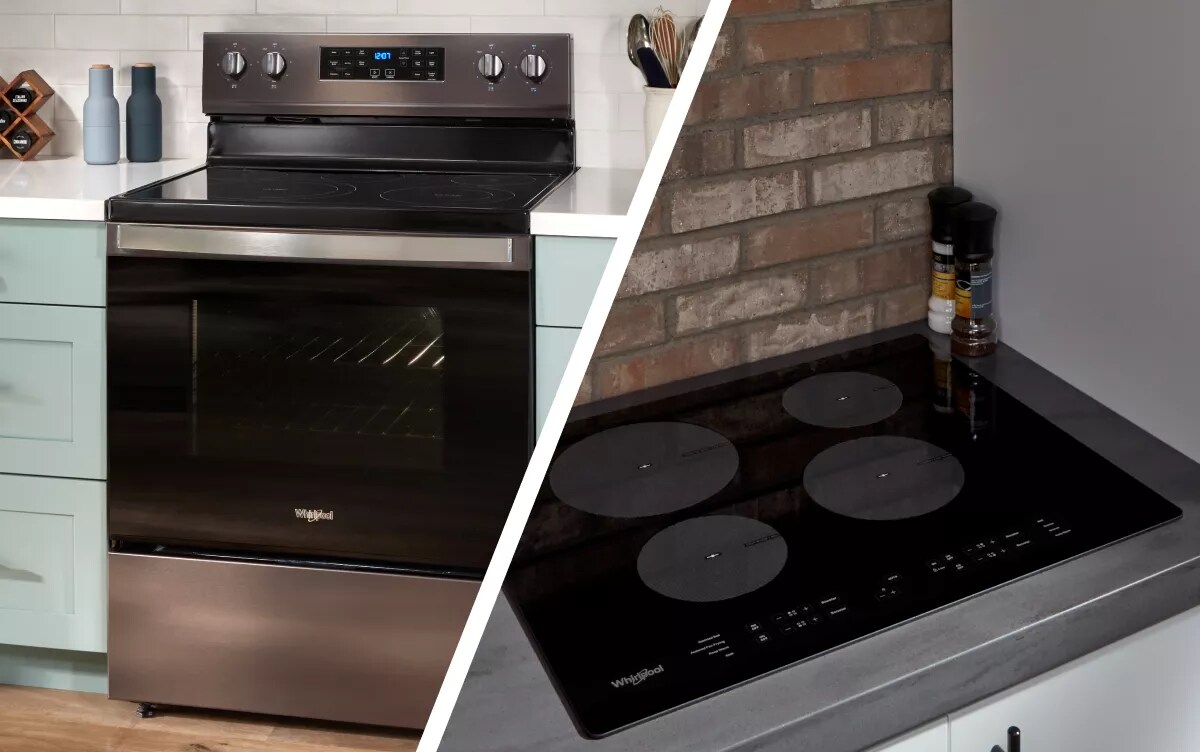
A cooktop is a flat surface with burners only. A range combines burners and an oven in one unit. Cooktops offer more flexibility in kitchen layout. Ranges provide an all-in-one cooking solution. Each suits different cooking styles and space needs.
Design And Installation
Cooktops fit into countertops. They need separate ovens installed elsewhere. This option allows customized kitchen design. Ranges are freestanding or slide-in units. They require less installation work. You just place them where plumbing and power connect.
Size And Space Considerations
Cooktops save space on countertops. Ideal for kitchens with limited room. They offer various sizes and burner configurations. Ranges take up more floor space. They combine cooking and baking areas. Choose based on your kitchen size and cooking habits.
Cooking Performance
Cooking performance is a key factor when choosing between a cooktop and a range. It affects how well your food cooks and how easy the process is. Both appliances offer different features that impact heat control, burner options, and oven quality. Understanding these differences helps you pick the best fit for your kitchen.
Heat Control And Efficiency
Cooktops often provide precise heat control. They allow quick changes in temperature for better cooking results. Gas cooktops heat instantly and cool down fast. Electric cooktops may take longer but offer steady heat. Ranges combine cooktop and oven heat control in one unit. Some ranges have advanced features to improve cooking speed and save energy.
Burner Types And Options
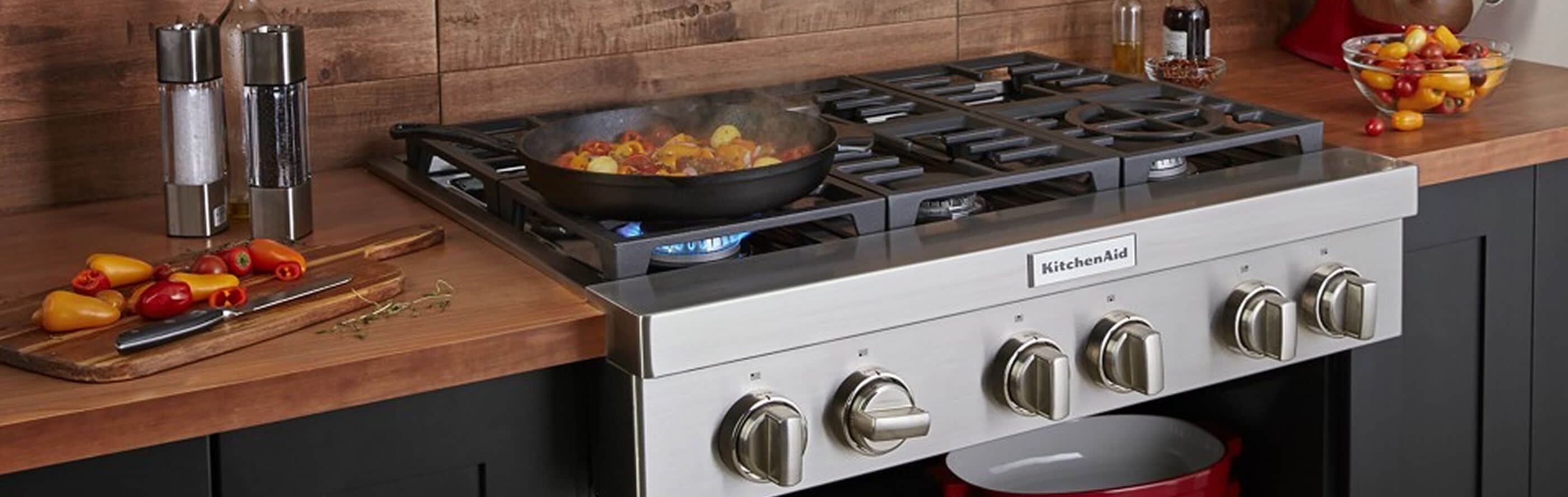
Cooktops come with various burner types. You can find sealed burners, open burners, and dual burners. These options fit different cooking styles and pot sizes. Ranges usually have standard burners but may include special ones like griddles or warming zones. More burner options mean more flexibility in cooking multiple dishes at once.
Oven Quality And Capacity
Ranges include an oven, making them a two-in-one appliance. Oven size varies by model and affects how much food you can cook. Some ovens offer convection cooking for even heat and faster baking. Cooktops do not have ovens, so you need a separate oven for baking. Oven quality is important if baking or roasting is a regular part of your cooking.
Kitchen Layout Impact
The choice between a cooktop and a range affects the kitchen layout significantly. Each option changes how space, ventilation, and accessibility work together. These factors impact cooking ease and overall kitchen flow. Understanding them helps decide the best fit for your kitchen design.
Countertop Space
Cooktops free up more countertop space. They fit flush with the counter, allowing extra room for food prep. Ranges combine cooktop and oven, taking up more space. Smaller kitchens benefit from cooktops. They keep counters open and usable. Ranges suit bigger kitchens with ample room.
Ventilation Needs
Cooktops often need separate ventilation systems above them. This can be a hood or downdraft vent. Proper ventilation removes smoke and odors effectively. Ranges usually have built-in ventilation or require a hood too. Vent placement depends on the cooking surface location. Planning ventilation early avoids issues later.
Accessibility And Ergonomics
Cooktops allow flexible placement for comfort and access. You can install them at different heights. This suits tall or short users. Ranges have fixed height and design. They combine oven and cooktop controls in one place. This setup may suit some users better. Consider how you move and reach during cooking.
Credit: www.whirlpool.com
Maintenance And Cleaning
Maintenance and cleaning play a big role in choosing between a cooktop and a range. Both need regular care to stay safe and work well. Easy cleaning saves time and effort. Durable materials reduce repair costs. Understanding these points helps pick the best option for your kitchen.
Ease Of Cleaning
Cooktops often have flat surfaces that wipe clean quickly. Glass or ceramic tops resist stains better. Ranges have more parts like ovens and burners. These parts need separate cleaning. Burners and knobs can trap food dirt on ranges. Cooktops usually have fewer cracks and edges. This means less chance for grime to hide.
Ovens in ranges need deeper cleaning. They can collect grease and spills inside. Cleaning ovens takes more time and special cleaners. Cooktops usually need just a quick wipe after cooking. This can be easier for daily use.
Durability And Repairs
Ranges have more parts, so more things can break. Ovens, burners, and controls may need repair. Repairs can cost more and take longer. Cooktops have fewer parts and simpler designs. This can mean fewer repairs overall. Glass tops can crack if hit hard. Gas cooktops may need burner replacements sometimes.
Material quality affects how long both last. Stainless steel parts tend to resist rust and wear. Regular cleaning helps keep all appliances working longer. Avoid harsh chemicals that damage surfaces. Choosing well-made products reduces repair needs and costs.
Cost Factors
Cost plays a big role in choosing between a cooktop and a range. Many factors affect the total price you pay. These costs include buying, installing, and running the appliance over time. Understanding these costs helps you pick the best option for your kitchen and budget.
Initial Purchase Price
Cooktops often cost less upfront than ranges. The price depends on size, brand, and features. Simple cooktops are cheaper. High-end models with many burners cost more. Ranges combine an oven and cooktop. This means they usually have a higher starting price. But buying one appliance instead of two can save money.
Installation Expenses
Installing a cooktop may need custom countertop work. This can add to the cost. You might also need new gas or electrical lines. Ranges are easier to install. They usually fit into standard spaces. Installation costs for ranges are often lower. Still, some models require special hookups. That can raise the price.
Long-term Operating Costs
Energy use affects operating costs. Electric cooktops often use more electricity than gas. Gas cooktops can be cheaper to run. Ranges with ovens use more energy overall. Maintenance costs matter too. Cooktops have fewer parts to fix or replace. Ranges have ovens and burners, which may increase repair bills. Think about energy and upkeep before buying.
Credit: www.kitchenaid.com
Style And Aesthetics
Style and aesthetics play a big role in choosing between a cooktop or a range. Both add to the kitchen’s look but in different ways. The right choice changes the room’s feel and how modern or classic it appears.
Design Options
Cooktops offer a sleek, built-in look. They fit flush with countertops for a smooth surface. This design suits modern kitchens with clean lines. Ranges stand alone and often become a kitchen’s centerpiece. They come in many styles, from vintage to ultra-modern. Ranges also bring a sense of tradition and solidity.
Customization Possibilities
Cooktops allow flexibility in placement. You can choose the size, number of burners, and finish. Materials include glass, stainless steel, and ceramic. Some cooktops have touch controls or downdraft vents. Ranges offer fewer placement options but more style choices. You can select colors, knobs, and oven styles. Some ranges have double ovens or warming drawers. Both options let you match kitchen decor and personal taste.
Safety Considerations
Safety is a top concern in any kitchen. Choosing between a cooktop and a range means thinking about how safe each option is. Both have features that help prevent accidents and protect your family. Understanding these safety aspects can help you pick the best choice for your home.
Safety Features
Cooktops and ranges come with different safety features. Many models include automatic shut-off systems. These stop the heat if a burner is left on too long. Some have sensors that detect spills and turn off the burner. Induction cooktops only heat the pan, not the surface, reducing burn risks. Ranges often have locked knobs to prevent accidental changes. These features lower the chance of fires and burns.
Childproofing Options
Families with children need extra safety steps. Both cooktops and ranges offer childproof locks. These locks block the knobs or touch controls. Some models have control panels that can be hidden or locked. This stops kids from turning on burners or ovens. Cooktops with smooth glass surfaces are easier to clean and safer for kids. Choosing appliances with childproofing can give parents peace of mind.
Best Fit For Different Users
Choosing between a cooktop and a range depends on who will use it and how. Each option suits different needs and spaces. Understanding the best fit helps in making the right choice. This section explains which appliance suits various users.
Home Cooks
Home cooks enjoy flexibility and style. A cooktop fits well in modern kitchens. It offers more countertop space. Cooking multiple dishes becomes easier with a separate oven. The design often blends well with kitchen decor.
Professional Chefs
Professional chefs need powerful, reliable equipment. A range combines stovetop and oven in one unit. It often has larger burners and higher heat output. This setup handles heavy use and fast cooking. The range supports a fast kitchen workflow.
Small Kitchens
Small kitchens benefit from space-saving appliances. A cooktop takes less room than a range. It can be installed above a wall oven. This arrangement frees up floor space. Small kitchens feel less crowded with a cooktop.
Large Families
Large families need to cook big meals quickly. A range with multiple burners and a big oven works well. It allows cooking several dishes at once. The combined unit is easy to manage and clean. Large families find ranges more practical for daily use.
Frequently Asked Questions
What Are The Main Differences Between A Cooktop And A Range?
A cooktop is a standalone cooking surface, while a range combines a cooktop with an oven below. Cooktops offer more kitchen design flexibility, whereas ranges provide an all-in-one cooking solution.
Which Is More Space-efficient, Cooktop Or Range?
Cooktops save counter space and allow for flexible kitchen layouts. Ranges require a dedicated space but combine cooking and baking functions in one unit.
Are Cooktops Or Ranges Easier To Clean?
Cooktops often have fewer crevices and are easier to wipe down. Ranges can be harder to clean due to oven spills and knobs.
Which Offers Better Cooking Control, Cooktop Or Range?
Cooktops often provide precise temperature control with separate burners. Ranges offer similar control but may vary depending on the model and fuel type.
Conclusion
Choosing between a cooktop and a range depends on your kitchen space and cooking style. Cooktops offer flexibility and modern design. Ranges combine stove and oven in one unit for convenience. Think about how you cook daily and what fits your kitchen best.
Both options can work well if matched to your needs. Your choice should make cooking easier and enjoyable. Simple and practical wins every time.

Hello, This is Annie Walker, a 38-year-old blogger, founder, and editor of Cookware Guider from NY, USA. I am a cookware fanatic and passionate cooker. I love to cook with different types of cooking appliances (example: all types of cookware, rice cookers, slow cookers, etc) almost every day in my kitchen. I love to share my experience with my readers in my blog. Also, I enjoy helping people to solve their problems through my website. You can follow me on Twitter & Pinterest. To know details about my blog please check the about us page.