
If you’ve ever wondered where Staub cookware is made, you’re not alone. You want to know the story behind the quality and craftsmanship of these popular pots and pans.
Knowing where your cookware comes from can give you confidence in your purchase and help you appreciate what’s on your stove. You’ll discover the origins of Staub cookware and why its place of manufacture matters for your cooking experience. Keep reading to find out what makes Staub stand out in the kitchen.
Staub’s Origin
Staub cookware is famous for its quality and durability. Its origin plays a big role in why many chefs and home cooks trust the brand. Understanding Staub’s origin helps explain its design and making process. This section explores where Staub cookware comes from and its rich history.
Staub’s Birthplace: The Heart Of French Craftsmanship
Staub was founded in 1974 in the small town of Alsace, France. This region is known for its strong tradition in metalwork and cooking tools. Craftsmen in Alsace focus on precision and quality, which shaped Staub’s reputation.
The cookware is made using old and modern techniques. This mix creates pieces that last many years.
Manufacturing Process In France
Each Staub product is made in French factories. The process includes:
- Casting: Molten cast iron is poured into molds.
- Cooling: The cast iron cools and hardens.
- Enameling: A layer of enamel is applied for durability and color.
- Quality checks: Every item is inspected for flaws.
All steps happen under strict control to keep high standards.
Why French Origin Matters
French origin means Staub cookware holds a special place in the market. Here are key reasons:
| Aspect | Benefit |
|---|---|
| Traditional Craft | Skilled workers use time-tested methods |
| High Quality | Strong, long-lasting materials |
| Design | Elegant and functional cookware |
| Authenticity | Made in France, true to its roots |
Manufacturing Location
Staub cookware is known for its quality and durability. The manufacturing location plays a key role in this reputation. Understanding where these products are made helps buyers trust their craftsmanship and design. Staub focuses on combining traditional methods with modern technology to create cookware that lasts.
Where Is Staub Cookware Made?
Staub cookware is made in France. The company operates a factory in the town of Arbois, located in the Jura region. This area is famous for its skilled artisans and rich history in metalwork. Each piece of cookware is crafted with care and attention to detail.
Manufacturing Process In Arbois
The production process includes several key steps:
- Raw Material Preparation: High-quality cast iron is sourced and prepared.
- Molding: The iron is poured into molds to form the basic shape.
- Enameling: Multiple layers of enamel are applied by hand for a smooth finish.
- Quality Control: Every product is inspected to meet strict standards.
This careful process ensures that each piece of Staub cookware is durable and heat efficient.
Why Manufacturing Location Matters
The location in France offers several advantages:
- Skilled Labor: Experienced artisans ensure high craftsmanship.
- Strict Quality Standards: French regulations maintain product safety and durability.
- Preservation of Tradition: Traditional methods add value and uniqueness.
Choosing cookware made in France means investing in a product built with care and quality.
Materials Used
Staub cookware is renowned for its quality and durability. The secret lies in the materials used to make each piece. Staub combines traditional craftsmanship with modern materials to create cookware that lasts long and cooks evenly. Every material plays a key role in performance and appearance.
Cast Iron Base
Staub uses high-quality cast iron as the base material for most of its cookware. Cast iron holds heat well and distributes it evenly, which helps to cook food uniformly. This material also keeps food warm for a long time after cooking.
The cast iron in Staub cookware is enamel-coated to prevent rust and make cleaning easier. The enamel layer is durable and resistant to chipping.
Enamel Coating
The enamel coating is a smooth glass layer fused to the cast iron. It offers several benefits:
- Non-reactive surface: No metal taste or reaction with acidic food.
- Easy to clean: Food does not stick easily.
- Colorful finish: Available in various attractive colors.
- Heat resistant: Can handle high cooking temperatures.
Stainless Steel Components
Handles and lids on Staub cookware are often made from stainless steel. This material is strong and resists rust and corrosion. It also stays cool to the touch longer than cast iron handles.
The stainless steel lids usually have a self-basting spike system, which helps keep food moist by letting condensation drip evenly.
Silicone And Other Materials
Some Staub pieces feature silicone handles or knobs for added comfort and heat resistance. Silicone provides a non-slip grip and protects hands from burns.
Occasionally, Staub uses other materials like aluminum for specific parts to reduce weight or improve heat conduction.
| Material | Use | Benefit |
|---|---|---|
| Cast Iron | Cookware body | Excellent heat retention and durability |
| Enamel Coating | Cookware surface | Non-stick, easy cleaning, colorful finish |
| Stainless Steel | Handles and lids | Rust-resistant, stays cool, durable |
| Silicone | Handles/knobs | Heat resistant, comfortable grip |

Production Techniques
Staub cookware is known for its quality and durability. The brand uses special production techniques to create cookware that lasts. These methods help Staub stand out in the market. Each piece is made with care and skill. The process combines modern technology and traditional craftsmanship. This ensures every item performs well and looks great.
Casting ProcessStaub cookware is made using a unique casting process. Molten iron is poured into sand molds. This method helps shape the cookware perfectly. The cast iron cools slowly to keep strength and durability. Each mold is checked for quality before moving to the next step.
Hand FinishingAfter casting, every piece gets hand finishing. Skilled workers smooth rough edges and check for flaws. This step gives the cookware a smooth surface. It also improves the look and feel. Hand finishing ensures every product is flawless and ready for use.
Enameling TechniqueStaub uses a special enameling technique on their cookware. The enamel coating protects the iron from rust. It also helps with heat distribution. This layer is applied by hand and baked at high temperatures. The enamel makes the cookware easy to clean and maintain.
Quality ControlStrict quality control checks happen throughout production. Each piece is tested for durability, coating, and shape. This ensures customers get only the best cookware. Defects are caught early and fixed. Quality control keeps Staub’s reputation strong worldwide.
Quality Control Standards
Staub cookware is known for its excellent quality and durability. This reputation comes from strict quality control standards during production. Every piece undergoes careful checks to ensure it meets high expectations. These standards help Staub deliver products that last long and perform well in kitchens worldwide.
Manufacturing Process Checks
Staub cookware is made in France, where skilled artisans use traditional methods combined with modern technology. Each step of the manufacturing process is closely monitored. This includes:
- Inspecting raw materials for purity and strength
- Careful molding and casting to avoid defects
- Hand finishing to smooth edges and surfaces
- Applying enamel coating with precision for durability
These checks help ensure every product is flawless before moving to the next stage.
Testing For Performance And Safety
Staub performs multiple tests to guarantee cookware works well and is safe to use. These tests include:
- Heat resistance tests to withstand high cooking temperatures
- Durability tests to resist chipping and cracking
- Non-toxicity checks on enamel coatings
- Fit and seal tests for lids to keep moisture and flavor
Such tests confirm that Staub cookware meets strict safety and performance standards.
Final Inspection And Packaging
Before shipping, each Staub product passes a final inspection. Experts look for:
- Any visible defects or color inconsistencies
- Proper lid fit and handle security
- Complete product labeling and instructions
- Secure packaging to prevent damage during transport
This final step ensures customers receive cookware in perfect condition.
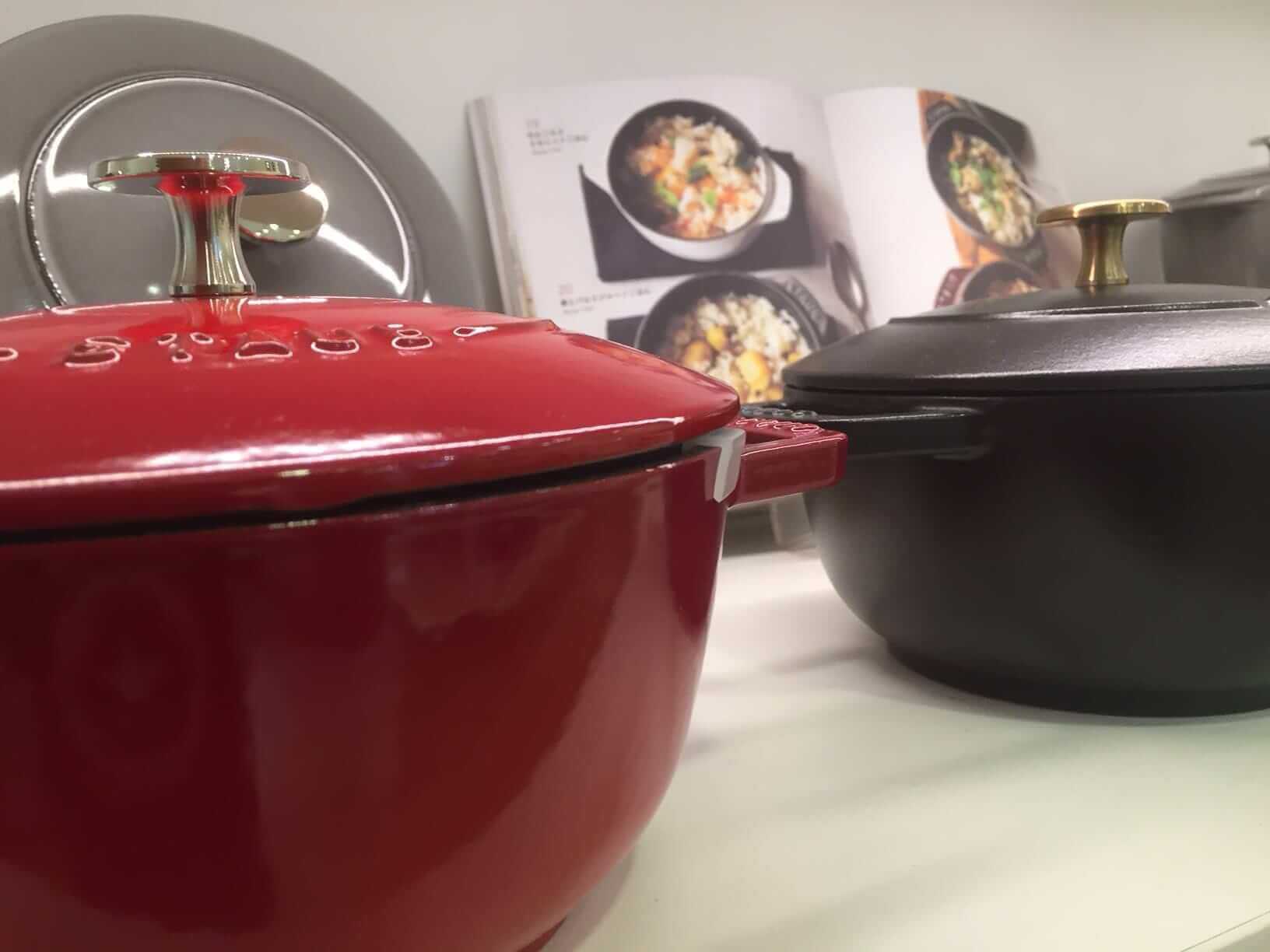
Comparison With Other Brands
Staub cookware is made in France, known for its high-quality cast iron and beautiful design. Comparing Staub with other popular brands helps understand its unique features. Each brand has its own strengths and suits different cooking needs.
Staub Vs Le Creuset
Both Staub and Le Creuset are French brands with excellent reputations. Staub cookware has a matte black enamel interior that improves with use. Le Creuset offers bright, colorful enamel interiors that are easier to clean.
- Staub: Heavy lids hold moisture inside food.
- Le Creuset: Lighter lids for easier handling.
- Price: Staub usually costs more than Le Creuset.
Staub Vs Lodge
Lodge is an American brand known for affordable cast iron cookware. Staub products are more expensive but have a smooth enamel coating. Lodge cookware requires seasoning and care to avoid rust.
| Feature | Staub | Lodge |
|---|---|---|
| Material | Enamel-coated cast iron | Raw cast iron |
| Maintenance | Easy to clean, dishwasher safe | Needs seasoning and hand wash |
| Durability | Very durable, chip-resistant | Durable but prone to rust |
Staub Vs Cuisinart
Cuisinart offers a wide range of cookware types, mostly stainless steel and non-stick. Staub focuses mainly on cast iron with enamel coating. Staub heats evenly and retains heat longer than most Cuisinart pieces.
- Staub: Best for slow cooking and braising.
- Cuisinart: Good for everyday quick cooking.
- Weight: Staub is heavier, Cuisinart is lighter.
Impact Of Location On Quality
Staub cookware is crafted in France, a country known for its rich history in metalwork and culinary arts. The location where cookware is made greatly affects its quality. The skills of local artisans, available materials, and manufacturing standards all influence the final product. French craftsmanship adds value and durability to Staub pots and pans.
Skilled Artisans Enhance Craftsmanship
Staub cookware is handmade by expert artisans in France. These workers have years of experience and use traditional methods. Their knowledge ensures each piece meets high standards.
- Precise casting techniques
- Attention to detail in finishing
- Strict quality control
French artisans maintain a high level of quality. This attention to detail results in cookware that lasts for years.
Local Materials Influence Durability
Staub uses premium cast iron and enamel sourced locally in France. This choice ensures strength and heat retention in every product.
| Material | Source | Benefit |
|---|---|---|
| Cast Iron | French foundries | Excellent heat retention and durability |
| Enamel Coating | Local suppliers | Non-stick surface and easy cleaning |
Strict Manufacturing Standards In France
France enforces strict rules for product safety and quality. Staub follows these regulations closely. This focus guarantees reliable cookware.
- Regular inspections during production
- Use of eco-friendly processes
- Testing for heat resistance and safety
These standards ensure Staub cookware performs well and is safe for daily use.
Sustainability Practices
Sustainability practices are important for cookware brands like Staub. They help protect the environment and support ethical work conditions. Staub, known for its high-quality cast iron cookware, also focuses on reducing its environmental impact during production. This section explains how Staub commits to sustainability in its manufacturing process.
Sourcing Of Raw Materials
Staub uses high-quality cast iron and enamel. The raw materials come from suppliers who follow strict environmental rules. This helps limit pollution and waste during material extraction.
- Use of recycled metals when possible
- Selection of suppliers with eco-friendly certifications
- Strict control over material quality to reduce defects
Energy Efficiency In Production
Staub’s factories use energy-saving methods to lower carbon emissions. Machines and ovens are optimized for less energy consumption. This process helps reduce the brand’s overall carbon footprint.
- Modern furnaces with better heat control
- Use of renewable energy sources where available
- Regular maintenance of equipment to keep energy use low
Waste Reduction And Recycling
Staub aims to produce less waste during manufacturing. Leftover materials are recycled or reused in other products. Packaging uses minimal material and is recyclable.
| Practice | Details |
|---|---|
| Material Recycling | Scrap metal melted and reused |
| Packaging | Recyclable cardboard and paper |
| Waste Management | Proper disposal of hazardous waste |
Worker Safety And Fair Labor
Staub prioritizes safe work environments. Employees receive regular training on safety rules. The company also ensures fair wages and good working conditions.
- Compliance with labor laws in France
- Health and safety programs for workers
- Regular audits and improvements in workplace

Frequently Asked Questions
Where Is Staub Cookware Manufactured?
Staub cookware is made in France, specifically in the Alsace region. This area is known for its high-quality cast iron production. Each piece is handcrafted, ensuring durability and premium craftsmanship. French manufacturing guarantees authentic and reliable Staub cookware.
Why Is Staub Made In France?
Staub is made in France to maintain traditional craftsmanship. French artisans use time-tested techniques for superior quality. The region’s expertise in cast iron ensures durability and excellent cooking performance. This heritage adds value and authenticity to Staub products.
Does Staub Cookware Use Local Materials?
Yes, Staub cookware primarily uses local French materials. The cast iron and enamel are sourced and processed in France. This ensures strict quality control and supports local industry. Using local materials guarantees Staub’s high standards and product consistency.
How Does French Manufacturing Affect Staub Quality?
French manufacturing ensures Staub cookware is durable and reliable. Skilled artisans oversee every production stage. This process maintains precise standards and excellent finish. The result is cookware that performs well and lasts for decades.
Conclusion
Staub cookware is made in France, known for quality and durability. Each piece is crafted with care to ensure long-lasting use. The brand keeps traditional methods alive while using modern technology. This makes Staub a trusted choice for many kitchens worldwide.
Knowing where it is made helps you appreciate its value and craft. Choose Staub for cookware built to perform and last. Simple, strong, and French-made—Staub stands out in cookware.

Hello, This is Annie Walker, a 38-year-old blogger, founder, and editor of Cookware Guider from NY, USA. I am a cookware fanatic and passionate cooker. I love to cook with different types of cooking appliances (example: all types of cookware, rice cookers, slow cookers, etc) almost every day in my kitchen. I love to share my experience with my readers in my blog. Also, I enjoy helping people to solve their problems through my website. You can follow me on Twitter & Pinterest. To know details about my blog please check the about us page.