
If you’re thinking about upgrading your kitchen tools, you’ve probably come across Viking Cookware. But have you ever wondered where Viking Cookware is actually made?
Knowing the origin of your cookware can give you confidence in its quality and durability. You’ll discover exactly where Viking Cookware comes from and why that matters for your cooking experience. Keep reading to find out how this can impact your next meal and help you make the best choice for your kitchen.

Credit: www.vikingculinaryproducts.com
Origins Of Viking Cookware
Viking Cookware is known for its quality and durability. Many wonder about the origins of Viking Cookware and where it is made. Understanding its history helps appreciate why it stands out in kitchens.
Viking Cookware started in the early 1980s. The company focused on making strong, professional-grade cookware. The founders aimed to bring restaurant-quality tools to home cooks. Their mission was clear: create cookware that lasts and performs well.
Viking Cookware is primarily made in the United States. The main production facility is in Greenwood, Mississippi. This location helps control quality and ensures high manufacturing standards. Some parts may come from other countries, but final assembly happens in the U.S.
Materials and CraftsmanshipViking uses high-quality stainless steel and aluminum for its cookware. The materials offer excellent heat distribution and durability. Skilled workers assemble each piece with care. This craftsmanship makes Viking Cookware reliable for everyday use.
Company Evolution and GrowthOver the years, Viking Cookware expanded its product range. It now includes pots, pans, and specialty cooking tools. The brand continues to focus on quality and innovation. This growth keeps Viking popular among home chefs and professionals.
Manufacturing Locations
Viking Cookware is known for its quality and durability. Understanding where it is made helps buyers trust the brand more. The brand uses several manufacturing locations to produce their cookware. These sites include both domestic and international factories. Each location plays a role in crafting different parts of Viking products. This section explains the main places where Viking cookware is made and assembled.
Domestic Production Sites
Viking Cookware has a strong presence in the United States. Their domestic production sites focus on precise craftsmanship and quality control. These factories handle important stages of cookware creation, such as finishing and assembly. Producing parts locally helps maintain high standards and faster delivery times.
The main domestic production features include:
- Assembly of cookware sets ensuring perfect fit and finish
- Quality inspections performed by skilled workers
- Use of advanced machinery for shaping and polishing
- Testing for durability and heat resistance
Domestic sites are often located in states known for manufacturing expertise. For example, parts of Viking cookware are assembled in South Carolina and Ohio. These locations benefit from strong industrial backgrounds and experienced labor forces.
| Domestic Site | Primary Function | Location |
|---|---|---|
| Assembly Plant | Cookware assembly and finishing | Greenville, South Carolina |
| Quality Control Center | Inspection and testing | Cleveland, Ohio |
International Factories
Viking Cookware also uses international factories for producing raw materials and some components. These factories focus on metal forming, coating, and initial shaping. Working with international factories helps reduce production costs without losing quality.
The main countries hosting these factories include:
- China – For stainless steel parts and handles
- Vietnam – For non-stick coating and cookware bases
- Mexico – For some aluminum cookware bodies
Each international factory follows strict guidelines set by Viking to maintain product consistency. This cooperation ensures the cookware meets global safety and performance standards. These factories use modern technology and skilled workers trained to meet Viking’s needs.
| Country | Production Role | Key Products |
|---|---|---|
| China | Metal parts fabrication | Stainless steel handles, lids |
| Vietnam | Coating and base molding | Non-stick cookware, bases |
| Mexico | Body shaping | Aluminum cookware bodies |
Materials Used In Viking Cookware
Viking cookware is known for its quality and durability. The materials used in Viking cookware play a key role in its performance and longevity. Understanding these materials helps you choose the right cookware for your kitchen. Viking combines strong metals and smart coatings to make cooking easier and more enjoyable.
Stainless Steel Components
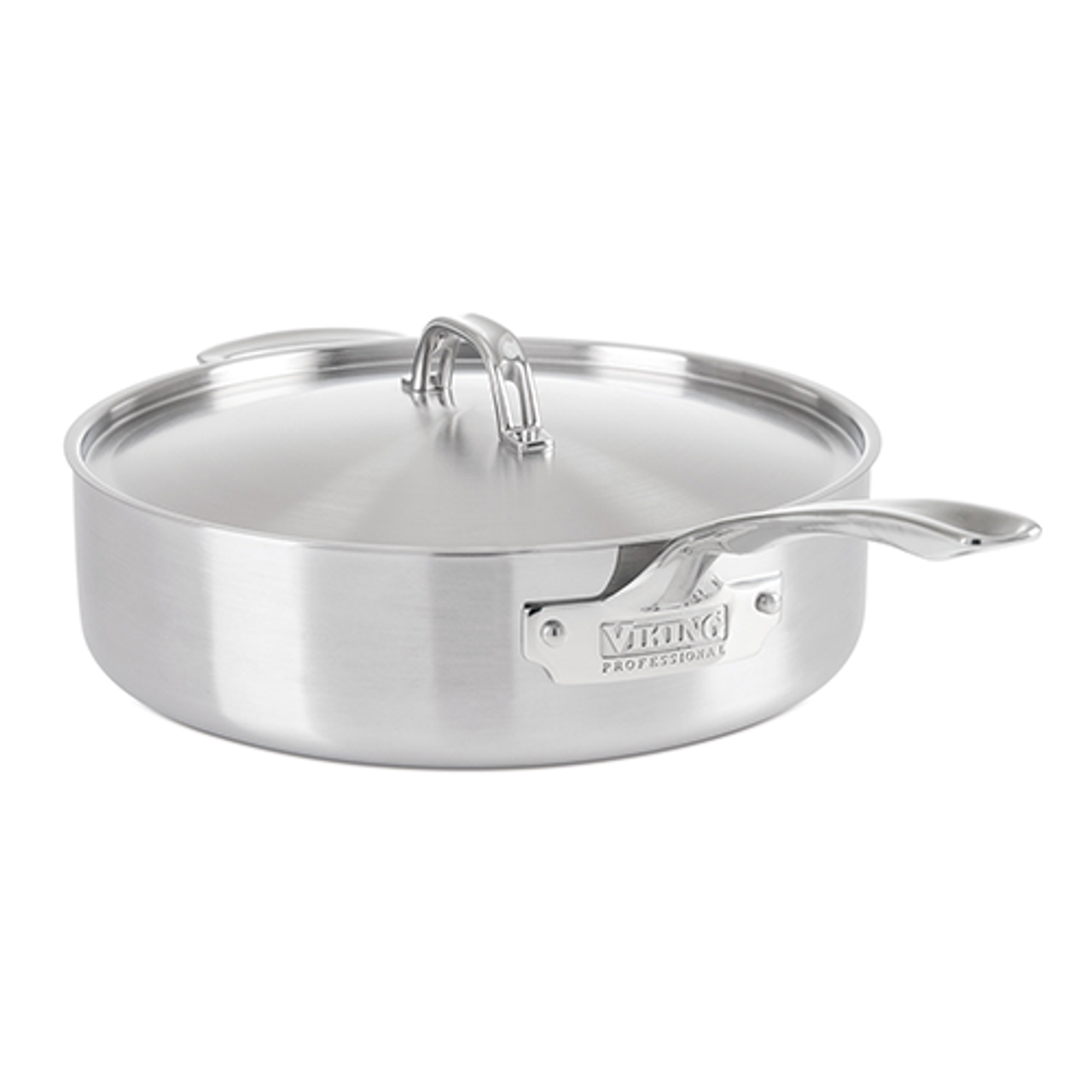
Viking uses high-quality stainless steel in many parts of its cookware. Stainless steel is popular because it does not rust or stain easily. It also looks shiny and clean for a long time. The steel used is usually 18/10 stainless steel. This means it has 18% chromium and 10% nickel. Chromium adds rust resistance, and nickel makes the steel shine and adds strength.
Here are some benefits of stainless steel in Viking cookware:
- Strong and durable for everyday use
- Resists scratches and dents
- Does not react with acidic foods like tomatoes or vinegar
- Easy to clean and maintain
Viking cookware often has a multi-ply construction. This means layers of stainless steel and other metals are bonded together. The table below shows a common structure:
| Layer | Material | Purpose |
|---|---|---|
| Inner Layer | 18/10 Stainless Steel | Safe cooking surface |
| Core Layer | Aluminum or Copper | Even heat distribution |
| Outer Layer | 18/10 Stainless Steel | Durability and induction compatibility |
This design prevents hot spots and helps food cook evenly. The stainless steel layers also make the cookware dishwasher safe and resistant to warping.
Nonstick Coatings
Viking cookware offers nonstick options with advanced coatings. These coatings allow food to slide off easily, making cooking and cleaning simple. The nonstick layers are made to be strong and safe for cooking.
Common features of Viking nonstick coatings include:
- Multiple layers for durability
- Safe for use with metal utensils in some models
- Free from harmful chemicals like PFOA
- Good resistance to scratching and peeling
The coatings work best on aluminum cores. Aluminum heats up quickly and evenly, enhancing the nonstick effect. Here is a simple comparison of the materials involved:
| Material | Role |
|---|---|
| Aluminum Core | Fast, even heating |
| Nonstick Coating | Prevents food sticking |
| Exterior Stainless Steel | Strength and durability |
These coatings reduce the need for oil or butter, promoting healthier cooking. Users can cook eggs, pancakes, and delicate fish without worry. Cleaning the pans is faster since food does not cling to the surface.
Credit: cookswarehouse.com
Quality Control And Standards
Quality control and standards are key to Viking Cookware’s reputation. The company focuses on strict checks to ensure every product meets high expectations. This means each piece of cookware is safe, durable, and performs well in kitchens worldwide.
Quality Control Process
Viking Cookware uses a multi-step quality control process. Each item goes through inspections at different stages of production. This helps catch issues early and keeps the final product reliable. The steps include:
- Material testing
- Precision manufacturing checks
- Heat resistance and durability tests
- Final product inspection
Compliance With Industry Standards
Viking Cookware follows strict industry standards to ensure safety and quality. It meets certifications such as:
| Standard | Description |
|---|---|
| FDA Approved Materials | Safe for food contact without harmful chemicals |
| ISO 9001 | International quality management system certification |
| LFGB Certification | Ensures cookware is free from hazardous substances |
Continuous Improvement And Testing
Viking invests in ongoing testing to improve its cookware. They collect feedback and run stress tests to boost product performance. This constant effort helps maintain high standards and customer trust.
Impact Of Manufacturing On Performance
Impact of Manufacturing on Performance plays a key role in the quality of Viking cookware. The place and process of making cookware affect how well it cooks and lasts. Viking cookware is known for its durability and even heat distribution. These features come from careful manufacturing choices.
Material Quality and SourcingViking cookware uses high-grade stainless steel and aluminum. These materials come from trusted sources. Good materials improve heat conduction and prevent rust.
- Stainless steel: Resists corrosion and keeps food safe.
- Aluminum core: Spreads heat evenly for better cooking.
The cookware is made using advanced methods. These include layering metals and tight welding. This precision ensures even heat and strong pots and pans.
- Multi-ply construction for heat control.
- Laser welding to prevent weak spots.
- Polished surfaces for easy cleaning.
Every piece of Viking cookware goes through strict tests. These checks keep performance consistent. Testing includes:
| Test Type | Purpose |
|---|---|
| Heat Distribution Test | Ensures food cooks evenly. |
| Durability Test | Checks resistance to warping and damage. |
| Finish Inspection | Verifies surface smoothness and polish. |
Customer Insights On Origin
Many buyers want to know where Viking Cookware is made. Customers often ask about its origin to understand quality and trust. Knowing where a product comes from helps people feel confident in their purchase. Here, we share what customers say about the origin of Viking Cookware.
Customer Opinions On Viking Cookware’s Manufacturing Location
Most customers report that Viking Cookware is made in the United States. They feel proud to buy American-made products. Some mention that Viking focuses on high-quality production in the USA, which adds value.
- Many users say the cookware feels sturdy and well-made.
- Customers trust the brand because of its American roots.
- Some buyers appreciate the local manufacturing for job support.
Trust And Quality Linked To Origin
Customers often link the cookware’s quality to its origin. They believe products made in the USA have strict quality checks. This belief increases their trust in Viking Cookware’s durability and performance.
- Quality materials come from trusted suppliers.
- Careful assembly ensures long-lasting cookware.
- Origin affects customer satisfaction and reviews.
Common Questions From Customers About Origin
| Question | Customer Concern | Typical Answer |
|---|---|---|
| Where is Viking Cookware made? | Wants to know if it’s made in the USA. | Mostly manufactured in the United States. |
| Is the quality good because of origin? | Worries about product durability. | High quality due to strict US standards. |
| Are parts imported? | Concern about mixed origin parts. | Some parts may be sourced globally, but final assembly is in the USA. |

Credit: www.youtube.com
Frequently Asked Questions
Where Is Viking Cookware Manufactured?
Viking Cookware is primarily made in the United States. The company emphasizes high-quality craftsmanship and sources materials domestically. Their production facilities focus on durability and performance, ensuring each piece meets strict standards. This local manufacturing supports American jobs and guarantees superior product quality.
Does Viking Cookware Use Imported Materials?
Yes, Viking Cookware combines domestic manufacturing with select imported materials. They source premium metals globally to enhance cookware performance. However, final assembly and quality checks occur in the U. S. This blend ensures durability and top-tier cooking results while maintaining American craftsmanship.
How Does Viking Ensure Cookware Quality?
Viking employs rigorous quality control processes throughout manufacturing. Each cookware piece undergoes multiple inspections for material integrity and finish. They use advanced technology alongside skilled artisans. This ensures consistent heat distribution, durability, and lifetime performance, reflecting Viking’s commitment to excellence.
Is Viking Cookware Made In The Usa Or Overseas?
Viking Cookware is mainly made in the USA, with some components imported. The company prioritizes U. S. production to maintain high standards. Overseas parts are carefully selected to complement their domestic manufacturing process. This approach balances quality with cost-effectiveness.
Conclusion
Viking cookware is made in the United States. The company focuses on quality and durability. Their products are crafted with strong materials. Many cooks trust Viking for reliable kitchen tools. Knowing where cookware is made helps buyers choose wisely. It also shows the brand’s commitment to good standards.
This makes Viking a solid choice for your kitchen. You get well-made pots and pans that last. Simple, sturdy, and made close to home. That’s what Viking cookware offers to every cook.

Hello, This is Annie Walker, a 38-year-old blogger, founder, and editor of Cookware Guider from NY, USA. I am a cookware fanatic and passionate cooker. I love to cook with different types of cooking appliances (example: all types of cookware, rice cookers, slow cookers, etc) almost every day in my kitchen. I love to share my experience with my readers in my blog. Also, I enjoy helping people to solve their problems through my website. You can follow me on Twitter & Pinterest. To know details about my blog please check the about us page.