
Have you ever wished your cooktop could handle larger pots or multiple pans without crowding? That’s where a bridge element on a cooktop comes in.
It’s a simple feature that can change how you cook, making your kitchen tasks easier and more efficient. If you’re curious about what a bridge element is and how it can improve your cooking experience, keep reading. You’re about to discover a smart way to get more from your cooktop every day.
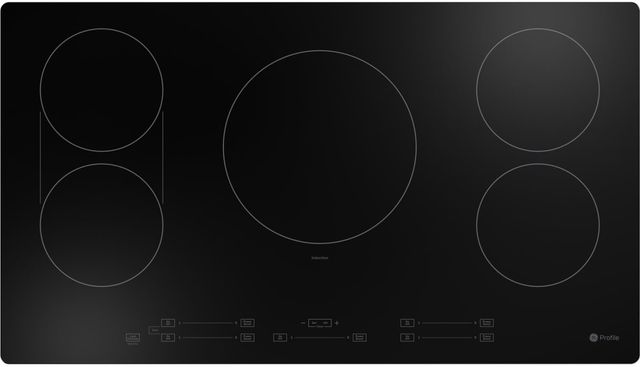
Credit: www.reckerandboergerhomeappliance.com
Bridge Element Basics
Understanding the basics of a bridge element helps you use your cooktop better. This feature changes how you cook with different pots and pans. It gives you more space to cook on your stove.
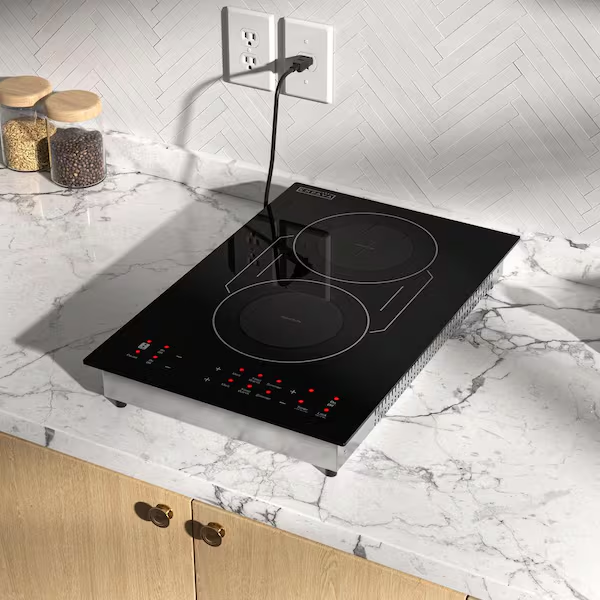
Bridge elements work by joining two burners into one larger heating area. This setup is perfect for big pans or griddles. It makes cooking easier for meals that need more surface area.
What Is A Bridge Element
A bridge element is a special part of a cooktop. It connects two cooking zones to create one wide heating surface. This helps heat large pots or pans evenly. It is common in electric and induction cooktops. The design lets you cook with bigger cookware without hot spots.
Types Of Cooktop Elements
Cooktops have different element types to fit various cooking needs. Standard elements are round and heat one pot at a time. Dual elements have two sizes in one burner. Bridge elements combine two zones for wider use. Induction elements heat faster and use magnetic fields. Each type offers unique cooking options.
How Bridge Elements Work
Bridge elements on a cooktop make cooking easier and more flexible. They join two burners to create a larger heating surface. This allows you to use big pots or pans that do not fit on one burner alone. Understanding how these elements work helps you use your cooktop better.
Connecting Two Burners
The bridge element links two separate burners into one unit. It acts like a bridge between them. This connection lets both burners heat at the same time. You can place a large pan across both burners. The cooktop treats them as one big burner. This feature is useful for cooking large meals.
Heat Distribution
Bridge elements spread heat evenly across the connected burners. They keep the temperature steady under the entire pan. This stops hot spots that can burn food. The heat flows smoothly from one burner to the other. Even heat helps food cook better and faster. It also saves energy by using heat more efficiently.
Benefits Of Bridge Elements
Bridge elements on cooktops offer several benefits for everyday cooking. They provide more space and control over heating. This feature helps in cooking meals efficiently and comfortably.
These elements connect two or more burners to act as one large heating area. This design brings new possibilities for using different cookware sizes and shapes.
Cooking Large Cookware
Bridge elements allow you to use big pots and pans easily. You can place large cookware over the combined burners. Heat spreads evenly across the entire surface. This avoids hot spots and ensures better cooking results.
With a bridge element, you do not need to worry about cookware size. It fits better and cooks food more uniformly. This is ideal for making soups, stews, or dishes that need large pots.
Enhanced Cooking Flexibility
Bridge elements increase your cooking options. You can switch between using single burners or the combined element. This flexibility helps in preparing multiple dishes at once.
They work well for different cooking styles. From simmering sauces to boiling pasta, you control the heat precisely. This makes cooking smoother and less stressful.
Credit: www.homedepot.com
Using Bridge Elements Effectively
Using bridge elements effectively helps you cook with large pots and pans. These elements join two burners into one big heating zone. This feature gives even heat across wide cookware. It saves time and energy in the kitchen.
When To Use
Use a bridge element when cooking with large or long pans. Good for griddles, roasting trays, and big skillets. It helps heat food evenly on all sides. Also great for dishes needing steady, uniform heat. Avoid it for small pots or pans. It wastes energy and may cause uneven cooking.
Tips For Best Results
Place your cookware properly over the bridge element. Make sure it covers both burners fully. Use flat-bottomed pans for better contact. Adjust heat settings carefully to avoid hot spots. Clean the cooktop regularly to keep sensors working well. Turn off the bridge element when not needed to save power.
Common Issues And Troubleshooting
Bridge elements on cooktops combine two heating zones for larger pots. This feature helps cook food evenly on big pans. Still, users face some common problems with these elements. Knowing how to fix these issues saves time and effort. Below are frequent problems and easy ways to troubleshoot them.
Element Not Heating
Sometimes, the bridge element does not heat up at all. This issue may come from a faulty connection or damaged wiring inside the cooktop. Check if the element is properly turned on. Also, test the cooktop’s power supply to ensure it works. If the problem remains, the element itself might be broken. Replacing the element usually solves the problem.
Uneven Heat Problems
Uneven heat causes food to cook poorly or burn on one side. Dirt or spills can block heat flow on the bridge element. Clean the surface thoroughly before use. Also, make sure the pot sits flat on the element. Warped or uneven cookware can cause uneven heating. If the problem continues, the element may have internal damage. A professional inspection can help find the exact cause.

Credit: www.reddit.com
Maintenance And Care
Proper maintenance and care keep your bridge element working well. Regular attention helps avoid problems and extends its life. Simple habits protect the cooktop and keep it safe.
Cleaning Tips
Clean the bridge element after each use. Use a soft cloth or sponge with warm soapy water. Avoid harsh cleaners that can scratch the surface. Wipe spills quickly before they harden. For tough stains, use a gentle scrub pad carefully. Dry the area fully to prevent water spots.
Avoiding Damage
Do not place heavy pots on the bridge element. Avoid dragging cookware across the surface to stop scratches. Use cookware with smooth, flat bottoms for even heat. Turn off the element before cleaning or moving pots. Keep sharp objects away to prevent chips or cracks.
Comparing Bridge Elements To Other Cooktops
Bridge elements on cooktops offer a unique way to cook with larger pots and pans. They connect two burners to create one big heating area. This design suits wide cookware and lets you cook many dishes at once. Comparing bridge elements with other cooktops shows their special benefits and limits.
Traditional Vs. Bridge Elements
Traditional cooktops have separate burners. Each burner heats one pot or pan. They work well for small to medium cookware. Bridge elements link two burners. This creates a larger, single heating zone. It fits wide pans like griddles or large skillets. Traditional elements heat small pots faster. Bridge elements spread heat evenly over big pans. This helps avoid hot spots and burns.
Induction And Bridge Elements
Induction cooktops heat pots quickly using magnets. They need cookware with magnetic bottoms. Bridge elements also come in induction models. These combine fast heating with a big cooking surface. Induction bridge elements adjust heat precisely. They save energy by heating only the pan. Regular bridge elements use electric coils or gas. Induction bridge cooktops give better control and safety. Both types suit cooking large meals.
Frequently Asked Questions
What Is A Bridge Element On A Cooktop?
A bridge element connects two burners into one larger cooking zone. It allows even heating for bigger cookware like griddles or large pans. This feature enhances flexibility and cooking efficiency on your cooktop.
How Does A Bridge Element Work On Cooktops?
A bridge element combines two adjacent burners. It heats both burners simultaneously as a single unit. This creates a uniform heat surface ideal for oversized pots and pans.
Which Cooktops Have Bridge Elements?
Bridge elements are common on induction and electric cooktops. They provide versatility for cooking with large or irregular cookware. Not all models include this feature, so check specifications before buying.
Can I Use Regular Cookware On A Bridge Element?
Yes, but large or flat-bottomed cookware works best. The bridge element heats a wider area, so small pots may not heat evenly. Choose cookware that covers the entire bridge zone.
Conclusion
A bridge element on a cooktop joins two burners into one large zone. It helps cook bigger pots and pans evenly. This feature adds flexibility and convenience to cooking. Many modern cooktops include bridge elements for this reason. Understanding how it works can improve your kitchen experience.
Try using it to cook meals that need more space. It makes cooking simpler and more efficient. A useful tool for home chefs who want more control.

Hello, This is Annie Walker, a 38-year-old blogger, founder, and editor of Cookware Guider from NY, USA. I am a cookware fanatic and passionate cooker. I love to cook with different types of cooking appliances (example: all types of cookware, rice cookers, slow cookers, etc) almost every day in my kitchen. I love to share my experience with my readers in my blog. Also, I enjoy helping people to solve their problems through my website. You can follow me on Twitter & Pinterest. To know details about my blog please check the about us page.