
Have you ever wondered if your sleek glass cooktop is actually an induction stove? It’s a common question because glass cooktops look similar but work in very different ways.
Knowing the answer can change how you cook, clean, and even save energy in your kitchen. You’ll discover what makes a glass cooktop induction or not, and how to tell the difference easily. Keep reading—you’ll soon see how this simple knowledge can make a big difference in your daily cooking experience.
Glass Cooktop Basics
Glass cooktops are popular in many kitchens today. They offer a smooth, flat surface that looks modern and sleek. These cooktops are easy to clean and fit well in various kitchen styles. Understanding their basic features helps in choosing the right cooktop for your needs.
Glass cooktops can be electric or induction types. Both use a glass surface but work differently underneath. Knowing the materials and design details helps spot the difference and use them safely.
Materials And Design
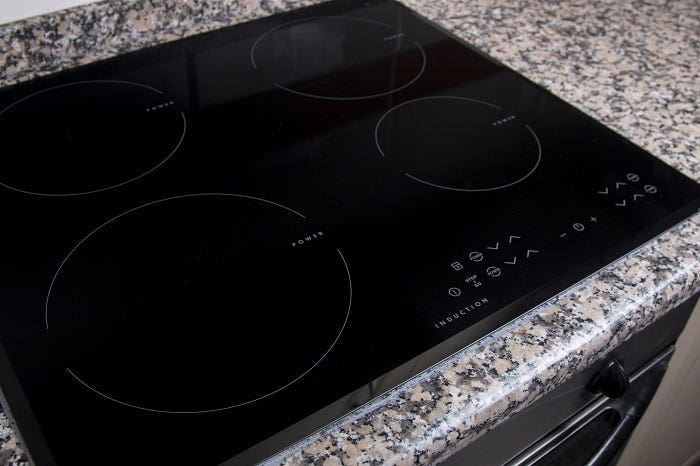
Glass cooktops use a thick, toughened glass panel. This glass can handle heat and pressure. Under the glass, heating elements or induction coils are placed. The glass surface stays smooth and flat. It makes cleaning spills easy and fast. The design is usually black or dark gray to hide stains. Controls are often touch-sensitive and built into the glass.
Common Features
Most glass cooktops have heating zones marked on the surface. These zones show where pots and pans should sit. Some models include timers and safety locks. They help prevent accidents and save energy. Many cooktops also have automatic shut-off features. This turns off heat if no pan is detected. Bright, easy-to-read displays show temperature and settings. These features make cooking safer and more convenient.

Credit: www.baconappliance.com
Induction Cooktop Features
Induction cooktops have gained popularity for their sleek design and smart cooking technology. These cooktops use a glass surface that looks smooth and modern. Understanding the features of an induction cooktop helps you know if it fits your kitchen needs.
Induction cooktops offer precise control and fast heating. They work differently from traditional gas or electric cooktops. Their special features make cooking easier and safer.
How Induction Works
Induction cooktops use magnetic fields to heat pots and pans. The cooktop itself stays cool. Only the cookware gets hot. This happens because the magnetic field creates heat inside the metal.
It requires cookware made of magnetic material, like cast iron or stainless steel. Non-magnetic pots will not heat up. This makes cooking more efficient and reduces wasted energy.
Benefits Of Induction Cooking
Induction cooking is fast. It heats food quickly and evenly. This saves time in the kitchen. The surface cools down fast after cooking, making it safer to touch.
Cleaning is simple. The flat glass surface can be wiped easily. Spills do not burn onto the cooktop. Induction cooktops also offer precise temperature control. This helps prevent burning or overcooking food.
Differences Between Glass And Induction Cooktops
Understanding the differences between glass and induction cooktops helps you choose the right one. Both look sleek and modern. Both have smooth surfaces. Yet, their materials and heating methods set them apart. This section explains these key differences clearly.
Surface Material Comparison
Glass cooktops usually have a ceramic glass surface. It feels smooth and flat. This glass can handle heat well but can crack if hit hard. You clean it easily with a cloth. The surface stays cool except near hot burners.
Induction cooktops often use a similar glass-ceramic surface. It looks the same but hides a different heating system below. The surface itself does not get hot. Only the pot heats up, making it safer to touch.
Heating Mechanism Differences
Glass cooktops heat through electric coils under the glass. These coils get hot and warm the glass surface. Heat then moves to the pot. This method takes more time to heat and cool down.
Induction cooktops use magnetic fields to heat pots directly. The glass surface stays cooler because it does not generate heat. This method heats faster and saves energy. Only pots with metal bottoms work on induction.
Other Cooktop Types
Glass cooktops come in different types. Knowing other cooktop types helps you choose better. Each type has unique features and cooking styles.
Electric Coil Cooktops
Electric coil cooktops have metal coils that heat up. The coils glow red when hot. They take longer to heat than glass cooktops. Cleaning is harder because coils are exposed. They work with almost all pots and pans. These cooktops cost less and last a long time.
Gas Cooktops
Gas cooktops use an open flame to cook food. You can control heat instantly by adjusting the flame. They cool down quickly after turning off. Gas cooktops need a gas line connection. They work with any pot or pan type. Many chefs prefer gas for better heat control.
Ceramic Cooktops
Ceramic cooktops have a smooth, glass-like surface. They heat with electric elements beneath the surface. Heat spreads evenly across the cooking area. Cleaning is easy with a flat surface. They heat slower than induction but faster than coils. Ceramic cooktops look modern and sleek in kitchens.
Choosing The Right Cooktop
Choosing the right cooktop is important for every kitchen. It affects how you cook and enjoy your meals. Different cooktops offer different features. Understanding these features helps you pick the best one for your needs.
Consider what types of food you prepare most. Think about how often you cook and the space you have. These details guide you to the perfect cooktop choice.
Cooking Needs And Preferences
Think about the cooking style you prefer. Gas cooktops give quick heat and control. Electric glass cooktops heat evenly and look sleek. Induction cooktops heat fast and save energy. Your choice depends on the meals you make and how fast you want to cook.
Also, check if your cookware matches the cooktop type. Induction cooktops need magnetic pots and pans. This ensures the cooktop works well and cooks food properly.
Budget Considerations
Set a budget before buying a cooktop. Gas cooktops are usually less expensive. Glass cooktops with electric heating cost a bit more. Induction cooktops are often the most costly. Remember to include installation and maintenance costs in your budget.
Choose a cooktop that fits your budget and lasts long. Spending a little more can save money on energy and repairs later.
Safety And Maintenance
Safety matters in the kitchen. Induction cooktops stay cool except under the pan. This lowers burn risks. Glass cooktops need careful cleaning to avoid scratches. Gas cooktops require good ventilation to avoid gas leaks.
Cleaning is easier with smooth glass tops. Wipe spills quickly to keep them shiny. Regular checks keep your cooktop safe and working well.
Credit: weiman.com

Credit: www.ebay.com
Frequently Asked Questions
Is A Glass Cooktop Always An Induction Cooktop?
No, a glass cooktop is not always induction. Glass refers to the surface material, while induction is a cooking technology. Glass cooktops can use electric or radiant heat, but induction cooktops use magnetic fields to heat pots directly.
How Can I Tell If My Glass Cooktop Is Induction?
Look for an induction symbol or check the manual. Induction cooktops require magnetic cookware. You can test with a magnet; if it sticks, your glass cooktop might be induction.
Are Glass Cooktops Less Efficient Than Induction Cooktops?
Yes, glass cooktops that use electric or radiant heat are less efficient. Induction cooktops heat cookware directly, reducing energy loss and cooking faster.
Can I Use Any Cookware On A Glass Induction Cooktop?
No, induction cooktops need magnetic cookware like cast iron or stainless steel. Non-magnetic materials like aluminum or glass won’t work on induction glass cooktops.
Conclusion
A glass cooktop can be induction, but not always. Some glass cooktops use electric or radiant heat instead. Induction cooktops heat pots and pans directly through magnetic fields. They cool down quickly and use energy efficiently. Check your cooktop’s features or manual to know for sure.
Choosing the right cooktop depends on your cooking style and needs. Glass cooktops look sleek and are easy to clean. Understanding these differences helps you make a smart choice. Cooking becomes safer and faster with the right cooktop type.

Hello, This is Annie Walker, a 38-year-old blogger, founder, and editor of Cookware Guider from NY, USA. I am a cookware fanatic and passionate cooker. I love to cook with different types of cooking appliances (example: all types of cookware, rice cookers, slow cookers, etc) almost every day in my kitchen. I love to share my experience with my readers in my blog. Also, I enjoy helping people to solve their problems through my website. You can follow me on Twitter & Pinterest. To know details about my blog please check the about us page.