
Are you trying to decide between a gas cooktop and an induction stove for your kitchen? Choosing the right cooktop can change the way you cook every day.
You want something that’s efficient, easy to use, and fits your style. But which one really gives you more control, saves energy, and makes cooking easier? Keep reading to discover the key differences and find out if a gas cooktop or an induction cooktop is better suited for your needs.
This guide will help you make a smart choice that you’ll feel great about every time you step into your kitchen.
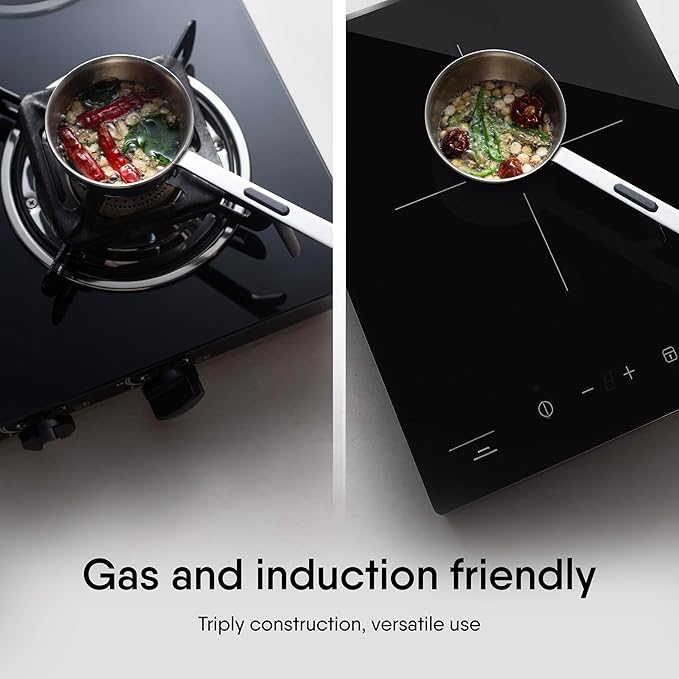
Credit: stahlkitchens.com
Gas Cooktop Basics
Gas cooktops remain a popular choice for many kitchens. They offer control and quick heating. Understanding how they work helps in choosing the right option for your cooking needs.
This section covers the basics of gas cooktops. Learn about their operation, types of burners, and common features.
How Gas Cooktops Work
Gas cooktops use natural gas or propane as fuel. When you turn the knob, gas flows to the burner. A spark ignites the gas, creating a flame. The flame heats the cookware directly. This method heats food quickly and evenly.
Types Of Gas Burners
Burners come in several sizes and shapes. Small burners are for simmering sauces. Larger burners provide high heat for boiling or frying. Some cooktops have dual-ring burners for better heat control. Each burner suits different cooking styles.
Common Features
Most gas cooktops have control knobs for easy flame adjustment. Many include safety features like flame failure devices. These stop gas if the flame goes out. Grates support pots and pans steadily during cooking. Some models offer sealed burners for easy cleaning.

Credit: stahlkitchens.com
Induction Cooktop Basics
Induction cooktops use modern technology for cooking. They offer a different experience than gas stoves. Understanding the basics helps decide if induction suits your kitchen.
These cooktops use magnetic fields to heat pots and pans directly. This method is fast and energy-efficient. Learning the key points about induction makes it easier to compare with gas cooktops.
How Induction Cooking Works
Induction cooktops create heat through magnetic energy. A coil under the glass surface produces an electromagnetic field. This field heats only the cookware, not the cooktop itself.
The cookware must be made of magnetic material, like cast iron or stainless steel. Heat transfers quickly to the food inside the pot or pan. This method saves energy and reduces heat loss.
Types Of Induction Cooktops
There are built-in and portable induction cooktops. Built-in models fit into kitchen counters permanently. Portable ones can be moved and stored easily.
Some cooktops have one burner, while others have multiple burners. Multi-burner models allow cooking several dishes at once. Choose based on your kitchen space and cooking style.
Key Features
Induction cooktops have precise temperature controls. You can adjust heat instantly and accurately. This feature helps cook food evenly and prevents burning.
Many models include safety features like auto shut-off and child locks. The surface stays cool, reducing burn risks. These features make induction cooktops safe for families.
Easy cleaning is another advantage. The flat glass surface wipes clean quickly. Spills do not burn onto the cooktop, saving time and effort.
Performance Comparison
Performance is a key factor when choosing between a gas cooktop and an induction cooktop. Both have unique strengths that affect cooking results. This section compares their heat control, cooking speed, and temperature consistency. Understanding these elements helps you pick the right cooktop for your kitchen.
Heat Control And Precision
Gas cooktops offer visible flames that adjust instantly. You can easily lower or raise the heat with a turn of the knob. This makes it simple to cook delicate dishes requiring precise heat. Induction cooktops use electromagnetic energy. They change heat quickly but lack a visible flame. The heat control is very accurate, often better than gas. Small heat changes are easier to manage on induction surfaces.
Cooking Speed
Induction cooktops heat pots and pans faster than gas. They deliver energy directly to the cookware. This cuts down cooking time and saves energy. Gas cooktops take longer to reach the desired temperature. The flame heats the air around the pan first. This makes induction a good choice for quick meals. Gas may feel slower but works well for steady cooking.
Temperature Consistency
Gas flames can vary due to air flow or burner quality. This can cause uneven heat across the pan. Induction cooktops keep temperature steady and even. The heat spreads uniformly because it comes from the cookware itself. This reduces hot spots and burning risks. Consistent temperature helps cook food more evenly every time.
Energy Efficiency And Cost
Energy efficiency and cost play a big role in choosing between a gas cooktop and an induction cooktop. Both types use energy differently and have different costs over time. Knowing these details helps make a smart choice that fits your budget and needs.
Energy Consumption
Induction cooktops use electricity to create heat directly in the pot or pan. This means less energy is wasted. Gas cooktops burn natural gas or propane to create flame heat. Some energy escapes around the sides of the pot. Induction cooktops are usually more efficient in turning energy into heat for cooking.
Operating Costs
Gas cooktops often cost less to run if natural gas prices are low. Electric rates vary by region and time of day. Induction cooktops use electricity, so their cost depends on electric rates. Induction models cook food faster, which can save energy and reduce bills. Operating costs change based on local energy prices and how often you cook.
Initial Investment
Gas cooktops tend to be cheaper to buy and install. They need a gas line connection, which can add cost if not already present. Induction cooktops usually have a higher upfront price. They require special cookware that works with magnetic fields. Consider these costs before deciding on the best cooktop for your kitchen.
Safety Factors
Safety is a key factor when choosing between a gas cooktop and an induction stove. Both types have risks and safety features. Understanding these helps you make a safer choice for your home.
Burn Risks
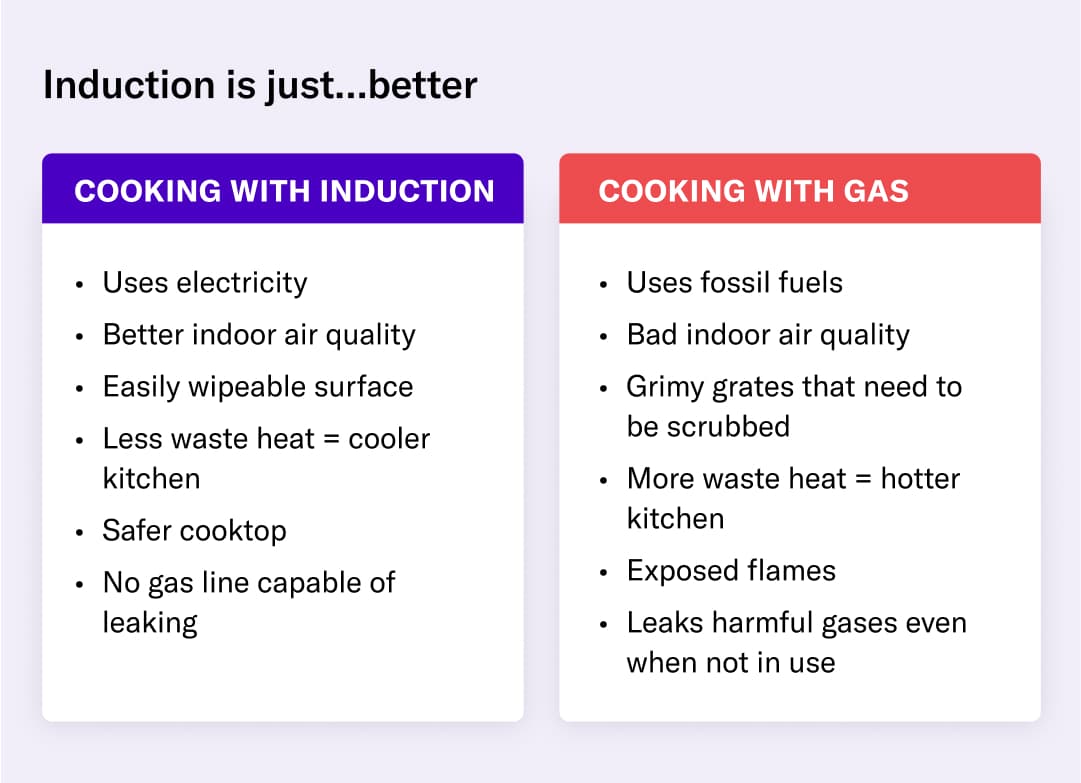
Gas cooktops have open flames that can cause burns. The flame heats the pan and the surrounding air. This makes the surface very hot. Induction cooktops use magnets to heat the pan directly. The cooktop surface stays cooler. This lowers the chance of burns. Spills on induction cooktops do not burn as easily.
Gas Leak Concerns
Gas cooktops need a gas supply line. A leak can cause fire or explosion. Proper installation and maintenance reduce this risk. Induction cooktops run on electricity. They have no risk of gas leaks. This makes induction safer in homes with children or pets.
Child Safety Features
Both cooktops offer child safety features. Many induction models have automatic shut-off and lock controls. This stops children from turning the stove on by accident. Gas cooktops may have safety valves that stop gas flow if the flame goes out. Induction cooktops often provide more precise control to keep children safer.
Credit: homes.rewiringamerica.org
Cleaning And Maintenance
Cleaning and maintenance play a big role in choosing between a gas cooktop and an induction stove. Both types need care to stay in good shape. How easy they are to clean and keep durable can affect your daily cooking experience. Let’s explore these points to help you decide.
Ease Of Cleaning
Gas cooktops have grates and burners that collect food and spills. These parts need to be removed and scrubbed often. Grease can build up in hard-to-reach spots. Induction cooktops have a smooth, flat surface. Wiping spills is quick and simple. No extra parts to clean. The flat surface means less dirt traps and less effort.
Durability
Gas cooktops are tough and last for many years. The metal parts can handle heavy pots and high heat. Some parts may rust or wear out over time. Induction cooktops have glass tops that need careful handling. They can crack if hit hard. The technology inside is delicate but well-made. Both types can last long with proper care.
Common Repairs
Gas cooktops may need repairs for clogged burners or faulty igniters. These are usually easy fixes. Induction cooktops might have issues with the electronic controls or the glass surface. Repairs can be more costly and need a technician. Knowing the common problems helps you prepare for maintenance costs.
Cookware Compatibility
Cookware compatibility plays a big role in choosing between gas and induction cooktops. Different types of cookware work better with certain cooking technologies. This affects cooking results and ease of use. Understanding what materials suit each cooktop helps you pick the right option for your kitchen.
Materials For Gas Cooking
Gas cooktops work with almost all cookware types. Copper, aluminum, stainless steel, cast iron, and ceramic all perform well over a flame. The open flame heats the pot or pan directly. This makes heat control easy and flexible. Even warped or uneven bottoms work fine on gas. Thin or thick cookware both cook well without problems.
Materials For Induction Cooking
Induction cooktops need magnetic cookware. Cast iron and some stainless steel pans work best. Copper, glass, aluminum, and non-magnetic stainless steel do not heat up. The cooktop uses magnets to create heat inside the pan itself. This means the pot or pan must have a flat, magnetic bottom. Smooth and even surfaces help induction heat spread evenly.
Environmental Impact
Choosing between a gas cooktop and an induction stove involves thinking about the environment. Cooking affects the planet in different ways. Understanding the environmental impact helps make a better choice.
Carbon Footprint
Gas cooktops burn natural gas, which releases carbon dioxide. Carbon dioxide adds to global warming. Induction cooktops use electricity to heat food. The carbon footprint depends on how the electricity is made. If the power comes from coal, the impact is high. If it comes from solar or wind, the impact is low. Induction tends to have a smaller carbon footprint overall.
Sustainability Considerations
Gas is a fossil fuel and is limited in supply. Using gas cooktops relies on nonrenewable resources. Induction cooktops can run on renewable energy. This makes them more sustainable long term. Induction stoves also waste less energy while cooking. They heat pots directly, saving power. Gas cooktops lose heat to the air. Less energy waste means less harm to the planet.
User Experience And Preferences
User experience and personal preference play a big role in choosing between a gas cooktop and an induction cooktop. Each type offers a different cooking feel. Some people enjoy the traditional flame of gas. Others prefer the modern touch of induction. Cooking style, safety, and ease matter a lot to users. Below, we explore what professional chefs and home cooks say about both.
Professional Chef Opinions
Many chefs like gas cooktops for their precise heat control. The visible flame helps them adjust the temperature fast. Chefs often say gas is better for certain cooking styles, like searing and stir-frying. They trust the instant heat changes that gas provides. Some chefs find induction less flexible. Yet, a few appreciate induction’s fast heating and even temperature. Induction cooktops are also cleaner and safer in busy kitchens.
Home Cook Feedback
Home cooks have mixed feelings about gas and induction. Some love gas for its familiar look and feel. They enjoy cooking with flames and say it is easy to learn. Others prefer induction for safety, especially with kids around. Induction cooktops are faster and easier to clean. Many users like the sleek design and quiet operation of induction. Some find induction tricky at first but get used to it quickly.
Making The Right Choice
Choosing between a gas cooktop and an induction stove depends on many factors. Understanding these can help you pick the best option for your kitchen. Think about your space, budget, and how you like to cook.
Kitchen Setup And Space
Check your kitchen layout first. Gas cooktops need a gas line connection. Induction cooktops require a flat, stable surface and good ventilation. Space size matters too. Small kitchens may benefit from induction’s compact design. Larger kitchens might handle gas cooktops better.
Budget Considerations
Gas cooktops usually cost less upfront. Induction models can be pricier but save energy. Consider installation costs as well. Gas lines or special wiring might add to expenses. Think about long-term savings on energy bills with induction.
Cooking Style Preferences
Gas cooktops offer visible flames for quick heat control. Induction heats pots fast and evenly without flames. Some cooks prefer the traditional feel of gas. Others like induction’s safety and speed. Your cooking habits will guide your choice.
Frequently Asked Questions
Is A Gas Cooktop More Energy Efficient Than Induction?
Induction cooktops are more energy efficient than gas. They heat cookware directly, reducing heat loss. Gas cooktops waste energy by heating surrounding air. Induction also cooks food faster, saving time and electricity.
Which Cooktop Offers Better Temperature Control, Gas Or Induction?
Gas cooktops provide visual flame control, offering immediate heat adjustments. Induction cooktops respond quickly but lack visible flames. Both offer precise temperature control, but chefs often prefer gas for its tactile feel.
Are Gas Cooktops Safer Compared To Induction Cooktops?
Induction cooktops are generally safer since they don’t produce open flames. They also cool down quickly after use. Gas cooktops carry risks of gas leaks and open flames, which require careful handling and ventilation.
Can Any Cookware Be Used On Induction Cooktops?
No, induction cooktops require magnetic cookware like cast iron or stainless steel. Non-magnetic materials like aluminum or glass won’t work unless they have a magnetic base. Always check cookware compatibility before purchasing.
Conclusion
Choosing between a gas cooktop and induction depends on your needs. Gas offers quick heat and easy control. Induction cooks faster and uses less energy. Safety is higher with induction since it stays cool. Gas works with all pots; induction needs special ones.
Both have pros and cons to weigh. Think about your cooking style and kitchen setup. Either choice can fit well in your home. The best cooktop is the one you enjoy using.

Hello, This is Annie Walker, a 38-year-old blogger, founder, and editor of Cookware Guider from NY, USA. I am a cookware fanatic and passionate cooker. I love to cook with different types of cooking appliances (example: all types of cookware, rice cookers, slow cookers, etc) almost every day in my kitchen. I love to share my experience with my readers in my blog. Also, I enjoy helping people to solve their problems through my website. You can follow me on Twitter & Pinterest. To know details about my blog please check the about us page.